

Understanding how your financial decisions impact your credit score can feel like navigating in the dark. A credit score simulator offers a flashlight, allowing you to preview the potential consequences of various actions before you commit. Whether you're considering opening a new credit card, paying down debt, or applying for a personal loan, these powerful tools help you make informed decisions that align with your financial goals. For consumers across Louisiana, Mississippi, Tennessee, and Georgia who are working to improve their credit standing, simulators provide invaluable insights that can shape smarter borrowing strategies and faster credit recovery.
What Is a Credit Score Simulator
A credit score simulator is a digital tool that estimates how specific financial actions might affect your credit score. These simulators use mathematical models based on credit scoring algorithms to project potential score changes resulting from various scenarios.
Credit score simulators work by analyzing your current credit profile and applying predictive modeling to estimate outcomes. When you input a hypothetical action, such as opening a new account or paying off a credit card balance, the simulator calculates the likely impact on your three-digit credit score.
The Technology Behind Simulators
The effectiveness of a credit score simulator depends on the sophistication of its underlying algorithm and the accuracy of your credit data. Most simulators pull information from one or more of the three major credit bureaus: Equifax, Experian, and TransUnion.
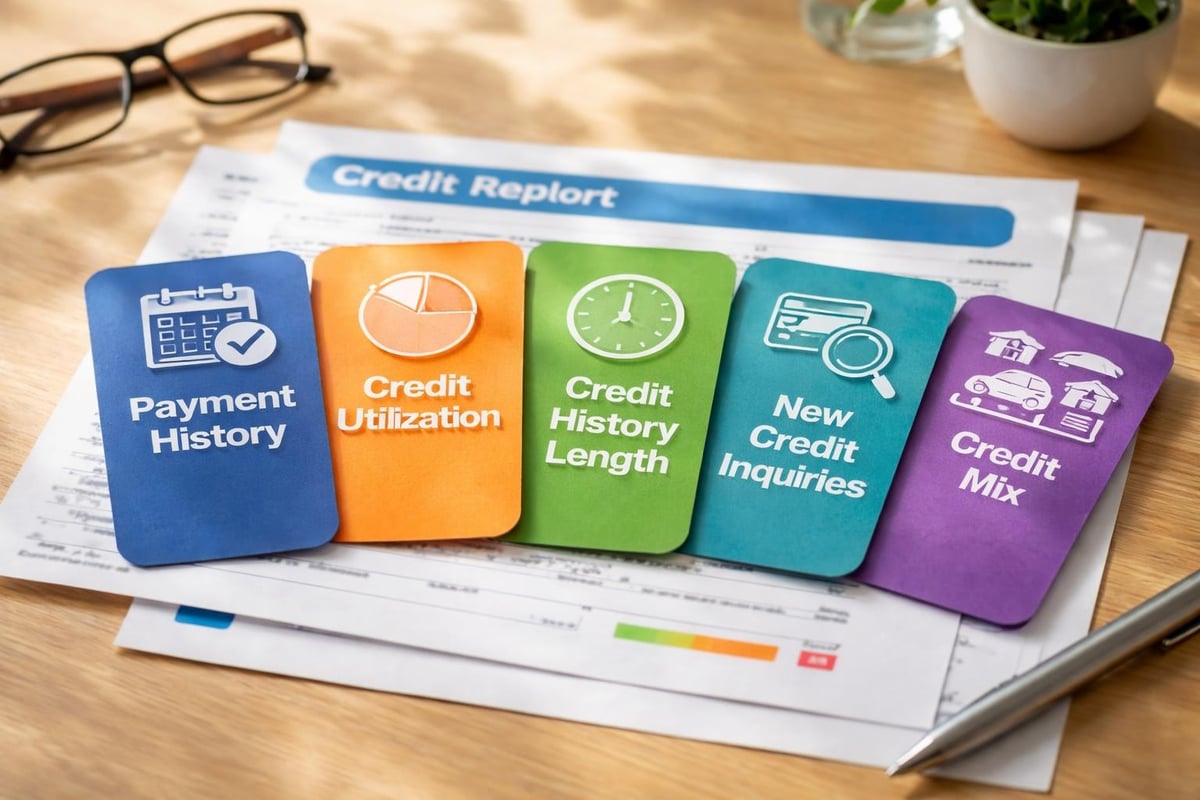
Key components that simulators analyze include:
- Payment history across all credit accounts
- Credit utilization ratios on revolving accounts
- Length of credit history and account age
- Recent credit inquiries and new account openings
- Mix of credit types in your portfolio
These factors align with the five categories that FICO and VantageScore use to calculate credit scores, though the exact weighting varies between scoring models.
How to Use a Credit Score Simulator Effectively
Using a credit score simulator requires more than simply entering random scenarios. Strategic use involves identifying your specific financial goals and testing relevant actions that support those objectives.
Step-by-Step Simulation Process
- Access your current credit report to ensure the simulator has accurate baseline data
- Identify specific financial decisions you're considering in the near future
- Input one scenario at a time to isolate the impact of each action
- Compare multiple strategies to determine which path offers the best outcome
- Document the results to inform your actual financial decisions
When testing scenarios, focus on realistic actions you're actually prepared to take. Simulating the impact of paying off $5,000 in debt won't help if you don't have those funds available.
Common Scenarios Worth Simulating
Different financial situations call for different simulation strategies. The scenarios most valuable to test depend on your current credit profile and immediate needs.
| Scenario Type | Best For | Typical Impact Range |
|---|---|---|
| Paying off credit card balances | High utilization ratios | +10 to +50 points |
| Opening a new credit card | Building credit or rewards | -5 to -15 points initially |
| Closing old accounts | Simplifying finances | -10 to -30 points |
| Paying down installment loans | Reducing debt-to-income | +5 to +20 points |
| Disputing credit report errors | Inaccurate negative items | +20 to +100+ points |
The ranges shown are estimates that vary significantly based on individual credit profiles and the magnitude of each action.
Benefits of Using Credit Score Simulators
Understanding how credit score simulators function reveals why they've become essential tools for anyone serious about credit management. These platforms offer several distinct advantages over trial-and-error approaches.
Primary benefits include:
- Risk-free experimentation with financial decisions before commitment
- Personalized insights based on your unique credit profile
- Time-saving strategy development that accelerates credit improvement
- Confidence building when making major financial moves
- Educational value that deepens credit literacy
For consumers who have experienced past credit challenges, simulators provide a roadmap for recovery. You can test which actions deliver the most significant improvements and prioritize those strategies.
Planning Major Purchases
When you're preparing to apply for a significant loan, such as financing for home improvements or medical expenses, a credit score simulator becomes particularly valuable. These tools help you optimize your credit profile before lenders review your application.
Testing scenarios like reducing credit card balances or paying off small collections can reveal which actions provide the best return on investment. A 20-point score increase might move you into a better interest rate tier, potentially saving thousands of dollars over the life of a loan.
Limitations and Accuracy Considerations
While credit score simulators offer valuable predictions, they're not crystal balls. Understanding their limitations ensures you maintain realistic expectations and make appropriately cautious decisions.
Why Simulations May Differ from Reality
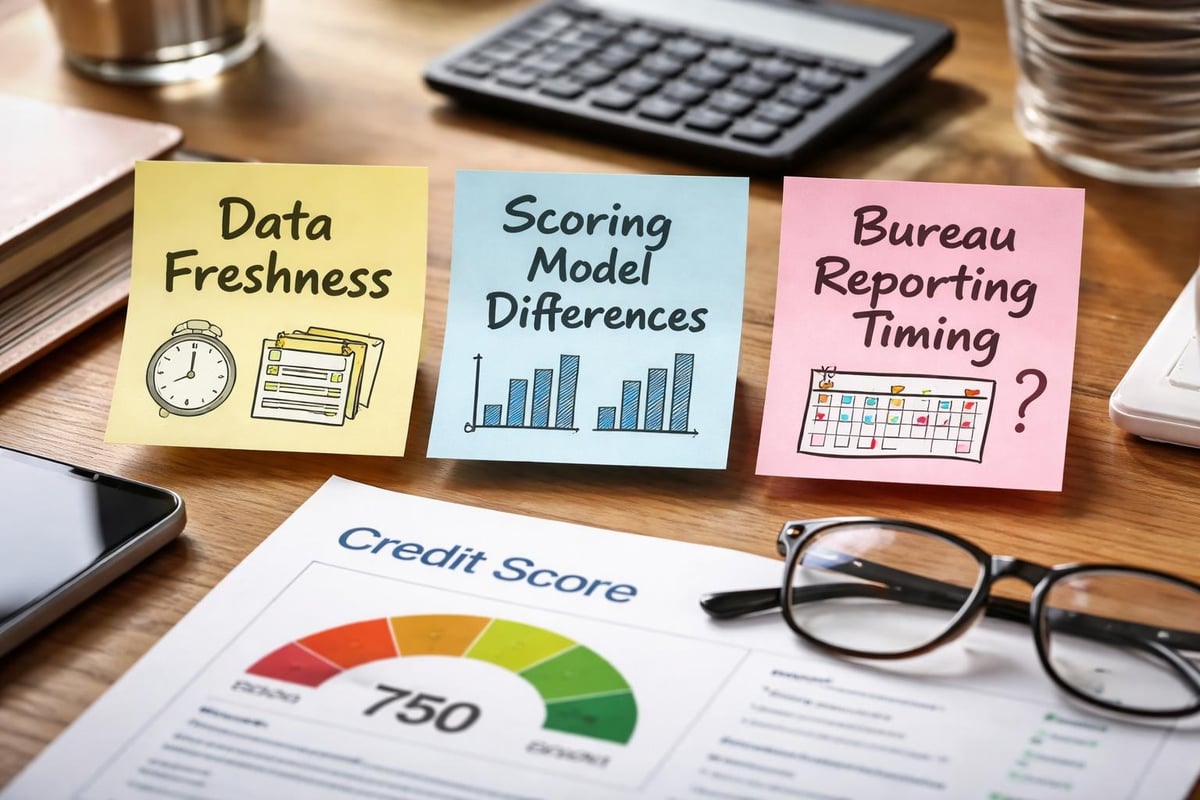
Several factors can cause actual results to vary from simulator predictions. Credit bureaus don't always report account updates simultaneously, meaning your real-world credit profile might be different across the three agencies.
Common accuracy limitations:
- Simulators typically use one scoring model, while lenders may use different versions
- Timing of creditor reporting can delay or accelerate expected changes
- Multiple simultaneous actions can create compounding effects not captured in isolated simulations
- Some simulators lack access to your complete credit file
- Future creditor behavior (like credit limit changes) remains unpredictable
Credit score prediction tools work best when you verify their data sources and understand which scoring model they're simulating. A FICO Score 8 simulation may produce different results than a VantageScore 3.0 prediction.
Finding Reliable Credit Score Simulators
Not all simulators offer the same quality, accuracy, or features. Selecting the right tool requires evaluating several key characteristics and understanding what different platforms offer.
Free vs. Paid Simulator Options
Many reputable financial institutions and credit monitoring services provide simulators at no cost. These free tools often deliver sufficient functionality for most consumers' needs.
| Provider Type | Cost | Data Source | Best Use Case |
|---|---|---|---|
| Credit bureaus | Free to paid | Direct bureau data | Most accurate simulations |
| Credit card companies | Free with account | Single bureau | Convenient for cardholders |
| Financial education sites | Free | Estimated data | General planning |
| Paid credit services | $10-$30/month | Multiple bureaus | Comprehensive monitoring |
Capital One’s CreditWise offers a free simulator available even to non-customers, while credit bureaus like Experian provide simulators through their monitoring services.
Evaluating Simulator Quality
Before relying on any credit score simulator, assess its credibility and capabilities. Quality indicators include transparency about data sources, clear explanations of limitations, and regular updates to reflect current scoring models.
Look for simulators that specify which credit scoring model they use. Tools that claim to predict "your credit score" without specifying FICO or VantageScore versions may produce less reliable estimates.
Strategies for Credit Score Improvement
Armed with simulator insights, you can develop targeted strategies that address your specific credit challenges. The most effective approaches combine simulator testing with consistent financial discipline.
Prioritizing High-Impact Actions
Not all credit-building activities deliver equal results. Focus your efforts on changes that simulators indicate will produce the most significant score increases.
High-priority improvement strategies:
- Reduce credit utilization below 30% across all revolving accounts
- Make all payments on time to avoid new negative marks
- Address collection accounts through payment or settlement
- Dispute inaccurate information on your credit reports
- Avoid new credit inquiries unless necessary
For consumers recovering from past credit difficulties, simulator testing helps identify which old accounts to prioritize for payment or settlement. Sometimes paying off a smaller collection delivers a bigger score boost than reducing a large credit card balance.
Building Long-Term Credit Health
While simulators excel at predicting short-term impacts, sustainable credit health requires a broader perspective. Use simulation insights to guide immediate decisions while maintaining habits that support long-term creditworthiness.
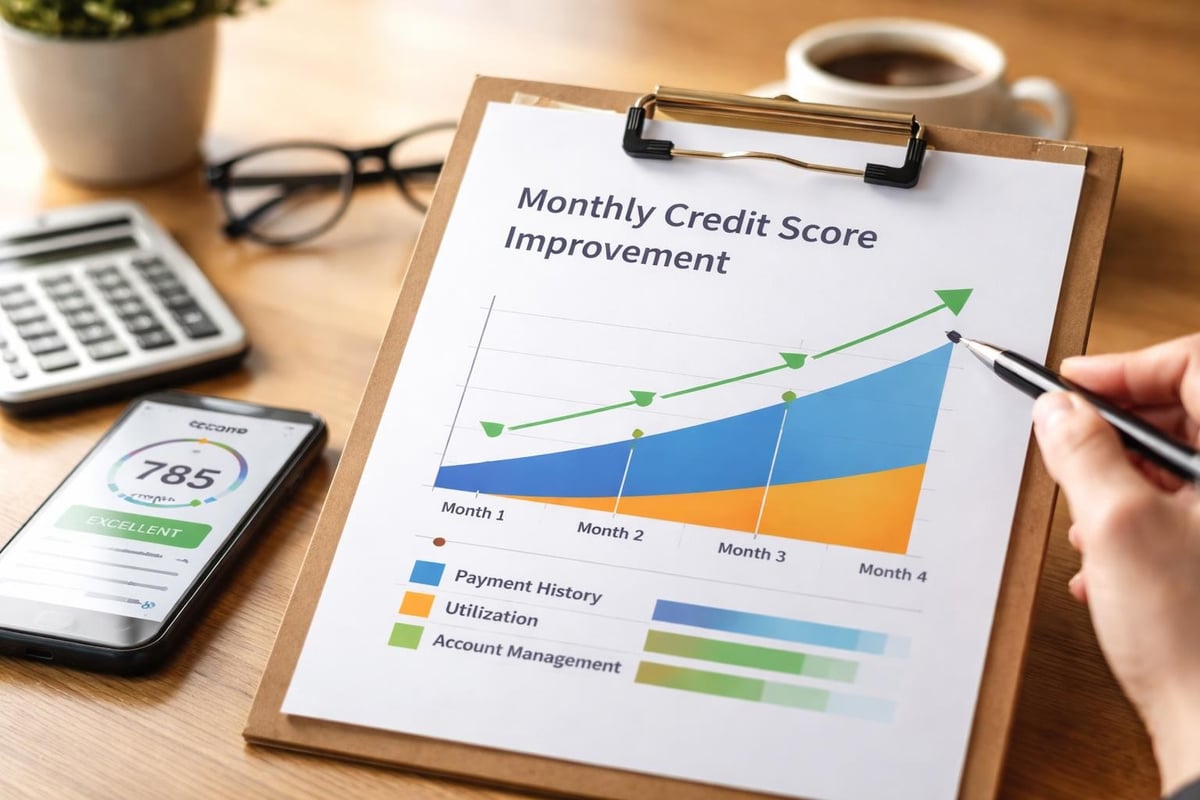
Establishing consistent payment patterns, maintaining low utilization rates, and gradually building a diverse credit mix all contribute to scores that withstand temporary setbacks. Understanding credit score simulators helps you recognize that quick fixes rarely substitute for sustained responsible credit management.
Common Simulator Mistakes to Avoid
Even the most sophisticated credit score simulator won't deliver value if used incorrectly. Several common errors can lead to poor decisions or unrealistic expectations.
Over-Relying on Projected Outcomes
Simulators provide estimates, not guarantees. Basing major financial decisions solely on simulator predictions without considering other factors can lead to disappointment when actual results vary.
Mistakes that undermine simulator effectiveness:
- Testing unrealistic scenarios you can't actually implement
- Ignoring the time required for actions to appear on credit reports
- Failing to verify the simulator uses current credit data
- Comparing results across simulators using different scoring models
- Neglecting to consider how lenders actually evaluate applications
Remember that credit scores represent just one factor in lending decisions. Lenders also evaluate income, employment stability, debt-to-income ratios, and specific account histories.
Timing Expectations
One of the most common frustrations with credit score simulators stems from misunderstanding reporting timelines. Even after you take an action the simulator predicted would boost your score, you might not see immediate results.
Credit card companies typically report to bureaus once monthly, usually around your statement closing date. Paying down a balance today might not affect your credit score for 30-45 days, depending on when your creditor next reports.
Integrating Simulators into Financial Planning
The most successful credit management strategies incorporate credit score simulators as one tool within a comprehensive financial plan. This integration ensures credit decisions align with broader objectives like debt reduction, savings accumulation, and major purchase preparation.
Coordinating Credit Actions with Life Events
Major life events often require careful credit planning. Whether you're preparing to apply for a personal loan for education expenses or seeking financing for medical procedures, simulator insights help you time credit-building actions optimally.
Test scenarios several months before you'll need to apply for credit. This advance planning gives you time to implement recommended changes and allows those improvements to fully reflect in your credit reports before lenders pull them.
Monitoring Progress and Adjusting Strategies
Regular simulator use helps you track whether your credit-building efforts are producing expected results. Monthly check-ins allow you to adjust your strategy if certain actions aren't delivering anticipated improvements.
If a simulator predicted paying off a specific account would increase your score by 25 points but you've only seen a 10-point increase after three months, investigate why. Perhaps the account hasn't reported the zero balance yet, or other factors are offsetting the positive impact.
Credit Score Simulators for Specific Loan Preparation
When you're preparing to apply for financing through a consumer lender, strategic simulator use can significantly improve your approval odds and the terms you receive. This targeted approach focuses on achieving specific score thresholds that unlock better rates.
Understanding Lender Requirements
Different loan types have different credit score expectations. Personal loans for home improvements might have one threshold, while medical expense financing could have another. Research typical requirements for your desired loan product, then use simulators to develop a plan for reaching those benchmarks.
Most consumer lenders evaluate multiple factors beyond credit scores, including income verification and debt-to-income ratios. However, improving your score through simulator-guided actions often remains the fastest path to better loan terms.
Pre-application optimization strategies:
- Reduce revolving account balances to below 10% utilization
- Ensure all recent payments are current before applying
- Avoid opening new accounts for at least six months
- Resolve any outstanding collections or charge-offs
- Request credit limit increases to improve utilization ratios
Testing these scenarios in a simulator helps you predict which combination of actions will produce the optimal score before lenders review your application.
Understanding how a credit score simulator works empowers you to make smarter financial decisions with confidence in their potential outcomes. Whether you're working to rebuild credit after past challenges or optimizing your profile for better loan terms, these tools provide the insights needed for strategic credit management. Standard Financial understands that past credit issues shouldn't prevent you from accessing the financing you need for important expenses like home improvements, medical care, or education. With flexible financing plans and refinancing options available across Louisiana, Mississippi, Tennessee, and Georgia, our team works with clients at every credit level to find solutions that fit their unique situations.





No comment yet, add your voice below!