

Understanding what lenders look for when evaluating your application can make the difference between approval and rejection. Whether you're seeking funds for home improvements, medical expenses, or educational costs, knowing the loan eligibility criteria helps you prepare a stronger application and increases your chances of securing the financing you need. Lenders across Louisiana, Mississippi, Tennessee, and Georgia use similar standards to assess risk and determine whether applicants qualify for personal loans, though specific requirements may vary by institution and loan type.
Core Components of Loan Eligibility Criteria
Financial institutions evaluate multiple factors when reviewing loan applications. These elements work together to paint a comprehensive picture of your financial health and ability to repay borrowed funds.
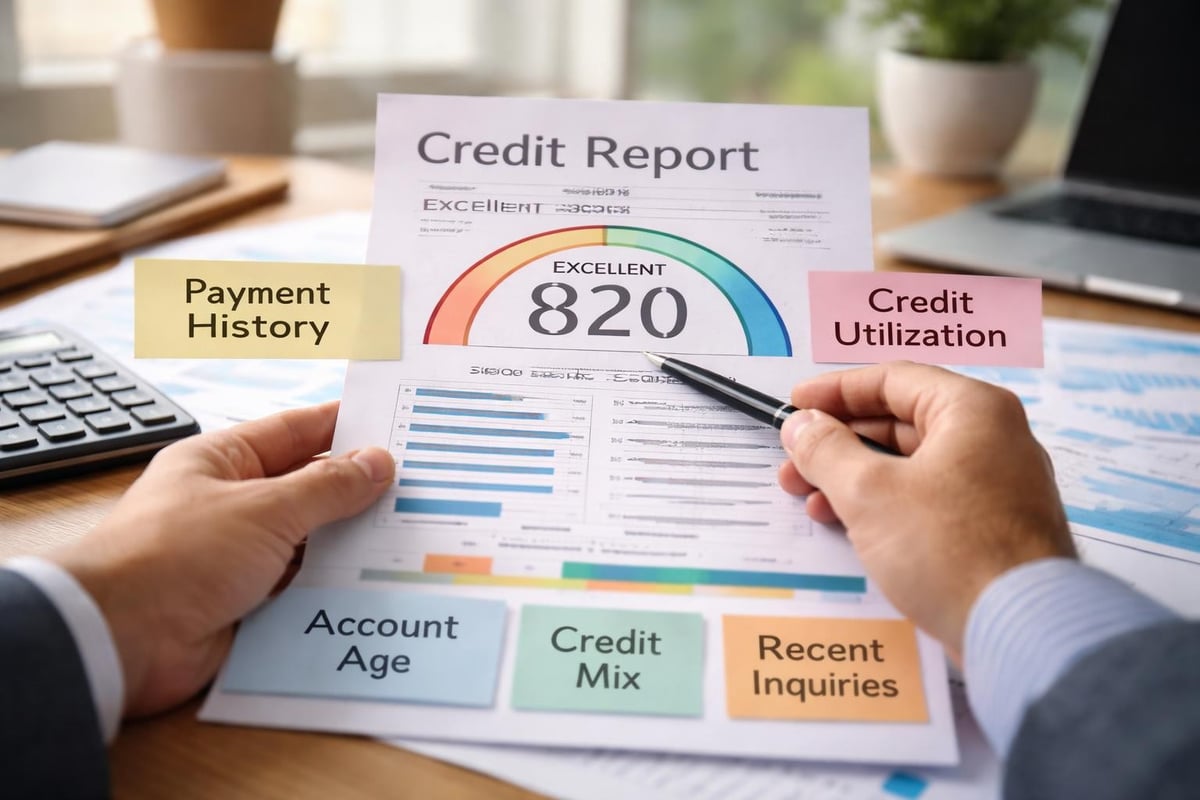
Credit Score Requirements
Your credit score serves as a numerical representation of your creditworthiness. Most lenders categorize scores into ranges that determine eligibility and interest rates. Scores above 700 typically qualify for the most favorable terms, while scores between 620 and 699 may still secure approval with slightly higher rates.
Credit score tiers commonly used:
- Excellent (750+): Best rates and terms available
- Good (700-749): Competitive rates with standard terms
- Fair (650-699): Moderate rates, possible additional requirements
- Poor (600-649): Higher rates, may need co-signer or collateral
- Very Poor (below 600): Limited options, alternative lending solutions
Many consumers worry that past credit issues permanently disqualify them from borrowing. However, lenders increasingly recognize that financial setbacks happen and evaluate the full context of your credit history rather than focusing solely on your score. Recent positive payment patterns can offset older negative marks.
Income Verification Standards
Demonstrating stable, sufficient income is fundamental to meeting loan eligibility criteria. Lenders need assurance that you earn enough to cover monthly payments while maintaining your other financial obligations.
Documentation typically includes:
- Recent pay stubs (usually last 30-60 days)
- W-2 forms or tax returns (previous two years)
- Bank statements showing regular deposits
- Proof of additional income sources (rental property, investments, alimony)
Self-employed applicants face additional documentation requirements. You'll likely need comprehensive tax returns, profit and loss statements, and business bank statements to verify income stability. This extra scrutiny reflects the variable nature of self-employment income compared to traditional employment.
According to requirements for personal loans, most lenders want to see consistent income over at least two years, though some may accept shorter employment history if other factors are strong.
Understanding Debt-to-Income Ratio
The debt-to-income (DTI) ratio measures your monthly debt payments against your gross monthly income. This metric helps lenders assess whether you can comfortably afford additional debt.
Calculating Your DTI Ratio
To calculate DTI, divide your total monthly debt obligations by your gross monthly income, then multiply by 100 to get a percentage.
| DTI Range | Lender Assessment | Approval Likelihood |
|---|---|---|
| Below 36% | Excellent | Very High |
| 36-42% | Good | High |
| 43-49% | Fair | Moderate |
| 50%+ | Poor | Low |
Monthly debts included in DTI calculations:
- Mortgage or rent payments
- Auto loan payments
- Student loan obligations
- Credit card minimum payments
- Other personal loan payments
- Child support or alimony
Lenders prefer DTI ratios below 43%, though some may approve applicants with higher ratios if compensating factors exist. Strong credit scores, substantial savings, or significant equity can offset higher debt levels.
Improving Your Debt-to-Income Ratio
Reducing your DTI before applying strengthens your application significantly. Pay down high-interest credit cards, avoid taking on new debt, and consider increasing your income through side work or requesting a raise. Even small improvements can shift you into a more favorable category.
Employment and Residence Stability
Lenders view stability as a strong indicator of future reliability. Your employment history and residential consistency factor into loan eligibility criteria evaluations.
Employment History Requirements
Most lenders prefer seeing at least two years with the same employer or in the same field. Frequent job changes may raise concerns about income stability, though career advancement within an industry typically poses no issues.
Acceptable employment situations:
- Full-time employment (two+ years)
- Part-time employment with supplemental income
- Self-employment with documented income history
- Retirement with verified pension or Social Security income
- Disability benefits with long-term approval
Recent graduates or career changers aren't automatically disqualified. Many lenders make exceptions for professionals who recently completed education or training that led to higher-paying positions in their field.
Residence Verification
How long you've lived at your current address matters less than employment stability, but extreme mobility can raise red flags. Lenders want confidence that they can contact you throughout the loan term.
Expect to provide:
- Current utility bills or lease agreements
- Previous addresses for the past two years
- Proof of homeownership or rental history
- Contact information for landlords if applicable
Asset Documentation and Reserve Requirements
Beyond income, lenders want to see that you maintain financial reserves. Assets demonstrate your ability to handle unexpected expenses without defaulting on loan payments.
Types of Assets Considered
Financial institutions evaluate various asset types when reviewing applications. Liquid assets carry more weight than illiquid ones because they're readily available in emergencies.
| Asset Type | Liquidity Level | Lender Preference |
|---|---|---|
| Checking/Savings | High | Strongly Positive |
| Certificates of Deposit | Medium-High | Positive |
| Retirement Accounts | Medium | Moderately Positive |
| Real Estate Equity | Low | Somewhat Positive |
| Vehicles | Low | Minimally Positive |
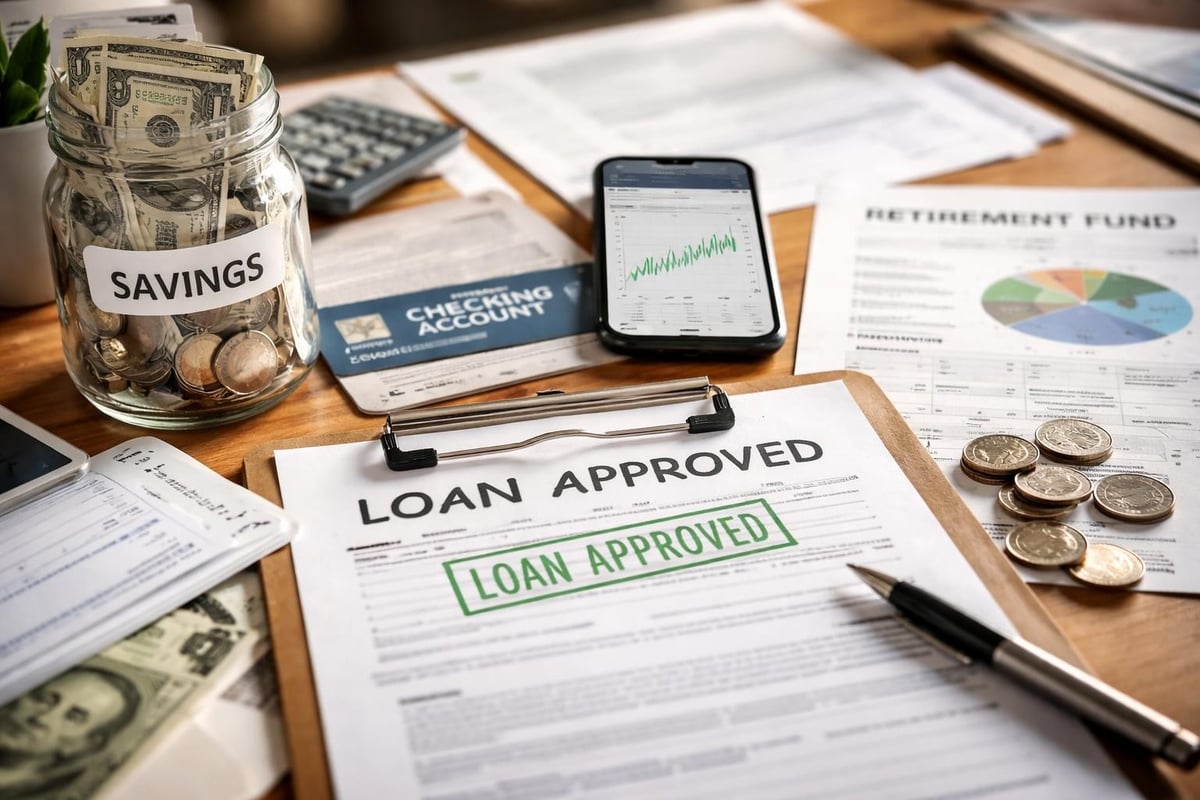
Understanding how banks decide personal loan eligibility reveals that substantial savings can compensate for other weaknesses in your application. A healthy emergency fund signals financial responsibility and reduces lender risk.
Reserve Fund Expectations
Many lenders prefer applicants who maintain reserves equal to three to six months of expenses. While not always a strict requirement for personal loans, significant savings improve your application strength and may unlock better interest rates.
Reserve funds serve multiple purposes in the underwriting process. They provide a safety net if income disruption occurs, demonstrate financial discipline, and indicate you won't immediately struggle with payments if minor emergencies arise.
Loan-Specific Eligibility Requirements
Different loan types carry unique qualification standards beyond general loan eligibility criteria. Understanding these distinctions helps you target appropriate products.
Secured vs. Unsecured Loans
Secured loans require collateral, which reduces lender risk and often results in more lenient eligibility requirements. Your vehicle, home equity, or other valuable assets can secure the loan, making approval possible even with credit challenges.
Unsecured personal loans rely entirely on your creditworthiness. Without collateral to seize if you default, lenders scrutinize credit scores, income, and DTI ratios more carefully. These loans typically demand stronger overall financial profiles.
Special Purpose Loan Criteria
Loans designated for specific purposes may have additional requirements:
- Home improvement loans: May require contractor estimates, property appraisals, or proof of homeownership
- Medical expense loans: Could need bills, treatment plans, or insurance documentation
- Educational loans: Often require enrollment verification, cost of attendance statements, or degree program details
- Debt consolidation loans: May need detailed listing of debts to be paid off
Purpose-specific documentation helps lenders verify that loan proceeds will be used as stated and that the amount requested aligns with actual needs.
Geographic and Regulatory Considerations
Location influences loan eligibility criteria through state regulations and regional economic factors. Lenders operating across Louisiana, Mississippi, Tennessee, and Georgia must navigate varying state requirements.
State-Specific Regulations
Some states impose additional consumer protections that affect lending criteria. These regulations may include interest rate caps, mandatory waiting periods, or enhanced disclosure requirements. For instance, California’s underwriting criteria demonstrates how state-level rules can add layers to the qualification process.
Regional factors affecting eligibility:
- State licensing requirements for lenders
- Local economic conditions and employment rates
- Property values and collateral assessment standards
- State-mandated borrower protections
Federal Guidelines and Programs
Federal programs like the USDA's loan initiatives establish specific eligibility frameworks. The USDA Single Family Housing Guaranteed Loan Program requirements illustrate how government-backed loans may have income limits, geographic restrictions, and unique qualification standards.
While these programs typically focus on mortgages, they demonstrate how various lending products carry distinct eligibility structures beyond basic creditworthiness assessments.
Common Application Mistakes to Avoid
Even qualified applicants sometimes face rejection due to preventable errors. Understanding common pitfalls helps you submit a stronger application.
Documentation Errors
Incomplete or inaccurate documentation tops the list of application problems. Missing pay stubs, outdated tax returns, or illegible bank statements delay processing and may lead to denial.
Documentation best practices:
- Gather all required documents before starting the application
- Ensure copies are clear and complete
- Update information if circumstances change during processing
- Respond promptly to requests for additional documentation
- Keep organized records of everything submitted
Applying for Inappropriate Loan Amounts
Requesting significantly more than you need or can afford raises red flags. Lenders prefer seeing reasonable loan amounts that align with your income, existing debts, and stated purpose.
Calculate exactly how much you need, including a small buffer for unexpected costs. Asking for $15,000 when you can document a $12,000 need appears more credible than requesting $25,000 without clear justification.

Alternative Pathways for Approval
When traditional loan eligibility criteria present challenges, alternative approaches may still secure financing.
Co-Signers and Co-Borrowers
Adding a co-signer with strong credit and stable income can dramatically improve approval odds. The co-signer agrees to repay the loan if you default, reducing lender risk. This arrangement benefits applicants with limited credit history, recent credit issues, or insufficient income.
Co-borrowers differ slightly by sharing equal responsibility for the loan from the start. Both parties' incomes combine for qualification purposes, potentially enabling larger loan amounts or better terms.
Secured Loan Options
If unsecured loan approval proves difficult, secured alternatives provide another path. Using collateral like a vehicle, savings account, or home equity reduces lender risk and may result in approval despite credit challenges.
Benefits of secured loans:
- Lower interest rates compared to unsecured options
- More flexible eligibility requirements
- Potentially higher borrowing limits
- Opportunity to rebuild credit through timely payments
The primary drawback involves risking the pledged asset if repayment becomes impossible. Carefully assess your ability to maintain payments before committing collateral.
Preparing for the Application Process
Successful applicants invest time preparing before submitting loan applications. Strategic preparation increases approval likelihood and may secure more favorable terms.
Credit Report Review
Obtain free credit reports from all three major bureaus and review them carefully for errors. Disputes can remove inaccurate negative items that unfairly lower your score. Even small score improvements can shift you into better rate tiers.
Address any discrepancies at least 60 days before applying, as corrections take time to process. This timeline ensures your cleaned-up credit profile appears when lenders pull your reports.
Financial Document Organization
Create a comprehensive file containing all potentially required documents. This preparation enables quick responses to lender requests and demonstrates organizational skills that inspire confidence.
Essential document checklist:
- Government-issued photo identification
- Social Security card or verification
- Recent pay stubs (last two months)
- Previous two years of W-2s or tax returns
- Bank statements (last three months)
- Proof of residence (utility bills, lease agreement)
- List of current debts and monthly payments
- Documentation of additional income sources
How Lenders Evaluate Overall Risk
Understanding the comprehensive risk assessment process provides insight into how loan eligibility criteria work together rather than as isolated factors.
Holistic Application Review
Modern underwriting examines the complete financial picture rather than relying on single metrics. A lower credit score might be offset by substantial assets and low DTI. Conversely, excellent credit may not overcome excessive debt or unstable employment.
Lenders assign different weights to various factors based on loan type, amount, and institutional risk tolerance. Some prioritize credit scores heavily, while others focus more on income stability and debt levels.
Compensating Factors
Strong elements in your application can compensate for weaker areas. Resources like guides on mortgage qualifications explain how exceptional performance in certain areas balances out deficiencies elsewhere.
Powerful compensating factors:
- Large down payment or significant equity
- Exceptionally low debt-to-income ratio
- Extensive cash reserves
- Long, stable employment history
- Strong payment history despite lower credit score
Working with Different Lender Types
Various lenders apply loan eligibility criteria differently based on their business models and risk appetites.
Traditional Banks vs. Specialized Lenders
Large national banks often maintain stricter, more rigid eligibility standards. Their automated underwriting systems may reject applications that specialized consumer lenders would approve through manual review.
Regional lenders and specialized consumer finance companies frequently offer more flexibility. They consider the context behind credit issues and may work with applicants who've experienced financial setbacks but demonstrate recovery.
The Value of Direct Lender Relationships
Building relationships with loan officers at local branches provides advantages over purely online applications. Personal interaction allows you to explain circumstances, ask questions about improving your application, and potentially receive guidance on strengthening weak areas before formal submission.
Branch-based lenders often maintain more discretion in evaluating borderline applications. A conversation can reveal compensating factors that automated systems might overlook.
Timeframes and Process Expectations
Understanding typical processing timeframes helps you plan appropriately and avoid unnecessary anxiety during the waiting period.
Application to Decision Timeline
Most personal loan applications receive initial decisions within 24 to 72 hours for straightforward cases. More complex situations requiring additional documentation or manual underwriting may take one to two weeks.
Typical processing stages:
- Application submission and initial review (same day)
- Credit report pull and automated scoring (24 hours)
- Income and employment verification (2-3 days)
- Manual underwriting if needed (3-5 days)
- Final approval and loan documentation (1-2 days)
- Funding after signing (1-3 days)
Expediting the process requires promptly responding to documentation requests and ensuring all submitted information is accurate and complete.
When to Follow Up
If you haven't received communication within the estimated timeframe, appropriate follow-up is reasonable. Contact the lender to confirm they received your application and inquire whether they need additional information.
Excessive contact may annoy processors, but reasonable check-ins demonstrate your serious interest and engagement with the process.
Meeting loan eligibility criteria requires understanding what lenders evaluate and preparing your financial profile accordingly. By addressing credit issues, documenting stable income, maintaining reasonable debt levels, and gathering comprehensive documentation, you position yourself for approval and favorable terms. Whether you're financing home improvements, covering medical expenses, or addressing educational costs, Standard Financial works with clients across Louisiana, Mississippi, Tennessee, and Georgia to find flexible financing solutions that match your unique circumstances, even if past credit challenges have made traditional lending difficult.




No comment yet, add your voice below!