

Securing financing for home improvements, medical expenses, education, or other personal needs requires navigating a structured approval system that many borrowers find overwhelming. Understanding each stage of this journey empowers you to prepare thoroughly, avoid common pitfalls, and increase your chances of approval. Whether you're a first-time borrower or refinancing existing debt, knowing what lenders expect and how to present your financial profile effectively makes the difference between frustration and success.
Understanding the Fundamentals of the Loan Application Process
The loan application process represents a systematic evaluation where lenders assess your creditworthiness, income stability, and ability to repay borrowed funds. This structured approach protects both parties by ensuring borrowers can manage their obligations while lenders minimize risk exposure.
Financial institutions follow standardized procedures established by regulatory bodies and industry best practices. Understanding loan origination helps borrowers recognize that this process isn't arbitrary but designed to create fair, consistent evaluations across all applicants.
Why Lenders Require Detailed Information
Every piece of documentation requested serves a specific purpose in building your financial profile. Lenders need comprehensive data to calculate debt-to-income ratios, verify employment stability, and assess overall financial health.
Key evaluation factors include:
- Current employment status and income consistency
- Outstanding debts and monthly payment obligations
- Credit history spanning several years
- Available assets and emergency reserves
- Housing stability and monthly expenses
The loan application process demands transparency because incomplete or inaccurate information delays approval or results in denial. Lenders must verify every claim to comply with regulations and protect their investment.

Preparing Your Documentation Package
Successful applicants arrive prepared with organized, complete documentation. Creating a comprehensive loan application packet streamlines the review process and demonstrates financial responsibility.
Essential Documents for Personal Loans
Your documentation package should include recent pay stubs covering at least 30 days, ideally spanning two complete pay periods. W-2 forms from the past two years establish income consistency and tax compliance.
| Document Type | Timeframe Required | Purpose |
|---|---|---|
| Pay Stubs | Most recent 30 days | Verify current income |
| W-2 Forms | Previous 2 years | Confirm income history |
| Tax Returns | Previous 2 years | Validate total earnings |
| Bank Statements | Previous 2-3 months | Show financial stability |
| Photo ID | Current, valid | Identity verification |
Self-employed borrowers face additional requirements. You'll need complete tax returns including all schedules, profit and loss statements for the current year, and potentially business bank statements demonstrating cash flow stability.
Organizing Financial Records
Gather bank statements from all checking and savings accounts covering the past two to three months. These documents reveal spending patterns, savings habits, and available reserves for emergencies.
Investment account statements, retirement account summaries, and documentation of other assets strengthen your application. Even if you don't plan to liquidate these assets, they demonstrate financial stability and backup resources.
Additional beneficial documents:
- Proof of additional income (rental properties, investments, side businesses)
- Documentation of child support or alimony received
- Letters explaining any credit issues or employment gaps
- Recent utility bills confirming residence
Completing the Application Form
Application forms collect standardized information that feeds directly into underwriting systems. Accuracy matters enormously because discrepancies between your application and supporting documents trigger additional scrutiny or denial.
Personal Information Section
This section captures basic identification data including full legal name, Social Security number, date of birth, and current address. If you've lived at your current address less than two years, provide previous addresses to establish residential stability.
Contact information should include both primary and alternate phone numbers plus a reliable email address. Understanding what information borrowers must provide helps you anticipate questions and prepare appropriate responses.
Employment and Income Details
List your current employer, position title, start date, and supervisor contact information. The loan application process requires lenders to verify employment directly, so accurate contact details prevent delays.
Report gross monthly income before taxes and deductions. Include all regular income sources such as bonuses, commissions, overtime, or secondary employment if you want lenders to consider them during evaluation.
Income documentation requirements vary by source:
- Salaried employees provide pay stubs and W-2 forms
- Hourly workers show consistent hours through multiple pay periods
- Commission-based earners demonstrate average earnings over time
- Self-employed individuals supply tax returns and business financials
- Retirees submit pension statements or Social Security benefit letters
Financial Obligations
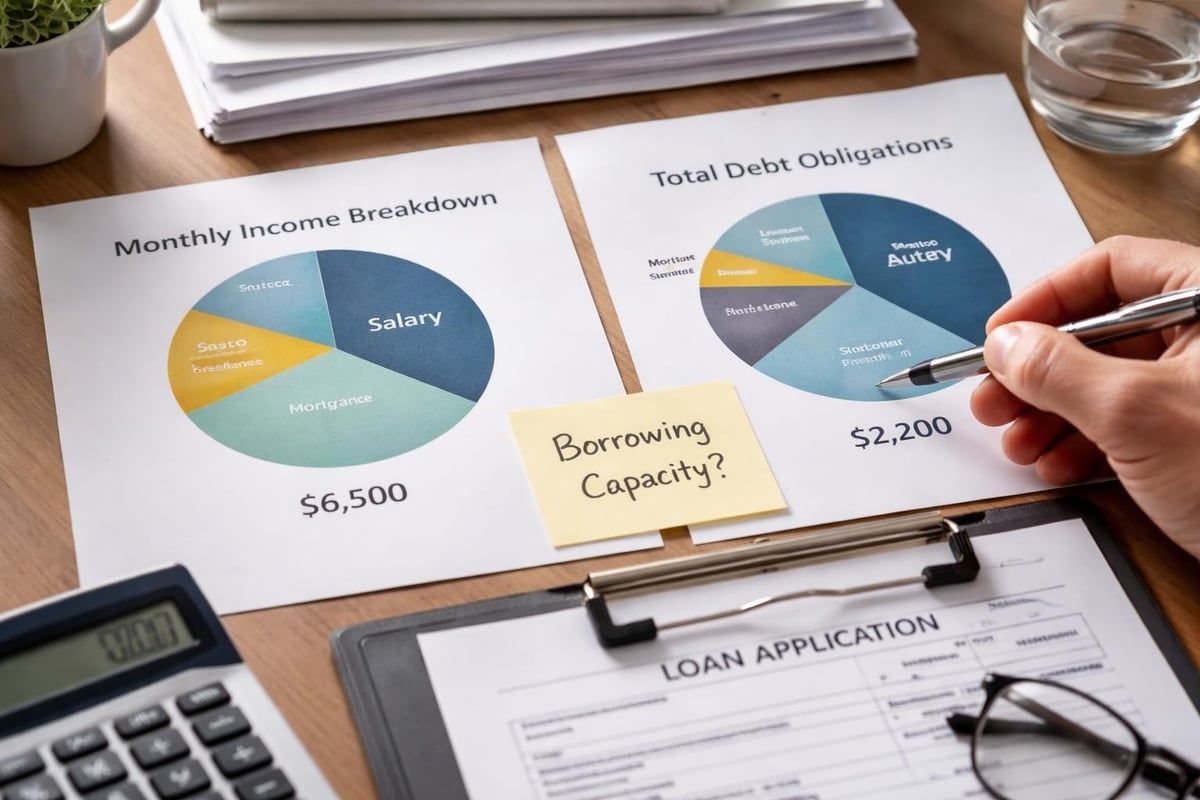
Complete disclosure of existing debts allows lenders to calculate your debt-to-income ratio accurately. List all credit cards with their current balances and minimum payments, even if you pay them off monthly.
Include auto loans, student loans, other personal loans, child support, alimony, and any other recurring financial obligations. Mortgage or rent payments represent your largest monthly expense and weigh heavily in affordability calculations.
The Review and Underwriting Stage
After submission, loan officers review your application for completeness and initial eligibility. This preliminary assessment identifies missing information or obvious concerns before advancing to formal underwriting.
Initial Application Review
Processors verify that all required fields contain information and supporting documents match application claims. They contact employers to confirm current employment status and may request additional documentation for clarification.
This stage typically takes 24 to 72 hours for personal loans. Quick response to any information requests keeps your application moving forward without unnecessary delays.
Comprehensive Underwriting Analysis
Underwriters conduct deep analysis of your complete financial picture. They review credit reports for payment history, outstanding collections, recent inquiries, and overall credit management patterns across all accounts.
| Underwriting Factor | What Gets Evaluated | Impact on Approval |
|---|---|---|
| Credit Score | Payment history, credit utilization | High – determines rate and terms |
| Debt-to-Income Ratio | Monthly debts vs. gross income | High – affects loan amount |
| Employment Stability | Job tenure, income consistency | Medium – verifies repayment ability |
| Asset Reserves | Savings, investments | Medium – shows financial cushion |
| Credit Inquiries | Recent applications | Low – indicates credit shopping |
Income verification involves calculating monthly gross income and comparing it against total monthly debt obligations. Most lenders prefer debt-to-income ratios below 43%, though some programs accommodate higher ratios with compensating factors.
Responding to Conditional Approval
Many applications receive conditional approval, meaning you'll receive final approval after satisfying specific requirements. Common conditions include updated pay stubs, letters of explanation for credit events, or verification of large deposits in bank accounts.
Responding promptly to lender requests maintains momentum through the loan application process. Delays in providing requested information extend timelines and may result in expired approvals requiring restart.
Credit Evaluation and Its Impact
Your credit report tells lenders how you've managed past financial obligations. Understanding how credit evaluation works within the loan application process helps you anticipate questions and prepare explanations for any concerns.
Credit Score Requirements
Different loan products carry varying credit score requirements. Personal loans for home improvements or medical expenses may accept lower scores than mortgage financing, especially when applicants demonstrate strong compensating factors.
Credit score ranges and typical outcomes:
- 720+: Best rates and terms available
- 660-719: Competitive rates with standard terms
- 620-659: Higher rates, possible additional requirements
- 580-619: Specialized programs, significant rate adjustments
- Below 580: Limited options, substantial down payments or collateral
Past credit challenges don't automatically disqualify you from approval. Lenders evaluate the overall trajectory of your credit management, looking for improvement patterns and responsible recent behavior.
Addressing Credit Report Issues
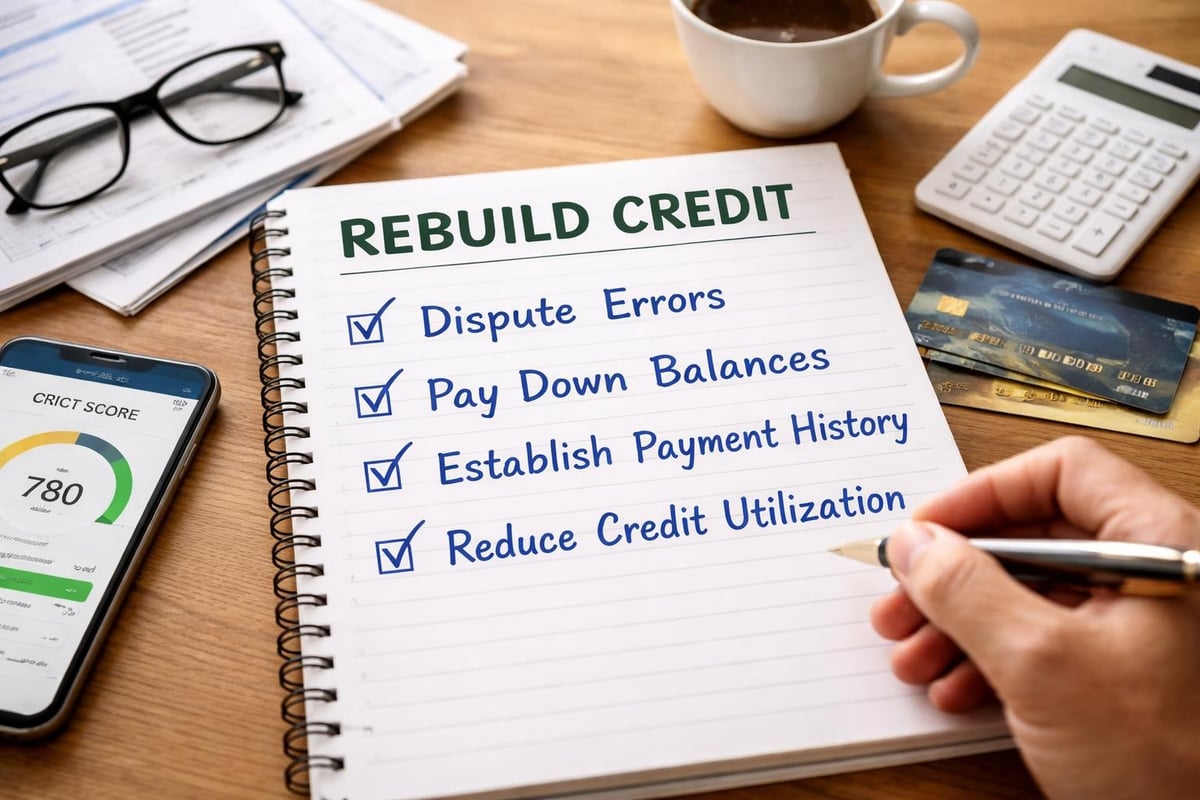
Review your credit report before applying so you can address errors or prepare explanations for legitimate negative items. Disputing inaccurate information through credit bureaus can improve your score before lenders pull reports.
Write brief, factual letters explaining circumstances behind late payments, collections, or other derogatory marks. Medical emergencies, job loss, divorce, or other significant life events provide context that underwriters consider during evaluation.
Timeline Expectations for Different Loan Types
The loan application process duration varies based on loan type, complexity, and lender efficiency. Personal loans typically process faster than mortgages due to lower dollar amounts and simpler verification requirements.
Standard Personal Loan Timeline
Day 1-2: Application submission and initial review
Submit your complete application with all supporting documentation. Processors verify completeness and request any missing items immediately.
Day 3-5: Employment and income verification
Lenders contact employers and verify income sources. They review bank statements and confirm all financial information matches application claims.
Day 6-8: Credit analysis and underwriting
Underwriters evaluate your complete financial profile, calculate debt-to-income ratios, and assess overall risk. They may request additional documentation or explanations.
Day 9-10: Conditional approval or final decision
Most applications receive conditional approval with specific requirements. Satisfying these conditions quickly leads to final approval and loan documentation preparation.
Day 11-14: Final approval and funding
After meeting all conditions, final approval triggers loan documentation preparation. Electronic signatures accelerate this process, with funds typically disbursing within 24-48 hours of signed documents.
Factors That Extend Processing Time
Complex income situations such as self-employment or multiple income sources require additional verification time. Incomplete documentation packages delay processing while you gather missing items.
Credit report issues necessitating explanation letters add days to the timeline. Properties requiring appraisals or title work extend timelines significantly, though most personal loans don't involve real estate evaluation.
Common Application Mistakes to Avoid
Small errors derail applications or delay approval unnecessarily. Understanding common pitfalls helps you navigate the loan application process smoothly.
Documentation Errors
Submitting outdated documents wastes everyone's time and delays processing. Ensure all documents fall within required timeframes before submission.
Illegible copies create verification challenges. Scan or photograph documents in good lighting with clear, readable text throughout all pages.
Information Inconsistencies
Discrepancies between your application and supporting documents raise red flags. If your application states one employer but pay stubs show another, underwriters question accuracy throughout your application.
Round numbers on applications often indicate estimates rather than actual figures. Provide precise income, debt, and asset amounts matching your documentation exactly.
Omitting Debts or Income
Hiding debts hoping lenders won't discover them guarantees problems. Credit reports reveal all outstanding obligations, and omissions suggest dishonesty affecting your entire application credibility.
Similarly, failing to report additional income sources limits your borrowing capacity. Include all verifiable income to maximize approval amounts and secure better terms.
Verification checklist before submission:
- All employer information matches pay stubs exactly
- Income figures reflect actual gross amounts
- All debts appear with correct balances and payments
- Contact information provides reliable communication channels
- Addresses cover required timeframes with no gaps
- Asset values represent current, accurate amounts
Working with Lenders Through the Process
Effective communication with your lender accelerates approval and prevents misunderstandings. Building a collaborative relationship benefits both parties throughout the loan application process.
Choosing the Right Lender
Research lenders serving your geographic area with experience in your specific loan purpose. Local lenders with branch offices understand regional economic conditions and may offer more personalized service than distant institutions.
Consider lenders specializing in your situation. If you have past credit challenges, seek lenders experienced with credit rebuilding who evaluate applications based on recent payment patterns rather than solely historical scores.
Maintaining Open Communication
Respond to lender inquiries within 24 hours whenever possible. Quick communication demonstrates reliability and keeps your application progressing through evaluation stages without unnecessary delays.
Ask questions when you don't understand requests or requirements. Lenders prefer answering questions upfront rather than correcting mistakes later that could have been avoided with simple clarification.
Understanding Approval Decisions
If your application receives denial, request detailed explanation of the decision factors. Federal law requires lenders to provide specific reasons, helping you understand what improvements would support future approval.
Approval with adjusted terms might offer lower amounts or higher rates than initially requested. Evaluate whether these terms meet your needs or if waiting to improve your financial profile makes more sense.
Special Considerations for Unique Situations
Not every borrower fits standard profiles, and the loan application process accommodates various circumstances with appropriate documentation and explanation.
Self-Employment Income Verification
Business owners and independent contractors face enhanced scrutiny because income fluctuates. Provide two years of complete tax returns including all schedules showing business income and expenses.
Year-to-date profit and loss statements bridge the gap between last year's tax return and current earnings. Business bank statements may supplement documentation demonstrating consistent cash flow throughout the year.
Recent Employment Changes
Changing jobs doesn't automatically disqualify you, especially when the new position offers higher pay or represents career advancement within the same field. Provide offer letters and first pay stubs showing the transition.
Employment gaps require explanation. Illness, family caregiving, returning to school, or other legitimate reasons receive consideration when you've since established stable employment demonstrating current repayment capacity.
Co-Applicants and Co-Signers
Adding a co-applicant with strong credit and income can overcome individual weaknesses. Both parties complete full applications and undergo complete credit and income evaluation.
Co-signers accept responsibility for repayment if you default but typically don't receive loan proceeds. This arrangement benefits borrowers with limited credit history or income but requires finding someone willing to accept significant financial risk on your behalf.
| Applicant Type | Application Requirement | Credit Impact | Repayment Responsibility |
|---|---|---|---|
| Primary Borrower | Complete application | Full credit pull | Primary obligation |
| Co-Applicant | Complete application | Full credit pull | Equal responsibility |
| Co-Signer | Complete application | Full credit pull | Backup responsibility |
Maximizing Your Approval Chances
Strategic preparation significantly improves approval likelihood and secures better terms. Small improvements to your financial profile before applying yield substantial benefits.
Timing Your Application
Apply when your financial situation appears strongest. If you recently changed jobs, waiting for three months of pay stubs demonstrates income stability and strengthens your application.
Avoid applying during periods of high credit utilization or immediately after missing payments. Even one month of improved credit behavior can boost scores and improve approval chances.
Improving Debt-to-Income Ratios
Paying down credit card balances before applying immediately improves your debt-to-income ratio and credit utilization. Even reducing balances by 20-30% can shift you into better approval tiers.
Consider postponing large purchases requiring financing until after loan approval. Each new debt obligation reduces available borrowing capacity and may disqualify previously approved amounts.
Building Credit Before Applying
If your credit needs improvement, spend several months establishing positive payment patterns before applying. Pay all bills on time, keep credit card balances below 30% of limits, and avoid opening multiple new accounts.
Becoming an authorized user on someone else's well-managed credit card can boost your score quickly. Their positive payment history appears on your credit report, though some lenders discount this factor during manual underwriting.
Six-month credit improvement plan:
- Pull credit reports and dispute any errors immediately
- Pay down revolving balances to below 30% utilization
- Set up automatic payments to ensure on-time payment history
- Avoid applying for new credit during the improvement period
- Keep old accounts open to maintain credit history length
- Monitor progress monthly and adjust strategies as needed
Successfully navigating the loan application process requires preparation, accuracy, and persistence, but understanding each stage removes much of the uncertainty borrowers face. Whether you're financing home improvements, covering medical expenses, or consolidating existing debts, Standard Financial brings decades of consumer lending expertise to help clients across Louisiana, Mississippi, Tennessee, and Georgia achieve their financial goals. Our experienced team evaluates each application individually, considering your complete financial picture and working with you to find flexible financing solutions that fit your unique situation, even if past credit challenges have limited your options elsewhere.



No comment yet, add your voice below!