

Understanding whether does applying for a loan hurt credit is essential for anyone considering financing options, whether for home improvements, medical expenses, education, or other personal needs. The short answer is yes, but the impact is typically temporary and manageable when you understand how the credit inquiry process works. For consumers across Louisiana, Mississippi, Tennessee, and Georgia seeking financing solutions, knowing how to navigate loan applications while protecting your credit score can make a significant difference in your financial journey. The key lies in understanding the types of credit checks, timing your applications strategically, and recognizing that not all credit inquiries are created equal.
Understanding Credit Inquiries and Their Impact
When you submit a loan application, lenders need to assess your creditworthiness by reviewing your credit history. This process creates what credit reporting agencies call a credit inquiry, and there are two distinct types that affect your credit score differently.
Hard Inquiries vs. Soft Inquiries
Hard inquiries occur when a financial institution reviews your credit report to make a lending decision. These inquiries happen when you formally apply for a loan, credit card, or mortgage. Hard inquiries can temporarily lower your credit score by a few points, typically between three to five points, and remain on your credit report for two years. However, their impact on your score diminishes significantly after the first year.
Soft inquiries take place when you check your own credit, when potential employers conduct background checks, or when lenders pre-qualify you for offers. These inquiries do not affect your credit score at all and are only visible to you on your credit report.
The distinction matters significantly when exploring financing options. Checking rates through pre-qualification processes typically involves soft inquiries, allowing you to shop around without impacting your credit score.

How Much Does a Hard Inquiry Actually Matter?
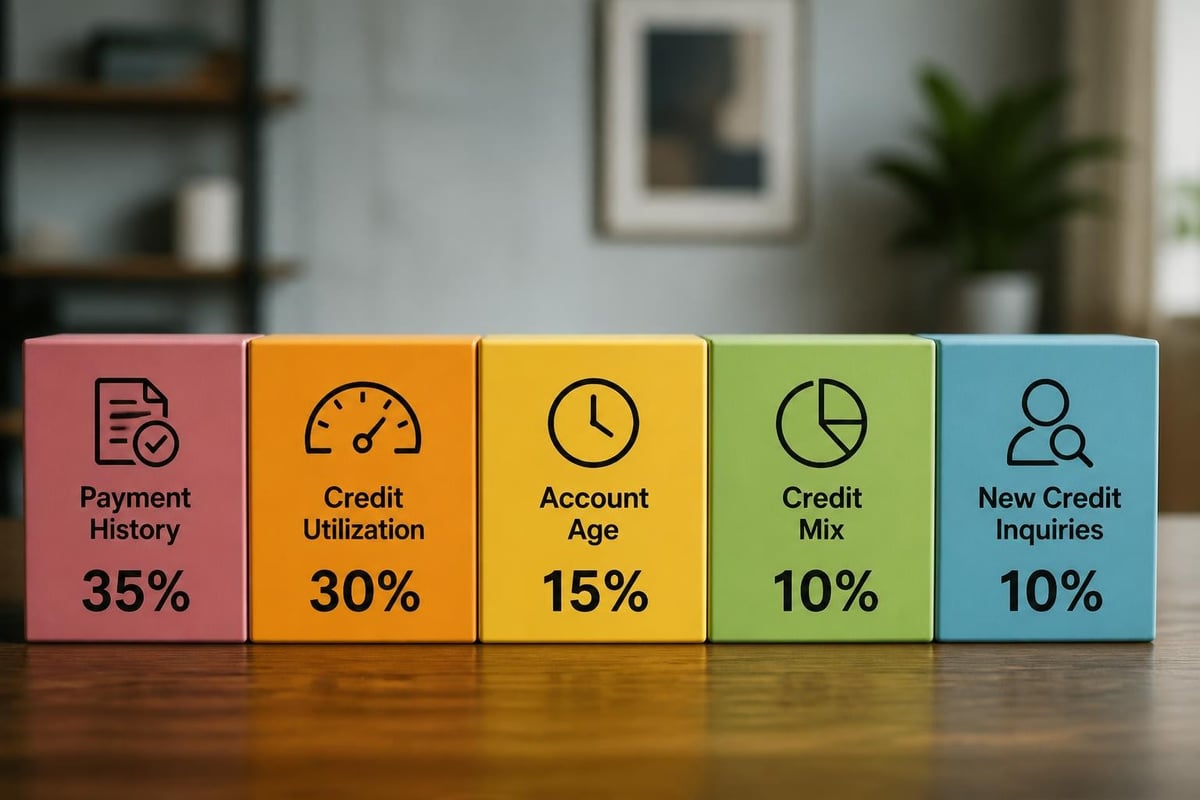
According to what constitutes a good credit score, new credit inquiries account for approximately 10% of your FICO score calculation. While this percentage seems significant, the actual point reduction from a single hard inquiry is minimal for most consumers.
Consider these facts about hard inquiries:
- Most people see a drop of fewer than five points per inquiry
- Consumers with strong credit histories typically experience smaller impacts
- The effect diminishes over time, with most impact occurring in the first few months
- Multiple inquiries for the same type of loan within a specific timeframe count as one inquiry
For someone with a credit score of 720, a single hard inquiry might temporarily reduce the score to 715 or 717. This small decrease rarely affects your ability to qualify for competitive interest rates, especially when you're already in a good or excellent credit range.
The Rate Shopping Window Strategy
One of the most important protections built into credit scoring models specifically addresses the question: does applying for a loan hurt credit when you're comparison shopping? Credit bureaus recognize that responsible consumers should compare rates before committing to a loan.
How the Shopping Window Works
Credit scoring models include a rate shopping window that treats multiple inquiries for the same loan type as a single inquiry. This window typically ranges from 14 to 45 days, depending on the scoring model version used.
Here's how to maximize this protection:
- Research lenders before applying to narrow your list to serious contenders
- Submit all applications within a concentrated timeframe (ideally 14 days)
- Focus on one loan type at a time rather than applying for multiple credit products simultaneously
- Document your application dates to ensure you stay within the window
During this period, you can apply to multiple lenders offering personal loans, auto loans, or mortgages without additional damage to your credit score beyond the initial inquiry.
| Loan Type | Typical Shopping Window | Best Practices |
|---|---|---|
| Personal Loans | 14-45 days | Apply to 3-5 lenders within 2 weeks |
| Auto Loans | 14-45 days | Complete shopping before visiting dealerships |
| Mortgages | 14-45 days | Get pre-approved from multiple lenders simultaneously |
| Student Loans | 30 days | Research federal options before private lenders |
What Breaks the Shopping Window Protection
Understanding when multiple applications count separately helps you avoid unnecessary credit score damage. Applications for different loan types, such as applying for both a personal loan and a credit card, will create separate inquiries regardless of timing.
Additionally, spacing applications too far apart eliminates the shopping window protection. If you apply for a personal loan in January and another in March, both inquiries will affect your score independently. The scoring models cannot distinguish between rate shopping and seeking multiple new credit accounts.
Long-Term Effects vs. Short-Term Impact
While the immediate question of does applying for a loan hurt credit focuses on hard inquiries, the long-term credit implications extend far beyond the initial application process.
Building Credit Through Responsible Loan Management
Successfully managing a new loan can significantly improve your credit score over time, offsetting the temporary inquiry impact. Payment history represents 35% of your FICO score, making it the single most influential factor.
Positive impacts from responsible loan management include:
- Establishing consistent on-time payment history
- Diversifying your credit mix (accounts for 10% of your score)
- Demonstrating ability to handle installment debt
- Building long-term credit relationships
A consumer who experiences a five-point decrease from a hard inquiry but makes 24 consecutive on-time monthly payments will see substantial net positive growth in their credit score. The inquiry's impact fades while the positive payment history continues building credit strength.

When New Credit Becomes Problematic
Opening multiple new credit accounts within a short period raises red flags for lenders, even within shopping windows. This behavior suggests financial stress or overextension. As explained in resources about how multiple loan applications affect your credit, lenders view consumers seeking various types of credit simultaneously as higher risk.
The "new credit" component of your credit score considers both the number of recent inquiries and newly opened accounts. Even if inquiries fall within shopping windows, opening numerous accounts signals potential financial instability.
Special Considerations for Different Credit Profiles
The answer to does applying for a loan hurt credit varies significantly based on your current credit situation. Consumers with different credit profiles experience different impacts from the same inquiry.
For Consumers with Limited Credit History
Individuals with thin credit files or short credit histories may see larger percentage changes from hard inquiries. A five-point decrease matters more when you have a 650 score than when you have a 780 score. However, establishing new credit through responsible loan management often outweighs the temporary inquiry impact for these consumers.
Benefits for building credit through loans:
- Creates payment history where little existed before
- Demonstrates creditworthiness to future lenders
- Establishes relationship with financial institutions
- Provides opportunity to prove responsible debt management
For Consumers Rebuilding Credit
Those working to improve their credit scores after past challenges need to approach new applications strategically. While hard inquiries do affect scores, the right financing can accelerate credit recovery when managed properly.
Strategies for credit rebuilding include:
- Limit applications to loans you genuinely need and can afford
- Use pre-qualification tools to assess approval likelihood before formal applications
- Focus on lenders experienced with non-prime borrowers
- Prioritize payment consistency over acquiring multiple new accounts
Many lenders, particularly those specializing in consumer lending across the Southeast, offer programs designed for clients with past credit issues. These institutions understand that previous financial difficulties don't define future creditworthiness.
Minimizing Credit Score Damage When Applying
Smart consumers can take several steps to protect their credit scores while seeking necessary financing. Understanding these strategies helps answer the practical question of does applying for a loan hurt credit in ways you can control.
Pre-Qualification and Rate Comparisons
Most modern lenders offer pre-qualification processes that use soft inquiries. This allows you to check rates, potential loan amounts, and terms without any credit score impact. Taking advantage of these tools before submitting formal applications provides valuable information for decision-making.
The pre-qualification process typically requires:
- Basic personal information (name, address, income)
- Social Security number for soft credit check
- Employment details
- Estimated loan amount needed
Within minutes, you receive an indication of rates and terms you might qualify for, helping you narrow your options before triggering hard inquiries.
Timing Your Applications Strategically
Beyond the rate shopping window, consider the broader timing of your loan applications. Applying for new credit immediately before other major financial moves, such as applying for a mortgage, can complicate your credit profile.
| Scenario | Recommended Timing | Reason |
|---|---|---|
| Planning to buy a home within 6 months | Delay non-essential loan applications | Mortgage lenders prefer stable credit profiles |
| Need financing for medical expenses | Apply when needed | Healthcare financing shouldn't wait; impact is minimal |
| Considering home improvements | Time with project planning | Align applications with actual financing needs |
| Planning major purchase in 12+ months | Apply when needed | Inquiry impact fades significantly by then |
Understanding Your Credit Score Before Applying
Knowing your current credit score helps set realistic expectations about approval odds and potential inquiry impacts. Consumers can access free credit reports annually from each major bureau and monitor scores through various free services.
According to resources on strategies to boost your credit score, understanding your starting point allows you to address potential issues before applying. Correcting errors, paying down high balances, and resolving outstanding collections can improve approval chances and reduce the relative impact of new inquiries.
The Reality of Modern Credit Scoring
Credit scoring models continue evolving to reflect responsible consumer behavior more accurately. Recent changes demonstrate that the question of does applying for a loan hurt credit becomes less concerning as models improve.
Recent Changes in Credit Reporting
The credit industry has made several consumer-friendly changes in recent years. Medical debt reporting has been modified to exclude paid medical collections and those under $500. Tax liens and civil judgments no longer appear on most credit reports. These changes reflect a more nuanced understanding of consumer creditworthiness.
Additionally, as noted in reports about how Buy Now, Pay Later services will affect credit scores, credit bureaus are adapting to new lending models. The industry recognizes that modern consumers use various financing tools, and scoring models are becoming more sophisticated in evaluating credit behavior.
Alternative Credit Data
Some lenders now incorporate alternative data beyond traditional credit reports. Rent payments, utility bills, and bank account history can supplement traditional credit scores. This trend particularly benefits consumers with limited traditional credit history or those rebuilding credit after past challenges.
Understanding how credit scores are evolving to improve access helps consumers recognize that responsible financial behavior matters more than avoiding all credit inquiries. The credit system increasingly rewards positive actions rather than solely penalizing negative ones.
Making Informed Decisions About Loan Applications
The complete answer to does applying for a loan hurt credit acknowledges both the temporary score reduction and the broader context of your financial goals. A small, short-term decrease in your credit score shouldn't prevent you from obtaining necessary financing for legitimate needs.
When to Move Forward with Applications
Apply for loans when you have genuine financial needs that the loan addresses. Whether financing home improvements to increase property value, covering medical expenses that cannot wait, or funding educational opportunities that enhance earning potential, these represent valid reasons to accept minor temporary credit score impacts.
Valid reasons to accept inquiry impacts:
- Emergency expenses without adequate savings coverage
- Debt consolidation offering lower overall interest rates
- Home improvements that prevent further property damage
- Medical procedures affecting health or quality of life
- Educational investments with clear career benefits
When to Pause and Reconsider
Delay applications if you're applying for wants rather than needs, already carrying high debt balances, uncertain about repayment ability, or planning other major credit applications soon. Taking time to improve your credit profile before applying can result in better terms and rates that save thousands over the loan's lifetime.
Consider whether the financing truly serves your long-term financial interests. A slightly lower credit score matters less than taking on debt you cannot comfortably repay or paying higher interest rates due to hasty decisions.
Working with Consumer Lending Specialists
Choosing the right lending partner significantly impacts both the application experience and the long-term value of your financing. Experienced consumer lenders understand regional economic conditions, work with various credit profiles, and structure loans to support successful repayment.
What to Look for in a Lender
Quality consumer lenders offer transparent terms, clear communication about credit requirements, flexible options for various financial situations, and local knowledge about regional economic factors. They also provide education about how loan applications affect credit and work to minimize unnecessary inquiries.
Regional lenders with multiple branch locations often provide personalized service that national online lenders cannot match. Face-to-face conversations with lending professionals who understand local employment patterns, housing markets, and economic conditions lead to better financing solutions.
Questions to Ask Before Applying
Before submitting formal applications, gather essential information:
- Does your pre-qualification process use soft or hard inquiries?
- What credit score ranges do you typically work with?
- What documentation do you need for the application?
- How long does the approval process typically take?
- What are the complete terms, including all fees and rates?
These questions help you prepare properly and avoid multiple applications due to incomplete documentation or unrealistic expectations about approval.
The Value of Established Lending Relationships
Building relationships with reputable lenders creates advantages for future financing needs. Lenders who have successfully worked with you previously may offer streamlined applications, preferential rates, or more flexible terms for subsequent loans. This relationship value extends beyond any single transaction or temporary credit inquiry impact.
Practical Steps for Protecting Your Credit
Taking a strategic approach to loan applications protects your credit score while ensuring you can access necessary financing when you need it. These practical steps balance credit protection with financial reality.
Before applying:
- Check your credit report for errors and dispute any inaccuracies
- Calculate how much you can realistically afford to borrow
- Research lenders offering products matching your needs
- Use pre-qualification tools to narrow your options
- Gather all required documentation before starting applications
During the application process:
- Submit all applications within the rate shopping window
- Provide complete, accurate information to avoid delays
- Respond promptly to lender requests for additional documentation
- Ask questions about anything unclear in the terms
- Keep records of all applications and their dates
After approval:
- Set up automatic payments to ensure on-time payment history
- Monitor your credit score to track recovery from the inquiry
- Build an emergency fund to avoid future urgent borrowing
- Consider how this loan affects your overall debt-to-income ratio
- Plan for any future credit needs with adequate preparation time
Understanding how loan applications affect your credit score empowers you to make confident financial decisions without fear of minor temporary impacts. The temporary decrease from hard inquiries pales in comparison to the long-term benefits of responsible loan management and accessing financing when you genuinely need it. If you're considering a personal loan for home improvements, medical expenses, education, or other important needs across Louisiana, Mississippi, Tennessee, or Georgia, Standard Financial offers flexible financing solutions designed for various credit profiles, including those working to rebuild their credit, with personalized service at multiple branch locations throughout the Southeast.







No comment yet, add your voice below!