

Financial emergencies don't wait for payday. Whether it's an unexpected medical bill, urgent home repair, or temporary cash shortfall, short-term loans provide quick access to funds when you need them most. These lending products are designed to bridge financial gaps with faster approval processes and shorter repayment periods than traditional loans. However, understanding the mechanics, costs, and alternatives of short-term borrowing is essential before committing to any financial obligation. This comprehensive guide explores everything you need to know about short-term loans in 2026, from basic definitions to strategic borrowing practices.
What Are Short-Term Loans
Short-term loans are financial products designed to provide quick funding for immediate needs, typically with repayment terms ranging from a few weeks to 18 months. Unlike traditional installment loans that may extend for several years, these loans focus on addressing urgent financial situations with expedited approval and funding processes.
The Consumer Financial Protection Bureau defines payday loans as one common type of short-term borrowing, highlighting their typical characteristics including small dollar amounts and brief repayment windows. These loans serve different purposes than long-term financing options and come with distinct terms and conditions.
Key Characteristics
Short-term loans share several defining features that distinguish them from conventional lending products:
- Rapid approval processes often completed within 24-48 hours
- Smaller loan amounts typically ranging from $100 to $5,000
- Brief repayment schedules spanning weeks to months rather than years
- Minimal documentation requirements compared to traditional loans
- Higher interest rates reflecting the compressed timeframe and risk profile
The condensed nature of these loans means lenders assume greater risk, which directly impacts pricing and terms. Borrowers must carefully evaluate whether the convenience justifies the cost structure associated with accelerated funding.

Types of Short-Term Loans Available
The short-term lending market encompasses various products, each designed for specific situations and borrower profiles. Understanding these distinctions helps consumers select the most appropriate option for their circumstances.
Payday Loans
Payday loans represent the most recognized category of short-term borrowing. These loans typically provide amounts between $100 and $1,000, with repayment due on the borrower's next payday. Lenders generally require proof of income and an active bank account.
The Federal Trade Commission warns about payday and car title loan risks, emphasizing the importance of understanding fees and alternative options before committing to these products.
| Loan Type | Typical Amount | Repayment Period | Primary Use Case |
|---|---|---|---|
| Payday Loan | $100-$1,000 | 2-4 weeks | Emergency expenses |
| Installment Loan | $500-$5,000 | 3-18 months | Larger urgent needs |
| Line of Credit | $500-$10,000 | Revolving | Ongoing flexibility |
| Cash Advance | $50-$1,000 | 1-2 weeks | Immediate cash needs |
Personal Installment Loans
Personal installment loans offer more flexibility than traditional payday products. Borrowers receive funds upfront and repay through scheduled payments over several months. This structure provides predictability and often comes with more favorable terms than single-payment options.
These loans work well for home improvements, medical expenses, or education costs where the need is immediate but the repayment can be spread over time. The installment structure allows borrowers to budget effectively while addressing urgent financial needs.
Lines of Credit
Personal lines of credit function similarly to credit cards, providing access to funds up to a predetermined limit. Borrowers can draw amounts as needed and only pay interest on the outstanding balance. This flexibility makes lines of credit ideal for managing variable expenses or maintaining emergency funds.
Merchant Cash Advances
Business owners may encounter merchant cash advances, where lenders provide upfront capital in exchange for a percentage of future sales. While primarily a business tool, understanding this option helps consumers distinguish between personal and commercial short-term products.
How Short-Term Loans Work
The application and funding process for short-term loans differs significantly from traditional lending experiences. Speed and accessibility define these transactions, but borrowers must understand the mechanics to make informed decisions.
Application Process
Most short-term lenders have streamlined their application procedures to minimize barriers and accelerate approvals. The typical process includes:
- Initial inquiry through online portals, phone calls, or branch visits
- Document submission including identification, income verification, and bank information
- Credit evaluation which may involve soft or hard credit checks depending on the lender
- Loan offer review outlining amounts, terms, fees, and repayment schedules
- Acceptance and funding often completed within one business day
Standard Financial operates multiple branch offices across Louisiana, Mississippi, Tennessee, and Georgia, allowing borrowers to complete applications in person or online depending on their preferences and comfort level with digital transactions.
Approval Criteria
Short-term lenders typically focus on different factors than traditional banks when evaluating applications:
- Current income rather than extensive credit history
- Employment stability demonstrating ability to repay
- Bank account activity showing regular deposits and financial management
- Existing debt obligations affecting repayment capacity
- State residency as regulations vary by jurisdiction
Many short-term lenders work with borrowers who have past credit issues, recognizing that previous challenges don't necessarily predict future performance. This accessibility makes short-term loans valuable for consumers rebuilding their financial standing.

Costs and Considerations
Understanding the true cost of short-term loans requires examining multiple factors beyond the principal amount. Interest rates, fees, and repayment structures combine to determine the total borrowing expense.
Interest Rates and APR
Short-term loans carry higher annual percentage rates (APR) than traditional lending products due to their compressed timeframes and risk profiles. A $500 loan with a $75 fee repaid in two weeks translates to an APR exceeding 300%, though the actual dollar cost remains $75.
The Kiplinger guide to credit and loans offers practical advice on evaluating borrowing costs and comparing options before committing to any financial product.
Fee Structures
Beyond interest charges, short-term loans may include various fees that impact total costs:
- Origination fees covering application processing and underwriting
- Late payment penalties assessed when scheduled payments are missed
- NSF charges if automatic withdrawals fail due to insufficient funds
- Prepayment fees though many short-term lenders allow early payoff without penalty
- Renewal or rollover fees if extending the loan term becomes necessary
Transparent lenders clearly disclose all fees before loan acceptance, allowing borrowers to calculate total costs accurately. Always request a complete fee schedule and read all documentation thoroughly.
Regulatory Framework
State regulations significantly impact short-term lending practices, creating variation in available products and terms across different jurisdictions. Some states impose interest rate caps, while others restrict loan amounts or repayment periods.
The regulatory landscape continues evolving as policymakers balance consumer protection with access to credit. Understanding local regulations helps borrowers recognize when lenders operate outside legal boundaries or when terms seem unusually favorable or restrictive.
Benefits of Short-Term Loans
Despite legitimate concerns about costs, short-term loans provide genuine value in specific circumstances. Recognizing these benefits helps consumers determine when short-term borrowing represents a practical solution.
Speed and Accessibility
Traditional loan applications can take weeks to complete, making them impractical for emergencies. Short-term loans address this gap by providing:
Quick decisions that allow immediate financial planning rather than extended uncertainty. Most lenders provide preliminary approval within hours and funding within one to two business days.
Minimal barriers for applicants with less-than-perfect credit histories. While traditional banks may reject applications based on past issues, short-term lenders often focus on current income and ability to repay.
Convenient access through online platforms, mobile applications, and physical branches. This flexibility accommodates different technological comfort levels and geographic constraints.
Financial Flexibility
Short-term loans create breathing room during cash flow challenges. Rather than defaulting on essential obligations like rent, utilities, or insurance premiums, borrowers can maintain their financial commitments while navigating temporary shortfalls.
The brief repayment period means debt doesn't accumulate over extended timeframes. Borrowers resolve their obligations quickly and return to normal financial operations without long-term payment schedules.
Credit Building Opportunities
Responsible use of short-term loans can contribute to credit score improvement. Timely repayment demonstrates financial reliability and adds positive payment history to credit reports. For individuals rebuilding credit after past challenges, short-term loans provide manageable opportunities to establish positive patterns.
Risks and Drawbacks
Honest evaluation requires acknowledging the potential downsides of short-term borrowing. Understanding these risks empowers consumers to make informed choices and implement protective strategies.
Debt Cycle Concerns
The most significant risk involves becoming trapped in repetitive borrowing patterns. When borrowers repeatedly renew or roll over loans, fees accumulate rapidly and principal balances may increase rather than decrease.
This cycle often begins when unexpected expenses arise before the original loan is repaid, creating pressure to extend terms or obtain additional funding. Breaking this pattern requires addressing underlying budget issues and building emergency savings.
High Cost Relative to Amount
Even though dollar amounts may seem manageable, the percentage costs of short-term loans significantly exceed other borrowing options. A $75 fee on a $500 loan represents 15% of the borrowed amount, compared to single-digit percentage rates on traditional personal loans.
For borrowers with access to alternatives like credit cards, personal loans, or assistance from family members, short-term loans may represent an unnecessarily expensive choice. Always explore less costly options before committing to high-fee products.
Impact on Future Borrowing
Multiple short-term loans within a brief period can raise red flags for future lenders, even when borrowers repay on time. The pattern may suggest financial instability or poor planning, potentially affecting approval for mortgages, auto loans, or other significant financial products.
Additionally, late payments or defaults on short-term loans damage credit scores just like any other negative credit event, potentially limiting future financial opportunities.
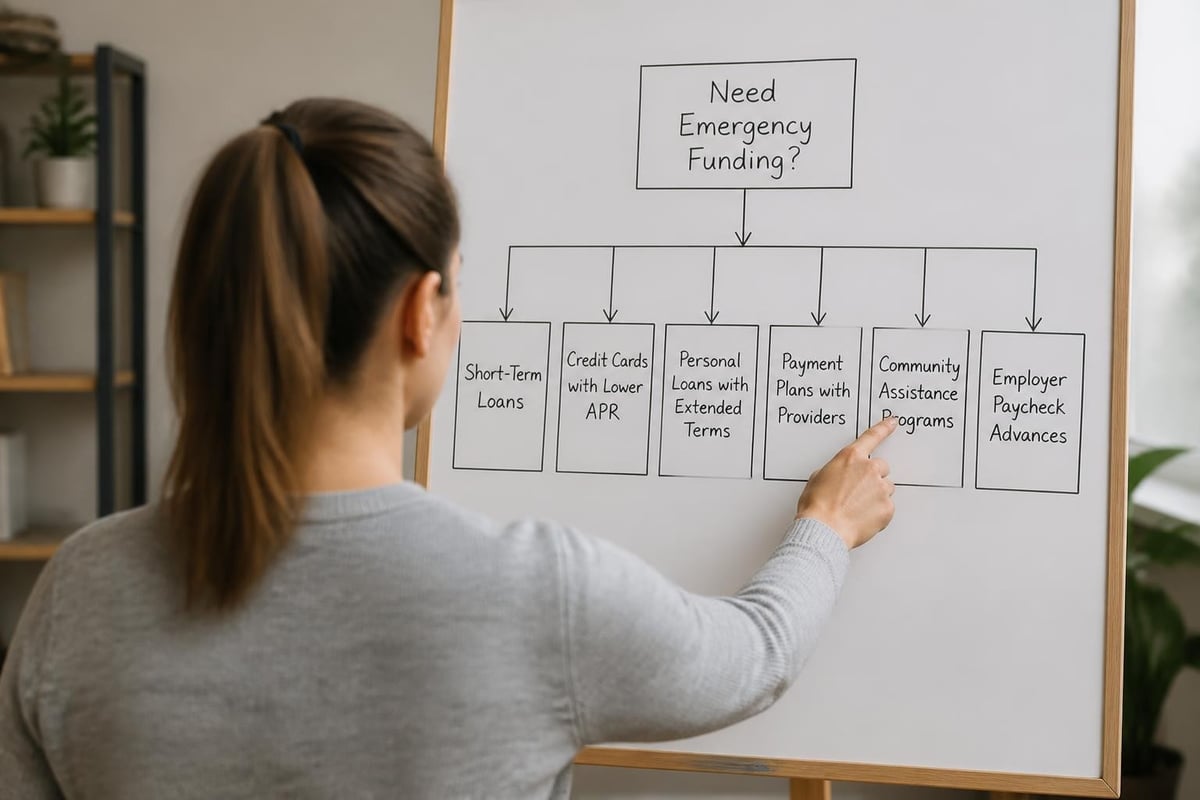
Alternatives to Consider
Before pursuing short-term loans, explore alternative funding sources that may offer better terms or lower costs. Multiple options exist for addressing urgent financial needs, each with distinct advantages and limitations.
Payment Plans and Negotiations
Many service providers offer payment arrangements for medical bills, utilities, or other obligations. Directly negotiating with creditors often yields better results than borrowing to pay in full immediately.
Healthcare providers frequently establish interest-free payment plans for medical expenses, eliminating borrowing costs entirely. Utility companies may offer extended payment terms or hardship programs during financial difficulties.
Credit Cards
For borrowers with available credit card limits, this option typically costs less than short-term loans despite high credit card interest rates. Most credit cards charge APRs between 15% and 25%, significantly below typical short-term loan rates.
Credit cards also provide 21-30 day grace periods for new purchases when balances are paid in full monthly, potentially offering completely cost-free short-term funding.
Personal Loans from Banks or Credit Unions
Traditional personal loans feature longer terms and lower rates than short-term products, though approval processes take longer. For needs that aren't immediate emergencies, this option saves substantial money despite extended timelines.
Credit unions particularly deserve consideration, as they often serve members with credit challenges and typically offer more favorable terms than commercial lenders.
Community Assistance Programs
Local nonprofits, religious organizations, and government agencies provide emergency assistance for specific needs like rent, utilities, or food. These resources require time to access but cost nothing and don't create debt obligations.
Community action agencies, United Way chapters, and similar organizations maintain directories of available assistance programs. Social workers and financial counselors can provide referrals to appropriate resources.
Employer Advances
Some employers offer paycheck advances or emergency loan programs to employees facing financial hardships. These arrangements typically involve minimal or no fees and repayment through automatic payroll deductions.
Strategic Use of Short-Term Loans
When short-term loans represent the best available option, strategic borrowing practices minimize costs and prevent negative consequences. Implementing these approaches protects your financial health while addressing immediate needs.
Borrow Minimum Necessary Amounts
Resist the temptation to borrow more than absolutely required. Each additional dollar borrowed increases fees and interest charges. Calculate exact needs including any associated costs, then request only that amount.
Create Repayment Plans Before Borrowing
Before accepting any loan, develop a concrete repayment strategy. Identify which income sources will fund repayment and ensure no competing obligations will interfere with scheduled payments.
Consider these planning steps:
- Review upcoming expenses and income for the repayment period
- Identify specific funds allocated to loan repayment
- Set calendar reminders for payment due dates
- Arrange automatic payments if available to prevent missed deadlines
- Plan for potential complications that might affect repayment capacity
Read All Documentation Thoroughly
Loan agreements contain critical information about rights, responsibilities, and recourse options. Never sign documents without understanding every term, condition, and fee structure.
Key elements to verify include:
- Total repayment amount including all fees and interest
- Exact payment due dates and acceptable payment methods
- Consequences of late or missed payments
- Policies regarding loan extensions or modifications
- Contact information for customer service and dispute resolution
Monitor Your Financial Progress
After obtaining a short-term loan, track your financial situation closely to ensure you remain on schedule for repayment. If complications arise, contact the lender immediately rather than missing payments.
Many lenders work with borrowers facing genuine hardships, offering payment arrangements or modifications that prevent defaults and associated consequences. Proactive communication demonstrates good faith and often produces better outcomes than avoiding contact.
Questions to Ask Before Borrowing
Thorough evaluation prevents costly mistakes and ensures short-term loans serve their intended purpose without creating additional problems. Ask yourself and potential lenders these critical questions before proceeding.
Personal Financial Questions
Can I afford the total repayment amount? Calculate whether scheduled payments fit within your budget without forcing you to skip essential expenses or obtain additional loans.
Have I explored all alternatives? Confirm you've investigated payment plans, community assistance, employer advances, and borrowing from family or friends before committing to commercial short-term loans.
What happens if I can't repay on time? Understand your backup options and the lender's policies regarding payment difficulties before problems arise.
Lender-Specific Questions
What is the total cost of this loan? Request a clear breakdown showing principal, interest, fees, and total repayment amount in dollar terms rather than just percentages.
What are your policies on extensions or modifications? Understand available options if repayment becomes difficult and associated costs for these accommodations.
How do you report to credit bureaus? Determine whether timely payments will help build credit and whether problems will be reported, affecting future borrowing opportunities.
Are you licensed in this state? Verify the lender operates legally in your jurisdiction and complies with applicable regulations protecting consumers.
| Question Category | Critical Information to Verify |
|---|---|
| Costs | Total repayment amount, APR, all fees |
| Timeline | Funding speed, repayment due dates, extension options |
| Reporting | Credit bureau reporting practices |
| Compliance | State licensing, regulatory adherence |
| Flexibility | Payment modification policies, early payoff terms |
Building Financial Resilience
Long-term financial health requires moving beyond reliance on short-term loans for routine expenses or predictable costs. While these products serve legitimate purposes, developing emergency savings and improving cash flow management reduces future borrowing needs.
Emergency Fund Development
Financial experts recommend maintaining three to six months of expenses in readily accessible savings accounts. Building this cushion takes time but dramatically reduces reliance on expensive short-term borrowing.
Start small by saving even $10-25 per paycheck. Automatic transfers from checking to savings accounts make this process effortless and consistent. Over time, these modest contributions accumulate into meaningful emergency reserves.
Budget Optimization
Understanding exactly where money goes each month reveals opportunities to reduce expenses and increase savings. Track spending for 30-60 days using apps, spreadsheets, or simple notebooks to identify patterns.
Common areas offering potential savings include:
- Subscription services that are rarely used
- Dining out or convenience food purchases
- Entertainment expenses that could be reduced without major lifestyle impact
- Utility costs that might decrease through conservation efforts
- Insurance premiums that could be lowered through policy shopping
Income Enhancement
Increasing income provides another path toward financial stability and reduced borrowing needs. Consider side jobs, freelance work, or skill development leading to raises or promotions.
The gig economy offers numerous flexible opportunities for supplemental income without long-term commitments. Even small amounts of additional income create breathing room in tight budgets and accelerate emergency fund growth.
Short-term loans provide valuable financial tools when used appropriately for genuine emergencies and repaid according to agreed schedules. Understanding the costs, benefits, alternatives, and strategic borrowing practices empowers consumers to make informed decisions that address immediate needs without creating long-term financial problems. If you're facing unexpected expenses and need flexible financing options, Standard Financial offers personal loans designed for various needs including home improvements, medical expenses, and education, with branch offices throughout Louisiana, Mississippi, Tennessee, and Georgia ready to help you explore solutions that work for your situation, even if you've faced credit challenges in the past.







No comment yet, add your voice below!