

Rising food costs continue to strain household budgets across the country, with families spending more each month just to keep their kitchens stocked. Whether you're managing unexpected expenses or simply looking to build a stronger financial foundation, learning how to lower your grocery bill represents one of the most effective ways to free up cash flow without drastically changing your lifestyle. The good news is that with strategic planning and smarter shopping habits, most households can reduce their food spending by 20-30% while still eating well.
Understanding Your Current Grocery Spending
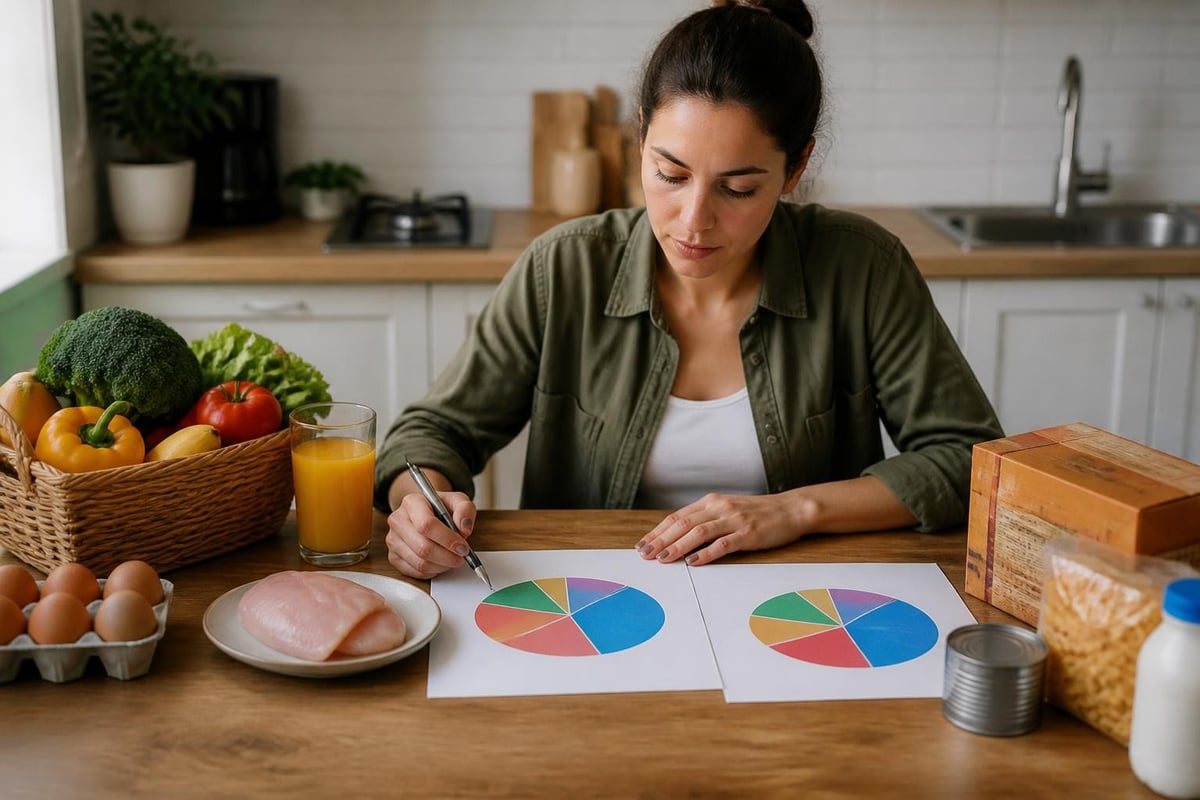
Before implementing cost-cutting strategies, you need a clear picture of where your money goes each month. Track every grocery purchase for at least four weeks, including those quick convenience store runs and impulse buys. This baseline helps you identify patterns and set realistic reduction goals.
The USDA publishes monthly food cost benchmarks that can help you understand how your spending compares to national averages. According to official USDA food plans, a family of four typically spends between $827 (Thrifty Plan) and $1,615 (Liberal Plan) per month on groceries in 2026. These figures provide useful targets when budgeting.
Key spending categories to monitor:
- Fresh produce and proteins
- Packaged and processed foods
- Beverages and snacks
- Household and paper products
- Impulse purchases at checkout
Review your receipts to calculate what percentage of your budget goes to each category. Most families discover that convenience items, prepared foods, and unplanned purchases account for a surprising portion of their total grocery bill.
Master Meal Planning to Lower Your Grocery Bill
Meal planning stands as the single most effective strategy for reducing food costs. When you plan weekly menus before shopping, you buy only what you need, reduce waste, and avoid expensive last-minute takeout decisions.
Building an Effective Weekly Meal Plan
Start by reviewing your schedule for the week ahead. Identify busy nights when quick meals work best and evenings when you have more time for cooking. Plan specific meals for each dinner, then work backward to ensure you have ingredients for breakfasts and lunches.
Build your plan around items already in your pantry and freezer first. Check what proteins, grains, and canned goods you already own, then supplement with fresh items. This approach prevents duplicate purchases and uses up ingredients before they expire.
Harvard’s nutrition experts recommend planning meals around affordable protein sources like beans, lentils, eggs, and chicken thighs rather than expensive cuts of meat. These budget-friendly options deliver excellent nutrition at a fraction of the cost.
| Meal Planning Strategy | Monthly Savings Potential | Time Investment |
|---|---|---|
| Weekly dinner planning | $120-180 | 30 minutes/week |
| Batch cooking on weekends | $80-140 | 2-3 hours/week |
| Using pantry staples first | $40-70 | 15 minutes/week |
| Theme nights (Meatless Monday, etc.) | $60-100 | 20 minutes/week |
Creating Flexible Meal Templates
Instead of rigid recipes, develop flexible meal templates you can adapt based on what's on sale. For example, a "grain bowl" template might include a base (rice, quinoa, or pasta), a protein (chicken, tofu, or beans), vegetables, and a sauce. You can execute this template dozens of ways depending on weekly specials.
This flexibility lets you take advantage of markdowns and seasonal pricing without abandoning your meal plan entirely. When chicken breast is expensive but pork chops are discounted, your protein-and-vegetable template works equally well with either option.
Strategic Shopping Techniques
Where and when you shop significantly impacts how much you spend. Different store formats offer distinct advantages for budget-conscious shoppers.
Store selection strategies:
- Discount grocers (Aldi, Lidl, Save-A-Lot) typically offer 30-40% lower prices on staples
- Warehouse clubs (Costco, Sam's Club) provide bulk discounts if you have storage space
- Ethnic markets often feature lower produce prices and affordable bulk grains and spices
- Traditional supermarkets work best when you combine sales, coupons, and loyalty programs
Many successful budget shoppers split their shopping across multiple stores, buying shelf-stable items at discount grocers, bulk proteins at warehouse clubs, and fresh produce at farmers markets or ethnic grocers.
Timing Your Shopping Trips
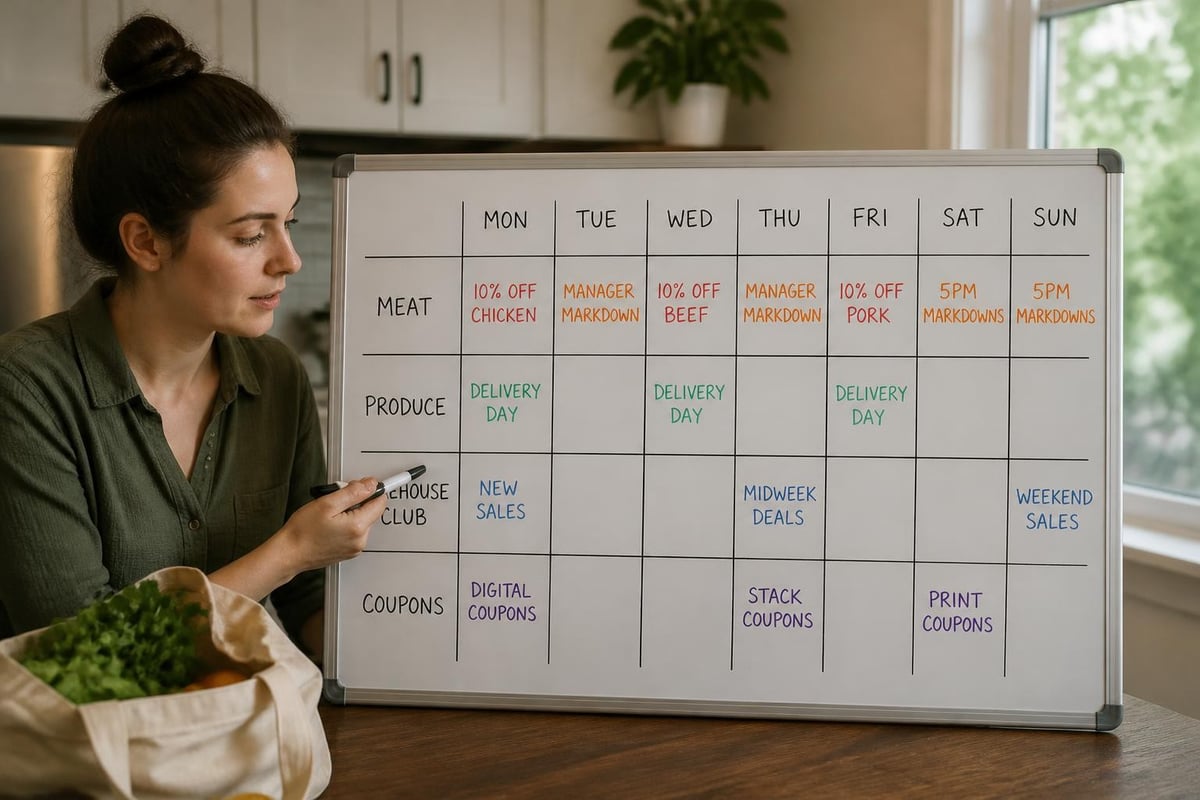
Stores follow predictable markdown schedules that savvy shoppers exploit. Meat departments typically discount items approaching their sell-by date in early morning or late evening. Bakery items see deep discounts on Monday mornings as weekend inventory clears.
Learn your store's patterns by asking department managers when they mark down perishables. Shopping during these windows can yield 30-50% discounts on perfectly good food that simply needs to be used or frozen within a few days.
Leveraging Technology and Loyalty Programs
Modern technology makes it easier than ever to learn how to lower your grocery bill through price comparison and digital savings tools. Most major grocery chains now offer apps that deliver personalized coupons, track spending, and highlight sales.
Download apps for every store you visit regularly. Load digital coupons before shopping, as many stores allow you to stack manufacturer coupons with store promotions. Set up alerts for items you buy frequently so you're notified when they go on sale.
Price-comparison apps like Flipp aggregate weekly ads from multiple stores in your area, helping you identify the best deals without driving to different locations. Some apps even organize deals by category, making it simple to compare who has the lowest price on milk, eggs, or bread this week.
Maximizing Rewards and Cashback
Grocery loyalty programs have evolved beyond simple points systems. Many now offer:
- Personalized discounts based on purchase history
- Fuel rewards (typically 5-10 cents per gallon)
- Free items after reaching spending thresholds
- Points redeemable for store credit
Credit cards designed for grocery purchases offer 3-6% cash back at supermarkets. If you pay your balance in full monthly, this represents genuine savings with no downside. A family spending $800 monthly on groceries could earn $288-576 annually through strategic card use.
Understanding Unit Pricing and Package Sizes
Bigger isn't always cheaper. While bulk purchases often provide better value, exceptions abound. Unit pricing labels show the cost per ounce, pound, or other standard measure, allowing accurate comparison between package sizes and brands.
Check unit prices religiously, especially when comparing:
- Store brands versus national brands
- Family-size packages versus regular sizes
- Bulk bins versus pre-packaged items
- Different container materials (bags versus boxes)
Sometimes smaller packages of store brands cost less per unit than larger packages of name brands. According to Consumer Reports’ supermarket strategies guide, private-label products typically cost 20-30% less than equivalent name brands while maintaining comparable quality.
| Purchase Type | Typical Unit Price Savings | Best For |
|---|---|---|
| Warehouse bulk packs | 15-35% | Families, large storage space |
| Store brands | 20-30% | Most categories except specialty items |
| Bulk bin purchases | 10-50% | Grains, nuts, spices, dried fruit |
| Loss leaders (sales) | 30-60% | Stocking up, freezing |
Avoiding Bulk-Buying Traps
Only purchase bulk quantities of items your household actually consumes before expiration. A 10-pound bag of flour is no bargain if half goes stale before you use it. Calculate realistic consumption rates before committing to large packages.
For families, bulk buying works exceptionally well for non-perishables like toilet paper, canned goods, and cleaning supplies. For perishables, consider whether you have adequate storage and preservation capability. A chest freezer expands your ability to stock up on discounted meats and frozen vegetables.
Seasonal and Fresh Food Strategies
Produce prices fluctuate dramatically based on season and availability. Strategies for buying fresh foods economically emphasize purchasing fruits and vegetables at their peak season when supply is abundant and prices drop.
Seasonal buying guide:
- Spring: Asparagus, artichokes, peas, strawberries
- Summer: Tomatoes, corn, berries, stone fruits, zucchini
- Fall: Apples, squash, sweet potatoes, Brussels sprouts
- Winter: Citrus, root vegetables, cabbage, kale
Out-of-season produce costs 50-100% more than in-season alternatives. When strawberries are expensive in January, substitute frozen berries purchased during summer sales or switch to winter citrus fruits.
Fresh Versus Frozen Cost Analysis
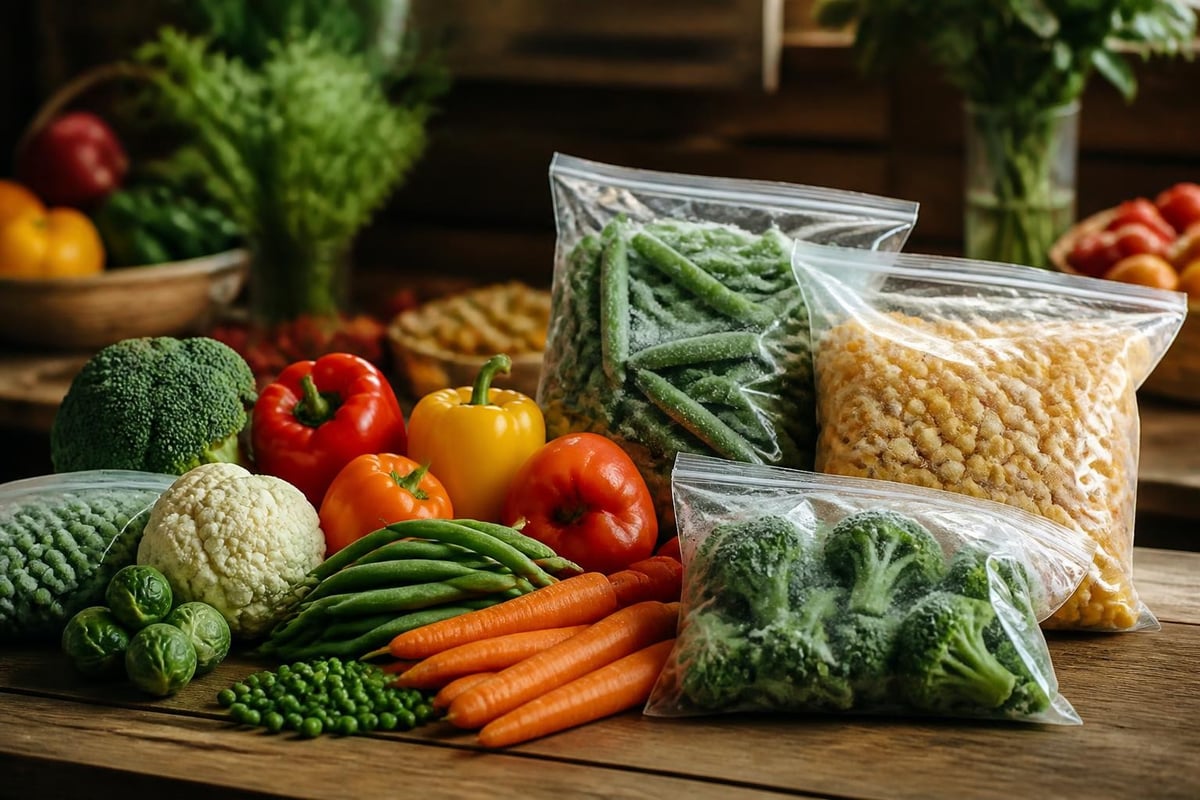
Frozen vegetables and fruits offer excellent value and often superior nutrition compared to fresh produce that has traveled long distances. Freezing happens at peak ripeness, locking in nutrients, while "fresh" produce may spend weeks in transit losing nutritional value.
Frozen options eliminate waste since you use only what you need and store the rest. For items like berries, spinach, and mixed vegetables, frozen versions typically cost 30-50% less than fresh equivalents while lasting months in your freezer.
Reducing Food Waste to Stretch Your Budget
The average American family wastes approximately $1,500 worth of food annually, according to recent research. Learning how to lower your grocery bill must include strategies for using what you buy. Preventing wasted food at home delivers both financial and environmental benefits.
Implement a "first in, first out" system in your refrigerator and pantry. Place newer purchases behind older items so you consume food before expiration dates pass. Designate one shelf for items needing to be used soon.
Food preservation techniques:
- Blanch and freeze vegetables approaching their prime
- Convert overripe fruit into smoothies or baked goods
- Freeze bread, milk, and cheese before expiration
- Repurpose leftovers into new meals (roasted chicken becomes soup, then stock)
Store produce properly to extend freshness. Herbs stay crisp in glasses of water. Leafy greens last longer wrapped in damp paper towels inside plastic bags. Apples and potatoes should be stored separately as they emit gases that spoil other produce.
Smart Leftover Management
Plan leftover utilization when you cook. A whole roasted chicken provides multiple meals: the initial dinner, sandwiches or salads from remaining meat, and stock from the carcass. This approach maximizes your protein investment.
Designate one night weekly as "leftover night" to clear out your refrigerator before shopping again. This prevents good food from being forgotten and spoiling while reducing the amount you need to purchase that week.
Store Brands and Generic Products
Private-label products represent one of the easiest ways to cut grocery costs without sacrificing quality. Modern store brands have evolved significantly, with many matching or exceeding national brand quality in blind taste tests.
Categories where store brands typically excel:
- Basic staples (flour, sugar, salt, baking soda)
- Canned goods (vegetables, beans, tomatoes)
- Dairy products (milk, yogurt, cheese)
- Frozen vegetables and fruits
- Pasta and rice
- Cleaning supplies and paper products
Test store brands systematically. If your family doesn't notice a difference, you've found permanent savings. If quality doesn't meet expectations, return to the national brand for that specific item.
| Product Category | Average Savings (Store vs. Name Brand) | Quality Comparison |
|---|---|---|
| Canned vegetables | 25-35% | Equivalent |
| Pasta and rice | 30-40% | Equivalent |
| Dairy products | 15-25% | Equivalent to superior |
| Cereals | 40-50% | Variable |
| Cleaning products | 30-45% | Equivalent |
Premium store brands (like Kroger's Private Selection or Target's Good & Gather) offer quality comparable to premium national brands at mid-tier prices, creating another savings opportunity.
Cooking from Scratch and Meal Prep
Convenience foods carry substantial price premiums. A box of instant rice costs three times more per serving than regular rice. Pre-cut vegetables cost double or triple the price of whole produce you cut yourself.
Batch cooking transforms time investment into significant savings. Spending a few hours on Sunday preparing components for the week ahead makes weeknight cooking faster while keeping you out of expensive restaurants or takeout menus.
High-impact batch cooking projects:
- Cook large batches of grains (rice, quinoa) to reheat throughout the week
- Prepare proteins in advance (grilled chicken, hard-boiled eggs, cooked beans)
- Chop vegetables for multiple meals
- Make versatile sauces and dressings
- Bake bread or muffins instead of buying commercial versions
A homemade pot of beans costs approximately $1.50 and yields eight servings. Equivalent canned beans would cost $6-8. This single swap saves hundreds annually for families eating beans regularly.
Investing in Time-Saving Tools
While kitchen equipment requires upfront investment, the right tools reduce both effort and costs. A slow cooker transforms inexpensive cuts of meat into tender meals. A rice cooker ensures perfect results without monitoring. An Instant Pot combines pressure cooking and slow cooking for maximum flexibility.
These appliances enable you to cook cheaper ingredients successfully, expanding your recipe options beyond expensive convenience foods. For households serious about reducing grocery costs, appropriate kitchen tools pay for themselves within months.
Shopping Lists and Impulse Control
Grocery stores engineer layouts and displays to encourage impulse purchases. End-cap displays, checkout candy, and strategic product placement all work to increase your spending beyond planned purchases.
Combat these tactics with disciplined shopping lists created at home before entering the store. Organize your list by store section to minimize backtracking and exposure to tempting displays. Check off items as you shop to maintain focus.
Never grocery shop hungry. Studies consistently show hungry shoppers spend 15-30% more than those shopping on a full stomach. Eat a meal or substantial snack before heading to the store.
Impulse-control strategies:
- Use grocery pickup or delivery to avoid in-store temptations
- Set a specific budget and track your running total while shopping
- Leave credit cards at home and shop with cash only
- Avoid bringing children when possible (reduces pressure for treats)
- Skip the center aisles where processed foods dominate
If you discover an unadvertised sale on an item you regularly use, verify it fits your budget before adding it to your cart. Legitimate stock-up opportunities save money, but unplanned purchases of items you rarely use represent waste regardless of the discount.
Protein Strategies on a Budget
Protein typically represents the largest single category in grocery budgets. Strategic protein choices and preparation methods dramatically impact monthly spending.
Whole chickens cost 50-60% less per pound than boneless chicken breasts while providing more versatile cooking options. Learn to break down whole chickens yourself, or ask the butcher to do it for you at no charge.
Cost-effective protein sources:
- Dried beans and lentils ($0.15-0.30 per serving)
- Eggs ($0.20-0.40 per serving)
- Canned tuna and salmon ($0.60-1.00 per serving)
- Chicken thighs and drumsticks ($0.70-1.20 per serving)
- Ground turkey ($1.00-1.50 per serving)
- Pork shoulder ($1.20-1.80 per serving)
Compare these costs to premium proteins like ribeye steak ($4-8 per serving) or fresh salmon fillets ($3-6 per serving). Rotating affordable proteins throughout your weekly menu while reserving premium options for special occasions stretches your budget significantly.
Meatless Meals and Protein Alternatives
Incorporating one or two meatless dinners weekly reduces costs substantially. Plant-based proteins like beans, lentils, tofu, and tempeh cost a fraction of animal proteins while providing excellent nutrition.
A hearty lentil soup, black bean tacos, or chickpea curry delivers satisfying, protein-rich meals for under $2 per serving. These dishes often taste even better as leftovers, further extending their value.
Regional Price Variations and Shopping Optimization
Food costs vary significantly by geography. USDA regional price data shows that identical items can cost 20-40% more in some regions compared to others, driven by transportation costs, local competition, and regional preferences.
Understanding local price patterns helps you shop strategically. In Louisiana, Mississippi, Tennessee, and Georgia, certain categories like fresh seafood (near coastal areas) or regional produce may offer better value than in other parts of the country.
Take advantage of regional specialties and local producers. Farmers markets near the end of market hours often discount remaining inventory rather than transport it home. Community Supported Agriculture (CSA) programs provide weekly produce boxes at predictable costs, often below retail prices.
Planning for Dietary Restrictions and Special Needs
Managing food allergies, dietary restrictions, or medical requirements while controlling costs requires additional planning. Specialty items like gluten-free products or diabetic-friendly foods typically carry premium prices.
Evidence-based nutrition strategies can help you meet dietary requirements without breaking your budget. Focus on naturally compliant whole foods rather than expensive specialty products when possible.
For gluten-free needs, rice, potatoes, and corn-based products cost less than specialty gluten-free breads and pastas. For diabetes management, high-fiber vegetables and lean proteins provide better nutrition and value than specialty diabetic products.
Work with healthcare providers and nutritionists to identify affordable options that meet your medical requirements. Many insurance plans cover nutrition counseling, which can provide personalized strategies for managing special dietary needs economically.
Building an Emergency Food Supply
An emergency pantry serves dual purposes: it provides security during unexpected financial disruptions while enabling you to shop sales strategically. When prices on staples drop significantly, you can stock up knowing you'll use them eventually.
Core emergency pantry items:
- Canned proteins (tuna, chicken, beans)
- Pasta and rice
- Canned vegetables and fruits
- Peanut butter
- Cooking oil
- Flour and sugar
- Canned soups and broths
Build this supply gradually during sales rather than all at once. Rotate items through your regular cooking to maintain freshness. A three-month supply of shelf-stable staples costs $300-500 but provides enormous flexibility in your week-to-week shopping.
This buffer means unexpected expenses don't force you to choose between paying bills and buying groceries. It also positions you to skip shopping trips when prices spike temporarily, waiting instead for the next sale cycle.
Mastering how to lower your grocery bill requires commitment to planning, strategic shopping, and smart cooking, but the financial rewards are substantial and sustainable. These strategies work together to reduce spending while maintaining nutrition and enjoyment of food.
When unexpected expenses arise or you need breathing room in your budget, Standard Financial offers flexible financing solutions tailored to your situation, with branch offices throughout Louisiana, Mississippi, Tennessee, and Georgia. Whether you're managing medical bills, home repairs, or education costs, Standard Financial provides accessible personal loan options that help you maintain financial stability while you implement long-term savings strategies.





No comment yet, add your voice below!