

When you're considering a personal loan, one of the most important features to look for is the absence of prepayment penalties. These fees can significantly impact your ability to save money and achieve financial freedom faster. Understanding what no prepayment penalties mean and how they benefit you can help you make smarter borrowing decisions, especially when dealing with home improvement projects, medical expenses, or education costs.
Understanding Prepayment Penalties and Their Impact
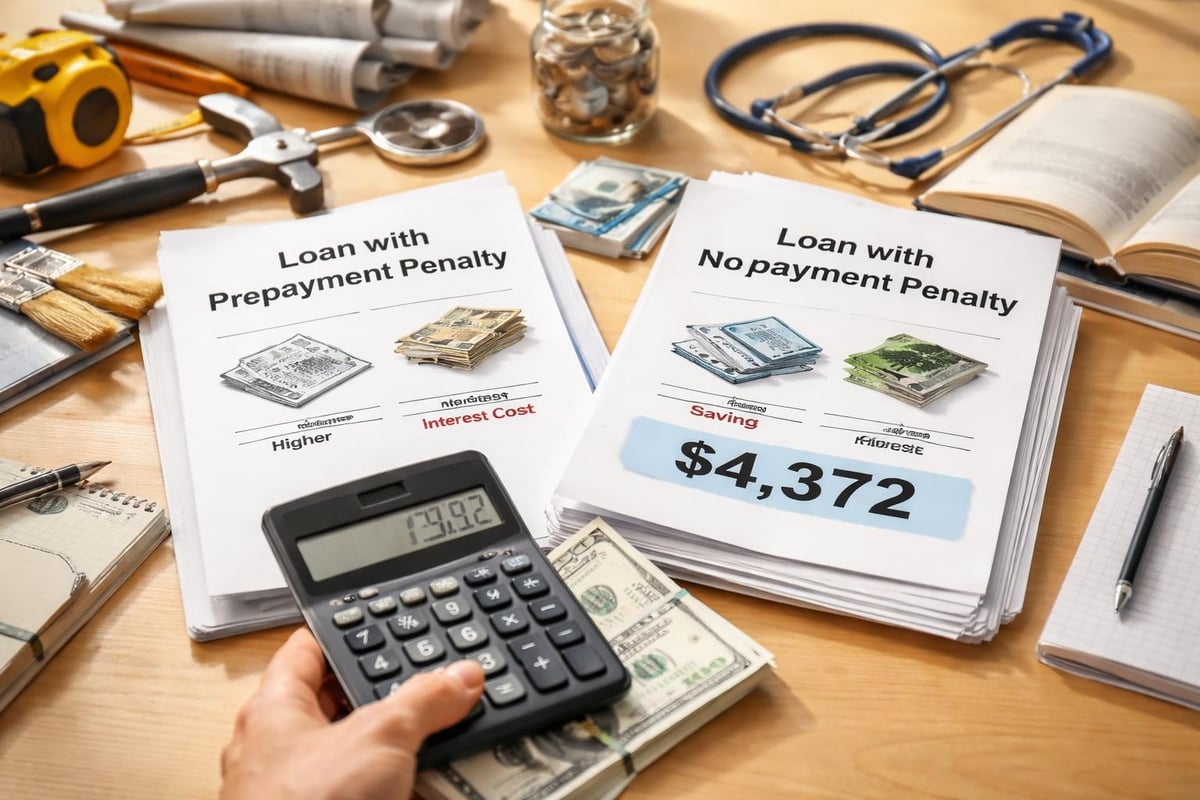
A prepayment penalty is a fee that some lenders charge when you pay off your loan before the scheduled end date. Lenders use these penalties to recoup the interest they would have earned if you had kept the loan for its full term. The Consumer Financial Protection Bureau provides detailed guidance on what these penalties entail and when they typically apply.
Why Lenders Charge Prepayment Penalties
Financial institutions impose prepayment penalties primarily to protect their expected revenue stream. When you take out a loan, the lender calculates anticipated interest earnings over the entire repayment period. Early repayment disrupts this calculation.
Common reasons lenders implement these fees include:
- Offsetting lost interest income from early loan closure
- Recovering administrative costs associated with loan origination
- Protecting their profit margins on longer-term lending products
- Discouraging borrowers from refinancing with competitors
However, many modern lenders, particularly those focused on consumer-friendly practices, have eliminated these penalties entirely. This shift reflects a growing recognition that borrowers should have the flexibility to improve their financial situations without facing additional obstacles.
The Benefits of No Prepayment Penalties
Choosing a loan with no prepayment penalties offers substantial advantages for borrowers across the Southeast and beyond. This feature provides financial flexibility that can accelerate your path to debt freedom.
Financial Freedom and Flexibility
When your loan includes no prepayment penalties, you gain complete control over your repayment timeline. This freedom allows you to adjust your payment strategy based on your current financial situation without worrying about extra charges.
You can make larger payments when you receive bonuses, tax refunds, or other windfalls. This flexibility is particularly valuable for residents of Louisiana, Mississippi, Tennessee, and Georgia who may experience seasonal income variations or unexpected financial opportunities.
Interest Savings Over Time
The most significant benefit of no prepayment penalties is the ability to reduce your total interest costs. Every extra dollar you pay toward your principal balance reduces the amount of interest you'll pay over the life of the loan.
| Payment Strategy | Total Interest Paid | Time to Payoff | Savings with Early Payment |
|---|---|---|---|
| Minimum Payments Only | $3,200 | 60 months | $0 |
| Extra $50/month | $2,400 | 48 months | $800 |
| Extra $100/month | $1,850 | 40 months | $1,350 |
| Lump Sum Payment | $1,200 | 30 months | $2,000 |
These calculations demonstrate how paying off your loan early can generate substantial savings, but only when your lender doesn't impose prepayment penalties that would erode these benefits.
Improved Credit Utilization
Paying off debt faster positively impacts your credit profile. Lower overall debt levels improve your debt-to-income ratio, which can help you qualify for better terms on future loans or credit cards.
How to Identify Loans Without Prepayment Penalties
Before signing any loan agreement, you need to carefully review the terms to ensure no prepayment penalties will apply. CNBC Select offers guidance on identifying these fees in loan contracts and understanding their potential cost.
Reading Your Loan Agreement
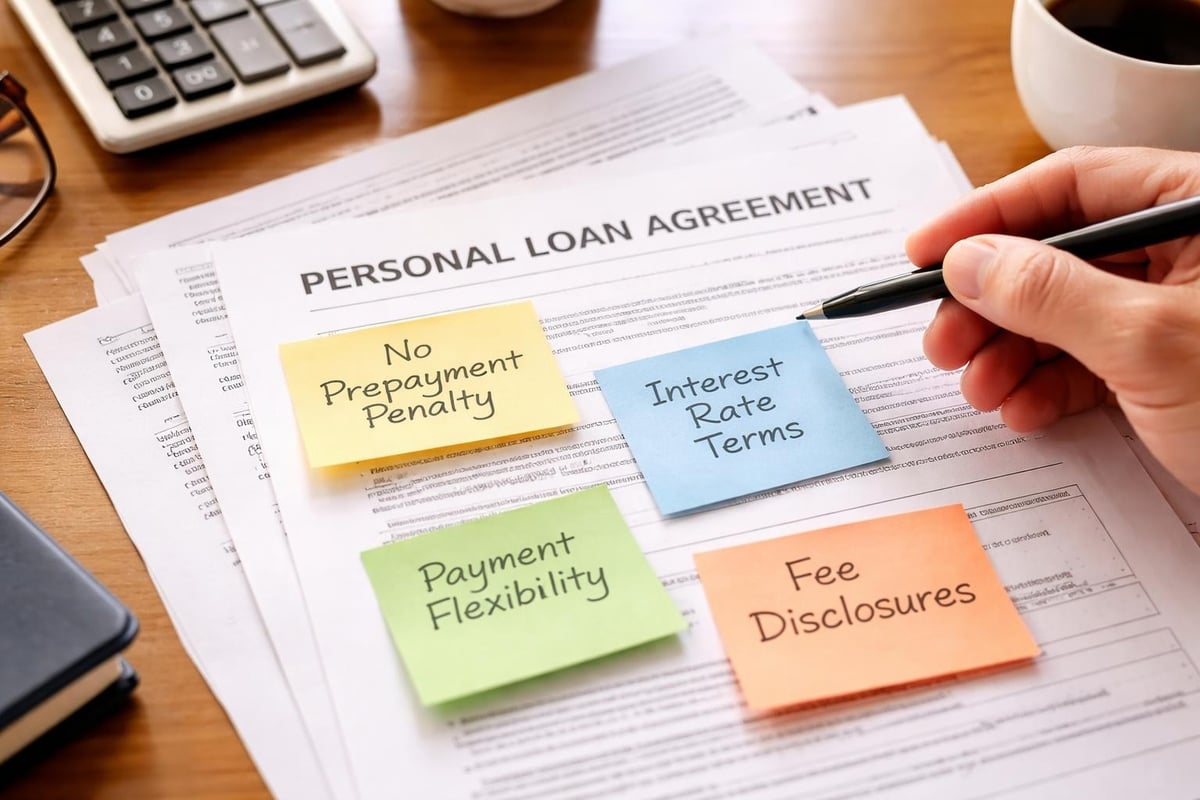
Your loan agreement should clearly state whether prepayment penalties apply. Look for specific sections addressing early repayment, payoff procedures, or additional fees.
Key sections to review include:
- Fee schedule and disclosure statements
- Early payment provisions
- Terms and conditions related to loan closure
- Any clauses mentioning "prepayment," "early payoff," or "acceleration"
Don't hesitate to ask your loan officer direct questions about prepayment terms. A reputable lender will provide clear, straightforward answers about whether you can pay off your loan early without penalties.
Questions to Ask Your Lender
Being proactive during the loan application process helps you avoid unwelcome surprises later. Prepare a list of specific questions to ask before committing to any loan.
- Can I make extra payments toward the principal at any time?
- Are there any fees associated with paying off the loan early?
- Will early repayment affect my interest rate or other loan terms?
- Can I increase my monthly payment amount without penalty?
- What is the process for making a final payoff?
Common Misconceptions About Early Loan Repayment
Many borrowers hold incorrect beliefs about paying off loans early, which can prevent them from taking advantage of beneficial repayment strategies when no prepayment penalties apply.
Myth: Paying Off Loans Early Hurts Your Credit
Some people worry that closing a loan account early will damage their credit score. While it's true that credit mix contributes to your credit score, the benefits of being debt-free and improving your debt-to-income ratio typically outweigh any minimal negative impact from closing a loan account.
Credit Karma explains how prepayment penalties work and the relationship between early payoffs and credit scores. The reality is that demonstrating responsible borrowing behavior by paying off debt strengthens your overall credit profile.
Myth: All Personal Loans Have Prepayment Penalties
This misconception keeps many borrowers from even asking about early repayment options. In reality, many personal loan providers, especially those focused on consumer lending, offer loans with no prepayment penalties as a standard feature.
The trend in 2026 continues toward greater consumer protection and transparency in lending. More lenders are eliminating prepayment penalties to attract borrowers who value financial flexibility.
Strategic Approaches to Early Loan Repayment
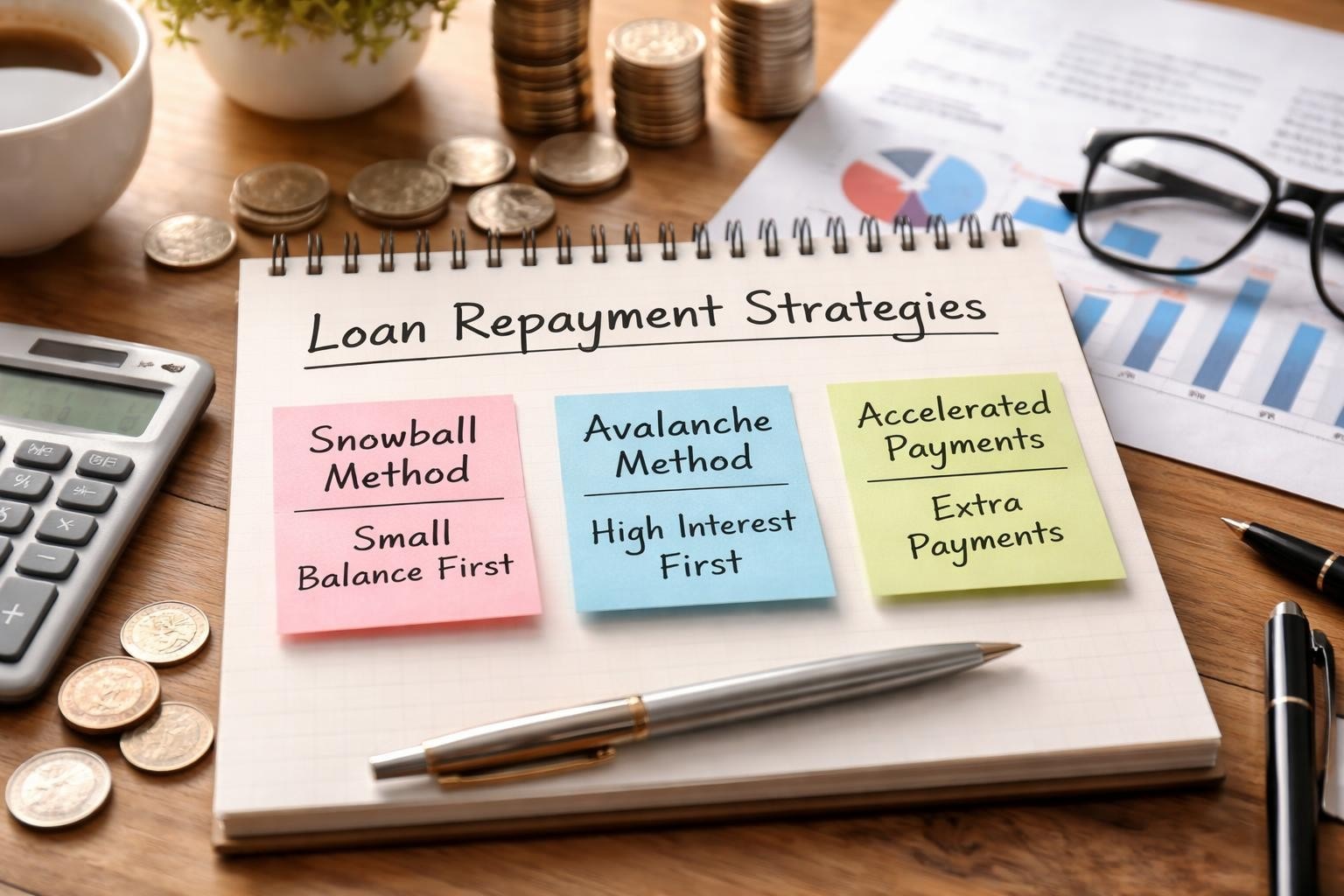
When your loan has no prepayment penalties, you can employ various strategies to pay off your debt faster and save money on interest charges.
The Snowball Method
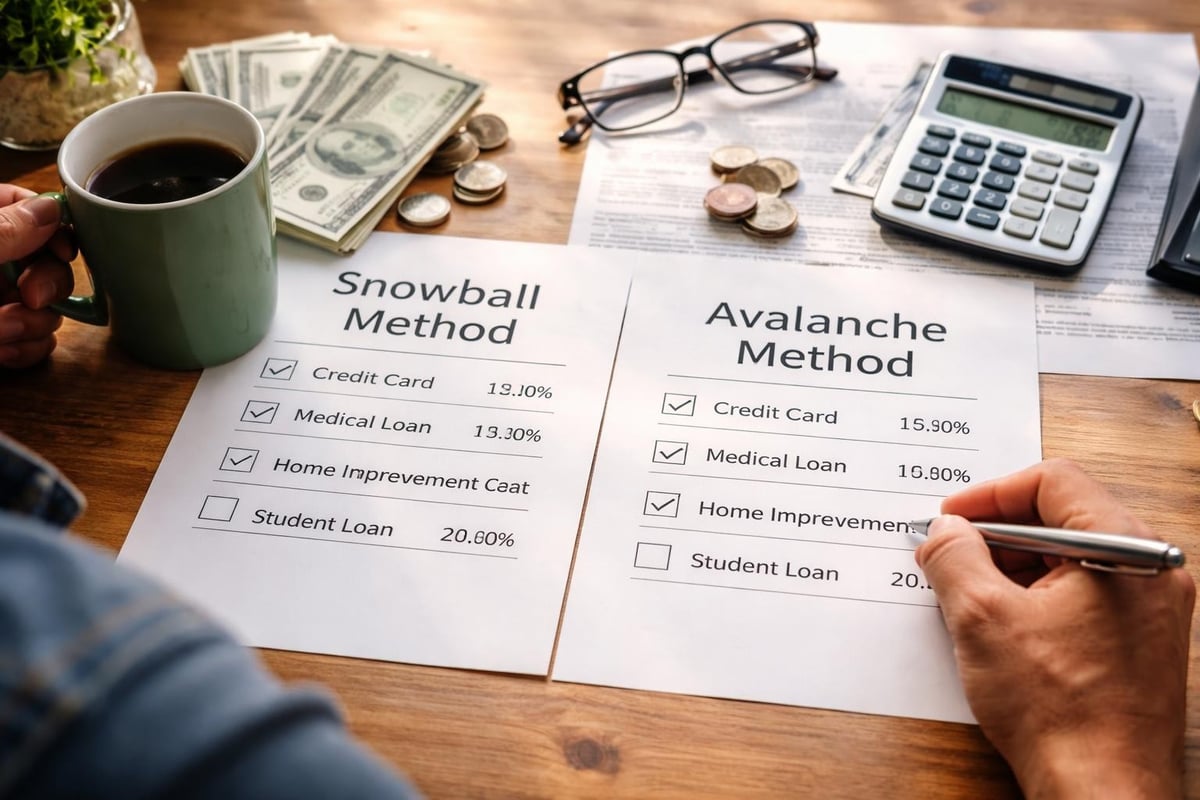
This approach involves making minimum payments on all debts except your smallest loan, which receives any extra money you can allocate toward debt repayment. Once you pay off the smallest loan, you roll that payment amount into the next smallest debt.
Benefits of the snowball method:
- Provides psychological wins through quick victories
- Builds momentum and motivation
- Simplifies your debt portfolio progressively
- Works well when you have multiple loans
The Avalanche Method
Alternatively, the avalanche method focuses on paying off the loan with the highest interest rate first while making minimum payments on other debts. This strategy maximizes your interest savings over time.
| Loan Type | Balance | Interest Rate | Monthly Payment | Priority (Avalanche) |
|---|---|---|---|---|
| Personal Loan | $8,000 | 12% | $200 | 1st |
| Medical Loan | $5,000 | 8% | $150 | 3rd |
| Education Loan | $6,000 | 10% | $175 | 2nd |
The avalanche method typically saves more money overall compared to the snowball method, making it ideal when no prepayment penalties allow you to maximize interest savings.
Making Biweekly Payments
Instead of making one monthly payment, consider splitting your payment in half and paying every two weeks. This results in 26 half-payments per year, equivalent to 13 full monthly payments instead of 12.
This subtle shift can reduce your loan term significantly without straining your budget. When no prepayment penalties apply, these extra payments go directly toward your principal balance, accelerating your payoff timeline.
Special Considerations for Different Loan Types
While no prepayment penalties are common in personal loans, the rules can vary depending on the type of financing you're using.
Personal Loans for Home Improvements
Home improvement loans often come with no prepayment penalties, especially when they're unsecured personal loans rather than home equity loans. This flexibility allows homeowners in Louisiana, Mississippi, Tennessee, and Georgia to pay off renovation costs quickly if they receive insurance settlements, tax refunds, or other funds.
Medical Expense Financing
Medical loans typically benefit from no prepayment penalties because healthcare costs are often unexpected. Lenders recognize that patients may receive insurance reimbursements or settlements that allow them to pay off medical debt sooner than anticipated.
Experian discusses various aspects of personal loan fees and penalties, including how different loan purposes may affect terms and conditions.
Education Loans
Private education loans from consumer lenders often feature no prepayment penalties, giving students and families the flexibility to pay down educational debt as their financial situations improve. This differs from some federal student loans, which have their own specific repayment rules.
Regulatory Framework and Consumer Protections
Federal and state regulations provide important protections regarding prepayment penalties, particularly for certain types of loans.
Federal Regulations
Federal law restricts prepayment penalties on many mortgage products, particularly those considered "qualified mortgages" under the Dodd-Frank Act. While personal loans face fewer federal restrictions, consumer protection trends continue moving toward greater transparency and fairness.
State-Level Protections
Individual states may impose additional restrictions on prepayment penalties. The regulatory environment in Louisiana, Mississippi, Tennessee, and Georgia helps protect consumers from excessive fees while maintaining competitive lending markets.
How No Prepayment Penalties Support Long-Term Financial Goals
The flexibility provided by no prepayment penalties aligns with several important financial planning objectives that extend beyond simply paying off debt.
Building Emergency Savings
When you're not locked into a rigid repayment schedule, you can balance debt repayment with emergency fund creation. This flexibility allows you to make extra loan payments when your emergency fund is adequate, or redirect funds to savings when needed.
Planning for Major Life Events
Life events like marriage, starting a family, or career changes often come with financial adjustments. No prepayment penalties give you the freedom to accelerate debt repayment before these events or adjust your strategy as circumstances change.
Refinancing Opportunities
If interest rates drop or your credit score improves significantly, you might want to refinance your loan for better terms. No prepayment penalties eliminate a major obstacle to refinancing, allowing you to take advantage of better rates without paying fees to close your existing loan.
Maximizing the Benefits of No Prepayment Penalties
Understanding the feature is just the first step. Implementing smart strategies helps you fully leverage the flexibility that no prepayment penalties provide.
Create a Targeted Payoff Plan
Develop a specific timeline for paying off your loan early. Calculate how much extra you can comfortably pay each month, and determine when you'll be debt-free based on different payment scenarios.
Steps to create your plan:
- Review your current monthly budget and identify extra funds
- Calculate total interest savings from various payment amounts
- Set a realistic target payoff date
- Automate extra payments to maintain consistency
- Review and adjust your plan quarterly
Track Your Progress
Monitoring your loan balance and interest savings provides motivation and helps you stay committed to your payoff goals. Many borrowers find that seeing their progress encourages them to find additional funds for debt repayment.
Celebrate Milestones
Recognize when you reach significant milestones, such as paying off 25%, 50%, or 75% of your loan. These celebrations don't need to be expensive, but acknowledging progress helps maintain momentum toward complete debt freedom.
Making Informed Borrowing Decisions in 2026
As you consider financing options for home improvements, medical expenses, education, or other needs, prioritizing loans with no prepayment penalties should be part of your decision-making process.
The lending landscape continues evolving toward greater consumer benefit and transparency. Borrowers who understand their rights and the features that provide maximum flexibility position themselves for better financial outcomes.
When comparing loan offers, weigh the total cost of borrowing, including interest rates, fees, and repayment flexibility. A slightly higher interest rate might be worthwhile if the loan includes no prepayment penalties and other beneficial features, depending on your likelihood of early repayment.
Remember that your financial situation may change over time. A loan feature that seems unimportant today could become valuable tomorrow if you receive a work bonus, inheritance, or other windfall that you'd like to use for debt reduction.
Choosing a loan with no prepayment penalties gives you the financial flexibility to pay off debt on your terms and save money on interest charges. By understanding this important feature and implementing strategic repayment approaches, you can achieve your financial goals faster while maintaining control over your borrowing costs. Standard Financial offers flexible personal loans with competitive terms designed to support your financial success, whether you need funding for home improvements, medical expenses, or education, with convenient branch locations throughout Louisiana, Mississippi, Tennessee, and Georgia to serve you better.






No comment yet, add your voice below!