

Protecting your credit report from unauthorized access has become essential in today's digital economy. With identity theft affecting millions of Americans each year, consumers need reliable tools to secure their financial information. Two popular options frequently discussed are credit freezes and credit locks, yet many people struggle to understand the critical differences between them. While both restrict access to your credit report, they operate under different frameworks and provide varying levels of protection. Understanding the nuances of credit freeze vs credit lock can help you make an informed decision about which tool best fits your security needs and financial circumstances.
What Is a Credit Freeze?
A credit freeze, also known as a security freeze, is a statutory right granted to consumers under federal law. When you place a freeze on your credit report, credit bureaus are legally required to prevent most third parties from accessing your credit information, which effectively blocks new creditors from reviewing your file when making lending decisions.
This legal protection makes it nearly impossible for identity thieves to open new accounts in your name, since most lenders cannot proceed with credit applications without viewing your credit history. The Economic Growth, Regulatory Relief, and Consumer Protection Act of 2018 made credit freezes free for all consumers at all three major credit bureaus.
How Credit Freezes Work
When you request a credit freeze, each bureau provides you with a unique PIN or password. You must contact each of the three major credit bureaus separately: Equifax, Experian, and TransUnion.
The process typically involves:
- Visiting each bureau's website or calling their freeze line
- Providing personal identification information
- Receiving a unique PIN or password for future access
- Using that PIN to temporarily lift or permanently remove the freeze when needed
Key advantage: Credit freezes remain in place until you actively remove them, providing ongoing protection without requiring regular renewals or monitoring.

What Is a Credit Lock?
A credit lock is a service offered by credit bureaus as a commercial product, typically through a mobile app or online platform. Unlike freezes, locks are not mandated by federal law but instead operate as contractual agreements between you and the credit bureau.
Locks promise to restrict access to your credit report similarly to a freeze, but they function through proprietary systems controlled by each bureau. The mechanisms behind locks vary by provider and may include digital authentication methods or app-based controls.
Lock Features and Limitations
Credit locks often market themselves as more convenient than freezes, emphasizing instant on-off functionality through smartphone apps. However, this convenience comes with important trade-offs.
Common lock characteristics:
- Instant activation and deactivation through mobile apps
- Often bundled with credit monitoring services
- May require paid subscriptions or memberships
- Governed by user agreements rather than federal statute
- Can be automatically renewed with ongoing fees
While some bureaus offer basic locks for free, many charge monthly fees ranging from $10 to $30, especially when combined with identity monitoring features. The contractual nature of locks means consumer protections differ significantly from the statutory rights provided by freezes.
Credit Freeze vs Credit Lock: Direct Comparison
Understanding credit freeze vs credit lock requires examining specific differences across multiple dimensions. The choice between these tools significantly impacts your legal rights, costs, and daily convenience.
| Feature | Credit Freeze | Credit Lock |
|---|---|---|
| Legal Basis | Federal statutory right | Contractual service agreement |
| Cost | Always free by law | Often requires paid subscription |
| Legal Protection | Strong consumer rights under law | Limited to contract terms |
| Activation Speed | May take up to one hour online | Often instant via app |
| Duration | Stays until you remove it | May require renewal or subscription |
| Regulation | Governed by federal and state law | Self-regulated by bureaus |
Legal Protections and Consumer Rights
The most significant distinction in the credit freeze vs credit lock debate centers on legal protections. Credit freezes are enforceable rights under federal law, meaning credit bureaus face legal consequences if they fail to properly implement or honor your freeze request.
Credit locks, conversely, operate under the terms and conditions set by the credit bureau. These agreements may include liability limitations, binding arbitration clauses, and other provisions that restrict your ability to seek legal remedies if something goes wrong.
For consumers prioritizing maximum legal protection, the freeze typically offers stronger safeguards, particularly regarding data breach liability and enforcement mechanisms.
Cost Considerations for Louisiana, Mississippi, Tennessee, and Georgia Residents
For residents across the Southern states where Standard Financial operates, cost differences between credit freeze vs credit lock options can significantly impact household budgets over time. Since credit freezes became free nationwide in 2018, they represent a zero-cost security solution regardless of your state.
Credit locks marketed as premium services might charge anywhere from $120 to $360 annually when factoring in monitoring packages. For families managing tight budgets or rebuilding credit after financial difficulties, these recurring expenses can strain resources unnecessarily.
Hidden Costs and Fee Structures
Some credit bureaus bundle locks with:
- Credit score tracking and updates
- Dark web monitoring services
- Identity theft insurance
- Social Security number monitoring
- Financial account alerts
While these features add value, consumers should evaluate whether they need these extras or if a free freeze provides sufficient protection. Many of these additional services are available separately from third-party providers, sometimes at lower costs.

When to Use Each Option
The decision between credit freeze vs credit lock depends largely on your individual circumstances, frequency of credit applications, and comfort with technology. Neither option is universally superior, but each serves different consumer needs effectively.
Best Scenarios for Credit Freezes
Credit freezes work exceptionally well for consumers who:
- Apply for credit infrequently (once or twice per year)
- Want maximum legal protection without ongoing costs
- Have experienced identity theft or data breaches
- Prefer long-term set-it-and-forget-it security
- Don't need instant activation and deactivation
Example scenario: A Mississippi homeowner who finished major renovations last year and doesn't plan to finance anything soon would benefit from maintaining a freeze. The protection costs nothing and requires no ongoing attention.
Best Scenarios for Credit Locks
Locks might appeal to consumers who:
- Frequently apply for credit or financing
- Value smartphone app convenience
- Already pay for comprehensive credit monitoring
- Want instant control over access
- Prefer managing security through mobile devices
Example scenario: A Tennessee small business owner who regularly seeks equipment financing might prefer a lock's instant on-off capability, despite the subscription cost, to avoid delays when opportunities arise.
Impact on Loan Applications and Financing
Both credit freezes and credit locks will block most lenders from accessing your credit report, which is precisely their purpose. However, certain credit checks are still permitted even when your credit is frozen, including reviews by your existing creditors, government agencies for certain purposes, and companies you've already done business with.
When you're ready to apply for financing, such as personal loans for home improvements, medical expenses, or educational costs, you'll need to temporarily lift your freeze or unlock your credit before the lender can process your application.
Managing Access for Loan Applications
For Georgia and Louisiana residents seeking consumer loans through Standard Financial or similar lenders, the process involves:
- Planning ahead: Contact your chosen security tool 24-48 hours before applying
- Specifying the bureau: Ask your lender which bureau they check (or lift all three to be safe)
- Setting a timeframe: Temporarily lift the freeze for a specific period (one day to one week)
- Completing your application: Apply while access is temporarily available
- Restoring protection: Allow the freeze to automatically restore or manually reactivate
Important consideration: Some lenders may work with you to identify the exact timing needed, reducing the window your credit remains accessible. Communication with your loan officer can streamline this process.
Security Effectiveness: Do They Actually Work?
Both tools in the credit freeze vs credit lock comparison effectively prevent most unauthorized credit inquiries. The primary security difference lies not in blocking capability but in legal recourse if protection fails.
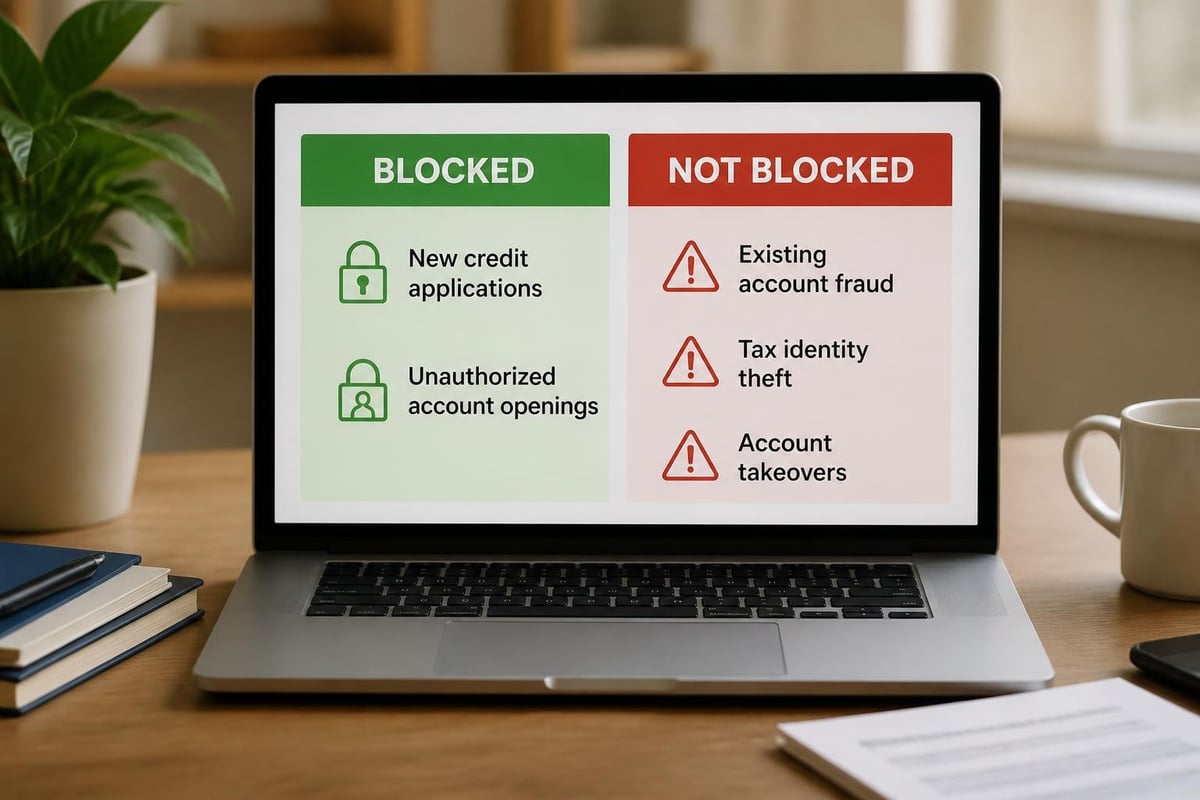
What Both Options Block
When properly implemented, freezes and locks prevent:
- New credit card applications by identity thieves
- Unauthorized auto loans or leases
- Fraudulent personal loan applications
- Retail credit account openings
- Most mortgage applications using your identity
What They Don't Block
Neither option prevents all forms of fraud or identity theft. They specifically target new account fraud but don't stop:
- Unauthorized charges on existing accounts
- Tax refund fraud using your Social Security number
- Medical identity theft
- Account takeover fraud
- Criminal identity theft
Victims of identity theft should implement multiple protective measures, including security freezes, fraud alerts, and careful monitoring of all financial accounts.
Managing Freezes and Locks Across Multiple Bureaus
One complexity in the credit freeze vs credit lock discussion involves managing protection across all three major credit bureaus. Creditors may check any of the three bureaus, so comprehensive protection requires action at each.
Implementation Strategies
For maximum protection, you should:
- Place freezes or locks at Equifax, Experian, and TransUnion
- Keep PIN numbers or login credentials in a secure location
- Document when you placed each freeze or activated each lock
- Test your ability to temporarily lift protection before you urgently need it
Time investment: Placing freezes at all three bureaus typically requires 30-60 minutes initially, then minimal time for occasional management. Locks may reduce setup time if using integrated apps, but require ongoing subscription management.
Credit Monitoring and Additional Services
Many credit lock products bundle monitoring services that alert you to changes in your credit report. While these features provide value, they're separate from the core protective function of restricting access.
Evaluating Bundled Services
When comparing credit freeze vs credit lock offerings, consider:
| Service Component | Value Assessment | Alternative Options |
|---|---|---|
| Credit score tracking | Moderate – free alternatives exist | Many banks offer free FICO scores |
| Dark web monitoring | Limited – alerts after breaches occur | Free breach notification sites available |
| Identity theft insurance | Variable – read policy limits carefully | Homeowners/renters insurance may cover |
| Three-bureau monitoring | Higher value – comprehensive view | Annual free credit reports from AnnualCreditReport.com |
Bottom line: Don't pay primarily for monitoring services if a free freeze provides the security protection you actually need. Evaluate bundled services based on their independent merit, not as justification for lock fees.
Special Considerations for Credit-Building Situations
Consumers rebuilding credit or establishing credit history face unique considerations when choosing between credit freeze vs credit lock options. The Southern states served by Standard Financial have diverse populations working to improve their financial standing after various challenges.
Impact on Credit Building
Neither freezes nor locks affect your existing credit accounts or your credit scores directly. Your payment history, credit utilization, and account age continue developing normally. However, the tools do impact your ability to open new accounts, which is sometimes part of credit-building strategies.
For consumers actively building credit through:
- Secured credit cards
- Credit-builder loans
- Becoming authorized users
- Retail store credit cards
Recommendation: Use temporary lifts (one to seven days) when planning to apply for new credit, then restore protection immediately. This approach balances security with credit-building opportunities.
Making Your Decision: Freeze or Lock?
Legal experts generally recommend credit freezes for most consumers due to their cost-free nature and stronger legal protections. However, individual circumstances may justify different choices in the credit freeze vs credit lock decision.
Decision Framework
Ask yourself these questions:
- How often do I apply for new credit? (Monthly = possibly lock; Rarely = definitely freeze)
- Do I value smartphone convenience highly? (Yes = lock might appeal; No = freeze works fine)
- Am I willing to pay for credit security? (No = freeze; Yes = evaluate lock features)
- Have I experienced identity theft? (Yes = freeze for maximum legal protection)
- Do I need bundled monitoring services? (Maybe = compare standalone options first)
For most residents in Louisiana, Mississippi, Tennessee, and Georgia, especially those managing household budgets carefully or working to rebuild after financial challenges, the free credit freeze offers excellent protection without ongoing expenses. The minor inconvenience of temporarily lifting freezes is worthwhile given the cost savings and legal protections.
Combining Security Measures for Maximum Protection
The credit freeze vs credit lock debate sometimes presents a false choice. Sophisticated security strategies often layer multiple protective measures, recognizing that no single tool addresses all threats.
Comprehensive Protection Strategy
Tier 1 (Essential, free):
- Credit freezes at all three bureaus
- Strong, unique passwords for financial accounts
- Two-factor authentication wherever available
- Regular review of bank and credit card statements
Tier 2 (Enhanced, mostly free):
- Annual credit report reviews from AnnualCreditReport.com
- Fraud alerts when traveling or after data breaches
- Secure document storage and shredding
- Monitoring of Social Security Administration earnings records
Tier 3 (Optional, may cost):
- Comprehensive identity theft protection services
- Credit monitoring if not available free through your bank
- Dark web monitoring for leaked credentials
- Identity theft insurance for recovery costs
This layered approach provides depth of protection without necessarily requiring paid services.
Regional Considerations for Southern States
Residents of Louisiana, Mississippi, Tennessee, and Georgia should be aware that state consumer protection laws may offer additional safeguards beyond federal requirements. While credit freeze protections are now uniform nationwide thanks to federal legislation, some states provide enhanced identity theft victim protections or additional remedies.
State-Specific Resources
Each state maintains resources for identity theft victims:
- Louisiana: Louisiana Attorney General's Office provides identity theft assistance and recovery guidance
- Mississippi: Mississippi Attorney General's Consumer Protection Division offers complaint resolution
- Tennessee: Tennessee Division of Consumer Affairs handles identity theft complaints
- Georgia: Governor's Office of Consumer Protection provides victim assistance programs
These resources complement federal protections and can assist if you experience fraud despite having freezes or locks in place. Understanding credit freeze vs credit lock options becomes even more important when you know the full range of protections available in your state.
Understanding the key differences between credit freeze vs credit lock empowers you to make informed decisions about protecting your financial identity. While both tools restrict access to your credit report, freezes offer stronger legal protections at zero cost, making them the preferred choice for most consumers. Whether you're planning for future borrowing needs or currently exploring financing options, protecting your credit information provides peace of mind and security. Standard Financial understands that past credit challenges shouldn't prevent you from accessing the financing you need for home improvements, medical expenses, or education, and our team works with clients throughout Louisiana, Mississippi, Tennessee, and Georgia to find flexible solutions that fit your unique circumstances.







No comment yet, add your voice below!