

Losing a loved one brings emotional pain alongside unexpected financial pressure. The average funeral in the United States costs between $7,000 and $12,000, an expense most families haven't budgeted for in advance. When savings fall short and final arrangements can't wait, many turn to a loan for a funeral to bridge the gap. Understanding your financing options, the true cost of funeral services, and alternatives to borrowing can help you make informed decisions during one of life's most difficult moments.
Understanding Funeral Costs and Why Families Borrow
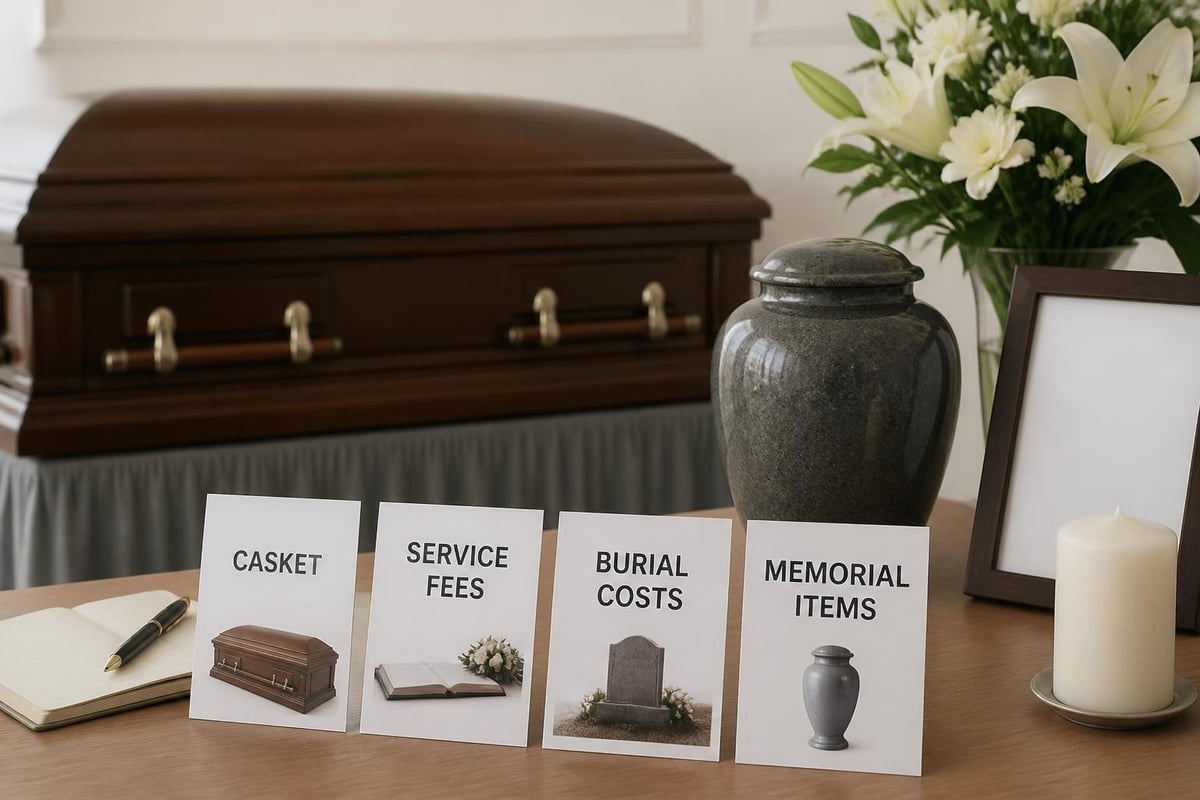
Funeral expenses encompass far more than a basic service. Families typically pay for a casket or urn, embalming and preparation, facility rental for viewing and ceremonies, transportation, burial plot or cremation, grave marker, flowers, programs, and obituary notices. These itemized charges add up quickly.
Breaking Down Average Funeral Expenses
The National Funeral Directors Association reports median costs that vary significantly by region and service level. Here's what families typically encounter:
| Service Component | Average Cost Range |
|---|---|
| Basic services fee | $2,300 – $2,500 |
| Embalming and preparation | $750 – $900 |
| Casket | $2,500 – $9,000+ |
| Viewing and ceremony | $450 – $650 |
| Hearse and transport | $350 – $500 |
| Burial plot | $1,000 – $4,000 |
| Cremation (direct) | $2,000 – $4,000 |
| Headstone or marker | $1,500 – $3,500 |
When you total a mid-range funeral with burial, costs easily reach $8,000 to $10,000. Cremation offers a lower-cost alternative, but even direct cremation with a memorial service runs several thousand dollars.
Many families discover these prices only after a death occurs. Without adequate savings or life insurance, they face immediate pressure to secure funding. A loan for a funeral becomes necessary when other resources aren't available.
Types of Loans Available for Funeral Expenses
Financial institutions and specialized lenders offer several borrowing options when families need to cover final expenses. Each carries distinct terms, qualification requirements, and cost implications.
Personal Installment Loans
Personal loans from banks, credit unions, and consumer lenders represent the most common loan for a funeral. These unsecured loans don't require collateral and typically offer:
- Loan amounts ranging from $1,000 to $50,000
- Repayment terms between 12 and 60 months
- Fixed interest rates that depend on creditworthiness
- Predictable monthly payments for easier budgeting
Borrowers with good to excellent credit may secure rates between 6% and 12%, while those with past credit challenges might see rates from 15% to 36%. The application process usually takes one to three business days, with funds deposited directly into your account.
Standard Financial specializes in personal loans for consumers across Louisiana, Mississippi, Tennessee, and Georgia, including applicants with less-than-perfect credit histories. Flexible terms allow families to balance affordable payments with reasonable total interest costs.
Credit Cards and Cash Advances
Some families charge funeral expenses to existing credit cards or request cash advances. This approach offers immediate access but comes with significant downsides:
- Interest rates frequently exceed 20% APR
- Cash advances carry additional fees (3-5% of the amount)
- Credit utilization impacts your credit score
- Minimum payments extend repayment for years
Credit cards work best only if you can pay the balance within a promotional 0% period or very quickly to avoid accumulating interest charges.
Funeral Home Financing
Many funeral homes partner with finance companies to offer payment plans. These arrangements let families proceed with services while spreading payments over time. Consider these factors:
- Approval is often easier than traditional lending
- Interest rates may be higher than personal loans (18-30% is common)
- Prepayment penalties sometimes apply
- Limited shopping around since you're locked into one provider
Always compare funeral home financing against independent personal loans. The FTC’s consumer guidance on funeral costs emphasizes your right to use any payment method and choose services individually.
Specialized Funeral Loans
Some online lenders market "funeral loans" or "final expense loans" specifically. These function identically to personal loans but may target borrowers dealing with immediate need. Watch for:
- Higher interest rates due to expedited processing
- Shorter repayment windows that increase monthly payments
- Marketing that creates urgency without competitive rate shopping
The product itself isn't inherently problematic, but the specialized label doesn't guarantee better terms than a standard personal loan.
How to Qualify for a Loan for a Funeral
Lenders evaluate several factors when reviewing funeral loan applications. Understanding these criteria helps you prepare and improve approval odds.
Credit Score Requirements
Your credit score significantly influences both approval and interest rate. Here's the typical landscape:
| Credit Score Range | Approval Likelihood | Expected APR Range |
|---|---|---|
| 720+ (Excellent) | Very High | 6% – 12% |
| 680-719 (Good) | High | 10% – 18% |
| 630-679 (Fair) | Moderate | 15% – 25% |
| Below 630 (Poor) | Lower | 20% – 36% |
Many lenders, including consumer-focused institutions like Standard Financial, work with borrowers across the credit spectrum. Past credit issues don't automatically disqualify you, though they affect pricing.
Income and Employment Verification
Lenders need confidence you can repay the loan. Expect to provide:
- Recent pay stubs or bank statements showing income
- Employment verification or proof of steady income source
- Tax returns for self-employed applicants
- Social Security or pension documentation for retirees
The key metric is debt-to-income ratio. Lenders prefer that total monthly debt payments (including the new loan) don't exceed 40-45% of your gross monthly income.
Documentation You'll Need
Gather these items before applying to expedite the process:
- Government-issued photo identification
- Social Security number
- Proof of residence (utility bill, lease, mortgage statement)
- Bank account information for fund deposit
- Funeral home invoice or cost estimate
Having documents ready can reduce approval time from days to hours, critical when funeral homes require payment before or immediately after services.

Smart Borrowing Strategies When Financing a Funeral
Taking out a loan for a funeral requires careful planning to avoid long-term financial strain. These strategies protect your financial health while meeting immediate obligations.
Compare Multiple Lenders Before Committing
Interest rates and terms vary dramatically between lenders. A two-percentage-point difference on a $7,000 loan over 36 months changes total interest paid by several hundred dollars.
Request quotes from at least three sources:
- Local credit unions (often offer member discounts)
- Regional banks with relationship pricing
- Consumer finance companies like Standard Financial
- Online lenders with digital applications
Multiple inquiries within a 14-day window typically count as a single credit check, minimizing score impact.
Borrow Only What You Actually Need
Funeral homes must provide itemized price lists under federal Funeral Rule regulations. Review these carefully and eliminate optional services that don't align with your budget or the deceased's wishes.
Common areas where families overspend:
- Premium caskets when modest options serve the same purpose
- Embalming when not legally required (direct cremation, immediate burial)
- Elaborate flower arrangements versus simple tributes
- Printed materials that can be created digitally
AARP’s guide to lowering funeral costs provides practical alternatives that reduce expenses without diminishing the memorial's meaningfulness.
Choose the Shortest Comfortable Repayment Term
Longer loan terms mean lower monthly payments but significantly higher total interest. Consider this $7,000 loan example at 15% APR:
- 24 months: $339/month payment, $1,136 total interest
- 36 months: $243/month payment, $1,739 total interest
- 48 months: $195/month payment, $2,349 total interest
Select the shortest term you can afford without straining your monthly budget. Every month you shorten the loan saves substantial interest.
Understand Your Rights Regarding Debt After Death
If you're considering a loan to pay for someone else's funeral, understand your obligations. The Consumer Financial Protection Bureau clarifies responsibility for deceased persons’ debts, which varies by state and relationship.
Generally, you're not responsible for someone else's debts unless:
- You co-signed or were a joint account holder
- You're the spouse in a community property state
- State law makes you liable for specific obligations
Take out a loan for a funeral in your own name only if you're legally or morally committed to covering the expense. Don't let funeral homes or collectors pressure you into assuming debts that aren't yours.
Alternatives to Taking Out a Loan for a Funeral
Before committing to borrowing, explore these options that may reduce or eliminate the need for financing.
Life Insurance Benefits and Final Expense Policies
Many people carry life insurance specifically to cover final expenses. If the deceased had a policy:
- Contact the insurance company immediately with a death certificate
- Request expedited processing for funeral expense reimbursement
- Ask about assignment of proceeds directly to the funeral home
Final expense or burial insurance policies typically pay $5,000 to $25,000 specifically for funeral costs. These smaller policies often pay out within days, faster than traditional life insurance.
Crowdfunding and Community Support
Online platforms like GoFundMe, GiveSendGo, and Fundly have become common ways to raise funeral funds. Family members create campaigns explaining their need, share them across social networks, and receive contributions from friends, extended family, and even strangers.
Successful crowdfunding campaigns typically:
- Share an honest, heartfelt story about the deceased
- Set realistic funding goals based on actual expenses
- Update contributors regularly and express gratitude
- Reach out personally to close contacts rather than just posting publicly
Religious communities, fraternal organizations, veterans groups, and labor unions often maintain benevolence funds for member families facing hardship.
Payment Plans Directly With Funeral Homes
Some funeral homes offer in-house payment arrangements without involving finance companies. These informal plans might:
- Require a deposit (typically 25-50%) before services
- Extend the balance over 6-12 months interest-free
- Not report to credit bureaus, avoiding credit score impact
This option depends entirely on the funeral home's policies and your relationship with them. Established community funeral homes are more likely to work flexibly with local families.
Social Security and Veterans Benefits
The Social Security Administration provides a one-time $255 death benefit to eligible surviving spouses or children. While modest, it helps offset costs.
Veterans and their spouses qualify for burial benefits including:
- Burial in a VA national cemetery at no cost
- Government headstone or marker
- Burial flag
- Presidential Memorial Certificate
The Department of Veterans Affairs may also provide burial allowances ranging from $300 to $2,000 depending on circumstances. Contact the VA immediately after a veteran's death to understand available benefits.
Negotiating With Funeral Providers
Funeral costs aren't fixed. ProPublica’s investigation into funeral costs reveals significant price variation between providers and room for negotiation.
Strategies that work:
- Get written price lists from three or more funeral homes
- Ask about package discounts versus itemized pricing
- Inquire about rental caskets for viewing before cremation
- Choose off-peak service times if offered at lower rates
- Purchase caskets and urns from third-party retailers
The Funeral Rule requires funeral homes to accept caskets purchased elsewhere without penalty fees. Online retailers sell caskets for 40-60% less than funeral home prices.
Working With Consumer Lenders During Difficult Times
Consumer finance companies understand that a loan for a funeral represents a crisis situation requiring compassionate, efficient service. What to expect from reputable lenders:
Quick Application and Approval Processes
Time pressure distinguishes funeral loans from other personal loan purposes. Leading consumer lenders offer:
- Online applications completable in 10-15 minutes
- Instant preliminary decisions for well-qualified applicants
- Final approval within 24-48 hours
- Same-day or next-day funding to your bank account
Standard Financial's branch network across Louisiana, Mississippi, Tennessee, and Georgia allows in-person application assistance for borrowers who prefer face-to-face service during difficult circumstances.
Flexible Terms for Various Credit Profiles
Not everyone enjoys perfect credit, especially those who've faced medical bills, job loss, or other financial setbacks. Consumer lenders specializing in broader credit ranges provide:
- Approval consideration for scores below 640
- Reasonable rates despite past credit challenges
- Refinancing options if your credit improves
- Multiple payment date choices to align with income schedule
The goal is finding a manageable monthly payment rather than simply approving the largest possible loan amount.
Transparent Pricing Without Hidden Fees
Reputable lenders provide clear disclosure of:
- Annual percentage rate (APR) incorporating all costs
- Total interest payable over the loan term
- Any origination fees or administrative charges
- Prepayment policies (penalties or benefits)
Avoid lenders who obscure total costs or pressure immediate decisions without documentation. The National Foundation for Credit Counseling offers free resources about understanding loan terms and avoiding predatory lending.

Managing Funeral Loan Repayment Successfully
Once you've secured financing, focus shifts to repaying the debt without damaging your broader financial stability.
Build the Payment Into Your Budget Immediately
Before the first payment arrives, adjust your monthly budget to accommodate it. Identify areas to reduce spending:
- Subscription services you can pause or cancel
- Dining out and entertainment expenses
- Discretionary purchases postponable for several months
- Utility costs through conservation efforts
Treating the loan payment as a non-negotiable expense like rent or utilities prevents missed payments and late fees.
Consider Automatic Payments
Most lenders offer a small interest rate discount (typically 0.25%) for enrolling in automatic payment from your checking account. Benefits include:
- Never missing a payment due to oversight
- Building positive payment history that improves credit
- Potential rate reduction saving money over the loan term
Schedule automatic payments for a few days after your regular payday to ensure funds are available.
Plan for Early Payoff When Possible
If you receive a tax refund, work bonus, or other windfall, consider applying it to your funeral loan principal. Many consumer lenders allow early payoff without penalties.
Even small additional principal payments save interest and shorten your debt period. Adding just $25-50 per month to a $7,000 loan can eliminate months of payments and hundreds in interest.
Communicate With Your Lender If Difficulties Arise
If job loss, medical emergency, or other crisis makes payments difficult, contact your lender immediately. Many offer hardship programs including:
- Temporary payment reduction or deferral
- Loan modification to extend terms and lower payments
- Refinancing if rates have dropped or your credit improved
Ignoring payment difficulties damages your credit and may trigger collection activity. Proactive communication usually yields workable solutions.
Legal Protections and Consumer Rights
Federal and state regulations provide important protections for both funeral consumers and borrowers. Understanding these rights prevents exploitation during vulnerable times.
The FTC Funeral Rule
This federal regulation requires funeral homes to:
- Provide itemized price lists before showing caskets or services
- Disclose all legal requirements accurately
- Allow you to choose only the services you want
- Accept caskets and urns purchased elsewhere
- Not require embalming except in specific circumstances
The Funeral Consumers Alliance offers detailed guidance on enforcing these rights and filing complaints against providers who violate them.
Truth in Lending Requirements
Federal Truth in Lending Act protections apply to funeral loans just like other consumer credit. Lenders must:
- Disclose the APR prominently before you sign
- Provide a written agreement with all terms
- Explain the total amount you'll pay over the loan life
- Clarify whether rates are fixed or variable
Review these disclosures carefully. If terms don't match what you discussed verbally, ask for clarification before signing.
Fair Debt Collection Practices
If you fall behind on funeral loan payments, the Fair Debt Collection Practices Act limits how lenders and collection agencies can pursue payment. They cannot:
- Contact you before 8 a.m. or after 9 p.m.
- Harass you with repeated calls or profane language
- Threaten actions they cannot legally take
- Contact your employer about the debt
Document all collection communications and report violations to the Consumer Financial Protection Bureau and your state attorney general.
Regional Considerations for Funeral Financing
Funeral costs, lending markets, and available assistance vary by region. Families in Louisiana, Mississippi, Tennessee, and Georgia face specific considerations.
Cost Variations Across the Southeast
Regional funeral costs reflect local economic conditions and cultural traditions:
- Louisiana: Average funerals run $7,500-9,500, with New Orleans area costs higher due to above-ground burial requirements
- Mississippi: Typically $6,500-8,500, among the lowest in the region
- Tennessee: Range from $7,000-10,000 depending on urban versus rural location
- Georgia: Atlanta area averages $9,000-11,000, while rural areas see $6,500-8,500
These variations affect how much you might need to borrow. Always get local price quotes rather than relying on national averages.
State-Specific Lending Regulations
State laws govern maximum interest rates, fee structures, and lending practices. Consumer lenders operating across multiple states must comply with each jurisdiction's regulations, generally protecting borrowers from excessive charges.
Local Assistance Programs
Many communities offer funeral assistance through:
- County social services departments for indigent burials
- Faith-based organizations with benevolence funds
- Civic groups like Lions, Rotary, and Elks clubs
- Ethnic and cultural associations serving specific communities
Contact your local United Way's 211 helpline to identify funeral assistance resources in your specific area.
Financing a funeral requires balancing immediate practical needs with long-term financial health. By understanding your options, comparing lenders carefully, and exploring alternatives to borrowing, you can honor your loved one without creating unmanageable debt. Standard Financial offers personal loans with flexible terms designed for families facing unexpected expenses, including funeral costs, with branch offices throughout Louisiana, Mississippi, Tennessee, and Georgia ready to provide compassionate, personalized service when you need it most.







No comment yet, add your voice below!