

Debt can feel overwhelming, but with the right strategies and commitment, you can accelerate your path to financial freedom. Whether you're dealing with credit card balances, personal loans, medical bills, or educational expenses, understanding how to pay off debt fast requires a comprehensive approach that combines smart budgeting, strategic repayment methods, and sometimes creative refinancing solutions. The journey to becoming debt-free starts with acknowledging your current financial situation and making deliberate choices that prioritize your long-term financial health.
Understanding Your Complete Debt Picture
Before implementing any repayment strategy, you need a clear understanding of what you owe. This foundational step separates those who successfully eliminate debt from those who continue struggling.
Conducting a Comprehensive Debt Audit
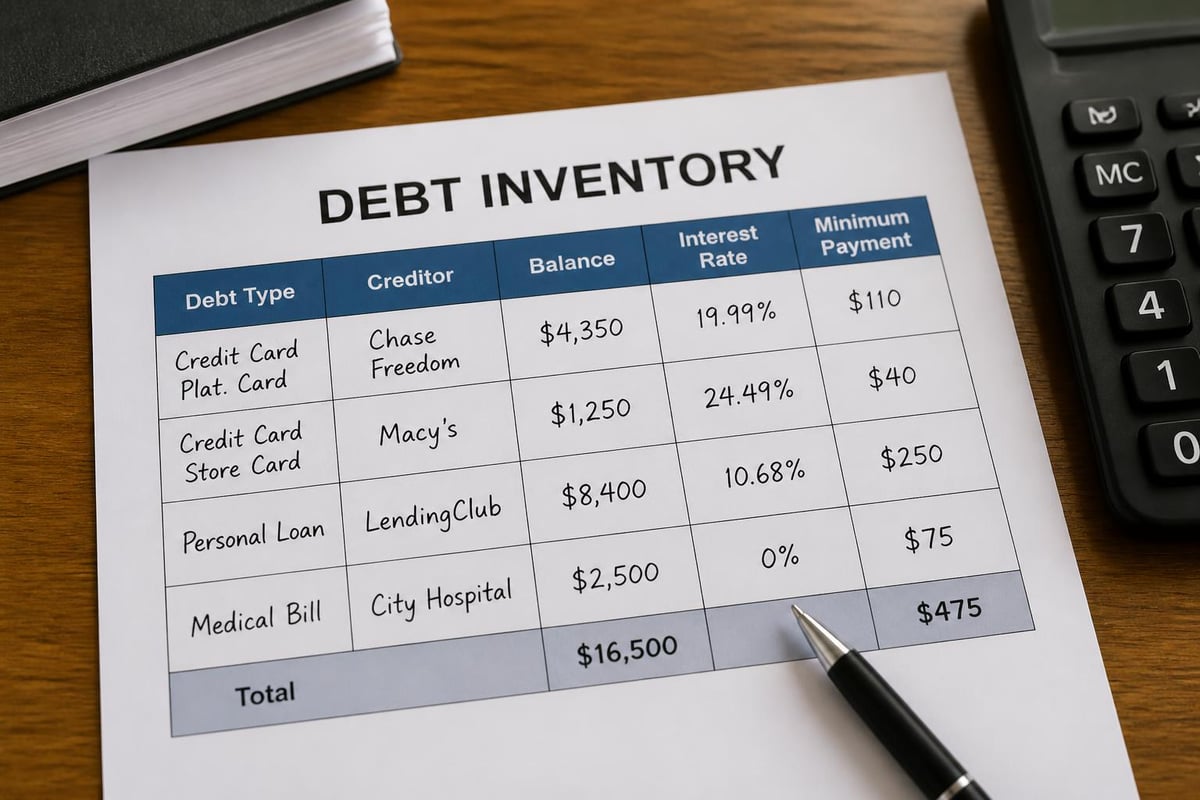
Start by creating a detailed inventory of all your debts. List each creditor, the total balance owed, interest rate, minimum monthly payment, and due date. This exercise might feel uncomfortable, but it's essential for developing an effective payoff strategy.
Your debt audit should include:
- Credit card balances with their APRs
- Personal loans and their terms
- Medical bills and payment plans
- Student loans (federal and private)
- Auto loans
- Any other outstanding obligations
Many people discover they owe more than they initially thought during this process. That's normal and actually helpful because you can't solve a problem you haven't fully identified.
Calculating Your Debt-to-Income Ratio
Your debt-to-income ratio (DTI) represents how much of your monthly gross income goes toward debt payments. Lenders use this metric to assess your financial health, and you should too. Calculate it by dividing your total monthly debt payments by your gross monthly income, then multiply by 100.
A DTI above 43% typically indicates financial stress and makes qualifying for additional credit challenging. Understanding this number helps you gauge the urgency of your situation and set realistic timelines.
Proven Methods to Accelerate Debt Repayment
Once you understand your debt landscape, you can select the most effective repayment strategy. Different methods work better for different personality types and financial situations.
The Debt Avalanche Method
The avalanche method focuses on mathematical efficiency. You make minimum payments on all debts while directing any extra money toward the debt with the highest interest rate. Once that's eliminated, you move to the next highest rate.
This approach saves the most money on interest payments over time, making it ideal for those motivated by numbers and long-term savings. However, it requires patience since your highest-rate debt might not be your smallest balance.
| Debt Avalanche Advantages | Debt Avalanche Challenges |
|---|---|
| Minimizes total interest paid | Progress may feel slow initially |
| Mathematically optimal | Requires strong discipline |
| Fastest route to debt-free status | Less psychological reinforcement |
| Works well for analytical thinkers | May not suit emotional spenders |
The Debt Snowball Method
The snowball method prioritizes psychological wins. You pay minimums on everything while attacking your smallest debt first, regardless of interest rate. When that's gone, you roll that payment into the next smallest debt, creating momentum.
This strategy works exceptionally well for people who need regular encouragement. The quick wins from eliminating smaller debts provide motivation to stay committed to the process, even if it costs slightly more in interest over time.
The Hybrid Approach
Some financial experts recommend combining both methods. Start with the snowball to build momentum by quickly eliminating one or two small debts, then switch to the avalanche method to minimize interest on larger balances.
This hybrid strategy acknowledges both the mathematical and psychological components of learning how to pay off debt fast. It's particularly effective for people in the early stages who need encouragement but also want to optimize their repayment.
Creating a Debt Repayment Budget
Your budget is the engine that powers your debt elimination strategy. Without controlling spending and redirecting money toward debt, even the best repayment method will fail.
Implementing the Zero-Based Budget
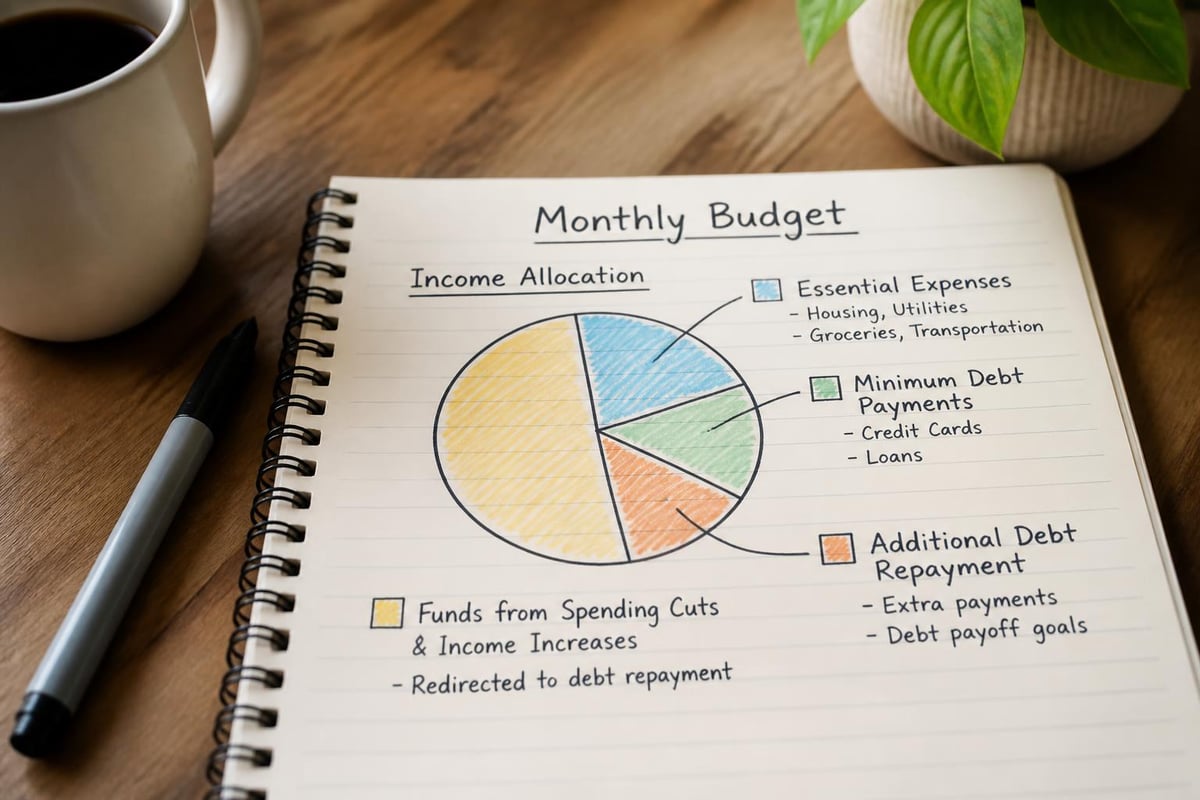
A zero-based budget assigns every dollar of income a specific purpose before the month begins. Income minus expenses (including debt payments) should equal zero. This doesn't mean spending everything but rather that every dollar has a designated job, whether that's bills, groceries, savings, or extra debt payments.
Essential budget categories include:
- Housing costs (rent/mortgage, utilities, insurance)
- Transportation (car payment, insurance, fuel, maintenance)
- Food (groceries and reasonable dining out)
- Minimum debt payments
- Essential living expenses
- Emergency fund contributions
- Additional debt payments
The key is being ruthlessly honest about needs versus wants. That streaming service or daily coffee shop visit might seem small, but redirecting $150 monthly toward debt can shave months or years off your repayment timeline.
Finding Extra Money for Debt Payments
Beyond cutting expenses, consider strategies to increase the gap between income and spending. Even modest increases in your monthly debt payment create substantial long-term impact through reduced interest accumulation.
Accelerating debt repayment often requires making multiple payments throughout the month rather than one large payment. This reduces your average daily balance and the interest calculated on it.
Strategic Refinancing and Consolidation Options
Sometimes the path to learning how to pay off debt fast involves restructuring your existing obligations. Refinancing and consolidation can lower interest rates, simplify payments, and accelerate your debt-free date.
When Refinancing Makes Sense
Refinancing involves replacing existing debt with a new loan at better terms. This works best when you can secure a significantly lower interest rate or when consolidating multiple payments into one simplifies your financial management.
For residents of Louisiana, Mississippi, Tennessee, and Georgia dealing with high-interest debt, exploring refinancing options through established lenders can provide relief. Lower rates mean more of each payment reduces principal rather than feeding interest charges.
Balance Transfer Strategies
Credit card balance transfers to cards offering 0% introductory APR periods can be powerful tools if used correctly. The key is having a concrete plan to pay off the transferred balance before the promotional period ends, typically 12-21 months.
Balance transfer success requires:
- Calculating exactly how much to pay monthly to eliminate the balance before promotional rates expire
- Avoiding new purchases on the transfer card
- Making payments on time (late payments often void promotional rates)
- Accounting for balance transfer fees (typically 3-5%)
Without discipline, balance transfers simply postpone the problem rather than solving it. They work best as part of a comprehensive debt elimination plan, not as a standalone solution.
Personal Loan Consolidation
Personal loans for debt consolidation can transform multiple high-interest debts into a single payment with a lower fixed rate. This simplification reduces the mental burden of tracking multiple due dates and varying interest rates.
The structured approach to managing debt often includes consolidation as one component of a larger strategy. However, consolidation only works if you address the spending behaviors that created debt in the first place.
| Consolidation Benefits | Consolidation Risks |
|---|---|
| Single monthly payment | May extend repayment timeline |
| Potentially lower interest rate | Origination fees can add costs |
| Fixed repayment schedule | Requires good credit for best rates |
| Simplified financial management | Temptation to accumulate new debt |
Increasing Income to Accelerate Debt Payoff
While reducing expenses helps, increasing income often provides more dramatic results when figuring out how to pay off debt fast. The gap between what you earn and what you spend determines how quickly you can eliminate debt.
Side Income Opportunities
The gig economy offers numerous ways to generate additional income. Driving for rideshare services, delivering food, freelancing skills online, or selling items you no longer need can create extra debt payment money.
The key is directing this supplemental income entirely toward debt rather than increasing lifestyle expenses. Treating side income as "found money" for debt elimination can reduce your repayment timeline by years.
Career Advancement and Raises
Investing in professional development, seeking promotions, or negotiating raises provides sustainable income increases. Even a modest 5% raise on a $50,000 salary creates an additional $2,500 annually for debt repayment.
Balancing debt repayment with future planning requires strategic thinking about career growth alongside immediate debt concerns. Sometimes investing in certifications or education that increase earning potential makes sense even while carrying debt.
Behavioral Changes That Support Debt Freedom
Technical strategies matter, but sustainable debt elimination requires addressing the behaviors and mindsets that created debt initially. Without these changes, you risk repeating the cycle.
The Cash Envelope System
Using physical cash for variable expenses like groceries, entertainment, and dining creates tangible spending limits. When the envelope is empty, spending stops until the next budget period. This visceral connection to money makes overspending much harder.
While digital payment methods dominate 2026, the psychological impact of physically handing over cash creates spending friction that helps many people stick to budgets. You can replicate this digitally through separate checking accounts for different spending categories.
Automating Financial Success
Automation removes willpower from the equation. Set up automatic transfers to move money from checking to debt payments immediately after payday. This "pay yourself first" principle (where "yourself" means your debt-free future) ensures debt payments happen before discretionary spending tempts you.
Automate these financial actions:
- Minimum payments on all debts (prevent late fees)
- Extra payments to your priority debt
- Small emergency fund contributions
- Bill payments to avoid late charges
The less you manually handle, the fewer opportunities exist for derailing your debt elimination plan.
Building a Small Emergency Buffer
It seems counterintuitive to save while carrying high-interest debt, but a small emergency fund ($500-$1,000) prevents minor unexpected expenses from derailing your debt payoff plan. Without this buffer, a car repair or medical bill forces you back onto credit cards, undoing progress.
Once you've eliminated high-interest debt, expand this emergency fund to cover 3-6 months of expenses. But in the aggressive debt payoff phase, a modest buffer provides protection without significantly slowing debt elimination.

Negotiating With Creditors and Managing Setbacks
Even the best debt repayment plans encounter obstacles. Knowing how to navigate challenges and communicate with creditors can mean the difference between success and failure.
Communicating With Lenders
If you're struggling to make payments, contact creditors immediately rather than avoiding the situation. Many lenders offer hardship programs, temporary interest rate reductions, or modified payment plans for borrowers facing genuine difficulties.
Individuals with lower incomes can still pay off debt quickly by being proactive about communicating challenges and exploring all available options. Lenders prefer working with borrowers who communicate openly over those who simply stop paying.
Settlement Negotiations
In severe situations, creditors might accept less than the full balance owed through debt settlement. However, this damages your credit significantly and should be a last resort after exploring all other options, including credit counseling and bankruptcy alternatives.
Professional debt negotiation services exist, but many charge substantial fees for services you can often perform yourself. Research thoroughly before engaging these companies.
Handling Financial Setbacks
Unexpected expenses, income loss, or medical emergencies will test your debt elimination plan. The key is viewing setbacks as temporary obstacles rather than failures.
When setbacks occur, reassess your budget immediately, communicate with creditors if necessary, and adjust your debt payoff timeline realistically. Pausing extra payments temporarily while maintaining minimums prevents falling into default during difficult periods.
Maintaining Motivation Throughout the Journey
Learning how to pay off debt fast is partly technical and partly psychological. Maintaining motivation over months or years of disciplined repayment requires intentional strategies.
Tracking Progress Visually
Create visual representations of your debt payoff journey. Whether it's a thermometer chart showing balances decreasing, a paper chain where you remove a link for each $100 paid, or a spreadsheet with satisfying graphs, visual progress creates motivation.
Many people find that publicly sharing their journey (while respecting privacy around specific numbers) through social media or accountability groups provides external motivation and support during difficult moments.
Celebrating Milestones
Build celebration points into your debt elimination plan. When you pay off a specific debt, reach a balance milestone, or complete six months of consistent payments, acknowledge the achievement with modest, budget-friendly rewards.
These celebrations reinforce positive behaviors without derailing progress. A $20 celebratory dinner doesn't undo months of progress but does provide psychological reinforcement to continue.
Focusing on the Future
Regularly remind yourself why you're making these sacrifices. Whether it's homeownership, career flexibility, travel opportunities, or simply the peace of mind that comes with financial stability, connecting daily actions to long-term goals sustains motivation.
Your debt-free future might include:
- Lower financial stress and better mental health
- Ability to save for retirement aggressively
- Flexibility to change careers or relocate
- Opportunity to help family members financially
- Freedom to pursue passions without financial constraints
Understanding how to pay off debt fast transforms your entire financial trajectory. The sacrifices you make today create opportunities your future self will appreciate enormously.
Leveraging Professional Financial Resources
While self-directed debt elimination works for many people, professional guidance can accelerate the process and prevent costly mistakes. Knowing when to seek help demonstrates financial wisdom rather than weakness.
Credit Counseling Services
Nonprofit credit counseling agencies offer free or low-cost services including budget reviews, debt management plans, and financial education. These organizations negotiate with creditors on your behalf to reduce interest rates or establish manageable payment plans.
Legitimate credit counselors are certified through organizations like the National Foundation for Credit Counseling. They focus on education and sustainable solutions rather than quick fixes that damage long-term financial health.
Working With Established Lenders
When refinancing or consolidating debt, working with established financial institutions that understand regional economic conditions and offer personalized service can make significant differences in outcomes. Companies with physical branch locations provide face-to-face conversations that help navigate complex financial situations.
For borrowers with past credit challenges, finding lenders that evaluate applications holistically rather than solely through credit scores opens doors that might otherwise remain closed. Flexible financing options and refinancing programs designed for real-world situations help people access tools for successful debt elimination.
Eliminating debt quickly requires commitment, strategic planning, and consistent execution across multiple financial areas. By understanding your complete debt picture, selecting appropriate repayment methods, optimizing your budget, and maintaining motivation throughout the journey, you can achieve financial freedom faster than you might expect. If you're struggling with high-interest debt or need flexible refinancing options to accelerate your debt payoff journey, Standard Financial offers personalized lending solutions across Louisiana, Mississippi, Tennessee, and Georgia, including options for clients with past credit challenges who are committed to improving their financial futures.







No comment yet, add your voice below!