

Financial emergencies don't wait for payday, and sometimes traditional credit options aren't available or practical. Short term installment loans have emerged as a valuable financial tool for millions of Americans who need access to funds quickly but prefer the structure of predictable monthly payments. Unlike payday loans that require a lump-sum repayment, these loans allow borrowers to spread payments over several months, making them more manageable for household budgets. Understanding how these loans work, their advantages, and what to look for when applying can help you make informed decisions during financially challenging times.
What Are Short Term Installment Loans
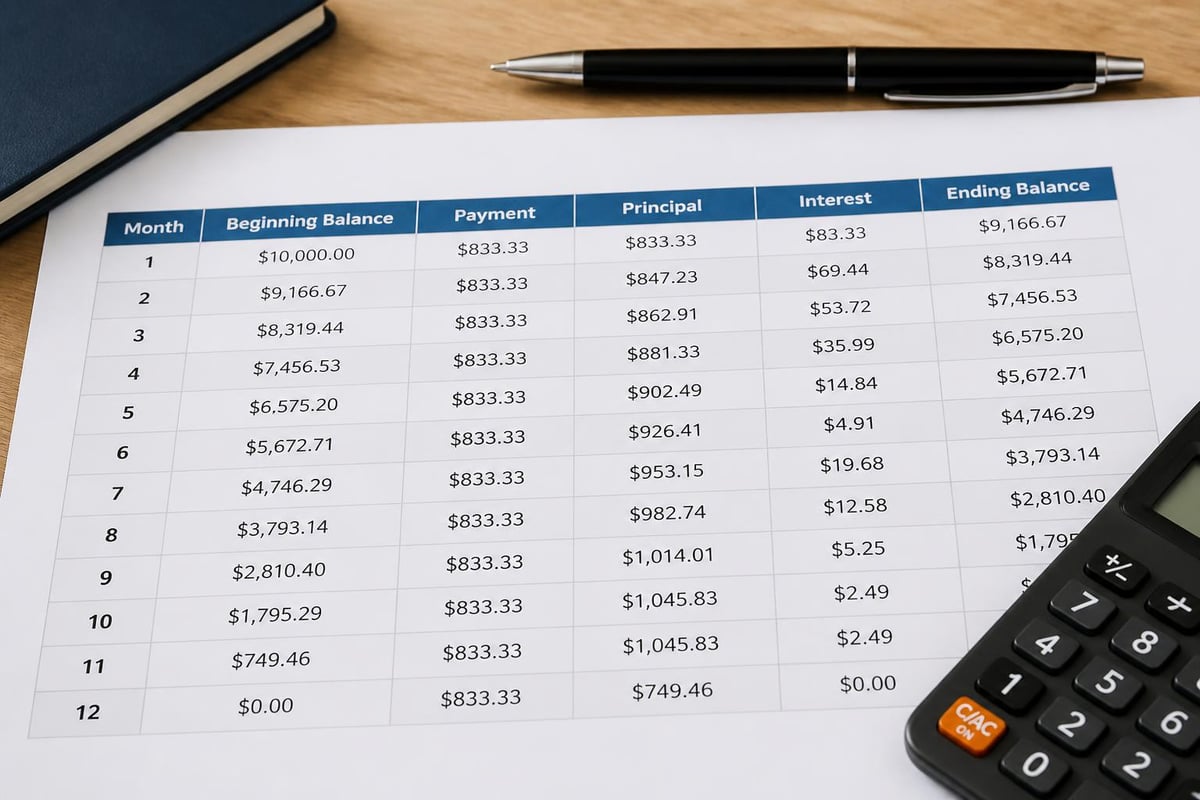
Short term installment loans are personal loans that borrowers repay through scheduled payments over a relatively brief period, typically ranging from three to eighteen months. Each payment includes both principal and interest, creating a predictable repayment structure that helps borrowers budget effectively.
These loans differ significantly from other short-term credit products. While payday loans typically require full repayment within two weeks to a month, short term installment loans provide extended repayment periods with multiple payment dates. The Office of the Comptroller of the Currency provides comprehensive guidance on installment lending practices that help protect consumers.
Key Characteristics
Loan amounts generally range from $500 to $5,000, though some lenders offer higher amounts based on creditworthiness and income verification. The specific amount you qualify for depends on several factors including your employment status, monthly income, and existing financial obligations.
Repayment terms are fixed at the time of origination. Borrowers know exactly how many payments they'll make, when each payment is due, and how much each payment will be. This transparency distinguishes short term installment loans from revolving credit products where minimum payments fluctuate based on outstanding balances.
Interest rates and fees vary widely based on state regulations, lender policies, and borrower qualifications. Understanding the annual percentage rate (APR) helps borrowers compare the true cost of different loan offers beyond just the interest rate.
Benefits of Short Term Installment Loans
Budget predictability stands as one of the most significant advantages these loans offer. When you know exactly how much you'll pay each month, planning other expenses becomes considerably easier. This structured approach helps prevent the debt cycles that can occur with other credit products.
Financial Flexibility
Short term installment loans provide breathing room that single-payment loans don't offer. Instead of scrambling to repay everything at once, borrowers can manage their obligations alongside regular living expenses. This flexibility proves particularly valuable when addressing:
- Unexpected medical bills that insurance doesn't cover
- Emergency vehicle repairs needed for work commute
- Essential home repairs that can't wait
- Time-sensitive educational expenses
- Temporary gaps between jobs or reduced hours
Credit Building Opportunities
Responsible repayment of short term installment loans can positively impact credit scores. Payment history accounts for a substantial portion of credit scoring models, and consistent on-time payments demonstrate financial responsibility to future lenders.
| Credit Impact Factor | Weight in Score | How Installment Loans Help |
|---|---|---|
| Payment History | 35% | On-time monthly payments reported to bureaus |
| Credit Mix | 10% | Adds installment account to credit profile |
| Length of History | 15% | Establishes positive payment track record |
| New Credit | 10% | Responsible borrowing demonstrates capacity |
Many lenders report payment activity to major credit bureaus, creating opportunities for borrowers to rebuild or establish credit through responsible loan management. This benefit extends beyond the immediate financial need, potentially improving access to better credit terms in the future.
How to Qualify for Short Term Installment Loans
Qualification requirements vary among lenders, but most follow similar assessment patterns. Understanding these criteria helps potential borrowers prepare their applications and improve approval odds.
Income verification remains fundamental to the approval process. Lenders need assurance that borrowers have sufficient income to handle loan payments alongside existing obligations. Acceptable income sources typically include:
- Regular employment wages or salary
- Self-employment income with documentation
- Social Security or disability benefits
- Pension or retirement income
- Consistent alimony or child support payments
Documentation Requirements
Preparing proper documentation streamlines the application process. Most lenders request several standard items to verify identity, income, and banking information.
Personal identification such as a driver's license or state-issued ID confirms your identity and residency. Lenders operating in Louisiana, Mississippi, Tennessee, and Georgia must verify that applicants reside in states where they're licensed to lend.
Proof of income might include recent pay stubs, bank statements showing regular deposits, tax returns for self-employed applicants, or benefit award letters. The specific documentation needed depends on your income type and the lender's policies.
Bank account information allows lenders to verify your banking relationship and, if approved, deposit funds electronically. This requirement also facilitates automatic payment arrangements that help ensure timely repayments.

Understanding Costs and Regulations
The Consumer Financial Protection Bureau has established regulations governing certain high-cost installment loans to protect consumers from predatory lending practices. These rules impact how lenders assess ability to repay and limit certain fee structures.
APR and Total Cost
Annual percentage rate represents the true cost of borrowing, including interest and most fees expressed as a yearly rate. A loan with a 36% APR costs significantly less than one with a 100% APR, even if monthly payments appear similar.
Comparing offers requires looking beyond monthly payment amounts. Two loans with identical payments might have vastly different total costs depending on the repayment term and APR. Shorter terms generally mean higher monthly payments but lower total interest paid.
State-Specific Regulations
Lending regulations differ across states where short term installment loans are offered. Louisiana, Mississippi, Tennessee, and Georgia each have specific laws governing maximum loan amounts, interest rate caps, and permissible fees.
Louisiana regulates small loans through the Louisiana Consumer Credit Law, which establishes parameters for loan amounts and charges. Borrowers benefit from these protections that limit what lenders can charge.
Mississippi permits installment loans under specific licensing requirements that ensure lenders operate within established consumer protection frameworks. These rules create a balance between access to credit and borrower protection.
Tennessee and Georgia similarly maintain regulatory structures that oversee consumer lending practices, though specific provisions vary. Understanding your state's regulations helps you recognize fair lending practices and identify potential red flags.
Comparing Short Term Installment Loans to Alternatives
Several credit options might seem similar to short term installment loans, but important differences affect their suitability for various financial situations.
Payday Loans
The CFPB has documented how payday loans can trap consumers in debt cycles due to their single-payment structure and high costs. Short term installment loans typically cost less overall and provide manageable repayment schedules.
Payday loans require full repayment within weeks, creating pressure that often leads to loan renewals and additional fees. This cycle can quickly become unsustainable. In contrast, installment loans spread repayment over months, reducing the likelihood of default or expensive rollovers.
Buy Now, Pay Later Services
Buy Now, Pay Later programs have gained popularity for retail purchases, offering interest-free payment plans for specific transactions. While convenient for planned purchases, these services typically don't provide cash that borrowers can use for various needs.
Recent analysis by the Federal Reserve Bank of Richmond examines BNPL’s market impact and policy considerations, noting how these products compete with traditional credit. Short term installment loans offer more versatility, providing funds that borrowers can allocate to any urgent need rather than specific merchant purchases.
Credit Cards
Credit cards provide revolving credit with minimum payment requirements, but several factors make short term installment loans preferable in certain situations. Cards with available credit may charge high interest rates, particularly for cash advances. Additionally, minimum payments on revolving credit can extend repayment for years.
| Feature | Short Term Installment Loan | Credit Card | Payday Loan |
|---|---|---|---|
| Repayment Structure | Fixed monthly payments | Flexible minimum payments | Single lump sum |
| Typical Term | 3-18 months | Ongoing/revolving | 2-4 weeks |
| Credit Impact | Builds with on-time payments | Utilization affects score | Rarely reported |
| Funding Speed | 1-2 business days | Instant (existing account) | Same day |
| Best For | Specific needs, credit building | Ongoing expenses | Very short-term needs |
Making the Most of Your Short Term Installment Loan
Borrowing responsibly maximizes the benefits of short term installment loans while minimizing potential drawbacks. Strategic planning before, during, and after the loan helps achieve financial goals.
Before Applying
Calculate your actual need rather than borrowing the maximum available amount. Taking only what you need reduces interest costs and makes repayment more manageable. Consider whether partial solutions might address your situation adequately.
Review your budget to ensure loan payments fit comfortably within your monthly income. Financial strain occurs when borrowers underestimate how loan payments will affect other obligations. Account for all existing expenses before committing to new debt.
Compare multiple lenders to find the most favorable terms. Rates, fees, and repayment options vary significantly among providers. Taking time to shop around can save hundreds of dollars over the loan term.
During Repayment
Set up automatic payments to avoid missed due dates that can trigger late fees and credit damage. Most lenders offer autopay options that withdraw scheduled amounts from your bank account on designated dates.
Communicate with your lender if financial difficulties arise. Many lenders work with borrowers experiencing temporary hardships to modify payment schedules or explore other solutions. Proactive communication beats ignoring problems.
Consider early repayment if your financial situation improves. Some loans allow prepayment without penalties, reducing total interest costs. Check your loan agreement for prepayment terms before sending additional payments.

Who Benefits Most from Short Term Installment Loans
These loans serve diverse populations with varying financial circumstances, but certain situations particularly align with the benefits they offer.
Individuals Rebuilding Credit
People recovering from past credit challenges often find short term installment loans accessible when other credit options aren't available. Responsible repayment demonstrates improved financial management to future creditors while addressing immediate needs.
Lenders who specialize in serving clients with past credit issues evaluate applications holistically, considering current income and employment stability alongside credit history. This approach opens doors for borrowers working to rebuild their financial standing.
Workers with Irregular Income
Self-employed individuals, commissioned salespeople, and gig economy workers may experience income fluctuations that make budgeting challenging. Short term installment loans with fixed payments provide stability during lean periods, with repayment possible during better months.
Emergency Situations
Medical emergencies, vehicle breakdowns, and home repairs often can't wait for traditional loan processing or credit card applications. Short term installment loans typically fund quickly, addressing urgent situations before they escalate into larger problems.
Recognizing Quality Lenders
Not all lenders operate with the same standards or prioritize customer service equally. Identifying reputable providers protects borrowers from predatory practices and ensures fair treatment.
Transparency in Terms
Quality lenders clearly disclose all loan terms before requiring commitment. You should understand the APR, total repayment amount, payment schedule, and any fees before signing documents. Hidden charges or unclear terms signal potential problems.
Written agreements should match verbal discussions. If a loan officer describes terms differently than what appears in writing, request clarification before proceeding. Legitimate lenders welcome questions and provide consistent information across all communications.
Licensing and Compliance
Verify that lenders hold proper licenses for your state. Louisiana, Mississippi, Tennessee, and Georgia each require consumer lenders to obtain specific authorizations before operating. Licensed lenders follow state regulations designed to protect consumers.
Customer Service Standards
Responsive customer service indicates a lender's commitment to positive borrower relationships. Before applying, test their responsiveness by calling with questions about their products. Quality lenders employ knowledgeable staff who can explain loan features clearly.
Local presence matters when you need in-person assistance or prefer face-to-face interactions. Branch offices provide accessible support throughout the loan term, from application through final payment.
Planning Beyond Your Current Loan
Short term installment loans address immediate needs, but long-term financial health requires broader planning. Using these loans strategically within a comprehensive financial approach maximizes their value.
Building Emergency Savings
After addressing your current situation, prioritize establishing emergency savings to reduce future borrowing needs. Even small regular contributions grow into cushions that prevent financial emergencies from requiring loans.
Automate savings by setting up recurring transfers from checking to savings accounts. Treating savings like a bill ensures consistent progress toward financial security goals.
Improving Credit Scores
As your short term installment loan establishes positive payment history, other credit opportunities may become available with better terms. Monitor your credit reports to track improvement and identify areas needing attention.
Request free annual credit reports from major bureaus to verify that lenders accurately report your payment history. Dispute any errors that could unfairly impact your scores.
Creating Financial Goals
Short-term borrowing works best within the context of defined financial objectives. Whether saving for a home, building retirement security, or funding education, clear goals guide better financial decisions.
Common Misconceptions About Short Term Installment Loans
Several myths persist about these financial products, sometimes preventing people who could benefit from considering them as viable options.
Myth: Only People with Bad Credit Use Them
While short term installment loans serve borrowers rebuilding credit, people with good credit also use them for specific situations. Quick funding, predictable payments, and not tying up credit card limits make them practical choices regardless of credit scores.
Myth: All Short Term Loans Are Predatory
Responsible lenders offering short term installment loans operate under regulatory oversight and prioritize sustainable lending practices. Conflating all short-term credit with predatory payday lending ignores important distinctions in structure, cost, and borrower outcomes.
Myth: They Always Hurt Credit Scores
Short term installment loans impact credit based on how borrowers manage them. On-time payments build positive history, while missed payments damage scores. The loan itself is neutral; borrower behavior determines credit impact.
Myth: You Can't Afford Them If You Need Them
This circular logic suggests that needing to borrow proves inability to repay. In reality, temporary financial gaps don't necessarily indicate inability to manage structured debt. Many borrowers successfully use short term installment loans to bridge specific situations while maintaining overall financial stability.
Smart Borrowing in 2026
The lending landscape continues evolving with technology improvements, regulatory updates, and changing consumer needs. Staying informed about current practices helps borrowers make better decisions.
Digital applications now enable faster processing without sacrificing security. Advanced verification systems confirm identity and income quickly, reducing approval times from days to hours in many cases.
Flexible repayment options increasingly accommodate various payment schedules. Some lenders allow borrowers to choose payment dates that align with pay periods, reducing the risk of insufficient funds.
Enhanced communication through mobile apps, text alerts, and email reminders helps borrowers stay current on payment obligations. These tools prevent accidental late payments that could trigger fees or credit damage.
Short term installment loans provide valuable financial tools when used responsibly, offering structured repayment schedules that fit household budgets while addressing urgent needs. Understanding how these loans work, comparing costs carefully, and borrowing only what you need positions you for successful repayment and improved financial stability. If you're facing an unexpected expense or financial gap, Standard Financial offers flexible financing solutions with personalized service at branch locations throughout Louisiana, Mississippi, Tennessee, and Georgia, helping clients navigate financial challenges even with past credit issues.







No comment yet, add your voice below!