

Personal loans have become one of the most versatile financial tools available to consumers across the United States. Whether you're consolidating debt, covering unexpected medical expenses, or funding home improvements, understanding the complete picture of what personal loans offer is essential before committing to any borrowing decision. This comprehensive guide examines the pros and cons of personal loans, helping you navigate the lending landscape with confidence.
Understanding Personal Loans and Their Growing Popularity
Personal loans are unsecured installment loans that provide borrowers with a lump sum of money upfront, which is then repaid over a predetermined period through fixed monthly payments. Unlike mortgages or auto loans that are tied to specific assets, personal loans offer remarkable flexibility in how you use the funds.
The consumer lending market has evolved significantly in recent years, with more Americans turning to personal loans for various financial needs. According to recent industry data, personal loan borrowing has increased steadily as consumers recognize the advantages these products offer compared to credit cards and other forms of borrowing.
Financial institutions now offer personal loans ranging from small amounts for minor expenses to substantial sums for major life events. The accessibility has improved dramatically, with many lenders serving borrowers across different credit profiles, including those who have experienced credit challenges in the past.

Major Advantages of Personal Loans
Fixed Interest Rates Provide Predictability
One of the most significant benefits when examining the pros and cons of personal loans is the stability that fixed interest rates provide. Unlike credit cards with variable rates that can fluctuate based on market conditions, personal loans typically lock in your interest rate at the time of origination.
This predictability offers several practical benefits:
- Budget certainty throughout the entire loan term
- Protection from rising interest rate environments
- Easier long-term financial planning with known payment amounts
- No surprises in your monthly obligations
Flexible Usage for Multiple Purposes
Personal loans stand out for their versatility. Borrowers can use funds for nearly any legitimate purpose without restrictions from the lender.
Common uses include:
- Medical expenses not covered by insurance
- Home improvement projects that increase property value
- Educational costs including tuition and certification programs
- Debt consolidation to simplify multiple payment obligations
- Emergency repairs for vehicles or essential appliances
- Life events such as weddings or relocations
This flexibility makes personal loans an attractive option for consumers who need access to capital without the limitations imposed by purpose-specific loans.
Debt Consolidation Benefits
For borrowers juggling multiple high-interest debts, personal loans can serve as an effective consolidation tool. By combining several debts into a single loan with one monthly payment, you can potentially reduce your overall interest costs and simplify your financial management.
| Debt Type | Average Interest Rate | Personal Loan Benefit |
|---|---|---|
| Credit Cards | 18% – 24% | Lower fixed rate |
| Payday Loans | 300% – 400% APR | Significantly reduced cost |
| Medical Bills | Variable | Structured repayment |
| Store Cards | 20% – 30% | Single payment |
The benefits of debt consolidation through personal loans extend beyond interest savings. Managing one payment instead of several reduces the risk of missed payments and can improve your credit score over time.
Credit Building Opportunities
When managed responsibly, personal loans can positively impact your credit profile in multiple ways. Making consistent, on-time payments demonstrates creditworthiness to future lenders and helps establish a positive payment history.
Credit score improvements come from:
- Payment history (35% of FICO score)
- Credit mix diversification (10% of FICO score)
- Reduced credit utilization on revolving accounts
- Demonstrated ability to manage installment debt
Quick Access to Funds
Modern lending processes have streamlined personal loan funding significantly. Many lenders now offer same-day or next-day funding once your application is approved, providing rapid access to needed capital during emergencies or time-sensitive opportunities.
Potential Drawbacks and Considerations
Interest Costs Over Time
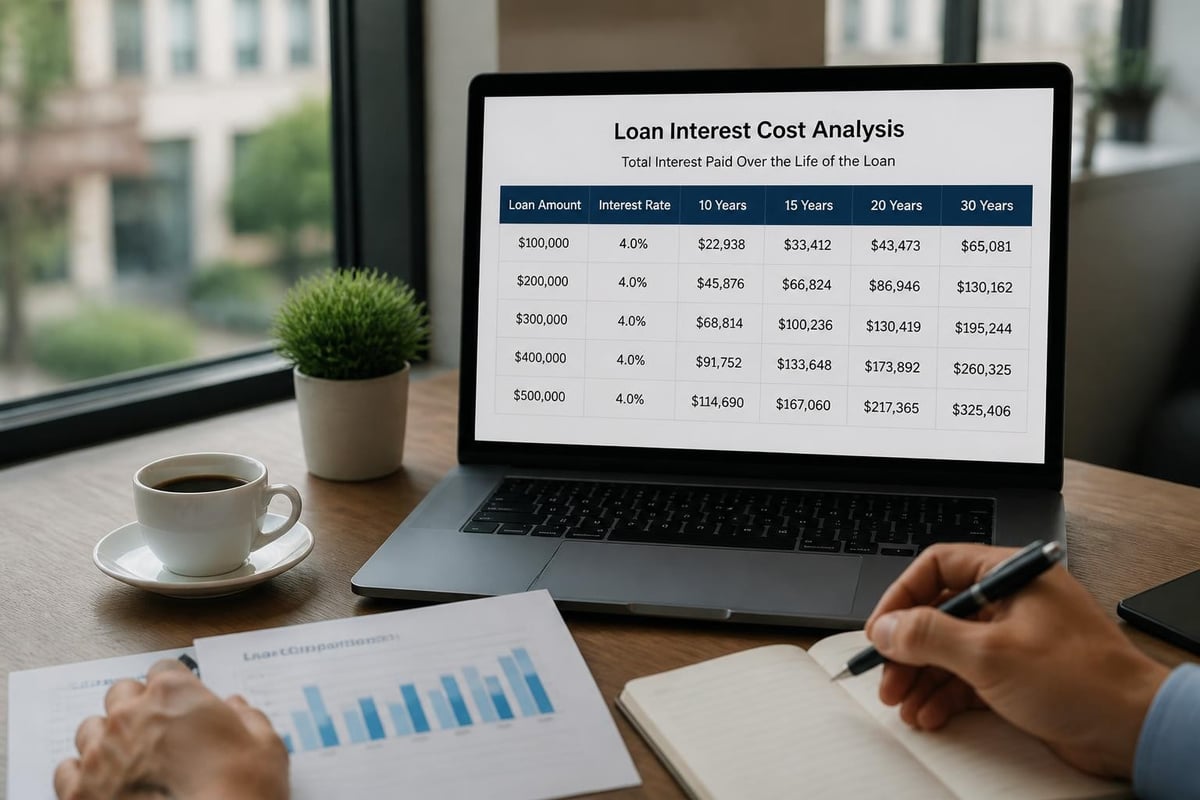
While the pros and cons of personal loans include many benefits, the total interest paid over the loan term represents a significant consideration. Even with competitive rates, borrowers pay substantially more than the original loan amount when interest is factored across the repayment period.
Consider this example of a $10,000 loan at different rates and terms:
| Loan Term | Interest Rate | Monthly Payment | Total Interest Paid |
|---|---|---|---|
| 3 years | 8% | $313 | $1,268 |
| 5 years | 8% | $203 | $2,180 |
| 3 years | 15% | $347 | $2,492 |
| 5 years | 15% | $238 | $4,280 |
The longer repayment period and higher interest rate combination results in paying nearly half the original loan amount in interest alone.
Origination Fees and Additional Costs
Many personal loans come with origination fees, typically ranging from 1% to 8% of the loan amount. These fees are usually deducted from the loan proceeds, meaning you receive less than the stated loan amount while still owing the full sum.
Common personal loan fees include:
- Origination or processing fees
- Late payment penalties
- Prepayment penalties (less common but still present with some lenders)
- Check processing fees for non-electronic payments
- Insufficient funds charges for returned payments
When evaluating the true cost, factor all fees into your calculations to understand the effective annual percentage rate (APR) you're paying.
Credit Score Requirements and Impact
Although lenders have expanded access to borrowers with various credit profiles, understanding how personal loans affect your credit remains crucial. The initial application triggers a hard inquiry, which can temporarily lower your credit score by a few points.
For borrowers with limited credit history or past credit challenges, interest rates may be higher, and loan amounts may be more restricted. However, many lenders now specialize in serving consumers who don't fit traditional lending criteria, offering pathways to access capital even after credit setbacks.
Fixed Payment Obligations
The predictability of fixed payments cuts both ways. While it provides budget certainty, it also creates an inflexible obligation that persists regardless of changes in your financial circumstances.
Unlike credit cards where you can adjust payment amounts based on your situation (within minimum requirements), personal loan payments remain constant. This rigidity can become challenging if you experience:
- Job loss or reduced income
- Unexpected major expenses
- Medical emergencies
- Family changes requiring financial adjustment
Debt Accumulation Risk
Personal loans provide access to substantial capital, which can be both empowering and potentially problematic. Without disciplined financial management, borrowers may use personal loans to fund lifestyle expenses beyond their means, creating a cycle of debt that becomes difficult to escape.
The ease of obtaining personal loans in today's competitive lending market can tempt borrowers to take on more debt than necessary or to use loans for non-essential purchases that don't provide lasting value.
Making the Right Decision for Your Situation
When Personal Loans Make Sense
Understanding the pros and cons of personal loans helps identify situations where they represent a smart financial choice. Personal loans work well when you have:
Clear, specific purposes for the funds that provide value or solve genuine problems. Home improvements that increase property value, medical procedures that improve quality of life, or education that enhances earning potential represent solid uses.
A realistic repayment plan based on your current income and expenses. Calculate whether you can comfortably afford the monthly payment while maintaining your other financial obligations and building emergency savings.
Favorable terms compared to alternatives. If the personal loan offers lower interest rates than your current debts or provides better terms than other borrowing options, it may represent the most cost-effective choice.
When to Consider Alternatives
Evaluating when personal loans make financial sense also means recognizing when other options might serve you better.
Consider alternatives if:
- You only need funds temporarily and can repay quickly
- You have home equity that could secure a lower-rate HELOC
- Your credit score could improve significantly with a few months of focused effort
- The purpose is discretionary rather than necessary
- You haven't addressed underlying spending or budgeting issues
Regional Considerations for Borrowers
For consumers in the Southeast, understanding local lending landscapes can provide advantages. States like Louisiana, Mississippi, Tennessee, and Georgia each have unique economic factors, living costs, and financial needs that influence borrowing decisions.
Regional lenders often understand local market conditions better than national institutions, potentially offering more flexible underwriting for borrowers in these communities. They may also provide more personalized service and faster local decision-making processes.

Comparing Personal Loans to Other Borrowing Options
Personal Loans vs. Credit Cards
The pros and cons of personal loans become clearer when compared directly to credit card borrowing:
| Feature | Personal Loans | Credit Cards |
|---|---|---|
| Interest rates | Fixed, typically 6% – 36% | Variable, typically 16% – 25% |
| Payment structure | Fixed monthly installment | Minimum payment varies |
| Borrowing limit | One-time lump sum | Revolving credit line |
| Credit impact | Single inquiry, fixed debt | Ongoing utilization factor |
| Best for | Large, one-time expenses | Ongoing small purchases |
Credit cards offer flexibility to borrow and repay repeatedly, while personal loans provide structured repayment with potentially lower rates for substantial borrowing needs.
Personal Loans vs. Home Equity Options
Homeowners have additional borrowing choices that secured loans against property equity. Home equity loans and lines of credit (HELOCs) typically offer lower interest rates because they're secured by real estate.
However, personal loans carry significant advantages:
- No collateral risk to your home
- Faster approval and funding processes
- No appraisal requirements or associated costs
- Available to renters and those without equity
The unsecured nature of personal loans means higher interest rates but protects your most valuable asset from potential loss.
Smart Borrowing Practices
Shop Multiple Lenders
Interest rates and terms vary considerably across lenders. Comparing offers from several institutions ensures you secure the most favorable terms available for your credit profile.
When shopping for personal loans:
- Request quotes from at least three to five lenders
- Compare APRs rather than just interest rates to account for fees
- Check both traditional banks and specialized consumer lenders
- Review the complete terms, not just the monthly payment
- Ask about prepayment flexibility and penalties
Read the Complete Agreement
Before signing any loan agreement, thoroughly review all terms and conditions. Pay particular attention to:
- Total loan cost including all fees and interest
- Prepayment penalty clauses
- Late payment fees and grace periods
- Consequences of default
- Reporting to credit bureaus
- Options if financial hardship occurs
Borrow Only What You Need
The temptation to borrow the maximum approved amount can lead to unnecessary debt. Calculate your actual need precisely and borrow that amount, even if you qualify for more.
Borrowing extra "just in case" or for non-essential purposes increases your total interest costs and monthly payment obligations without providing corresponding value.
Create a Repayment Strategy
Before accepting any personal loan, develop a clear plan for repayment that fits your budget. Consider setting up automatic payments to ensure you never miss a due date, protecting your credit score and avoiding late fees.
If possible, budget for occasional extra payments toward principal, which can reduce total interest costs and shorten your loan term. Verify your lender doesn't charge prepayment penalties before implementing this strategy.
Special Considerations for Different Credit Profiles
Options for Credit-Challenged Borrowers
Consumers who have experienced past credit difficulties shouldn't assume personal loans are unavailable. Many lenders specialize in serving borrowers with less-than-perfect credit histories, understanding that past challenges don't define future reliability.
When exploring personal loan options with credit challenges, expect:
- Higher interest rates reflecting increased lender risk
- Smaller initial loan amounts
- More documentation requirements
- Potentially shorter loan terms
- Greater emphasis on current income and employment stability
These loans can serve as valuable tools for rebuilding credit when managed responsibly, creating pathways to better terms in the future.
Building Credit Through Personal Loans
For borrowers with limited credit history, personal loans can establish a track record of successful installment debt management. This diversification of credit types strengthens your overall credit profile when combined with responsible use of revolving credit accounts.
The key is ensuring you can comfortably afford payments before committing, as missed payments damage credit scores significantly and undermine the credit-building purpose.
Weighing the pros and cons of personal loans requires honest assessment of your financial situation, clear understanding of terms, and realistic evaluation of repayment capacity. When used strategically for appropriate purposes, personal loans provide valuable access to capital at predictable costs. If you're exploring personal loan options across Louisiana, Mississippi, Tennessee, or Georgia, Standard Financial offers flexible financing solutions tailored to diverse credit profiles, including specialized programs for home improvements, medical expenses, and education. Their experienced team can help you navigate the borrowing decision and find terms that fit your unique circumstances.







No comment yet, add your voice below!