

Financial emergencies don't wait for perfect credit scores. When unexpected medical bills, car repairs, or home maintenance issues arise, many consumers turn to lenders who offer funding without traditional credit checks. Understanding how direct lender no credit check options work, their true costs, and viable alternatives can help you make informed decisions during challenging financial moments. This guide explores the landscape of no-credit-check lending, examining what these products offer and what borrowers in Louisiana, Mississippi, Tennessee, and Georgia should consider before applying.
Understanding Direct Lender No Credit Check Loans
A direct lender no credit check loan comes from a financial institution that funds borrowers without reviewing traditional credit bureau reports from Experian, TransUnion, or Equifax. These lenders work directly with consumers, eliminating intermediaries or brokers from the transaction.
The primary appeal lies in accessibility. Borrowers with past credit issues, bankruptcies, or limited credit histories can potentially qualify for funding when conventional banks would deny their applications. Direct lenders use alternative verification methods, focusing on current income, employment status, and banking activity rather than historical credit performance.
How These Loans Differ from Traditional Lending
Traditional lenders rely heavily on FICO scores and credit reports to assess risk. A direct lender no credit check approach bypasses this system entirely, creating opportunities for those excluded from mainstream financing.
Key differences include:
- Approval criteria: Income verification and bank account ownership replace credit score requirements
- Processing speed: Applications often receive decisions within hours rather than days
- Loan amounts: Typically smaller than conventional personal loans, ranging from $100 to $5,000
- Repayment terms: Shorter duration, usually 2 weeks to 12 months
The Consumer Financial Protection Bureau explains that many no-credit-check products function as payday loans, requiring full repayment by the borrower's next paycheck.

Types of No Credit Check Lending Products
Direct lenders offer several product categories that don't require traditional credit checks. Each serves different financial needs and comes with distinct terms and conditions.
Payday Loans
These short-term loans typically require repayment within 14 to 30 days. Borrowers write a post-dated check or authorize electronic withdrawal for the loan amount plus fees. While convenient, payday loans carry substantial costs, with annual percentage rates (APRs) often exceeding 300%.
Title Loans
Vehicle title loans use your car as collateral. Lenders hold the title until repayment, allowing you to continue driving. Loan amounts typically range from 25% to 50% of the vehicle's value. Default results in vehicle repossession.
Installment Loans with No Credit Check
Some direct lenders provide installment loans without credit checks, offering longer repayment periods than payday loans. Borrowers repay through scheduled monthly payments over six to 24 months. Interest rates remain high but generally lower than payday alternatives.
| Loan Type | Typical Amount | Repayment Period | Average APR | Collateral Required |
|---|---|---|---|---|
| Payday | $100-$1,000 | 2-4 weeks | 300%-400% | No |
| Title | $500-$5,000 | 30 days-12 months | 200%-300% | Yes (vehicle) |
| Installment | $500-$5,000 | 6-24 months | 150%-300% | Varies |
| Personal Line | $200-$2,000 | Revolving | 200%-350% | No |
Cash Advance Apps
Digital platforms offer small cash advances against upcoming paychecks. These apps typically charge flat fees rather than interest, with costs ranging from $1 to $15 per advance. Amounts usually cap at $250 per transaction.
The True Cost of No Credit Check Loans
While direct lender no credit check options provide quick access to funds, understanding their financial impact is essential for responsible borrowing.
Interest Rates and Fees
No-credit-check lenders charge premium rates to offset higher default risk. A typical two-week payday loan with a $15 fee per $100 borrowed translates to a 391% APR when annualized. Over 12 months, a $1,000 loan could cost $3,000 in interest and fees.
Common fee structures include:
- Origination fees (5%-10% of loan amount)
- Processing fees ($25-$100)
- Late payment penalties ($15-$30 per occurrence)
- NSF fees for failed payment attempts ($25-$50)
- Rollover or extension charges (additional interest)
The Debt Cycle Risk
Research from the Federal Reserve on household economic well-being reveals that many borrowers struggle to repay short-term loans by their original due date. This creates a rollover cycle where borrowers pay fees to extend loans, accumulating additional charges without reducing principal balances.

A borrower who takes a $500 payday loan and rolls it over five times could pay $450 in fees alone before repaying the original principal. This cycle traps consumers in expensive debt, making financial recovery more difficult.
Benefits and Drawbacks: A Balanced Perspective
Advantages of Direct Lender No Credit Check Options
Speed represents the primary benefit. When facing urgent expenses like emergency medical care or critical car repairs needed for work commuting, these loans provide funding within 24 hours. Traditional personal loans require several days to weeks for approval and funding.
Additional benefits include:
- Accessibility for credit-challenged borrowers: Past bankruptcies or foreclosures don't automatically disqualify applicants
- No credit score damage from applications: Hard inquiries don't appear on credit reports
- Simple qualification criteria: Basic requirements include steady income and active banking relationships
- Direct communication: Working with the actual lender streamlines questions and payment arrangements
Significant Disadvantages
The FDIC’s consumer guidance highlights serious concerns about high-cost lending products. These include predatory practices, lack of credit building benefits, and financial stress from repayment obligations.
Critical drawbacks:
- Extreme costs: APRs that would be illegal for traditional loans
- Short repayment periods: Create repayment pressure for borrowers living paycheck to paycheck
- No credit improvement: On-time payments typically aren't reported to credit bureaus
- Collection practices: Aggressive tactics when borrowers default
- Limited consumer protections: Fewer regulations than bank-issued products
| Aspect | Direct Lender No Credit Check | Traditional Personal Loan |
|---|---|---|
| Approval Time | 1-24 hours | 1-7 days |
| Credit Check | None or soft pull | Hard inquiry required |
| APR Range | 150%-400% | 6%-36% |
| Loan Amount | $100-$5,000 | $1,000-$50,000 |
| Credit Building | Rarely reported | Regular reporting |
| Repayment Terms | 2 weeks-12 months | 1-7 years |
Alternative Solutions for Credit-Challenged Borrowers
Before committing to a direct lender no credit check loan, explore alternatives that may offer better terms or avoid debt entirely.
Credit Union Payday Alternative Loans (PALs)
Federally chartered credit unions offer PALs with capped fees and interest rates. These loans range from $200 to $1,000 with terms of one to six months and maximum APRs of 28%. Borrowers must be credit union members for at least one month before applying.
Employer-Sponsored Emergency Assistance
Many employers provide small emergency loans or paycheck advances through HR departments. These often come with minimal or no interest and automatic payroll deductions for repayment. Some companies partner with financial wellness platforms offering this benefit.
Payment Plans with Service Providers
Medical offices, utility companies, and repair shops frequently offer payment arrangements without interest. Contact providers directly to negotiate extended payment terms rather than borrowing externally.
Community Assistance Programs
Non-profit organizations and faith-based groups throughout Louisiana, Mississippi, Tennessee, and Georgia provide emergency financial assistance for specific needs like utilities, rent, or medical expenses. These grants or interest-free loans don't require repayment or charge minimal administrative fees.
Family and Friend Loans
Personal loans from trusted individuals eliminate interest charges and credit requirements. Formalize arrangements with written agreements specifying amounts, repayment schedules, and contingency plans to preserve relationships.
Qualifying for Direct Lender No Credit Check Loans
Understanding qualification requirements helps borrowers prepare applications and improve approval odds.
Basic Eligibility Criteria
Most direct lenders require:
- Age verification: Applicants must be 18 or older (19 in Alabama and Nebraska)
- Income proof: Recent pay stubs, bank statements, or tax returns demonstrating regular earnings
- Banking relationship: Active checking account open for at least 30-90 days
- Contact information: Valid phone number and email address
- Identification: Government-issued ID showing current address
Income Requirements
While direct lender no credit check loans don't examine credit scores, income verification is crucial. Most lenders require minimum monthly income between $800 and $1,500 from employment, benefits, or self-employment.
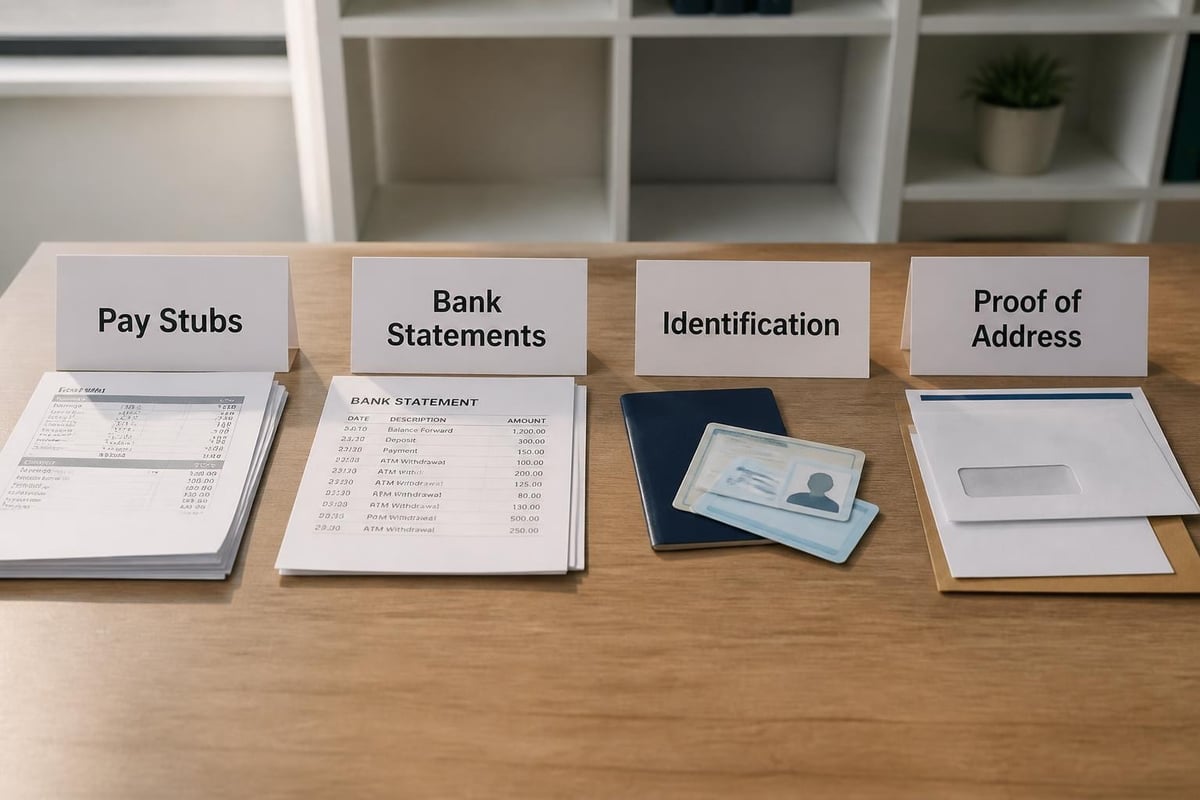
Acceptable income sources include:
- Employment wages (W-2 or 1099)
- Social Security benefits
- Disability payments
- Pension or retirement distributions
- Regular child support or alimony
Application Process
The streamlined application typically takes 5-15 minutes online or in-person. Lenders verify information through bank login credentials or document uploads, then provide instant or same-day decisions.
Approved borrowers receive funds through direct deposit, often within one business day. Some lenders offer instant funding for additional fees.
State Regulations and Consumer Protections
Payday lending regulations vary significantly across states where Standard Financial operates. Understanding local laws helps borrowers recognize their rights and limitations.
Louisiana
Louisiana caps payday loans at $350 with maximum fees of 16.75% of the check amount plus a $10 documentation fee. Borrowers cannot have more than one outstanding payday loan simultaneously, and lenders must verify outstanding loans through a statewide database.
Mississippi
Mississippi allows payday loans up to $500 with fees not exceeding $20 per $100 borrowed for loans up to 30 days. The state prohibits rollovers but permits renewals after partial principal reduction.
Tennessee
Tennessee caps fees at 15% of the first $100 and 10% of amounts $100-$425. Maximum loan amounts reach $500 with required database checks preventing concurrent loans from multiple lenders.
Georgia
Georgia prohibits payday lending entirely, making these loans illegal. Lenders cannot charge more than 60% APR on loans under $3,000, effectively eliminating traditional payday products.
| State | Max Loan Amount | Max Fees | Cooling-Off Period | Database Check |
|---|---|---|---|---|
| Louisiana | $350 | 16.75% + $10 | After payoff | Yes |
| Mississippi | $500 | $20 per $100 | None | No |
| Tennessee | $500 | 15%-10% tiered | After 3rd loan | Yes |
| Georgia | Prohibited | N/A | N/A | N/A |
Making Informed Borrowing Decisions
Research published in academic studies on private credit markets emphasizes the importance of borrower education in preventing predatory lending harm. Consumers should evaluate total costs, explore alternatives, and understand repayment obligations before signing loan agreements.
Questions to Ask Before Borrowing
Smart borrowers investigate lender legitimacy and loan terms thoroughly:
- What is the total repayment amount including all fees?
- When is payment due, and what payment methods are accepted?
- What happens if I cannot repay on time?
- Are there prepayment penalties for early repayment?
- How will payment information be reported, if at all?
- What state licenses does the lender hold?
Warning Signs of Predatory Lenders
Avoid lenders who:
- Guarantee approval without reviewing any financial information
- Pressure you to borrow more than needed
- Refuse to provide written loan agreements
- Request upfront fees before loan approval
- Operate without proper state licensing
- Cannot clearly explain total costs
Building Long-Term Financial Resilience
While direct lender no credit check loans address immediate needs, developing financial stability prevents future emergency borrowing:
- Create an emergency fund: Save $500-$1,000 for unexpected expenses
- Build credit gradually: Use secured credit cards or credit-builder loans
- Establish banking relationships: Work with credit unions or community banks
- Seek financial counseling: Non-profit agencies provide free budget assistance
- Address debt systematically: Prioritize high-interest obligations
Responsible Use of No Credit Check Loans
When alternatives aren't available and direct lender no credit check loans become necessary, responsible borrowing practices minimize financial harm.
Borrow Only What You Need
Lenders may approve amounts larger than your immediate need. Resist borrowing extra funds, as each dollar borrowed accrues expensive interest and fees. Calculate exact costs for your emergency, then request only that amount.
Plan Repayment Before Borrowing
Ensure your budget accommodates the full repayment amount on the due date. Review upcoming expenses and income to confirm you can repay without creating new financial shortfalls. If repayment seems uncertain, explore alternatives instead.
Avoid Rollovers and Extensions
Extending loans multiplies costs dramatically. A single rollover on a two-week payday loan effectively doubles your borrowing period while adding another full fee cycle. Budget adjustments or partial payments prevent this expensive trap.
Compare Multiple Direct Lenders
Not all direct lender no credit check options charge identical rates. Request quotes from three to five lenders, comparing APRs, fees, and repayment terms. Even small differences in rates translate to significant savings.
Direct lender no credit check loans provide quick funding access for credit-challenged borrowers, but their high costs and short terms demand careful consideration. Exploring alternatives like payment plans, community assistance, or credit union products often delivers better financial outcomes. When you need flexible financing solutions backed by transparent terms and local expertise, Standard Financial serves Louisiana, Mississippi, Tennessee, and Georgia residents with personalized loan options designed for various credit situations, helping you address immediate needs while building toward long-term financial stability.







No comment yet, add your voice below!