

Finding the right loan at the best possible rate can save you thousands of dollars over the life of your borrowing. Whether you're considering a personal loan for home improvements, medical expenses, or education, conducting a thorough loan rate comparison is essential to making an informed financial decision. In today's competitive lending landscape, rates and terms can vary significantly between lenders, making it crucial to understand how to evaluate your options effectively. This guide will walk you through the essential steps and considerations for comparing loan rates, helping you secure financing that aligns with your financial goals and budget.
Understanding the Basics of Interest Rates and APR
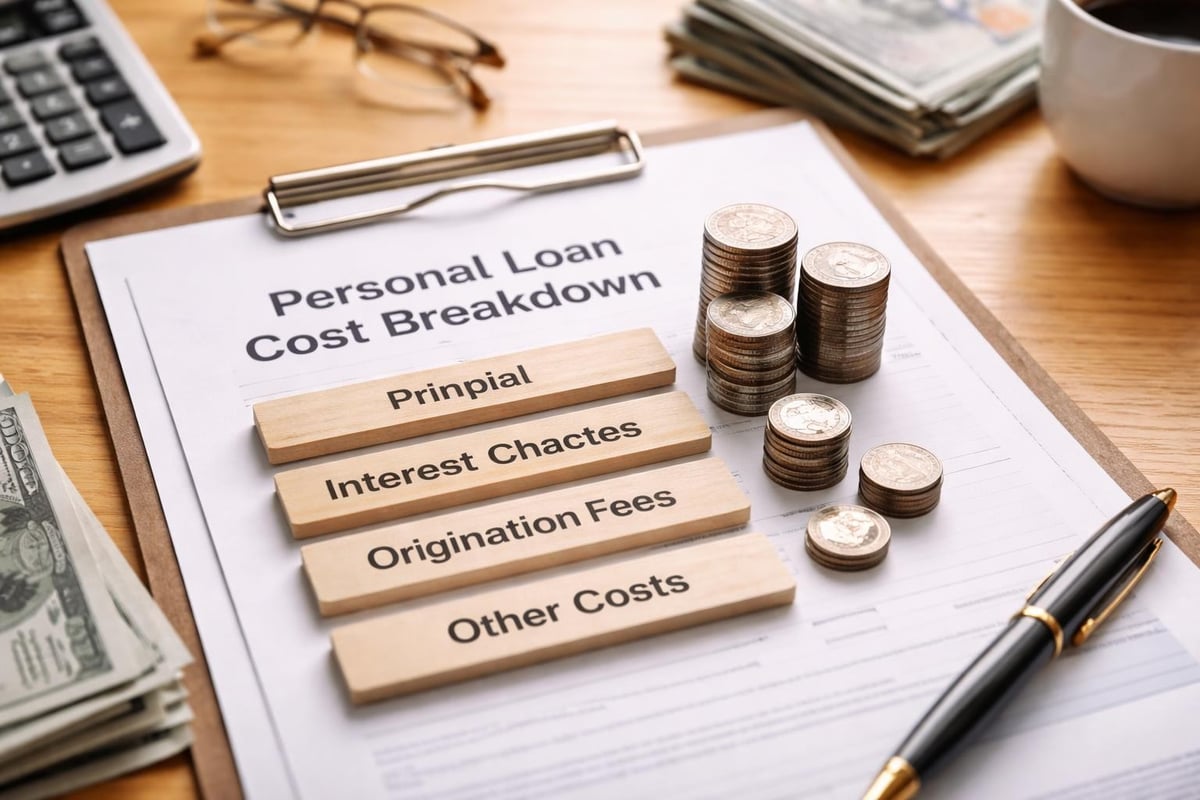
When beginning your loan rate comparison, you'll encounter two critical numbers: the interest rate and the Annual Percentage Rate (APR). The interest rate represents the cost of borrowing the principal amount, expressed as a percentage. However, the APR provides a more comprehensive picture by including both the interest rate and additional fees such as origination charges, processing fees, and other costs associated with obtaining the loan.
The APR serves as the true cost of borrowing and allows for more accurate comparisons between different loan offers. A loan with a lower interest rate but high fees might actually cost more than one with a slightly higher rate and minimal fees. According to the Consumer Financial Protection Bureau’s comparison guide, understanding these distinctions is fundamental to making sound borrowing decisions.
Fixed vs. Variable Rates
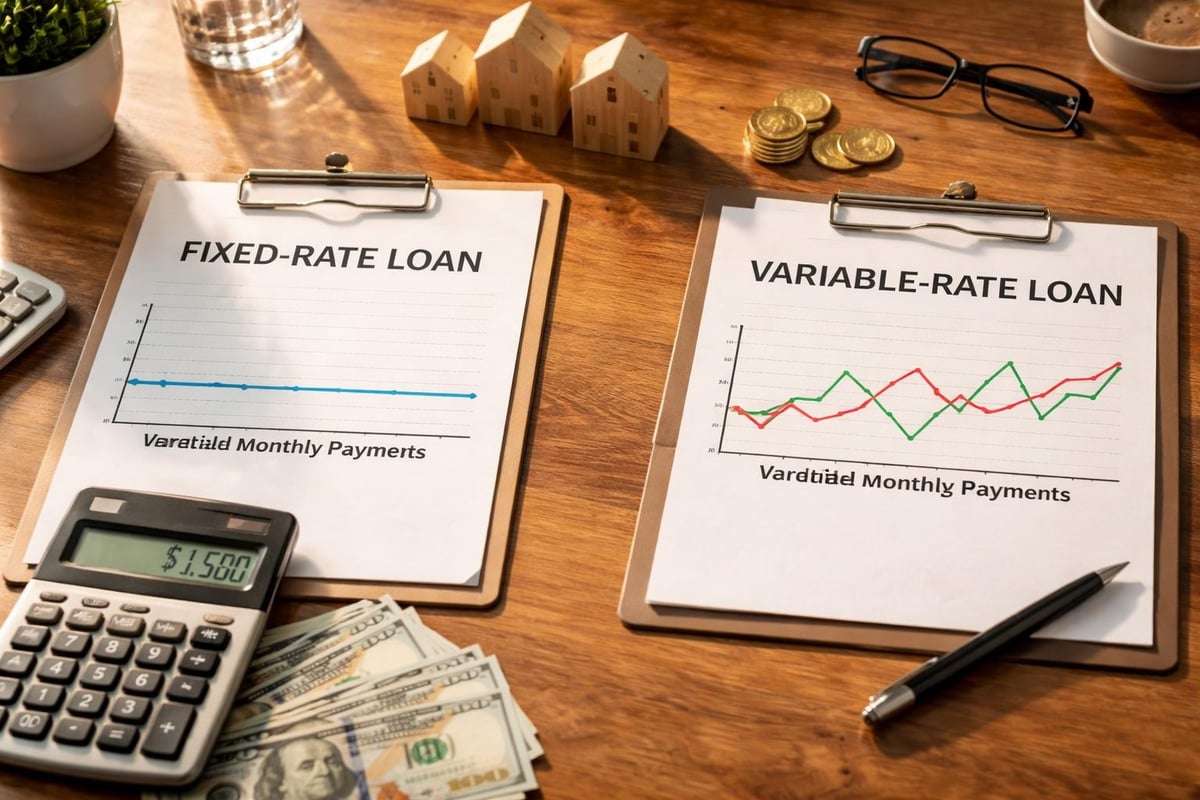
Another essential consideration in your loan rate comparison involves understanding the difference between fixed and variable interest rates.
- Fixed rates remain constant throughout the entire loan term, providing predictable monthly payments
- Variable rates fluctuate based on market conditions and underlying benchmark rates
- Hybrid options may start with a fixed period before converting to variable
Fixed rates offer stability and peace of mind, especially in environments where rates are expected to rise. Variable rates may start lower but carry the risk of increasing over time, potentially making your monthly payments less predictable.
Key Factors to Evaluate During Your Loan Rate Comparison
Interest Rate and APR Analysis
Start your comparison by gathering rate quotes from multiple lenders. Request personalized quotes rather than relying solely on advertised rates, as your actual rate depends on factors like credit score, income, debt-to-income ratio, and loan amount.
| Comparison Factor | What to Look For | Why It Matters |
|---|---|---|
| Advertised Rate | Starting point for research | Gives general market sense |
| Personalized Rate | Your actual qualified rate | Reflects your creditworthiness |
| APR | Total cost including fees | True comparison metric |
| Rate Lock Period | How long rate is guaranteed | Protection against increases |
When performing a loan rate comparison, remember that the lowest rate isn't always the best deal. A comprehensive evaluation includes examining all costs and terms associated with each offer.
Loan Terms and Repayment Periods
The length of your loan term significantly impacts both your monthly payment and the total interest paid over time. Shorter terms typically feature lower interest rates but higher monthly payments, while longer terms spread payments out but accumulate more interest.
Consider these term-related factors:
- Monthly payment affordability within your current budget
- Total interest cost over the full repayment period
- Financial flexibility for life changes and emergencies
- Early payoff options and prepayment penalties
For example, a five-year personal loan for $15,000 at 8% APR results in a monthly payment of approximately $304 and total interest of $3,240. The same loan over three years at 7.5% APR increases the monthly payment to $467 but reduces total interest to $1,812, saving you nearly $1,500.
Fees and Additional Costs
Beyond the interest rate, various fees can substantially affect the total cost of your loan. During your loan rate comparison, scrutinize all potential charges:
- Origination fees (typically 1% to 8% of loan amount)
- Application or processing fees
- Late payment penalties
- Prepayment penalties
- Annual fees or maintenance charges
Some lenders advertise attractive rates but compensate with higher upfront fees. Calculate the true cost by adding all fees to the total interest you'll pay. The Bankrate guide on comparing loan estimates provides detailed insights into identifying and evaluating these costs.
How to Gather and Compare Loan Offers
Requesting Multiple Quotes
The most effective loan rate comparison involves obtaining quotes from at least three to five lenders. This sample size provides a realistic view of available rates and terms while giving you negotiating leverage. When requesting quotes, provide consistent information to each lender to ensure accurate comparisons.
Include these lender types in your search:
- Traditional banks where you have existing relationships
- Credit unions offering member benefits
- Online lenders with competitive rates and streamlined processes
- Consumer lending specialists serving your region
- Community banks focused on local customers
Timing Your Rate Shopping
Credit inquiries for rate shopping are typically treated favorably by credit scoring models. When you submit multiple loan applications within a 14 to 45-day window (depending on the scoring model), they're often counted as a single inquiry. This protection allows you to conduct a thorough loan rate comparison without significantly impacting your credit score.

According to Fortune’s mortgage rate comparison guide, timing your applications strategically helps you evaluate the best options available at a specific moment while protecting your creditworthiness.
Evaluating Lender Reputation and Service Quality
Beyond the Numbers
While rates and fees form the foundation of any loan rate comparison, the lender's reputation and service quality matter significantly for your overall experience. A slightly higher rate from a responsive, customer-focused lender might prove more valuable than the absolute lowest rate from a company with poor service.
Research these aspects of potential lenders:
- Customer reviews and testimonials from borrowers with similar needs
- Better Business Bureau ratings and complaint history
- Response time for questions and application processing
- Flexibility in handling financial difficulties or payment modifications
- Local presence and accessibility for in-person assistance
Special Considerations for Different Credit Profiles
Borrowers with past credit challenges face unique considerations during the loan rate comparison process. Some lenders specialize in working with clients who have less-than-perfect credit histories, offering more flexible approval criteria while potentially charging higher rates to offset risk.
| Credit Profile | Typical Rate Range | Key Considerations |
|---|---|---|
| Excellent (750+) | Lowest available rates | Maximum negotiating power |
| Good (700-749) | Competitive rates | Strong approval odds |
| Fair (650-699) | Moderate rates | May need documentation |
| Poor (below 650) | Higher rates | Consider credit rebuilding |
If you're working to rebuild credit, focus on lenders who evaluate your complete financial picture rather than relying solely on credit scores. Look for institutions that consider stable employment, income trends, and recent payment history.
Creating a Systematic Comparison Framework
Building Your Comparison Spreadsheet
Organize your loan rate comparison data in a structured format that makes evaluation straightforward. Create columns for each key factor and rows for each lender, allowing side-by-side analysis.
Essential columns for your comparison:
- Lender name and contact information
- Interest rate offered
- APR (including all fees)
- Loan amount approved
- Monthly payment amount
- Total repayment amount
- Loan term in months
- Origination and processing fees
- Prepayment penalty details
- Application deadline or rate lock expiration
This systematic approach, recommended by financial experts comparing loan interest rates, ensures you don't overlook critical details when making your final decision.
Calculating True Costs
Beyond monthly payments, calculate the lifetime cost of each loan option. Multiply the monthly payment by the number of months in the term, then add all upfront fees. This total cost comparison often reveals that the loan with the lowest monthly payment isn't actually the most economical choice.
For instance, consider two $20,000 personal loan options:
Option A: 7% interest rate, 5-year term, $500 origination fee
- Monthly payment: $396
- Total repayment: $23,760 plus $500 fee = $24,260
Option B: 8% interest rate, 7-year term, no origination fee
- Monthly payment: $297
- Total repayment: $24,948
While Option B offers a lower monthly payment, Option A saves nearly $700 over the loan's life despite the origination fee.
Regional Considerations for Southeastern Borrowers
Understanding Local Market Dynamics
Loan rates can vary by region based on local economic conditions, competition among lenders, and state regulations. Borrowers in Louisiana, Mississippi, Tennessee, and Georgia benefit from a competitive lending environment with numerous options for personal financing.
Regional lenders often provide advantages that national institutions cannot match:
- Personalized service from loan officers who understand local economic conditions
- Flexible underwriting that considers regional income levels and cost of living
- Community investment supporting local economic development
- Multiple branch locations for convenient in-person consultations
When conducting your loan rate comparison in the Southeast, include both national lenders for competitive baseline rates and regional specialists who may offer more personalized terms and service.
Negotiating Better Rates and Terms
Leveraging Competition
Armed with multiple loan offers, you gain negotiating power to secure better terms. Many lenders will match or beat competitors' rates for qualified borrowers, particularly when you have an existing relationship or strong credit profile.
Effective negotiation strategies include:
- Present your best competing offer and ask if they can improve on it
- Highlight your strengths as a borrower (stable income, employment history, assets)
- Ask about rate discounts for automatic payments or existing customer relationships
- Request waiver or reduction of origination and processing fees
- Negotiate for removal of prepayment penalties
Timing Considerations for 2026
Economic conditions in 2026 continue to influence lending rates across all loan categories. Stay informed about Federal Reserve policy decisions, inflation trends, and economic forecasts that impact borrowing costs. When rates appear to be rising, securing a rate lock quickly protects you from increases during the application process.
Common Mistakes to Avoid
Focusing Solely on Monthly Payments
Perhaps the most common error in loan rate comparison is prioritizing affordable monthly payments over total cost. While manageable payments are essential, extending your loan term to reduce monthly obligations often dramatically increases the total interest paid.
Ignoring the Fine Print
Loan agreements contain crucial details that impact your borrowing experience:
- Prepayment penalty clauses that charge fees for early payoff
- Variable rate adjustment terms and frequency
- Default provisions and consequences
- Insurance requirements (credit life, disability coverage)
- Automatic renewal or extension terms
Read all disclosure documents carefully before committing to any loan. The Consumer Financial Protection Bureau’s comparison tools help borrowers understand and evaluate these important contractual elements.
Not Considering Your Full Financial Picture
An effective loan rate comparison extends beyond finding the lowest rate to ensuring the loan fits your overall financial situation. Consider your emergency fund, other debt obligations, upcoming major expenses, and income stability. A loan that strains your budget, even at a competitive rate, creates financial stress and risk.
Specialized Loan Purposes and Rate Variations
Home Improvement Financing
Loans for home improvements often feature different rate structures compared to general personal loans. Some lenders offer preferential rates for home-related borrowing because the improvements increase property value, reducing their risk.
Medical Expense Loans
Healthcare financing represents a growing segment of personal lending. When comparing rates for medical expenses, consider specialized medical financing programs that may offer promotional periods with reduced or zero interest, though these typically require payoff within specific timeframes.
Education Loans
Private education loans fill gaps not covered by federal student aid. Your loan rate comparison for education financing should include both private lenders and any remaining federal options, as federal loans often provide more flexible repayment terms and borrower protections.
| Loan Purpose | Typical Rate Premium | Special Considerations |
|---|---|---|
| General Personal | Baseline rates | Maximum flexibility |
| Home Improvement | Potentially lower | May require documentation |
| Medical Expenses | Variable | Consider payment plans |
| Education | Moderate | Compare to federal options |
Technology Tools for Efficient Comparison
Online Comparison Platforms
Digital tools have simplified the loan rate comparison process significantly. Online platforms aggregate offers from multiple lenders, allowing you to review options quickly. However, understand that these sites often receive referral fees from lenders, which may influence which offers appear most prominently.
Resources like comparison sites that gather and show rates explain how these platforms operate and what factors influence the results you see.
Mobile Applications and Calculators
Use loan calculators to model different scenarios before formally applying. Adjust variables like loan amount, term length, and interest rate to understand how changes affect your monthly payment and total cost. This preparation helps you have informed conversations with loan officers and make confident decisions.
Making Your Final Decision
Weighing All Factors
After completing your comprehensive loan rate comparison, create a weighted scoring system that reflects your priorities. Some borrowers prioritize lowest total cost, while others value customer service, flexible terms, or local accessibility more highly.
Assign importance weights to each factor:
- Total loan cost (30-40% of decision)
- Monthly payment affordability (20-30%)
- Lender reputation and service (15-20%)
- Loan flexibility and terms (10-15%)
- Convenience and accessibility (5-10%)
This structured approach, detailed in guides on comparing mortgage rates and lenders professionally, helps you make objective decisions based on your specific needs rather than emotional reactions to marketing messages.
Trust Your Research
Confidence in your decision comes from thorough research and systematic comparison. Once you've evaluated multiple offers, verified lender reputations, calculated total costs, and confirmed the loan fits your budget, move forward without second-guessing. The perfect loan doesn't exist, but the right loan for your circumstances and financial goals certainly does.
Conducting a thorough loan rate comparison empowers you to secure financing that supports your goals while minimizing costs and stress. By evaluating interest rates, fees, terms, and lender reputation systematically, you position yourself to make confident borrowing decisions. Whether you need financing for home improvements, medical expenses, education, or other personal needs, Standard Financial offers flexible loan options and personalized service throughout Louisiana, Mississippi, Tennessee, and Georgia, helping borrowers with various credit backgrounds find solutions that work for their unique situations.







No comment yet, add your voice below!