

When you're considering financing for home improvements, medical expenses, or education, one of the most common concerns is whether the application process itself will damage your credit score. The short answer is nuanced: does applying for a loan hurt your credit? It depends on the type of inquiry and how you approach the application process. Understanding the mechanics behind credit inquiries, how lenders evaluate your creditworthiness, and strategies to minimize impact can help you make informed decisions about when and how to apply for the financing you need.
Understanding Credit Inquiries and Their Impact
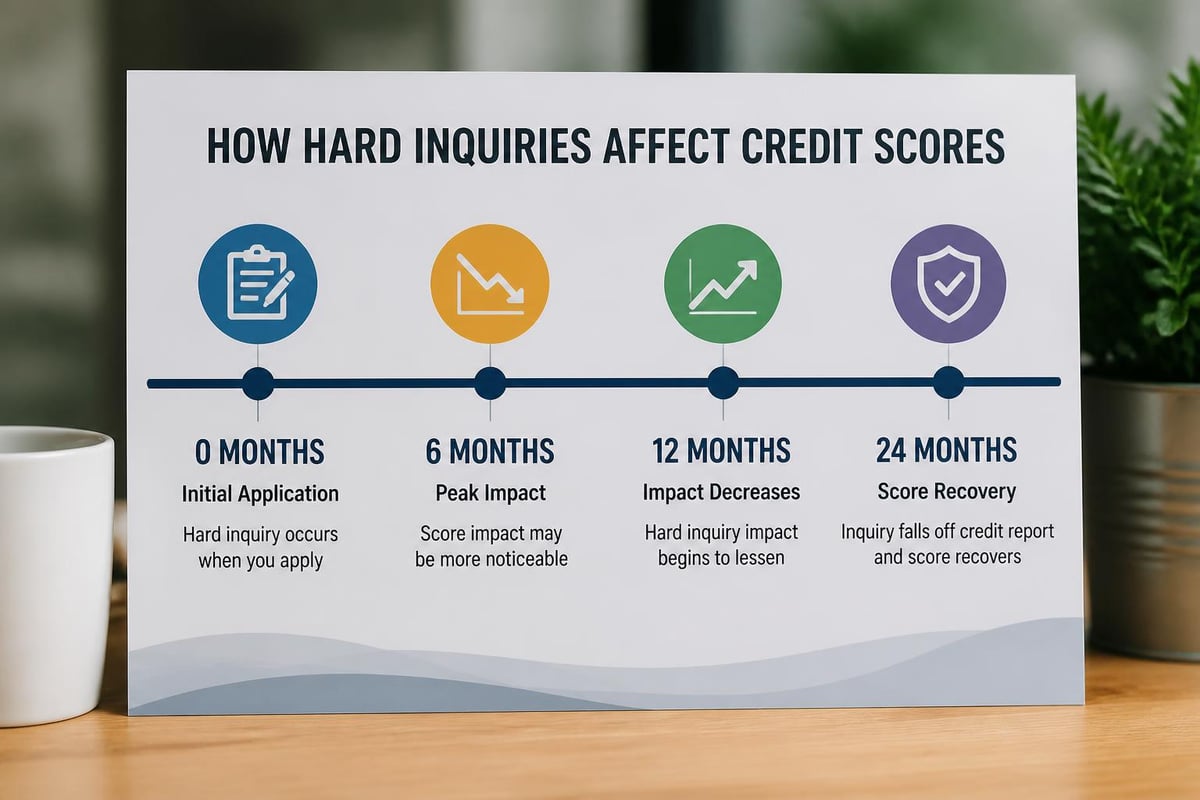
Credit inquiries fall into two distinct categories, each with different implications for your credit score. Hard inquiries occur when a lender reviews your credit report to make a lending decision after you've submitted a formal application. These inquiries can temporarily lower your credit score by a few points, typically between three and five points, though the exact impact varies based on your overall credit profile.
Soft inquiries, by contrast, happen when you check your own credit or when lenders perform preliminary assessments for pre-qualification offers. These inquiries do not affect your credit score in any way. Many consumers don't realize that checking whether a loan application affects your credit begins with understanding this fundamental distinction.
The Mechanics of Hard Inquiries
When you submit a loan application, the lender requests access to your credit report from one or more of the three major credit bureaus: Equifax, Experian, and TransUnion. This action generates a hard inquiry that remains on your credit report for two years, although it typically only impacts your score for the first 12 months.
Key factors that determine hard inquiry impact:
- Your existing credit history length
- The number of recent inquiries on your report
- Your overall credit profile strength
- The time elapsed since your last inquiry
How Multiple Loan Applications Affect Your Score
The credit scoring models recognize that consumers often comparison shop for loans, particularly for mortgages, auto loans, and student loans. To accommodate this behavior, FICO and VantageScore treat multiple inquiries for the same type of loan within a specific timeframe as a single inquiry.
Rate Shopping Windows Explained
For mortgage and auto loans, credit scoring models provide a rate shopping window that typically ranges from 14 to 45 days, depending on the scoring model version. During this period, you can submit multiple applications without accumulating additional hard inquiry damage beyond the first one.
| Loan Type | Rate Shopping Window | Treated as Single Inquiry |
|---|---|---|
| Mortgage | 14-45 days | Yes |
| Auto Loan | 14-45 days | Yes |
| Student Loan | 14-45 days | Yes |
| Personal Loan | Varies by lender | Sometimes |
| Credit Cards | No window | No |
Personal loans present a more complex scenario. While some newer scoring models include personal loans in the rate shopping window, others do not. This means that applying with multiple personal loan lenders within a short timeframe could potentially result in multiple hard inquiries affecting your score.
The Broader Credit Score Impact Beyond Inquiries
While the question "does applying for a loan hurt your credit" often focuses on hard inquiries, the loan itself can affect your credit in several additional ways once approved. These factors typically have a more significant long-term impact than the initial inquiry.
Payment History Considerations
Your payment history accounts for approximately 35% of your FICO credit score, making it the single most influential factor. When you take out a loan, you establish a new payment obligation that will be reported to credit bureaus monthly. Understanding what constitutes a good credit score helps you appreciate how consistent, on-time payments can actually improve your credit over time, despite the initial inquiry impact.
Positive payment history benefits:
- Demonstrates financial responsibility to future lenders
- Builds credit history length over the loan term
- Can offset the minor negative impact of the initial hard inquiry
- Strengthens your overall credit profile
Missing payments or paying late, conversely, can cause substantial and lasting damage to your credit score. A single 30-day late payment can drop your score by 60 to 110 points, depending on your starting score and credit history.
Credit Utilization and Mix Factors
Taking out a loan changes your credit profile in ways that extend beyond payment history. Credit utilization, which measures how much of your available credit you're using, applies primarily to revolving credit like credit cards. However, installment loans like personal loans contribute to your credit mix, which accounts for about 10% of your credit score.
How Installment Loans Affect Your Profile
Adding an installment loan to a credit profile dominated by credit cards can actually improve your score over time. Lenders view a diverse credit mix as evidence that you can handle different types of credit responsibly. This is particularly relevant for consumers who primarily have credit card debt and are considering a personal loan for debt consolidation.
When you use a personal loan to pay off credit card balances, you can significantly improve your credit utilization ratio on those cards. Since credit utilization heavily influences your score, this strategy can result in a net positive impact, even after accounting for the hard inquiry.

Strategies to Minimize Credit Impact When Applying
Understanding that "does applying for a loan hurt your credit" has a qualified answer allows you to develop strategies that minimize any negative effects while maximizing your chances of approval at favorable terms.
Pre-Qualification and Soft Inquiry Options
Many lenders, including consumer lending specialists, offer pre-qualification processes that use only soft inquiries. This allows you to:
- Check your approval odds without affecting your credit score
- Compare rates and terms across multiple lenders
- Make informed decisions about which formal applications to submit
- Time your applications strategically within rate shopping windows
- Avoid unnecessary hard inquiries from lenders unlikely to approve your application
When working with lenders in Louisiana, Mississippi, Tennessee, or Georgia, ask specifically whether their initial assessment uses a soft or hard inquiry. This simple question can save you from unnecessary credit score impacts.
Timing Your Applications Strategically
If you're planning to apply for multiple types of credit in the near future, strategic timing matters. For instance, if you're considering both a personal loan for home improvements and an auto loan, applying for both within the same general timeframe (2-3 months) minimizes the overall impact compared to spreading applications across six or twelve months.
Special Considerations for Different Credit Situations
The impact of loan applications varies significantly based on your existing credit profile. Consumers with excellent credit (scores above 750) typically experience minimal impact from hard inquiries, while those with limited credit history or lower scores may see more pronounced effects.
Applicants with Limited Credit History
For individuals with thin credit files or those new to credit, each hard inquiry represents a more significant portion of their credit history. However, these consumers also stand to benefit most from successfully obtaining and repaying a loan, as it establishes positive payment history and builds credit depth.
Building credit through personal loans:
- Start with smaller loan amounts to establish payment history
- Ensure monthly payments fit comfortably within your budget
- Consider loans specifically designed for credit building
- Make payments on time for at least 12 months to see meaningful improvement
Applicants with Past Credit Challenges
Consumers who have experienced past credit issues often worry that additional inquiries will further damage already compromised scores. The reality is that how personal loans impact your credit score depends more on future payment behavior than the initial inquiry.

For these borrowers, working with lenders who specialize in serving clients with varied credit histories can be particularly valuable. These lenders often have more flexible underwriting criteria and can help you rebuild credit through responsible loan management.
The Role of Emerging Credit Reporting Changes
The credit reporting landscape continues evolving, with changes that affect how loan applications and repayment behavior influence scores. Recent developments include Buy Now, Pay Later loans affecting credit scores and modifications to how medical debt appears on credit reports.
Medical Debt Reporting Changes
As of 2026, medical collections under $500 no longer appear on credit reports, and the reporting timeline for medical debt has been extended. This change particularly benefits consumers seeking personal loans for medical expenses, as their credit reports may look stronger than they would have under previous reporting standards.
Alternative Credit Data
Some lenders now incorporate alternative data sources into their credit decisions, including rental payment history, utility payments, and bank account information. These evolving credit score methodologies can help borrowers with limited traditional credit history qualify for loans with less reliance on hard inquiries alone.
Comparing Credit Impact Across Loan Types
Different loan products carry varying levels of credit inquiry impact and ongoing credit effects. Understanding these differences helps you choose the financing option that best aligns with your credit goals and financial situation.
| Loan Purpose | Typical Inquiry Impact | Long-term Credit Effect | Rate Shopping Window |
|---|---|---|---|
| Home Improvement | 3-5 points | Positive with on-time payments | 14-45 days (varies) |
| Medical Expenses | 3-5 points | Builds installment history | 14-45 days (varies) |
| Education | 3-5 points | Long-term payment history | 14-45 days |
| Debt Consolidation | 3-5 points | May improve utilization | 14-45 days (varies) |
| Emergency Expenses | 3-5 points | Establishes credit mix | 14-45 days (varies) |
Managing Multiple Financial Goals
Many consumers face situations where they need to apply for credit while simultaneously working to improve their credit scores. This creates a tension between immediate financial needs and long-term credit health. The question "does applying for a loan hurt your credit" becomes more complex when you're balancing multiple objectives.
Prioritizing Applications
When you need financing for multiple purposes, prioritize applications based on:
- Urgency of the financial need (emergency medical expenses versus discretionary improvements)
- Impact on overall financial health (debt consolidation that reduces monthly obligations)
- Potential credit score benefits (loans that diversify your credit mix)
- Interest rate sensitivity (larger loans where rate shopping provides greater savings)
For residents of Louisiana, Mississippi, Tennessee, and Georgia seeking personal loans, working with a local lender who understands regional economic factors can provide advantages in both approval odds and terms.
Refinancing Considerations and Credit Impact
Refinancing existing loans generates new hard inquiries, but the overall credit impact calculation differs from taking out entirely new debt. When you refinance, you're replacing one loan with another, typically at better terms.
When Refinancing Makes Credit Sense
Refinancing can be beneficial for your credit when:
- You can secure a significantly lower interest rate
- The new payment terms improve your debt-to-income ratio
- You're consolidating multiple loans into one payment
- You can shorten your loan term without payment strain
The hard inquiry from refinancing is generally offset by the improved payment affordability and potential interest savings, especially if you're refinancing high-interest debt into a more manageable personal loan.
Building Credit While Minimizing Inquiry Impact
For consumers focused on credit building, strategic loan applications can actually accelerate score improvements despite the initial inquiry impact. The key lies in understanding that payment history and credit mix benefits typically outweigh the temporary inquiry effect within 6-12 months.
Credit Building Timeline
Months 1-3: Initial hard inquiry causes 3-5 point score decrease, but new account opens and first payments are reported.
Months 4-6: Inquiry impact begins diminishing while positive payment history accumulates.
Months 7-12: Payment history strengthens, inquiry impact continues fading, net score improvement often visible.
Months 13-24: Established payment pattern significantly improves credit profile, inquiry no longer affects score.
This timeline assumes consistent, on-time payments throughout the period. The pattern holds true whether you're financing home improvements, medical expenses, education costs, or other personal needs.
Regional Lending Practices and Credit Considerations
Credit inquiry impacts remain consistent across geographic regions, but lending practices and approval criteria can vary by state and local market conditions. Consumers in the Southeast should be aware that regional lenders often have relationships with local credit bureaus and may offer more personalized underwriting processes.
State-Specific Regulations
Each state maintains its own lending regulations that can affect loan terms, maximum interest rates, and consumer protections. These regulations don't change whether "does applying for a loan hurt your credit," but they do influence the overall borrowing experience and the types of loan products available.
Working with established lenders who have physical branch locations in your state provides advantages in terms of personalized service, understanding of local economic conditions, and potentially more flexible credit evaluation processes for borrowers with unique circumstances.
Understanding the credit impact of loan applications empowers you to make informed borrowing decisions that align with both your immediate financial needs and long-term credit goals. While hard inquiries do cause temporary score decreases, strategic application timing and responsible loan management typically result in net positive credit outcomes within a year. If you're considering a personal loan for home improvements, medical expenses, education, or other needs, Standard Financial offers flexible financing options across Louisiana, Mississippi, Tennessee, and Georgia, with expertise in helping clients navigate the application process while building stronger credit profiles for the future.







No comment yet, add your voice below!