

Your credit score serves as a financial passport that determines your access to loans, credit cards, and favorable interest rates. For millions of Americans across Louisiana, Mississippi, Tennessee, and Georgia, understanding how to strategically improve credit score can unlock better financial opportunities and save thousands of dollars over a lifetime. Whether you're recovering from past credit challenges or building credit for the first time, the right approach can yield measurable results within months.
Understanding What Makes Up Your Credit Score
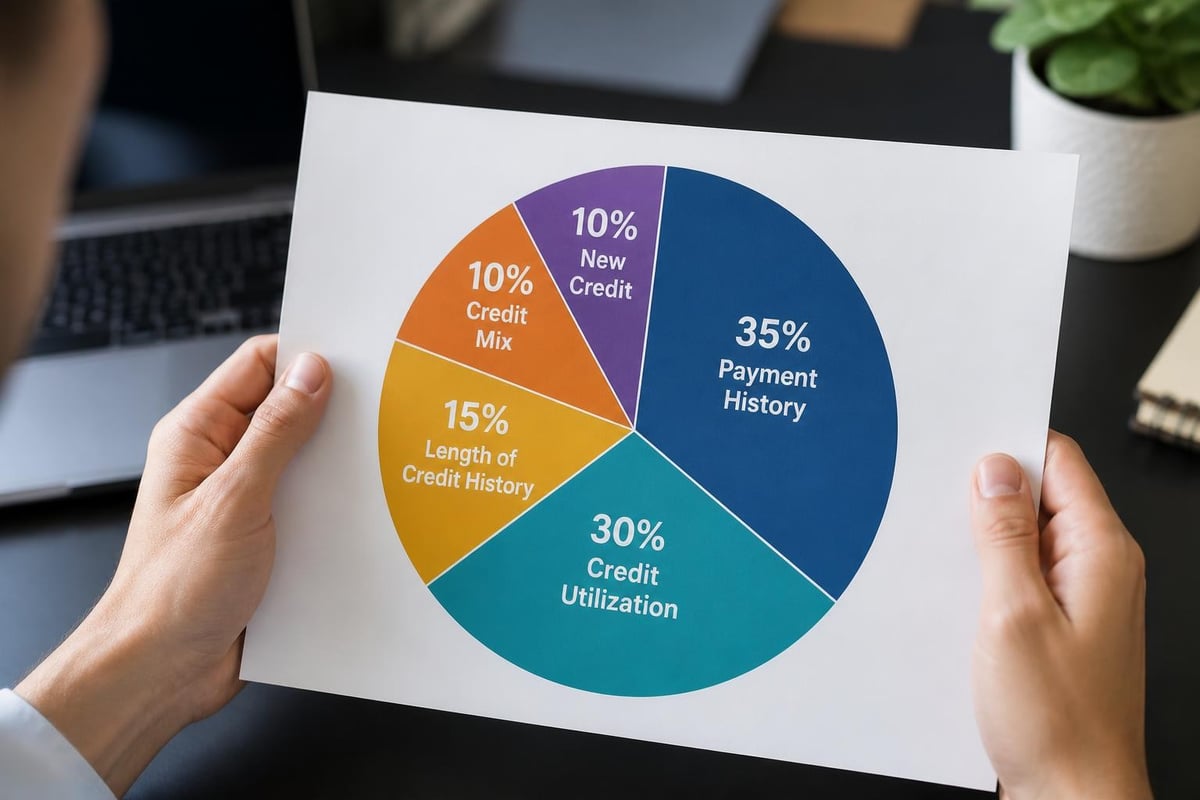
Before you can effectively improve credit score, you need to understand the mechanics behind the numbers. FICO and other credit scoring models weigh five primary factors, each contributing a different percentage to your overall score.
Payment history accounts for roughly 35% of your score, making it the single most influential factor. A single late payment can remain on your report for seven years, though its impact diminishes over time. Credit utilization, which represents how much of your available credit you're using, comprises about 30% of your score.
The remaining factors include:
- Length of credit history (15%): Average age of your accounts
- Credit mix (10%): Variety of credit types you manage
- New credit inquiries (10%): Recent applications for credit
Why These Percentages Matter for Your Strategy
Understanding these weighted categories allows you to prioritize your efforts where they'll have the greatest impact. If you've never missed a payment but carry high balances, focusing on utilization will yield faster results than opening new accounts. Conversely, someone with past delinquencies should concentrate on establishing a consistent on-time payment pattern.
Recent research from the Federal Reserve Bank of New York shows that lenders are increasingly sophisticated in how they evaluate creditworthiness, making it essential to address multiple factors simultaneously rather than focusing on just one area.
Strategies to Build Payment History Consistently
Payment history carries the most weight, so establishing a flawless track record should be your top priority when you improve credit score. Even one missed payment can drop your score by 60 to 110 points, depending on your starting position.
Automate Everything You Can
Set up automatic payments for at least the minimum amount due on every account. Most banks and credit card issuers offer this feature at no charge. Schedule payments to process at least three days before the due date to account for processing delays or bank holidays.
For bills that don't accept automatic payments, use your bank's bill pay service or set calendar reminders with 7-day and 3-day advance warnings. This redundancy ensures you never miss a deadline due to a busy schedule or forgotten due date.
Create a Payment Calendar System
| Payment Type | Due Date | Automation Status | Backup Reminder |
|---|---|---|---|
| Credit Card A | 1st of month | Auto minimum payment | Calendar alert -3 days |
| Credit Card B | 15th of month | Auto full balance | Calendar alert -3 days |
| Personal Loan | 20th of month | Auto full payment | Email reminder -5 days |
| Utility Bills | Various | Auto payment | Monthly review checklist |
This systematic approach eliminates the guesswork and ensures you maintain the perfect payment history that credit scoring models reward most heavily.
Mastering Credit Utilization for Maximum Impact
Credit utilization represents your second-highest opportunity to improve credit score quickly. This ratio compares your total credit card balances to your total credit limits. The Consumer Financial Protection Bureau recommends keeping utilization below 30%, but scores typically improve most dramatically when utilization drops below 10%.
Calculate Your Current Utilization
Add up all your credit card balances and divide by the sum of all your credit limits. For example, if you have $2,000 in balances across cards with a combined $10,000 limit, your utilization is 20%. While this falls under the 30% threshold, reducing it to $1,000 (10% utilization) could boost your score by 20-40 points.
Three proven tactics to reduce utilization:
- Pay down balances strategically: Target cards closest to their limits first, as individual card utilization also matters
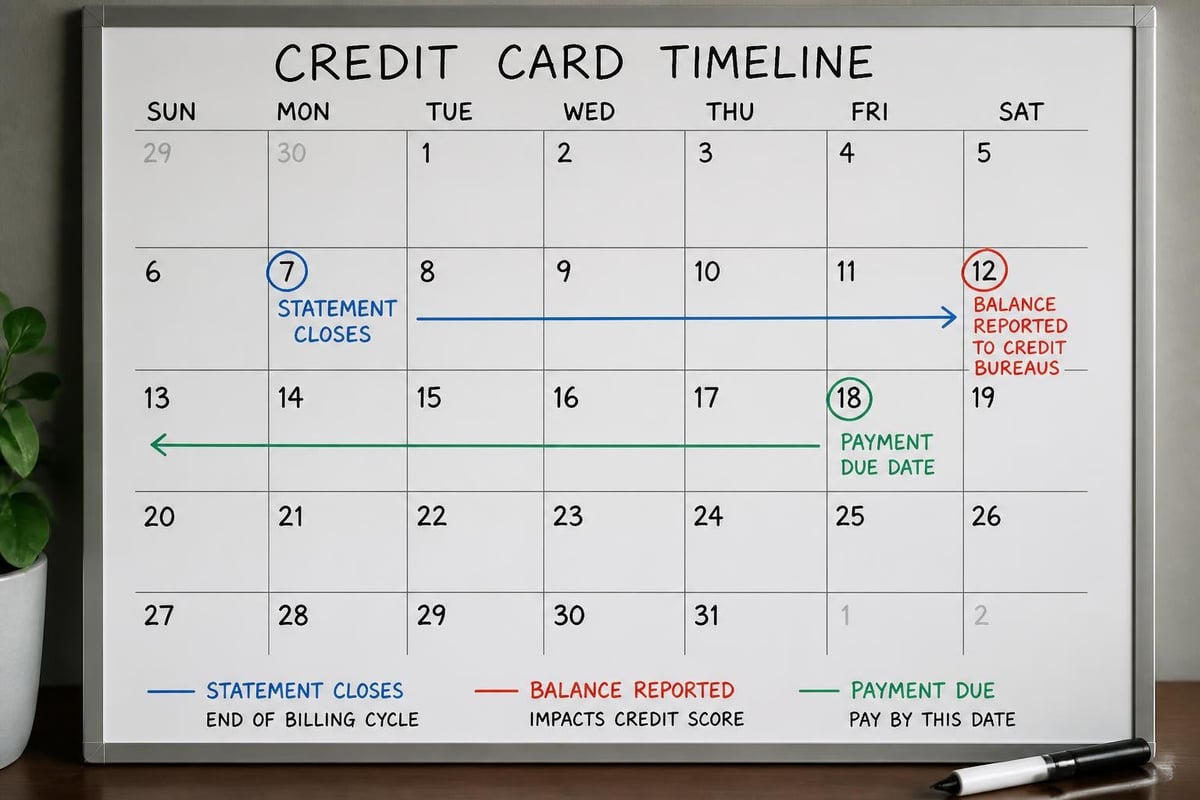
- Make multiple payments per month: Pay before the statement closing date to lower the reported balance
- Request credit limit increases: Contact issuers annually; higher limits lower your ratio even with the same balance
Timing Your Payments for Score Optimization
Most creditors report your balance to credit bureaus on your statement closing date, not your payment due date. If you charge $3,000 monthly but pay it off in full, the bureaus might still see that $3,000 balance if it's reported before you pay. Making a payment mid-cycle, before the statement closes, ensures a lower balance gets reported.
Leveraging Credit-Building Tools and Products
For those rebuilding after credit challenges or establishing credit for the first time, specialized products can accelerate progress. Experian’s comprehensive building guide outlines several approaches that work particularly well for consumers in the Southeast.
Secured Credit Cards
Secured cards require a cash deposit that becomes your credit limit. They function like regular credit cards but with minimal approval requirements. After 12-18 months of responsible use, many issuers graduate you to an unsecured card and return your deposit.
Key selection criteria:
- Choose cards that report to all three bureaus (Equifax, Experian, TransUnion)
- Avoid cards with annual fees exceeding $50
- Look for graduation policies that convert to unsecured cards
- Verify there's no fee for the conversion
Credit-Builder Loans
These loans work backward from traditional lending. The lender holds your loan amount in a savings account while you make payments. Once you've paid in full, you receive the funds. This arrangement allows you to improve credit score while building savings simultaneously.
Standard Financial and similar consumer lenders often offer these products specifically designed for credit building. The monthly payments appear on your credit report, establishing positive payment history without requiring you to already have good credit.
| Product Type | Initial Investment | Timeline to Impact | Best For |
|---|---|---|---|
| Secured Card | $200-500 deposit | 3-6 months | Daily purchase discipline |
| Credit-Builder Loan | $0-50 upfront fee | 6-12 months | Forced savings + credit building |
| Authorized User | $0 | 1-2 months | Someone with established credit willing to add you |
| Retail Store Card | $0 | 3-6 months | Regular shoppers with restraint |
Addressing Errors and Disputing Inaccuracies
Approximately one in five consumers has an error on at least one credit report. These mistakes can artificially depress your score and prevent you from accessing fair lending terms. The FTC provides detailed guidance on how to identify and dispute these errors effectively.
How to Review Your Reports Systematically
Request your free annual reports from all three bureaus through AnnualCreditReport.com. Review each report separately because information can vary across bureaus. Look for:
- Accounts that don't belong to you
- Incorrect payment statuses (showing late when you paid on time)
- Duplicate accounts listed multiple times
- Outdated negative information (most items must be removed after 7 years)
- Incorrect credit limits (showing lower than actual, which inflates utilization)
The Formal Dispute Process
Submit disputes in writing to both the credit bureau and the company that furnished the information. Include copies (never originals) of documents supporting your claim. The bureau has 30 days to investigate, and they must correct or remove information they can't verify.
Dispute letter essentials:
- Your complete contact information and report confirmation number
- Clear identification of each disputed item
- Explanation of why you're disputing it
- Request for removal or correction
- Copies of supporting documentation
Follow up every two weeks if you don't receive confirmation. Persistence pays off when you improve credit score through error correction, as removing a single erroneous collection account can boost your score by 50-100 points.

Strategic Approaches for Different Credit Score Ranges
Your starting point determines which strategies will deliver the fastest results. FICO’s Score Planner resources help consumers understand how different actions will impact scores at various levels.
Rebuilding from Poor Credit (300-579)
At this level, your priority is establishing any positive credit history. Secured cards and credit-builder loans offer the most accessible entry points. Focus exclusively on payment history and keeping any credit utilization below 30%.
Realistic timeline: Expect 12-18 months to reach the fair credit range (580-669) with consistent effort. The Bankrate guide for bad credit outlines specific products designed for this rebuilding phase.
Advancing from Fair to Good Credit (580-669 to 670-739)
Once you've established basic positive history, shift focus to utilization optimization and account age. Avoid closing old accounts, even if you don't use them, as this shortens your average credit age. Consider becoming an authorized user on a family member's long-standing account.
Reaching Excellent Credit (740+)
The jump from good to excellent requires patience more than new tactics. Continue perfect payment history, keep utilization below 10%, and maintain your credit mix. At this stage, small optimizations matter: dispute any errors, avoid unnecessary hard inquiries, and consider the timing of major credit applications.
Advanced Tactics for Long-Term Credit Health
Beyond the fundamentals, several sophisticated strategies can help you improve credit score while building overall financial health.
The Authorized User Strategy
Being added as an authorized user on someone else's account can transfer their positive payment history to your report. This works best when the primary account holder has:
- A card that's at least three years old
- Perfect payment history
- Low utilization (ideally under 10%)
- A generous credit limit
You don't need to use the card or even receive it. Simply being listed as an authorized user can add this positive history to your profile within 30-60 days.
Managing Hard Inquiries Intelligently
Each credit application typically generates a hard inquiry that can temporarily lower your score by 5-10 points. However, credit scoring models recognize rate shopping. Multiple inquiries for the same type of loan (mortgage, auto, student) within a 14-45 day window count as a single inquiry.
Smart inquiry management:
- Consolidate credit applications within short windows when rate shopping
- Use pre-qualification tools that perform soft pulls (no score impact)
- Space out credit card applications by at least six months
- Avoid unnecessary inquiries for retail store cards during checkout
Optimizing Your Credit Mix Over Time
While credit mix represents only 10% of your score, having both revolving credit (credit cards) and installment loans (personal loans, auto loans) demonstrates broader financial management capability. If you only have credit cards, a small personal loan for home improvements or education costs can diversify your mix.
Standard Financial offers flexible personal loans that serve dual purposes: funding necessary expenses while strategically improving your credit profile through a different type of account. These loans work particularly well for consumers who already manage credit cards responsibly but lack installment loan experience on their reports.
Monitoring Progress and Adjusting Your Strategy
Improving your credit score requires ongoing monitoring to track progress and identify new issues quickly. Most credit card issuers now provide free monthly FICO scores, giving you a consistent tracking mechanism.
Establish a Monitoring Routine
Check your score monthly through your credit card issuer or a free monitoring service. Review your full reports from all three bureaus quarterly. This frequency allows you to spot trends, celebrate improvements, and catch new errors before they cause lasting damage.
What to track each month:
- Overall score changes (up or down and by how many points)
- New accounts or inquiries you didn't authorize
- Changes in credit limits or balances
- Payment history updates
When to Expect Measurable Improvements
Credit score improvements follow predictable timelines based on the actions you take. Making on-time payments shows impact within 1-2 months. Reducing utilization from 80% to 30% can boost scores by 30-60 points within one billing cycle. Removing errors might take 30-60 days for the investigation but shows immediate impact once corrected.
Negative items like collections, charge-offs, or bankruptcies gradually diminish in impact over time. A two-year-old collection hurts less than a recent one, and after seven years, most negative items must be removed entirely.
Building Credit While Managing Real Financial Challenges
For many consumers across the Southeast, the need to improve credit score coincides with genuine financial constraints. Medical expenses, job transitions, or unexpected home repairs create real challenges that can't be ignored while focusing on credit metrics.
Prioritizing Payments During Financial Stress
When resources are limited, allocate them strategically. Always make at least minimum payments on all credit accounts to protect your payment history (35% of your score). If you must choose between paying down balances and making minimum payments on multiple accounts, choose the latter.
Contact lenders proactively if you anticipate payment difficulties. Many, including consumer lenders like Standard Financial, offer hardship programs that modify payment terms without damaging your credit. These arrangements work far better than simply missing payments.
Using Credit-Building Loans as Emergency Funds
Credit-builder loans serve double duty by creating savings while improving credit. Some lenders offer access to a portion of the funds while you're still making payments, providing a financial cushion for emergencies. This approach builds credit while creating the emergency fund that prevents future credit damage.
| Financial Situation | Primary Strategy | Timeline | Expected Score Impact |
|---|---|---|---|
| Multiple missed payments | Payment history reset + secured card | 12-18 months | +80-120 points |
| High utilization, good history | Pay down balances + limit increases | 3-6 months | +40-80 points |
| Thin credit file | Credit-builder loan + authorized user | 6-12 months | +60-100 points |
| Recent collections | Dispute errors + payment plan | 6-12 months | +50-90 points |
The Role of Professional Financial Guidance
While much of credit improvement can be accomplished independently, professional guidance helps navigate complex situations. Credit counselors certified by the National Foundation for Credit Counseling provide free or low-cost advice on debt management and credit rebuilding.
Avoid credit repair companies that promise to remove accurate negative information or charge large upfront fees. Anything they can legally do, you can do yourself for free using the dispute processes outlined by the FTC and CFPB.
When to Seek Additional Support
Consider professional help if you're dealing with multiple collection accounts, considering bankruptcy, or struggling to create a sustainable budget alongside credit improvement efforts. Nonprofit credit counselors can negotiate with creditors and create debt management plans that improve credit score while reducing overall debt.
For consumers seeking loans during the credit-building process, working with lenders experienced in serving clients with past credit challenges makes a significant difference. These lenders understand the full financial picture rather than making decisions based solely on a three-digit score.
Improving your credit score requires consistent effort across multiple fronts: establishing perfect payment history, optimizing utilization, diversifying your credit mix, and monitoring for errors. While the process takes time, the financial benefits-lower interest rates, better loan terms, and increased borrowing power-make the effort worthwhile. Whether you're rebuilding after financial setbacks or building credit for the first time, Standard Financial offers flexible personal loans and refinancing options designed to help consumers across Louisiana, Mississippi, Tennessee, and Georgia achieve their financial goals, even while working to strengthen their credit profiles.






No comment yet, add your voice below!