

Understanding the difference between various types of credit inquiries can save you from unnecessary worry and help you make smarter financial decisions. A soft credit check represents one of the most consumer-friendly tools in the lending industry, allowing you to explore financing options without risking damage to your credit score. Whether you're considering a personal loan for home improvements, researching refinancing options, or simply monitoring your financial health, knowing when and how soft credit checks occur empowers you to take control of your borrowing journey.
Understanding Soft Credit Checks
A soft credit check, also known as a soft inquiry or soft pull, occurs when someone reviews your credit report for purposes other than making a lending decision. Unlike its counterpart, the hard credit check, this type of inquiry does not affect your credit score in any way. Checking your own credit score is a soft inquiry and will never lower your score.
Financial institutions, employers, and even you can perform soft credit checks without leaving any negative mark on your credit profile. These inquiries appear on your credit report, but they're only visible to you. Other lenders cannot see soft inquiries when evaluating your creditworthiness, which means they won't interpret multiple soft checks as a sign that you're desperately seeking credit.
Common Scenarios for Soft Credit Checks
Several everyday situations trigger soft credit checks without your explicit knowledge:
- Pre-approved credit card offers that arrive in your mail
- Background checks conducted by potential employers
- Insurance quotes from companies evaluating risk
- Account reviews by current creditors monitoring your credit
- Personal credit monitoring when you check your own score
These scenarios demonstrate how frequently soft inquiries occur in your financial life. The good news is that none of these activities will harm your credit standing, regardless of how many times they happen.

How Soft Credit Checks Differ From Hard Inquiries
The distinction between soft and hard credit checks becomes crucial when you're actively seeking financing. Hard credit inquiries and soft credit inquiries serve different purposes and carry vastly different consequences for your credit profile.
| Feature | Soft Credit Check | Hard Credit Check |
|---|---|---|
| Impact on Credit Score | None | Can lower score by 5-10 points |
| Visibility to Lenders | Only visible to you | Visible to all creditors |
| Duration on Report | 12-24 months (your view only) | 24 months (all viewers) |
| Your Permission | Not always required | Always requires consent |
| Common Uses | Prequalification, monitoring | Loan applications, credit cards |
When you formally apply for a loan, credit card, or mortgage, lenders perform a hard credit check to assess your full credit history and make a lending decision. This type of inquiry signals to other creditors that you're actively seeking credit, which can temporarily lower your score.
The Prequalification Advantage
Many lenders now use soft credit checks during the prequalification process, allowing potential borrowers to see estimated loan terms without committing to a formal application. Online lenders frequently use soft credit checks to provide quick estimates and help consumers comparison shop.
This practice has transformed the lending landscape in 2026. Borrowers can now explore multiple financing options, compare interest rates, and evaluate repayment terms without accumulating hard inquiries that might damage their credit scores.
For someone considering a personal loan for medical expenses or education costs, this means you can gather information from several lenders before making a final decision. You'll only trigger a hard inquiry when you're ready to move forward with a specific lender.
Benefits of Soft Credit Checks for Borrowers
The advantages of soft credit checks extend beyond simply protecting your credit score. These inquiries create a more transparent and borrower-friendly lending environment.
Shop Without Consequences
You can research and compare loan options from multiple lenders without worrying about each inquiry lowering your credit score. This freedom encourages informed decision-making and helps you find the best terms for your situation.
Monitor Your Credit Health
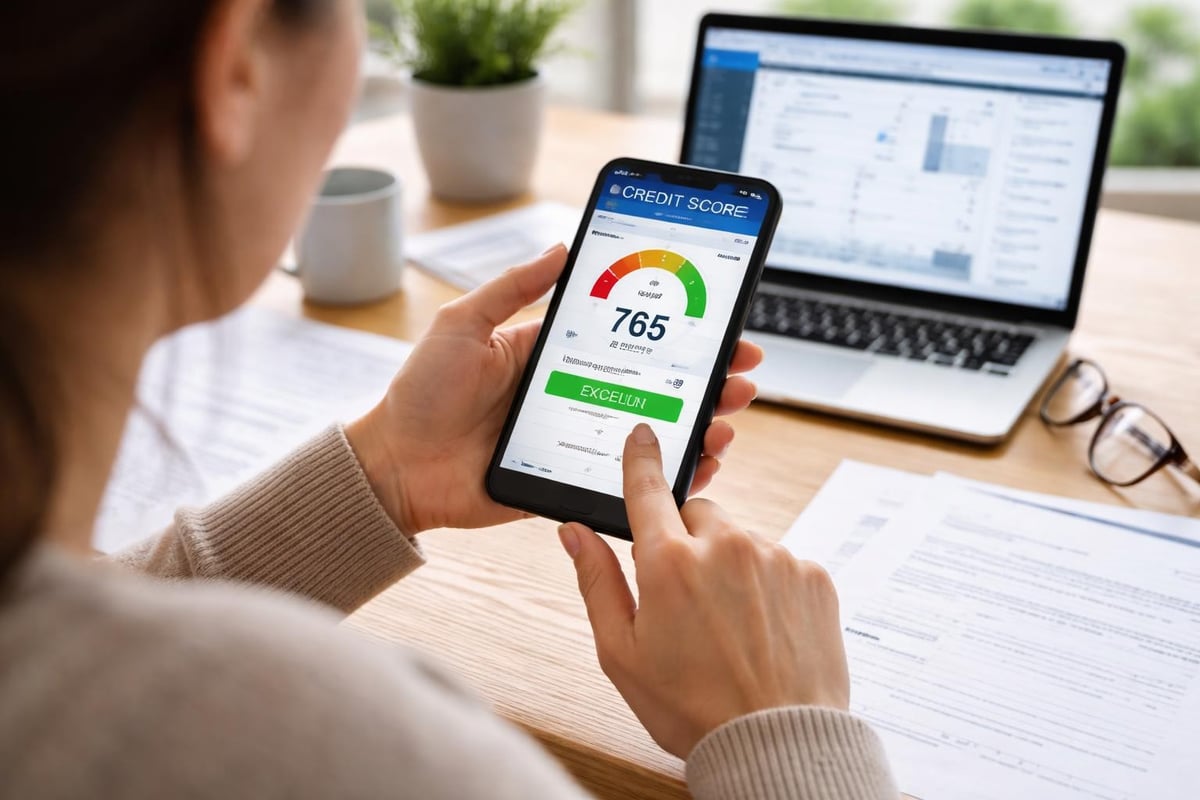
Regular soft credit checks allow you to track your credit score, identify errors, and understand how your financial behaviors impact your creditworthiness. Many services now offer free credit monitoring that uses soft inquiries to keep you informed.
Receive Targeted Offers
When companies perform soft credit checks for marketing purposes, you receive pre-approved offers that match your credit profile. While not guaranteed approvals, these offers provide realistic expectations about the financing available to you.
Building Financial Awareness
Frequent access to your credit information through soft inquiries helps you understand the factors influencing your score. You can see how paying down debt, maintaining low credit utilization, or resolving past credit issues improves your standing over time.
This ongoing awareness proves particularly valuable if you've faced credit challenges in the past. Watching your score improve motivates continued positive financial behavior and helps you recognize when you've reached thresholds for better loan terms.
When Soft Credit Checks Become Hard Inquiries
Understanding the transition point between soft and hard inquiries prevents unexpected surprises during the borrowing process. A soft credit check typically becomes a hard inquiry at a specific moment in your lending journey.
- Initial Research Phase: Soft inquiry during prequalification
- Detailed Information Gathering: Still soft if not formally applying
- Formal Application Submission: Transitions to hard inquiry
- Underwriting Process: Hard inquiry on file
- Final Approval Decision: Based on hard inquiry results
The critical moment occurs when you submit a formal application with your full consent. Before that point, most reputable lenders will clearly communicate that they're performing a soft check that won't affect your score.
Protecting Yourself From Unexpected Hard Inquiries
Always ask lenders explicitly whether they're performing a soft or hard credit check before proceeding. Legitimate lenders will clearly disclose this information and often advertise their soft check prequalification process prominently.
Be cautious with online application forms that don't specify the type of inquiry. Some less transparent lenders may perform hard checks under the guise of providing a quote. Reading the fine print and asking direct questions protects you from unwanted hard inquiries.
Soft Credit Checks and Personal Loan Applications
When you're considering a personal loan for home improvements, the ability to prequalify through a soft credit check offers tremendous advantages. You can determine your likely interest rate, monthly payment, and loan amount before triggering a hard inquiry.
This process typically requires basic information about your income, employment, and desired loan amount. Within minutes, you receive an estimate that reflects your actual credit profile. If the terms meet your needs, you proceed to the formal application. If not, you can walk away without any impact to your credit score.
| Loan Type | Typical Prequalification Method | Impact Before Application |
|---|---|---|
| Personal Loans | Soft credit check | None |
| Auto Loans | Often soft check | None |
| Mortgages | May vary by lender | Check first |
| Credit Cards | Usually soft check | None |
For borrowers with past credit issues, soft credit checks provide honest assessments of available options without adding more inquiries to an already challenged credit report. This transparency helps you set realistic expectations and choose lenders most likely to approve your application.
Refinancing Opportunities
If you're exploring refinancing options for existing debt, soft credit checks let you see whether current market conditions offer better terms than your original loan. You can compare your existing interest rate against new offers without risking your credit score in the process.
This capability proves especially valuable when interest rates fluctuate or when your credit score has improved since your original loan. A soft inquiry quickly reveals whether refinancing makes financial sense before you commit to a formal application.
The Role of Soft Credit Checks in Credit Education
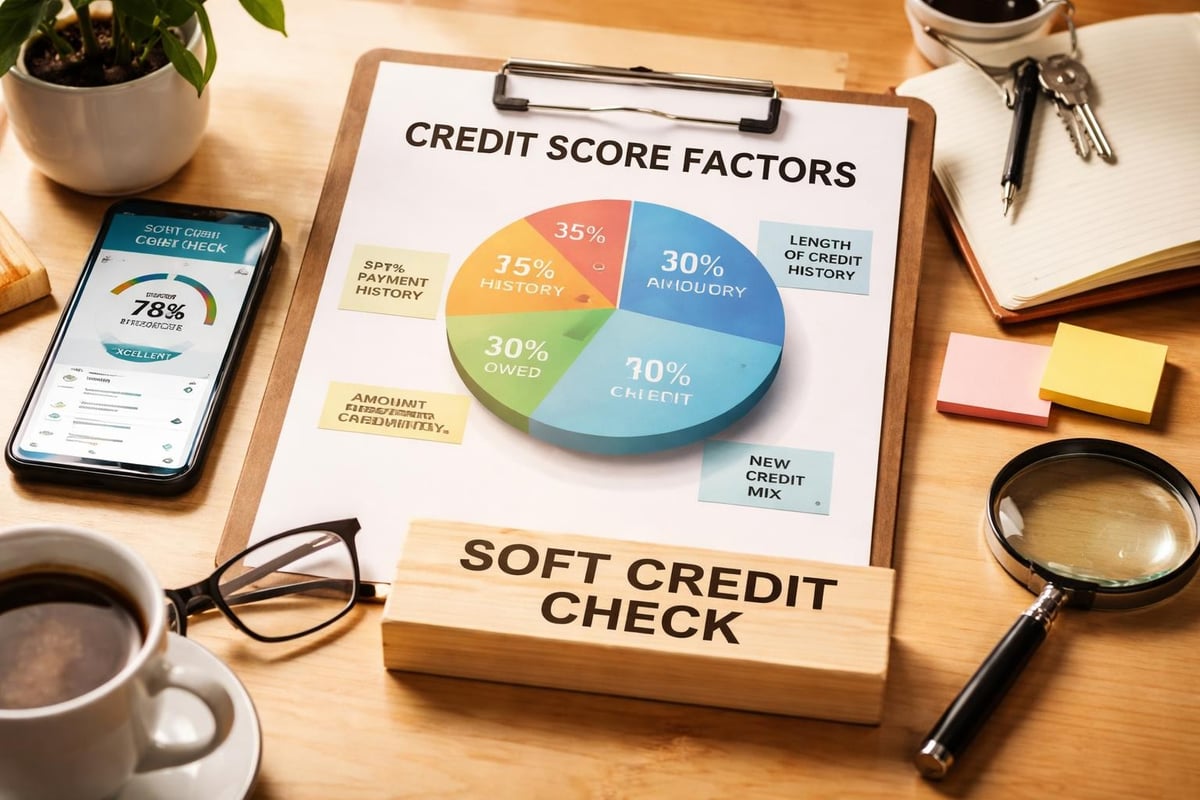
Understanding the components of credit reports, including how different types of inquiries appear, enhances your overall financial literacy. Soft credit checks serve as an educational tool that demystifies the credit system.
Many people avoid checking their credit because they've heard that checking it too often will lower their score. This misconception keeps consumers in the dark about their financial standing. Knowing that soft inquiries have no effect on your credit score encourages regular monitoring and proactive credit management.
Educational Benefits Include:
- Learning what factors influence your credit score most significantly
- Identifying errors or fraudulent accounts quickly
- Understanding how different types of debt affect your profile differently
- Tracking progress as you work to improve your credit
- Recognizing when you've reached better rate qualification tiers
Industry Standards and Consumer Protections
The Fair Credit Reporting Act governs how and when companies can access your credit information. This federal law distinguishes between permissible purposes that require your consent and those that don't.
Soft credit checks generally fall under permissible purposes that don't require explicit authorization for each inquiry. However, you maintain rights regarding how your information is used and who can access it.
Your Rights Regarding Credit Inquiries
You have the right to know when a hard credit check will occur and to provide explicit consent. Lenders must clearly disclose when they'll pull your credit report for lending decisions. This transparency requirement protects consumers from unauthorized hard inquiries.
For soft credit checks related to prequalification, lenders typically include disclosure language in their privacy policies. While you may not authorize each individual soft check, you control whether to engage with services that perform them.
Maximizing the Benefits of Soft Credit Checks in 2026
The lending landscape in 2026 offers unprecedented access to credit information through soft inquiries. Taking advantage of these tools requires strategic thinking about your financial goals.
Strategic Approaches:
- Use prequalification for all major financing decisions before formal applications
- Monitor your credit monthly through free soft inquiry services
- Compare multiple lenders without fear of score damage
- Verify inquiry type before providing information to any lender
- Track your credit trends to optimize application timing
When you're ready to apply for financing, whether for education expenses, medical bills, or home improvements, starting with soft credit checks narrows your options to the most promising lenders. This targeted approach minimizes the number of hard inquiries on your report while maximizing your chances of approval with favorable terms.
Special Considerations for Borrowers With Credit Challenges
If you've experienced past credit issues, soft credit checks become even more valuable. They allow you to assess your current options honestly without further impacting an already challenged credit profile.
Many lenders specializing in working with borrowers who have credit challenges offer soft check prequalification. This service helps you understand which lenders might approve your application and what terms you can realistically expect.
The ability to shop around without consequences means you're not forced to accept the first offer you receive. Even with credit challenges, comparing terms from multiple lenders can save you significant money over the life of a loan.
Building a Path to Better Credit
Regular soft credit checks help you track improvement as you work to rebuild your credit. Seeing your score rise motivates continued positive financial behaviors like making on-time payments and reducing credit card balances.
This monitoring also helps you recognize when you've crossed important thresholds. For example, moving from a 650 to a 700 credit score often unlocks significantly better interest rates and loan terms. Soft inquiries let you identify these milestones without the trial and error of multiple loan applications.
Common Misconceptions About Soft Credit Checks
Despite increased financial literacy, several myths about soft credit checks persist. Clearing up these misconceptions helps you make better borrowing decisions.
Myth 1: All credit checks hurt your score
Reality: Only hard inquiries affect your credit score. Soft searches do not affect your credit file in any negative way.
Myth 2: Prequalification guarantees approval
Reality: Prequalification through soft checks provides estimates based on initial information. Final approval requires a hard inquiry and full underwriting.
Myth 3: Too many soft inquiries look bad
Reality: Since other lenders cannot see your soft inquiries, they cannot judge you based on how many you've had.
Myth 4: Employers performing background checks hurt your credit
Reality: Employment-related credit checks are always soft inquiries and never impact your score.
Understanding these facts empowers you to use soft credit checks strategically without unnecessary worry about damaging your credit standing.
Soft credit checks represent a powerful tool for informed borrowing, allowing you to explore financing options and monitor your credit health without risking score damage. Whether you're researching personal loans for medical expenses, considering refinancing, or simply tracking your financial progress, understanding when and how soft inquiries work gives you a significant advantage in managing your credit profile. Standard Financial specializes in helping borrowers throughout Louisiana, Mississippi, Tennessee, and Georgia find flexible financing solutions tailored to their unique situations, including those with past credit challenges. If you're ready to explore your options through a soft credit check prequalification process, Standard Financial can help you discover the right loan for your needs without impacting your credit score.






No comment yet, add your voice below!