

Access to credit represents more than a financial transaction. It shapes opportunities for families to pursue education, improve their homes, address medical needs, and build stable futures. Yet loan accessibility remains uneven across communities, with millions of Americans facing obstacles that prevent them from securing the financing they need. Understanding these barriers and the evolving landscape of consumer lending helps borrowers navigate the path to approved financing, particularly in markets across Louisiana, Mississippi, Tennessee, and Georgia where economic conditions vary significantly from metropolitan centers to rural communities.
Understanding Loan Accessibility in Modern Consumer Lending
Loan accessibility refers to the ease with which individuals can obtain credit products from financial institutions, regardless of their geographic location, credit history, or socioeconomic status. This concept encompasses multiple dimensions, including physical access to lending institutions, eligibility requirements, application processes, and the availability of diverse loan products tailored to different financial situations.
The current state of consumer borrowing reflects both progress and persistent challenges. Personal loan statistics reveal that 25.9 million Americans held personal loans as of Q3 2025, demonstrating substantial demand for flexible financing solutions. However, these numbers tell only part of the story. Behind every approved application are countless others denied due to credit challenges, insufficient documentation, or restrictive lending criteria.
Geographic Disparities in Access to Credit
Location significantly impacts loan accessibility. Research examining the relationship between manufactured housing locations and banking facilities reveals how geographic factors create disparities in credit access, particularly in areas where traditional banking infrastructure remains limited.
Rural communities throughout the Southeast face distinct challenges:
- Fewer physical branch locations requiring longer travel times
- Limited competition among lenders resulting in less favorable terms
- Reduced access to specialized loan products for unique regional needs
- Technology barriers for online-only lending platforms
Metropolitan areas typically offer more options, but accessibility issues persist in underserved urban neighborhoods where financial institutions have withdrawn over recent decades.
Credit History and Lending Standards
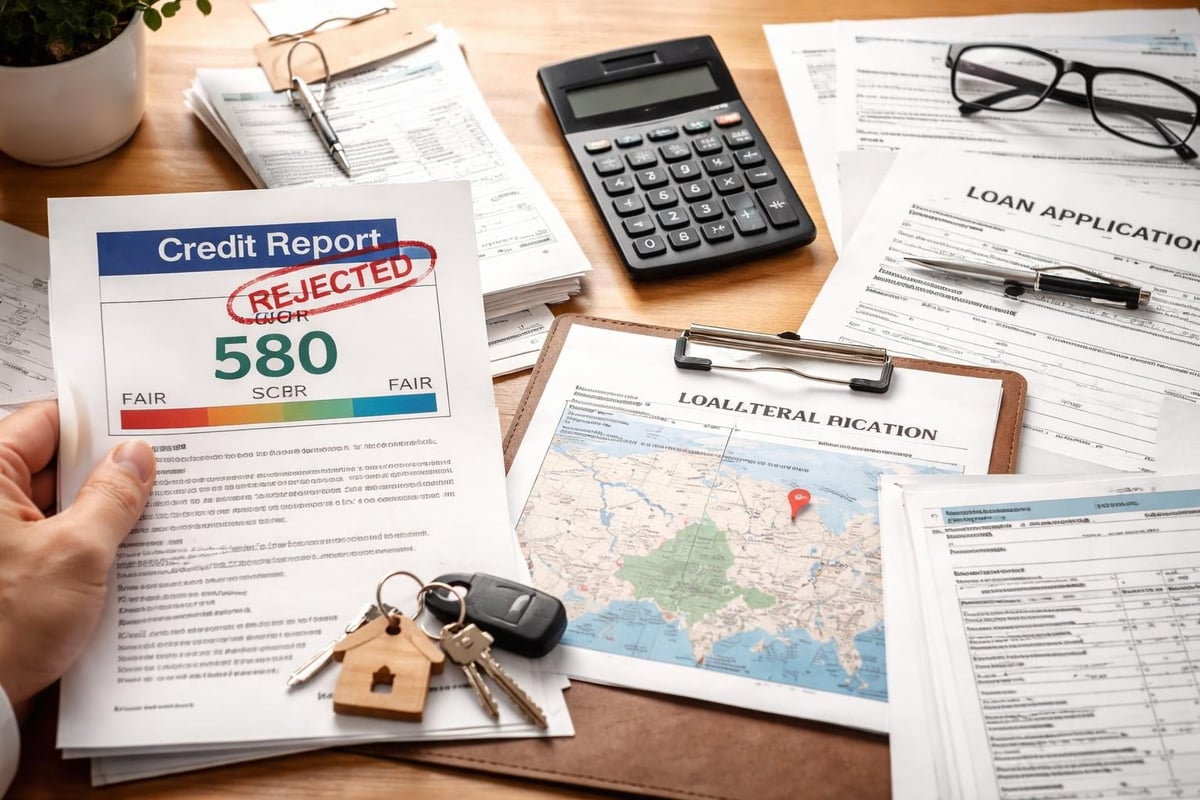
Traditional lending models emphasize credit scores as primary determinants of loan accessibility. This approach creates substantial barriers for individuals recovering from financial setbacks, young borrowers establishing credit, or those who have managed finances outside conventional banking systems.
The impact of credit requirements extends beyond simple approval rates. Borrowers with lower credit scores often face higher interest rates, larger down payment requirements, and more restrictive loan terms even when approved. These conditions can perpetuate cycles of limited access, as higher costs make successful repayment more challenging.
Alternative Assessment Methods
Progressive lenders increasingly recognize that credit scores provide incomplete pictures of borrower reliability. Alternative assessment approaches consider:
- Employment stability and income consistency rather than just credit history
- Rent payment history demonstrating regular financial obligation management
- Utility payment records showing consistent bill payment behavior
- Educational background and career trajectory indicating future earning potential
- Collateral or co-signer options reducing lender risk through additional security
These methods expand loan accessibility for borrowers whose circumstances don't fit traditional molds, particularly those rebuilding after medical emergencies, divorce, or business failures.
| Traditional Lending | Flexible Lending Approaches |
|---|---|
| Strict credit score minimums | Holistic financial assessment |
| Limited consideration of circumstances | Context-aware underwriting |
| Rigid documentation requirements | Adaptable verification methods |
| One-size-fits-all products | Customized loan structures |
| Focus on past financial behavior | Emphasis on current capacity |
Documentation and Application Processes
The complexity of loan applications significantly affects accessibility. Extensive documentation requirements create barriers for self-employed individuals, those with non-traditional income sources, or applicants lacking organized financial records.
Common documentation challenges include:
- Proof of income: W-2 forms work well for traditional employees, but freelancers, contractors, and seasonal workers often struggle to provide acceptable income verification
- Employment verification: Frequent job changes, common in service industries, can raise red flags despite consistent work history
- Asset documentation: Bank statements, investment records, and property valuations require organization many applicants lack
- Identity verification: Multiple forms of identification may be difficult for those who have relocated, changed names, or lack driver's licenses
Streamlined application processes improve loan accessibility by reducing paperwork burden while maintaining responsible lending standards. Digital tools enable faster document submission and verification, though predatory practices on some digital platforms require careful platform selection.

Industry-Specific Accessibility Trends
Different loan categories exhibit varying accessibility patterns based on regulatory environments, market conditions, and lending practices.
Auto Loan Market Dynamics
Vehicle financing represents a critical accessibility area, as transportation enables employment and daily life in areas with limited public transit. Auto loan accessibility showed improvement for three consecutive months through September, reflecting broader market adjustments and competitive lending environments.
Auto loans often feature more accessible approval standards than unsecured personal loans because vehicles serve as collateral, reducing lender risk. This security enables financing for borrowers who might struggle to obtain credit for other purposes.
Mortgage and Housing Financing
Home loans present the most stringent accessibility barriers due to loan sizes and long-term commitments. Fair lending data from federal housing authorities tracks application acceptance rates across demographic groups, revealing persistent disparities that inform policy discussions and lending practice improvements.
Down payment requirements particularly impact first-time buyers and those in markets with rapidly appreciating property values. Even borrowers with stable incomes and good credit may find homeownership inaccessible without substantial savings.
Personal Loan Accessibility
Unsecured personal loans offer the most flexibility in terms of use, making them valuable for medical expenses, educational costs, debt consolidation, and home improvements. The absence of specific collateral requirements can make these loans either more or less accessible depending on lender philosophy.
Some institutions view unsecured lending as higher risk, imposing stricter credit requirements. Others recognize that flexibility attracts responsible borrowers who need funding for legitimate purposes but lack assets to pledge as security.
Economic Impact of Credit Access
The broader implications of loan accessibility extend beyond individual borrowers to community economic health. Research on credit access and household welfare demonstrates that households with credit access significantly increase spending on essentials, improving overall living standards and contributing to local economic activity.
When loan accessibility improves, communities experience:
- Increased home improvement activity that maintains property values and creates construction jobs
- Higher educational attainment as families can finance training and degree programs
- Better health outcomes through access to medical procedures and treatments
- Small business growth from startup and expansion financing
- Reduced reliance on high-cost alternatives such as payday loans and title lending
Conversely, limited credit access concentrates economic opportunity among those already possessing financial resources, widening inequality gaps and limiting social mobility.
Barriers Faced by Startup and Small Business Borrowers
While personal consumer loans serve individual needs, business financing accessibility affects entrepreneurship and economic development. Studies on local government loan programs for startups identify common barriers including bureaucratic delays, insufficient collateral, and complex application processes that discourage new business formation.
These challenges mirror consumer loan accessibility issues:
- Collateral requirements that new businesses cannot meet
- Personal guarantee demands putting individual assets at risk
- Extensive business plan documentation requiring professional assistance
- Limited track record making risk assessment difficult
- Industry bias against certain business categories
Improving small business loan accessibility requires specialized products acknowledging the unique circumstances of entrepreneurship while maintaining responsible lending practices.

Strategies for Improving Personal Loan Accessibility
Borrowers can take concrete steps to improve their chances of loan approval even when facing credit challenges or non-traditional circumstances.
Building Financial Documentation
Organized financial records demonstrate reliability and simplify application processes. Essential documentation includes:
- Twelve months of bank statements showing consistent deposits and responsible account management
- Payment history records for rent, utilities, and other recurring obligations
- Tax returns providing comprehensive income pictures for self-employed applicants
- Employment verification letters confirming job status and income
- Explanation letters addressing credit issues with context and resolution plans
Preparation before application improves outcomes and accelerates approval timelines.
Working with Specialized Lenders
Not all financial institutions approach loan accessibility similarly. Lenders specializing in consumer financing for varied credit profiles often provide:
- More flexible underwriting considering individual circumstances
- Personal service with loan officers who explain options and requirements
- Refinancing opportunities for borrowers improving their financial positions
- Educational resources helping applicants understand and improve creditworthiness
- Community presence through multiple branch locations enabling face-to-face consultations
Choosing the right lending partner matters as much as application preparation.
Understanding Loan Product Options
Different loan structures suit different situations. Familiarity with product options enables better matching between needs and available financing:
| Loan Type | Best For | Accessibility Factors |
|---|---|---|
| Secured Personal Loans | Borrowers with assets but credit challenges | Collateral reduces credit requirements |
| Unsecured Personal Loans | Good credit borrowers needing flexibility | Higher credit standards but no collateral |
| Co-Signed Loans | Limited credit history borrowers | Another person's credit improves accessibility |
| Medical Financing | Healthcare expenses | Often easier approval for specific medical needs |
| Home Improvement Loans | Property upgrades | May use home equity for better terms |
Understanding these distinctions helps applicants target appropriate products rather than applying broadly and accumulating inquiries.
The Role of Technology in Expanding Access
Digital lending platforms promise improved loan accessibility through automated underwriting, reduced overhead costs, and 24/7 application availability. These advantages benefit borrowers in remote locations or those with scheduling constraints that make branch visits difficult.
However, technology introduces new considerations. Online-only lenders may lack the personal service that helps applicants with complex situations explain their circumstances. Automated systems can miss nuances that human underwriters would recognize as signs of reliability despite credit blemishes.
The optimal approach often combines technological efficiency with personal service, using digital tools for convenience while maintaining human expertise for decision-making and customer support.
Regulatory Environment and Consumer Protections
Loan accessibility occurs within regulatory frameworks designed to protect consumers while ensuring lending institution sustainability. Fair lending laws prohibit discrimination based on protected characteristics, promoting equitable access across demographic groups.
These protections include:
- Equal Credit Opportunity Act requirements for non-discriminatory lending decisions
- Truth in Lending Act mandates for clear disclosure of loan terms and costs
- Fair Credit Reporting Act provisions governing credit report accuracy and dispute processes
- State-specific regulations addressing interest rate caps and lending practices
Understanding these protections empowers borrowers to recognize unfair practices and seek appropriate remedies when discrimination or deceptive lending occurs.
Regional Considerations for Southeast Borrowers
Economic conditions, employment patterns, and cost of living variations across Louisiana, Mississippi, Tennessee, and Georgia create distinct loan accessibility landscapes. Urban centers like New Orleans, Memphis, Nashville, and Atlanta offer more lending options but also higher living costs that strain budgets.
Smaller cities and rural areas throughout the region feature:
- Lower housing costs but potentially higher transportation expenses
- Seasonal employment patterns in tourism and agriculture affecting income stability
- Natural disaster risks impacting property values and insurance requirements
- Varying state regulatory environments influencing loan product availability
Regional lenders with deep community knowledge often better serve these markets by understanding local economic realities and adjusting lending approaches accordingly.
Building Long-Term Financial Accessibility
Single loan approvals represent starting points rather than endpoints. Establishing ongoing relationships with lenders creates pathways for future financing needs as circumstances evolve.
Successful loan repayment builds credit history that improves accessibility for subsequent borrowing. Making consistent payments demonstrates reliability, gradually improving credit scores and expanding options for refinancing at better terms or accessing larger loan amounts.
Financial institutions value long-term customer relationships, often providing preferential treatment to borrowers with positive payment histories. This loyalty can translate into streamlined applications, faster approvals, and more competitive rates for future financing needs.
Improving loan accessibility requires understanding the barriers borrowers face and the strategies that overcome them, from documentation preparation to choosing specialized lenders who evaluate applications holistically. Whether you're seeking financing for home improvements, medical expenses, educational pursuits, or other personal needs, Standard Financial offers flexible solutions designed for borrowers throughout the Southeast, including those working to rebuild credit. With multiple branch locations across Louisiana, Mississippi, Tennessee, and Georgia, our experienced loan officers provide personalized service that considers your unique circumstances and helps you access the financing you need.






No comment yet, add your voice below!