

In 2026, the loan market is projected to reach new heights, with digital lending platforms growing by over 30% in just two years. As financial products become more diverse, understanding your options is more important than ever. Choosing the right loan can help you achieve life-changing goals, whether it is buying a home or funding your education. This guide is designed to be the most comprehensive resource on loans for customers, helping you navigate every step of the process in today’s fast-moving environment. You will find clear insights on loan types, application steps, eligibility, interest rates, lender selection, and future trends.
Understanding the Loan Landscape in 2026
The loan market in 2026 is more dynamic and diverse than ever, offering an unprecedented range of options tailored to the evolving needs of loans for customers. With financial products rapidly changing, understanding this landscape is essential for making informed borrowing decisions.

Overview of Loan Types Available in 2026
In 2026, loans for customers come in many forms, each designed to meet specific financial goals. Traditional products like personal loans, home loans, auto loans, and student loans remain widely available, but there is significant growth in specialized offerings.
Digital lending platforms and peer-to-peer loans have surged, providing faster access and often more flexible terms. Economic factors, such as inflation and shifting employment patterns, have pushed lenders to innovate. According to recent retail lending trends for 2026, fintech-driven loans have increased by 30% from 2024 to 2026, reflecting rising demand for digital-first solutions.
A notable development is the expansion of flexible repayment plans and hybrid loan products. More lenders now offer purpose-specific loans, such as green energy loans for eco-friendly upgrades or medical loans for healthcare expenses. The table below compares secured and unsecured loans for customers in 2026:
| Loan Type | Security Required | Typical Use Cases | Average Interest Rate |
|---|---|---|---|
| Secured | Yes | Home, auto, large assets | Lower |
| Unsecured | No | Personal, education | Higher |
This diversity ensures that loans for customers can be customized to fit nearly any financial scenario.
Key Regulatory Changes Affecting Loans
The regulatory environment for loans for customers has evolved significantly between 2025 and 2026. New federal and state regulations now require stricter creditworthiness assessments, aiming to enhance consumer protection and financial stability.
Borrower data privacy is a top priority, with updated laws mandating how lenders collect, store, and use personal information. The introduction of open banking standards has improved transparency, making it easier for customers to compare loan products and access their financial data across platforms.
Compliance requirements for both lenders and borrowers have increased. Lenders must now offer clearer disclosures, while customers face more detailed eligibility checks. These changes help ensure that loans for customers are both accessible and safe, reducing the risk of predatory practices and improving the overall lending experience.
The Role of Technology in Modern Lending
Technology is at the heart of the transformation in loans for customers. In 2026, most lenders rely on AI-driven tools to assess risk and approve applications quickly. This technology allows for more accurate decisions and often enables instant approvals for qualified borrowers.
Blockchain is used to secure loan contracts and ensure transparency, while mobile-first applications have become the norm. In fact, recent industry reports show that 70% of loan applications are processed via mobile devices in 2026, reflecting a shift toward digital convenience.
Customers benefit from enhanced user experiences, such as real-time loan tracking and instant disbursements. Digital platforms also provide educational resources and personalized product recommendations, helping loans for customers become more tailored and accessible than ever before.
Step-by-Step Guide to Securing a Loan in 2026
Securing loans for customers in 2026 is a streamlined process, but it still requires careful planning. By following a structured approach, you can maximize your approval odds and ensure you select the best loan for your situation. Here’s a step-by-step guide to help you navigate the evolving loan landscape with confidence.
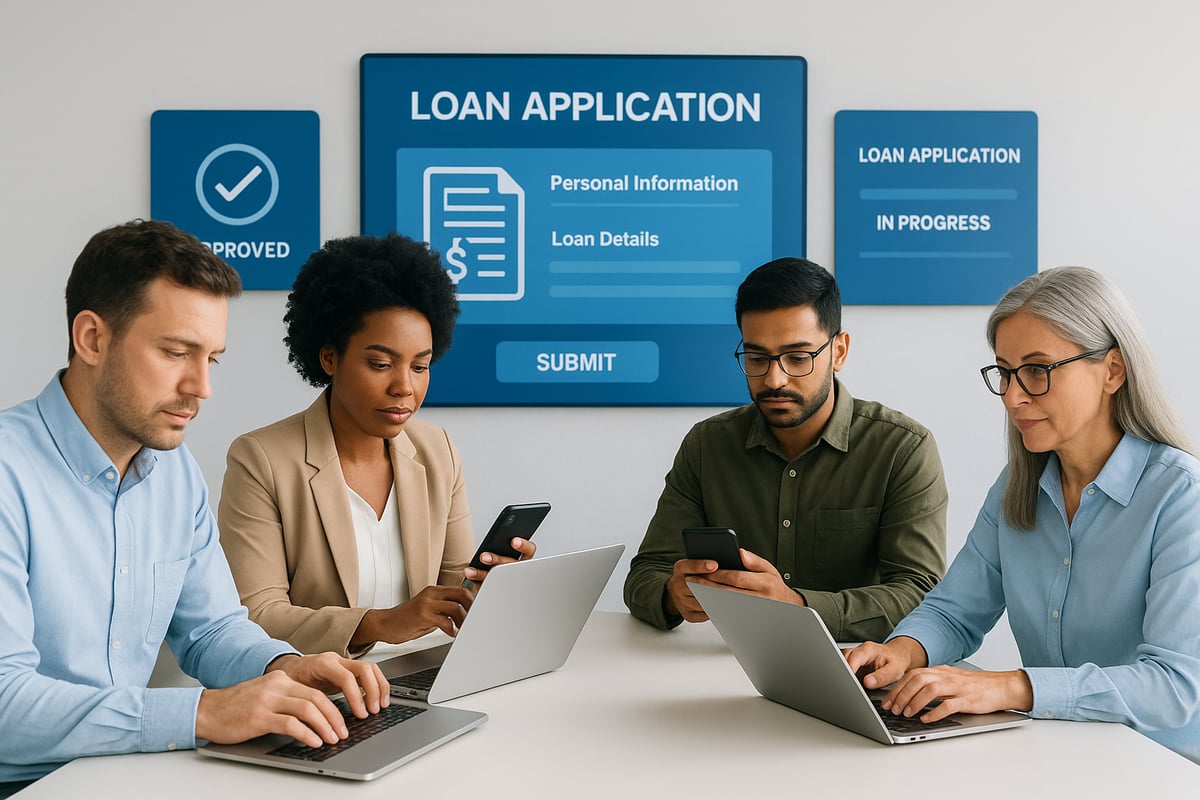
Step 1: Assessing Your Financial Needs and Goals
The first step in securing loans for customers is to clearly define your financial goals. Are you looking to renovate your home, purchase a car, or fund further education? Determine the exact amount you need and outline the purpose for borrowing.
Evaluate whether a short-term or long-term loan aligns with your repayment ability. Use online loan calculators to assess affordability and compare different scenarios. For example, if your goal is a home renovation, match the loan type and term to the expected project cost and timeline. Setting clear objectives ensures you choose the right loans for customers from the start.
Step 2: Checking Eligibility and Creditworthiness
Before applying for loans for customers, review your current credit profile. In 2026, lenders consider both traditional credit scores and alternative data, such as rent and utility payment history. This expanded view benefits those with limited credit backgrounds.
Check the minimum credit score and income requirements for your desired loan. Many lenders now use AI tools to assess applicants with thin files, considering a broader range of data. Staying updated on recent eligibility criteria and maintaining a healthy debt-to-income ratio will improve your chances of approval for loans for customers.
Step 3: Researching and Comparing Lenders
The next step is to explore the wide range of lenders offering loans for customers, such as banks, credit unions, fintech platforms, and online-only providers. Each lender type offers unique advantages, including different interest rates, fees, and customer service experiences.
Use comparison tables like the one below to evaluate your options:
| Lender Type | Average APR (2026) | Approval Time | Repayment Flexibility |
|---|---|---|---|
| Bank | 7.2% | 2-5 days | Moderate |
| Credit Union | 6.5% | 2-4 days | High |
| Fintech | 7.8% | Same day | Very High |
Read customer reviews and verify lender credentials before making a decision. Thorough research ensures you find the best loans for customers.
Step 4: Preparing Documentation and Application Materials
Gathering the correct documents is essential when applying for loans for customers in 2026. Common requirements include government-issued identification, proof of income, and digital verification of your identity.
Most lenders now use digital ID verification, which can cut application time in half. Prepare the following:
- Valid photo ID
- Recent pay stubs or proof of income
- Digital address verification
- Bank statements
Double-check all documents for accuracy to avoid delays. A complete and error-free application makes securing loans for customers faster and easier.
Step 5: Submitting the Application and Navigating Approval
Once your materials are ready, submit your application either online or in person, depending on lender preference. Many fintech platforms and banks now offer instant approval for qualified applicants. The underwriting process may involve automated checks and, occasionally, requests for additional information.
To simplify this step, consider applying for a loan online, where digital platforms guide you through each stage. Stay responsive to any follow-up questions to keep the process moving. Submitting accurate information helps ensure loans for customers are approved quickly.
Step 6: Reviewing Loan Offers and Terms
After approval, carefully review your loan offers. Look at the Annual Percentage Rate (APR), fees, and repayment schedules. Be sure to identify any hidden costs or prepayment penalties before accepting the terms.
If you notice unfavorable clauses, negotiate with the lender for better conditions. Understanding the fine print protects loans for customers from unexpected expenses and ensures you select the most favorable offer.
Step 7: Accepting the Loan and Managing Disbursement
Once you accept an offer, finalize the agreement and arrange for funds to be disbursed. Most lenders in 2026 offer digital contracts and instant transfers, so you can access your money quickly.
Set up automated repayment reminders using mobile apps to stay on track. Early repayment can improve your credit score and reduce interest payments. Staying proactive ensures loans for customers remain a tool for financial empowerment.
Loan Eligibility Criteria & Improving Approval Odds
Understanding eligibility is the first step for anyone seeking loans for customers in 2026. Lenders continue to focus on key factors like credit score, steady income, and employment status. With the loan landscape becoming more diverse, these criteria are evolving to reflect the changing needs of borrowers.

Traditional vs. Non-Traditional Eligibility Factors
While credit scores and documented income remain central to loans for customers, 2026 has seen a rise in non-traditional assessment methods. Lenders now consider alternative data, such as rent and utility payment histories, digital footprints, and even social media profiles to gauge financial responsibility.
This shift helps those with limited credit files. For example, a person who has consistently paid rent on time can now demonstrate reliability, even without an extensive credit history. The table below summarizes key differences:
| Eligibility Factor | Traditional Approach | Non-Traditional Approach |
|---|---|---|
| Credit Score | Required | Flexible/Weighted |
| Income Verification | Pay Stubs/Tax Returns | Bank Statements, Apps |
| Alternative Data | Not Used | Rent, Utilities, Digital |
| Employment Status | Full-Time Preferred | Gig/Contract Accepted |
Improving Your Approval Odds
To increase approval chances for loans for customers, start by reviewing your credit report for errors and ensuring all bill payments are current. Even small actions, like paying utility bills on time, can boost your profile. Lenders in 2026 often reward consistent payment behavior with better loan terms.
Consider these steps:
- Pay all bills promptly, including mobile and streaming services.
- Reduce outstanding debts to lower your debt-to-income ratio.
- Gather alternative documents, such as proof of regular rent payments.
If you are self-employed or part of the gig economy, prepare detailed records of your income streams. Use digital tools designed for freelancers to track earnings, as lenders increasingly accept these forms of documentation.
Addressing Rejections and Embracing New Trends
Common reasons for loan rejection include low credit scores, high debt levels, or incomplete applications. Address these by building positive payment history and keeping financial documents organized. If denied, request feedback from the lender and take steps to resolve specific issues before reapplying.
The landscape for loans for customers is rapidly transforming. Lenders are adopting more inclusive evaluation models, making it easier for diverse applicants to access funds. According to Personal Loans Market Growth Projections, the demand for flexible borrowing options is driving innovation and expanding credit access for many.
By understanding eligibility criteria and actively improving your financial profile, you can maximize your chances of securing the best loans for customers in 2026.
Interest Rates, Fees, and Repayment Terms Explained
Navigating loans for customers in 2026 means understanding how rates, fees, and repayment terms shape your borrowing experience. The right knowledge helps you compare offers, avoid costly surprises, and choose the best option for your needs.
How Interest Rates Are Determined in 2026
Interest rates for loans for customers are shaped by several factors in 2026. Lenders offer both fixed and variable rates. Fixed rates stay the same throughout the loan, while variable rates can change based on market conditions. Central bank policies and inflation trends play a major role in setting the baseline for these rates.
Your credit score is another key factor. Higher scores often result in lower rates, while riskier profiles might see higher costs. The loan type also matters. For example, personal loans and home loans typically have different average rates. In 2026, digital lenders use advanced algorithms to assess risk more precisely, sometimes offering more personalized rates.
For a deeper dive into how rates are calculated for different loan types, see Personal loan interest rates explained. Staying informed helps you secure the most favorable terms when exploring loans for customers.
Understanding Loan Fees and Hidden Costs
Fees can quickly add up in loans for customers, so it is important to know what to expect. Common fees include origination charges, late payment penalties, and prepayment costs. Some lenders also charge administrative or processing fees, especially for specialized products.
Here is a quick comparison of typical fee structures in 2026:
| Fee Type | Typical Amount | When Charged |
|---|---|---|
| Origination | 1% – 5% of loan | At disbursement |
| Late Payment | $15 – $40 | After missed due date |
| Prepayment | 1% – 2% of balance | If paid off early |
To avoid hidden costs, always read the fine print and ask about any unclear charges. Watch for predatory lending practices, such as excessive fees or unclear terms. Transparent lenders will explain all fees up front, making it easier to compare loans for customers and select the right offer.
Repayment Terms and Flexibility
Repayment terms for loans for customers in 2026 are more flexible than ever. Standard periods range from 12 months for small personal loans to 30 years for mortgages. Many lenders now offer options for restructuring or refinancing if your financial situation changes.
Some fintech companies provide customizable repayment plans, letting you adjust payment dates or pause payments in emergencies. However, missing or delaying payments can impact your credit and may result in extra fees. It is essential to understand the consequences of late payments and communicate with your lender if you anticipate difficulties.
When comparing loans for customers, look for lenders that offer digital tools to manage your payments and track your balance in real time. This support helps you stay on top of your obligations and avoid unnecessary costs.
Choosing the Right Lender: What Customers Should Know
Selecting the right provider for loans for customers is a critical step toward financial success. With more options than ever before, borrowers must weigh several factors to ensure they partner with a trustworthy and suitable lender. Understanding what differentiates lenders will empower you to make informed choices.
Factors to Consider When Selecting a Lender
When evaluating loans for customers, reputation and licensing are foundational. Choose lenders with proper credentials and a proven track record. Customer reviews provide valuable insights into service quality and satisfaction. Transparency in terms and conditions is essential, so always read the fine print.
Support channels also matter. Some lenders offer robust digital support, while others maintain traditional branch-based services. Accessibility is key for loans for customers with unique credit profiles or those who prefer in-person assistance.
Below is a summary of essential factors:
| Factor | Why It Matters | What to Look For |
|---|---|---|
| Licensing | Ensures legal compliance | State or federal certification |
| Reputation | Reflects reliability | Positive customer feedback |
| Transparency | Prevents hidden costs | Clear terms and disclosures |
| Customer Support | Affects overall experience | Responsive service channels |
| Accessibility | Expands loan options | Services for varied credit needs |
Always compare these aspects before committing to any loans for customers.
Standard Financial: A Customer-Focused Lending Option
Standard Financial stands out in Louisiana, Mississippi, Tennessee, and Georgia for its focus on flexible loans for customers facing credit challenges. The company offers a diverse range of products, including personal, home improvement, medical, and education loans. Their personalized approach ensures that borrowers receive guidance tailored to their unique situations.
One hallmark of Standard Financial is its commitment to accessibility. Customers benefit from low payments and multiple branch locations, making it easier to manage loans for customers even after past financial setbacks. For example, borrowers with bankruptcy or limited credit history are not excluded, but rather receive thoughtful solutions.
Their regional expertise and flexible plans contribute to high satisfaction rates. If you are interested in specialized products, such as Title loan options in Gonzales, Standard Financial provides detailed information and support. This customer-centric model makes them a strong choice for loans for customers seeking a supportive lending partner.
Comparing Lenders: Traditional vs. Fintech vs. Credit Unions
The landscape for loans for customers includes traditional banks, fintech platforms, and credit unions. Each offers unique advantages and potential drawbacks.
- Traditional banks are known for stability and comprehensive financial products, but may have stricter criteria and slower approval times.
- Fintech lenders excel in speed and digital convenience, often providing instant decisions and flexible repayment options.
- Credit unions deliver personalized service and competitive rates, especially to members, and may have special programs for first-time borrowers or underserved communities.
Here is a quick comparison:
| Lender Type | Strengths | Weaknesses |
|---|---|---|
| Traditional Banks | Security, full-service options | Slower, stricter requirements |
| Fintech Platforms | Fast approvals, digital tools | Less personal interaction |
| Credit Unions | Low rates, member benefits | Limited to membership eligibility |
Choosing between local and national lenders also impacts the experience. Local lenders may offer more personalized support, while national providers often have broader product selections. For loans for customers, understanding these differences can help you find the best fit for your financial goals.
The Future of Loans: Trends and Innovations to Watch in 2026
The landscape of loans for customers is entering a new era in 2026. Rapid advancements in technology, evolving borrower expectations, and a focus on sustainability are reshaping how people access and manage credit. Understanding these trends is crucial for anyone considering loans for customers, as the right knowledge can lead to smarter financial decisions.
The Rise of AI and Automation in Lending
AI is setting a new benchmark for loans for customers in 2026. Lenders now leverage predictive analytics to evaluate risk and create personalized loan offers in minutes. Automated platforms, powered by advanced machine learning models, can process applications at lightning speed while reducing bias and error.
Chatbots and virtual advisors further streamline the borrowing journey, providing instant answers and guidance. According to recent research, AI in credit approval processes has significantly improved decision-making accuracy and efficiency. As a result, approval times for loans for customers are now dramatically shorter, empowering borrowers to secure funds when they need them most.
Expansion of Green and Social Impact Loans
Sustainability is more than a buzzword in 2026. Green and social impact loans for customers have surged as people seek to support eco-friendly projects and community causes. Lenders now offer specialized loans for energy-efficient home improvements, electric vehicles, and solar installations.
A recent home loan market analysis highlights the growing demand for environmentally responsible loans for customers. Many of these loans come with lower interest rates and flexible terms, rewarding borrowers who make sustainable choices. Social lending platforms are also on the rise, channeling funds into local initiatives and community development.
Embedded Finance and “Buy Now, Pay Later” Evolution
The concept of embedded finance is transforming loans for customers by integrating lending options directly into everyday transactions. Buy Now, Pay Later (BNPL) services have evolved to cover larger purchases, including home upgrades and medical expenses.
This seamless integration means customers can access loans for customers at the point of sale, with instant approval and transparent terms. Regulators are taking note, introducing measures to ensure responsible lending and protect consumers. As embedded finance matures, expect even more innovative credit solutions to become available.
Enhanced Customer Experience through Technology
Customer experience is at the forefront of innovation in loans for customers. Mobile-first lending apps now offer real-time loan tracking, digital signatures, and instant fund disbursement. These features make managing loans for customers more convenient and transparent than ever before.
Lenders are investing in user-friendly interfaces, personalized communication, and 24/7 support to build lasting relationships. Technology is not only speeding up processes but also empowering borrowers with the information they need to make confident choices about loans for customers.
Evolving Borrower Expectations and Financial Wellness
Borrowers in 2026 expect more than just access to funds. They demand transparency, educational resources, and tools that support their overall financial wellness. Many lenders now pair loans for customers with financial literacy programs and budgeting tools.
This shift reflects a broader trend toward empowerment and loyalty. Customers are more likely to stay with lenders who prioritize their success and well-being. As the market evolves, expect to see more initiatives designed to help borrowers achieve their goals with confidence.
Now that you have a clear understanding of the 2026 loan landscape and know what to look for in a reliable lender, it is time to take the next step toward your financial goals. Whether you are planning a home renovation, covering medical expenses, or investing in education, Standard Financial is here to offer flexible options and personalized support—even if you have faced credit challenges in the past. You deserve a lending partner who understands your needs and makes the process straightforward. If you are ready to move forward, do not wait—Apply For A Loan Today.






1 Comment
[…] with online tools and quick funding. For current rates and comparisons, you can review this helpful loans for customers overview. These loans are designed to fit a variety of needs, making them a popular choice for members […]