

Building a solid credit history is one of the most important financial steps you can take as an adult. Whether you're a recent graduate, new to the country, or simply haven't needed credit before, understanding how to build credit from scratch opens doors to better interest rates, loan approvals, and financial opportunities. For residents across Louisiana, Mississippi, Tennessee, and Georgia, establishing credit can mean the difference between qualifying for a home improvement loan or facing limited financing options. The good news is that anyone can start building credit, even with no prior history, by following strategic steps and maintaining responsible financial habits.
Understanding Credit Scores and Why They Matter
Your credit score serves as a financial report card that lenders use to evaluate your creditworthiness. This three-digit number, typically ranging from 300 to 850, influences whether you'll qualify for loans, credit cards, apartments, and sometimes even job opportunities.
The Five Key Factors That Determine Your Credit Score
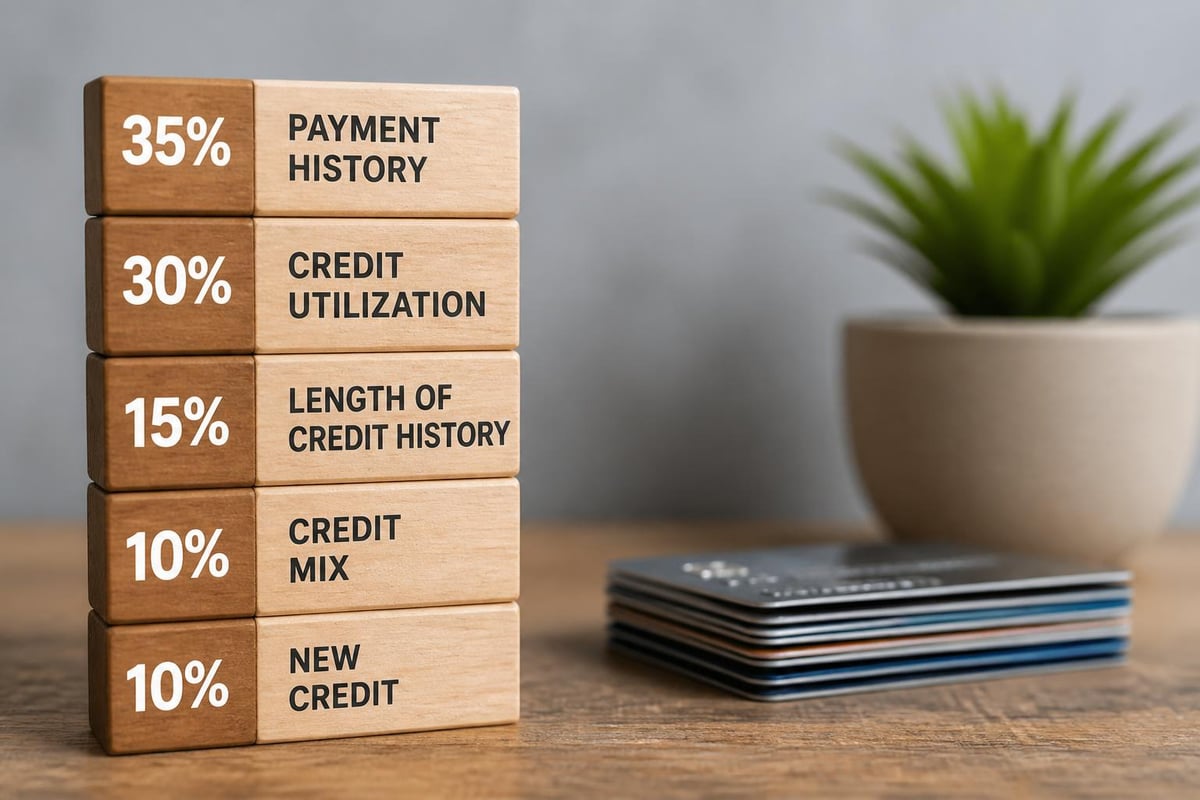
Understanding what impacts your credit score helps you make informed decisions as you learn how to build credit from scratch. Each factor carries different weight in the calculation:
| Credit Score Factor | Percentage of Score | What It Means |
|---|---|---|
| Payment History | 35% | On-time vs. late payments |
| Credit Utilization | 30% | How much credit you use vs. your limits |
| Length of Credit History | 15% | How long accounts have been open |
| Credit Mix | 10% | Variety of credit types (cards, loans, etc.) |
| New Credit | 10% | Recent credit inquiries and new accounts |
Payment history dominates your score because it demonstrates reliability. A single missed payment can drop your score significantly, while consistent on-time payments build trust with lenders.
Credit utilization measures how much of your available credit you're using. Experts recommend keeping this ratio below 30%, though below 10% is ideal. If you have a credit card with a $1,000 limit, try to maintain a balance under $300.
The remaining factors-length of credit history, credit mix, and new credit-play supporting roles. While you can't instantly create a long credit history, you can start the clock today and make strategic choices about the types of credit you pursue.
Starting Your Credit Journey with Secured Credit Cards
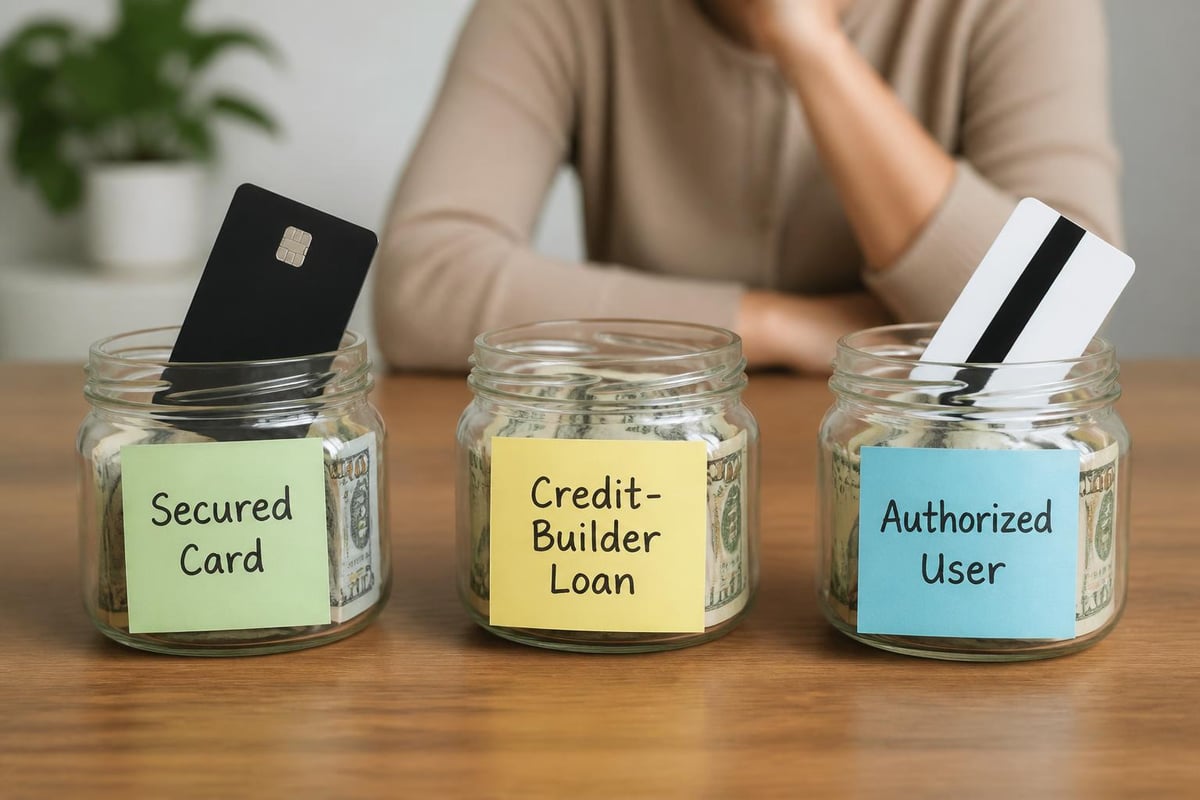
Secured credit cards represent one of the most accessible entry points when learning how to build credit from scratch. Unlike traditional credit cards, secured cards require a cash deposit that serves as your credit limit.
How Secured Credit Cards Work
You'll deposit typically between $200 and $2,000 with the card issuer. That deposit becomes your credit line. If you deposit $500, you can charge up to $500 on the card. The issuer holds your deposit as collateral, reducing their risk and making approval easier for those without credit history.
The beauty of secured cards lies in their dual function: they work like regular credit cards for purchases while building your credit through reported payment activity. After demonstrating responsible usage for 12 to 18 months, many issuers will upgrade you to an unsecured card and return your deposit.
Key practices for secured card success:
- Make at least the minimum payment by the due date every month
- Keep your balance below 30% of your limit
- Pay your full balance when possible to avoid interest charges
- Set up automatic payments to never miss a due date
- Monitor your credit reports to verify the issuer reports to all three bureaus
Choose a secured card that reports to Experian, Equifax, and TransUnion. Some issuers only report to one or two bureaus, limiting the credit-building impact. Secured credit cards can provide a foundation for building credit when used responsibly and paired with other strategies.
Leveraging Credit-Builder Loans for Dual Benefits
Credit-builder loans offer a unique approach to establishing credit while simultaneously building savings. These specialized products are designed specifically for people learning how to build credit from scratch.
The Credit-Builder Loan Process
Unlike traditional loans where you receive money upfront, credit-builder loans work in reverse. The lender deposits the loan amount (usually $300 to $1,000) into a locked savings account. You make monthly payments over 6 to 24 months, and the lender reports these payments to credit bureaus. Once you've completed all payments, you receive the full amount plus any interest earned.
This structure benefits everyone. You build credit through reported payments, develop a savings habit, and receive a lump sum at the end. The lender faces minimal risk because they hold the money throughout the loan term.
Many credit unions and community banks offer credit-builder loans with reasonable terms. For residents in Louisiana, Mississippi, Tennessee, and Georgia, local financial institutions often provide these products at competitive rates. The typical APR ranges from 6% to 16%, though rates vary by institution and loan term.
| Loan Amount | Monthly Payment | Term Length | Total Interest | Final Payout |
|---|---|---|---|---|
| $500 | $43 | 12 months | $16 | $500 |
| $1,000 | $86 | 12 months | $32 | $1,000 |
| $1,000 | $45 | 24 months | $80 | $1,000 |
Compare multiple lenders before committing. Some credit-builder loans charge fees or higher interest rates that reduce the value of this credit-building strategy.
Becoming an Authorized User on Established Accounts
If you have a trusted family member or friend with excellent credit habits, becoming an authorized user on their credit card can accelerate your credit-building journey. This strategy allows you to benefit from someone else's positive credit history.
Understanding Authorized User Status
When added as an authorized user, the account's entire history typically appears on your credit report. If the primary cardholder has maintained the account for five years with perfect payments, that positive history can boost your credit profile immediately.
Important considerations before becoming an authorized user:
- Verify the card issuer reports authorized users to credit bureaus
- Confirm the primary cardholder has excellent payment history
- Understand that negative activity will also affect your credit
- Discuss whether you'll receive an actual card or just the credit benefit
- Establish clear expectations about usage and responsibility
The primary cardholder should have a long history of on-time payments, low credit utilization, and no recent delinquencies. Even if you never use the card, the account activity reports to your credit file and can help establish a positive track record.
This approach works best as a supplement to other credit-building methods rather than your sole strategy. Lenders value credit you've managed independently, so combine authorized user status with your own secured card or credit-builder loan.
Reporting Rent and Utility Payments to Credit Bureaus
Many people building credit from scratch don't realize that their regular rent and utility payments can contribute to their credit history. These payments demonstrate financial responsibility but traditionally haven't counted toward credit scores.
Several services now bridge this gap by reporting rent payments to credit bureaus. Companies like RentTrack, Rental Kharma, and LevelCredit collect evidence of your on-time rent payments and add them to your credit report. Some services charge monthly fees between $5 and $15, while others bill annually.
Maximizing the Impact of Alternative Credit Data
Utility companies generally don't report payment activity unless you fall significantly behind. However, Experian Boost allows you to connect bank accounts and add positive payment history for utilities, phone bills, and streaming services to your Experian credit report.
The process is straightforward: link your bank account, allow Experian to scan for qualifying payments, select which accounts to include, and receive an immediate score update. This service is free and can provide a small boost to your FICO score, particularly helpful when you're just starting out.
Alternative data that can strengthen your credit profile:
- Consistent rent payments through reporting services
- Utility bills (electricity, water, gas)
- Telecommunications payments (phone, internet, cable)
- Subscription services with recurring charges
- Insurance premium payments through specific programs
These methods work best as complementary strategies. They won't replace traditional credit products, but they can accelerate your progress when combined with secured cards or credit-builder loans. Understanding how to report rent payments can add valuable positive history to your credit file.
Maintaining Good Credit Habits for Long-Term Success
Learning how to build credit from scratch extends beyond opening accounts. Your daily financial behaviors determine whether your credit score climbs or stagnates.
Essential Practices for Credit Health
Never miss payment due dates. Set multiple reminders, use automatic payments, or mark due dates on calendars. Payment history represents 35% of your credit score, making it the single most important factor. Even one 30-day late payment can drop your score by 60 to 110 points.
Keep credit utilization low across all accounts. Calculate your total credit usage divided by your total available credit. If you have two cards with $500 limits and owe $200 total, your utilization is 20%. Aim for single digits when possible.
Monitor your credit reports regularly. You're entitled to free annual reports from Experian, Equifax, and TransUnion through AnnualCreditReport.com. Review these reports for errors, fraudulent accounts, or incorrect information. Dispute inaccuracies immediately through the bureau's website.
Avoid closing old accounts unnecessarily. Account age contributes to your credit score. Even if you no longer use a card, keeping it open (with occasional small purchases) helps maintain your average account age and total available credit.
Apply for new credit sparingly. Each credit application typically results in a hard inquiry, which can lower your score by a few points. Multiple inquiries within a short period signal financial stress to lenders. Responsible credit management strategies emphasize thoughtful, strategic credit applications rather than frequent requests.
| Credit Habit | Impact on Score | Recommended Frequency |
|---|---|---|
| Check credit reports | Positive (catches errors) | Every 4 months (rotate bureaus) |
| Pay bills on time | Very positive | Every month |
| Apply for new credit | Negative if excessive | Once every 6-12 months |
| Review credit utilization | Positive (enables adjustments) | Monthly |
| Dispute errors | Positive (corrects information) | As needed |
Building Credit Types Strategically Over Time
As you establish your initial credit foundation, diversifying your credit mix can strengthen your profile. Lenders prefer seeing that you can manage different types of credit responsibly.
Understanding Credit Categories
Revolving credit includes credit cards and lines of credit. These accounts allow you to borrow up to a limit, repay, and borrow again. You must manage utilization carefully and make at least minimum payments monthly.
Installment credit encompasses auto loans, personal loans, mortgages, and student loans. These loans have fixed payment amounts and set terms. You receive the full amount upfront and repay through scheduled payments.
When you're ready to expand beyond your starter secured card, consider adding one installment account. A small personal loan from a credit union or community bank adds diversity without overextending your finances. For residents dealing with home repairs or medical expenses, responsible installment loans through established lenders can serve dual purposes: meeting immediate needs while building credit history.
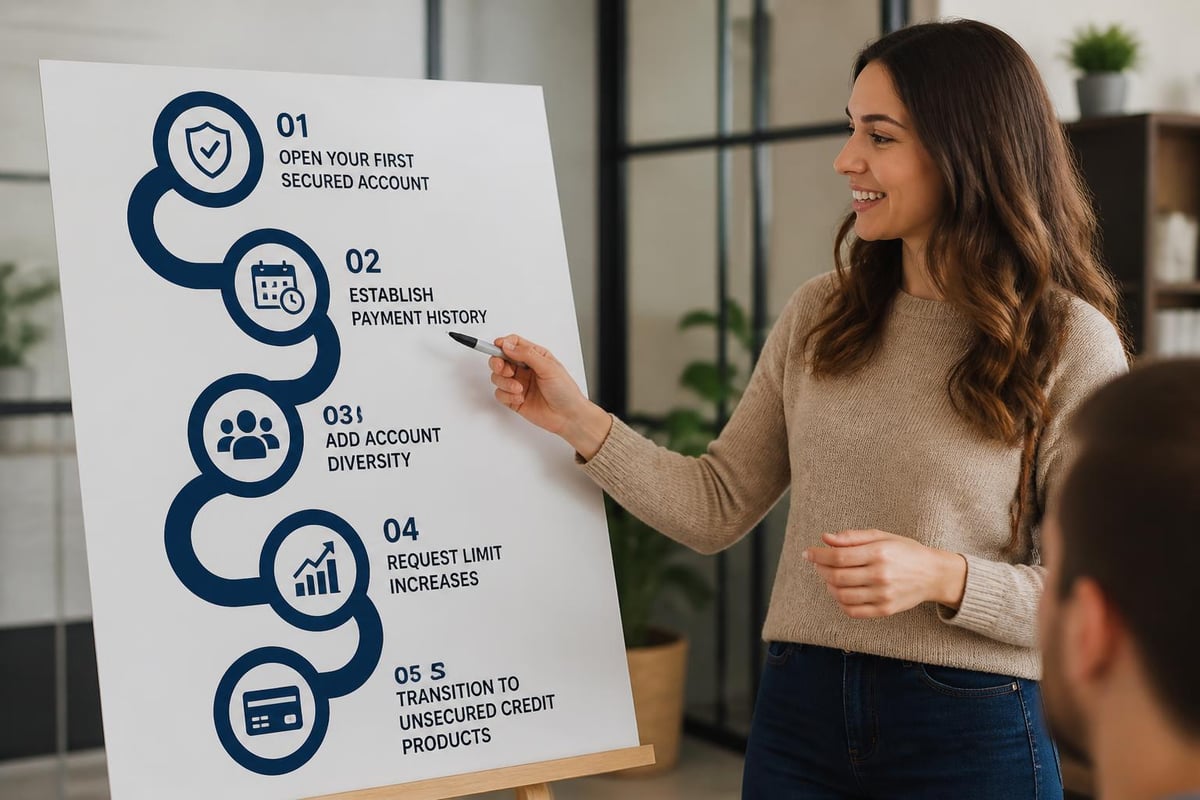
Timeline for strategic credit building:
- Months 1-6: Open secured credit card or credit-builder loan, establish perfect payment history
- Months 6-12: Consider adding one additional product (second type), continue flawless payments
- Months 12-18: Request credit limit increases on secured card, maintain low utilization
- Months 18-24: Evaluate upgrade opportunities to unsecured products, review credit reports
- Beyond 24 months: Strategically add credit only when needed, maintain established good habits
Resist the temptation to open multiple accounts quickly. Each new account lowers your average account age and triggers hard inquiries. Methodical approaches to building credit produce better results than rushing the process.
Avoiding Common Mistakes That Damage New Credit
People learning how to build credit from scratch often make predictable errors that slow progress or cause setbacks. Understanding these pitfalls helps you navigate your credit journey more successfully.
The Most Damaging Credit-Building Mistakes
Missing payments ruins your progress instantly. A single late payment reported to credit bureaus can devastate a new credit score. If you realize you'll miss a payment, contact the creditor immediately. Many will work with you, especially for a first offense, and may not report the late payment if you pay within a grace period.
Maxing out credit cards signals financial distress. Even if you pay the balance in full each month, high utilization at the statement closing date can hurt your score. Credit card issuers report your balance on a specific day each month, typically your statement date. Pay down balances before that date to show lower utilization.
Applying for too many accounts too quickly raises red flags. Credit scoring models interpret multiple applications as desperation or financial instability. Space applications at least six months apart when building credit from scratch.
Ignoring credit reports allows errors to persist. Identity theft, incorrect information, and reporting errors happen frequently. Without regular monitoring, these issues can suppress your score for months or years. Address problems immediately rather than discovering them when applying for important financing.
Closing accounts to "clean up" your credit backfires. New credit builders sometimes think fewer accounts look better. However, closing accounts reduces your total available credit, potentially increasing your utilization ratio. It also stops the account from aging, which helps your credit history length.
Cosigning loans creates unexpected risk. Friends or family might ask you to cosign once you've established some credit. Remember that you're equally responsible for the debt. Any missed payments damage your credit, and the debt counts against your debt-to-income ratio when you apply for your own financing.
Understanding How Different Lenders View New Credit
Not all lenders evaluate thin credit files identically. Understanding these perspectives helps you set realistic expectations as you build credit from scratch.
Lender Categories and Their Requirements
Traditional banks often require established credit histories spanning several years. Their automated systems may decline applications with limited trade lines, regardless of perfect payment history on those accounts. These institutions typically focus on prime borrowers with proven track records.
Credit unions generally take a more holistic approach to lending decisions. They consider your relationship with the institution, employment history, and overall financial picture beyond just your credit score. Many credit unions offer starter products specifically designed for members building credit.
Alternative and specialized lenders evaluate applications differently than major banks. These institutions understand that past credit challenges or limited history don't necessarily predict future behavior. They consider current income, employment stability, and recent financial responsibility. For residents across Louisiana, Mississippi, Tennessee, and Georgia, regional lenders often provide more flexible qualification standards while still reporting to credit bureaus.
| Lender Type | Typical Minimum Score | Credit History Required | Primary Focus |
|---|---|---|---|
| Major Banks | 660-700+ | 3-5 years | High credit scores, low risk |
| Credit Unions | 600-650 | 1-2 years | Relationship, overall finances |
| Specialized Lenders | 550-600 | 6-12 months | Current stability, recent responsibility |
| Secured Products | None | None | Deposit or collateral |
Understanding these distinctions helps you target appropriate lenders as your credit develops. Building strong credit takes time and strategic planning, but knowing where you'll likely qualify prevents discouragement from premature applications to traditional lenders.
Monitoring Your Progress and Adjusting Strategies
Building credit from scratch requires regular assessment and strategy adjustments based on your progress and changing financial situation.
Tools for Tracking Credit Development
Free credit monitoring services from Credit Karma, Credit Sesame, and NerdWallet provide regular score updates and credit report access. While these services typically show VantageScore rather than FICO scores, they help you track trends and identify issues.
Many credit card issuers now offer free FICO scores to cardholders. Check your issuer's app or website monthly to monitor this industry-standard score. Banks, mortgage lenders, and auto lenders most commonly use FICO scores for lending decisions.
Key metrics to track monthly:
- Overall credit score across all available sources
- Credit utilization percentage on each account and overall
- Number of on-time payments versus total payment opportunities
- Average age of accounts
- Number of hard inquiries in the past 12 months
- Total available credit across all accounts
Create a simple spreadsheet to log these metrics monthly. This practice helps you identify patterns, celebrate improvements, and spot potential problems early. Seeing your score climb from zero to 650, then 700 and beyond, provides motivation to maintain good habits.
Review your full credit reports every four months by rotating between the three bureaus. January check Experian, May check Equifax, September check TransUnion. This schedule gives you year-round monitoring without paying for services.
When you notice your credit score plateauing, evaluate whether you need to adjust strategies. Perhaps it's time to request a credit limit increase, add another credit type, or ensure you're keeping utilization in single digits rather than below 30%.
Transitioning from Starter to Traditional Credit Products
After 12 to 18 months of responsible credit management, you'll likely qualify for unsecured credit products with better terms. This transition represents an important milestone in your credit journey.
Upgrading Your Credit Portfolio
Contact your secured credit card issuer around the 12-month mark to request graduation to an unsecured card. Many issuers will review your account, check your credit score improvement, and approve the upgrade if you've maintained good standing. They'll return your security deposit and may increase your credit limit.
If your issuer doesn't offer upgrades, you can apply for an unsecured card elsewhere. Look for cards with no annual fee, reasonable interest rates, and features that match your spending patterns. Your improved credit score should qualify you for better products than when you started.
Consider these factors when upgrading credit products:
- Annual fees (avoid unless rewards justify the cost)
- Interest rates (important if you occasionally carry balances)
- Credit limit offered (higher limits help utilization ratios)
- Rewards programs (cash back, travel points, or other benefits)
- Customer service reputation (helpful when issues arise)
Personal loans from reputable lenders can replace credit-builder loans if you need financing for specific purposes. With 18 to 24 months of positive credit history, you'll access better interest rates and terms than when you started building credit from scratch.
Resist the urge to open multiple new accounts simultaneously once you qualify for better products. Each application creates a hard inquiry, and multiple new accounts lower your average account age. Add new credit strategically based on actual needs rather than simply because you now qualify.
Managing Credit Challenges and Setbacks
Even with careful planning, unexpected situations can threaten your credit-building progress. Knowing how to handle challenges minimizes damage and keeps you moving forward.
Responding to Financial Difficulties
Life events like job loss, medical emergencies, or unexpected expenses can make timely payments difficult. Contact creditors immediately if you anticipate payment problems. Many offer hardship programs that temporarily reduce payments, defer due dates, or adjust terms without reporting negative information to credit bureaus.
Steps to take when facing payment difficulties:
- Assess your complete financial situation objectively
- Prioritize essential expenses (housing, utilities, food)
- Contact creditors before missing payments
- Request hardship programs or payment arrangements
- Document all communications with creditors
- Consider credit counseling from reputable nonprofit organizations
- Avoid predatory lending or debt settlement scams
If you do miss a payment, bring the account current as quickly as possible. The impact of a late payment decreases over time, and recent positive payment history gradually outweighs past mistakes. One 30-day late payment won't destroy your credit permanently, though it will cause temporary setbacks.
For residents in Louisiana, Mississippi, Tennessee, and Georgia dealing with unexpected expenses, working with established lenders who understand life's unpredictability can make the difference between a temporary setback and a long-term credit crisis. Lenders who specialize in helping people rebuild or establish credit often provide more flexible solutions during difficult periods.
Building credit from scratch takes patience, strategy, and consistent financial discipline, but the rewards extend far beyond a three-digit score. By starting with secured credit cards or credit-builder loans, maintaining perfect payment records, and gradually diversifying your credit mix, you create opportunities for better interest rates, loan approvals, and financial flexibility. Whether you need financing for home improvements, medical expenses, education, or other important life events, Standard Financial understands the challenges of building credit and offers flexible financing options designed for people at every stage of their credit journey, with branch offices throughout Louisiana, Mississippi, Tennessee, and Georgia ready to help you achieve your financial goals.







No comment yet, add your voice below!