

Are you thinking about taking out a consumer loan in 2026 but feeling uncertain about your options and the latest lending trends?
This guide is here to make the process simple. We will break down what a consumer loan is, the different types available, how these loans work, and what you need to qualify.
You will also discover the step-by-step application process, explore new trends shaping borrowing in 2026, and learn essential tips to make smart financial decisions.
Gain the knowledge you need to borrow with confidence, avoid costly mistakes, and take control of your financial future.
What Is a Consumer Loan?
Understanding what a consumer loan is can help you make smarter choices about your finances. At its core, a consumer loan is a financial product designed for individuals who need to borrow money for non-business, personal reasons.

Definition and Purpose
A consumer loan is a sum of money lent by a financial institution to an individual for personal use. These loans are not meant for business or commercial activity. Instead, people turn to consumer loans for a variety of needs, such as:
- Home renovations or repairs
- Medical expenses
- Education costs
- Major purchases like appliances or furniture
- Debt consolidation
Unlike business loans or credit lines, consumer loans focus on helping individuals manage personal goals and emergencies. Their role in personal finance is significant, supporting everything from home ownership to covering unexpected bills. For example, someone might use a personal loan to pay for a sudden medical procedure, providing peace of mind during a stressful time.
Consumer loans are essential for economic growth, allowing people to access funds quickly for important life events.
Types of Consumer Loans
There are several major types of consumer loan products available to borrowers today. The most common include:
- Personal loans
- Auto loans
- Mortgages
- Student loans
- Credit cards
- Home equity loans
Each type serves a specific purpose. For example, auto loan options in Watson are tailored for individuals buying a vehicle. Loans may be secured (requiring collateral, like a car or home) or unsecured (based only on your creditworthiness).
You’ll also encounter fixed-rate loans, where the interest stays the same throughout repayment, and variable-rate loans, where rates can change over time. Some loans are short-term, lasting a few months, while others, like mortgages, can span decades. According to recent data, mortgages and auto loans remain the most common consumer loan types in the United States.
Categories and Classifications
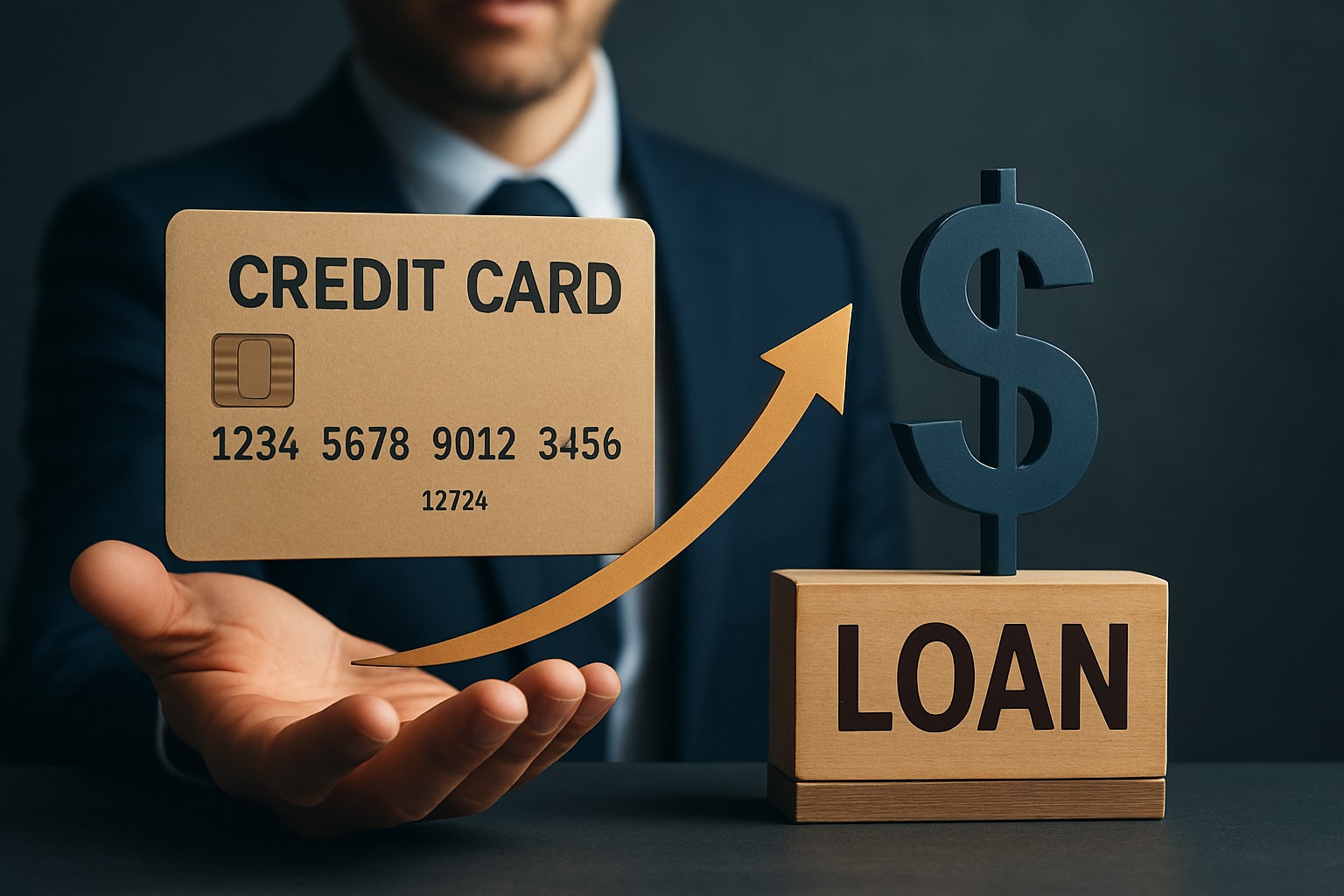
Consumer loans can be further divided into installment loans and revolving credit. Installment loans, such as auto loans and mortgages, require you to pay a fixed amount each month until the balance is gone. In contrast, revolving credit—like credit cards—lets you borrow, repay, and borrow again, up to a limit.
Loans may be open-end (allowing repeated access to funds) or closed-end (a fixed amount is borrowed and then repaid). They can also be government-backed, like federal student loans, or offered by private lenders. Lenders classify loans based on these factors and report them to credit bureaus, impacting your credit profile.
For example, if you open a credit card, it is reported as revolving credit. Taking out an auto loan is categorized as an installment loan. Knowing these differences helps you choose the consumer loan that best fits your needs.
How Consumer Loans Work in 2026
Navigating the world of consumer loan products in 2026 requires a clear understanding of how these financial tools function from start to finish. The landscape has evolved, with borrowers now facing a blend of traditional and digital processes. Let’s break down the key stages, important terms, and the tech-driven innovations shaping consumer loan experiences today.

The Loan Lifecycle
A consumer loan follows a set lifecycle, starting with the application phase. Applicants submit their information—personal, financial, and employment details—to the lender. Once the application is received, the lender evaluates eligibility, often using automated systems for faster decisions.
If approved, the lender issues a loan offer outlining the amount, interest rate, and repayment terms. After acceptance, funds are disbursed, either directly to your account or to a vendor, depending on the consumer loan type.
Repayment begins according to the agreed schedule. Most consumer loan products use fixed monthly payments, which include both interest and principal. Interest accrues based on the outstanding balance, and an amortization schedule helps borrowers track how each payment reduces their debt.
For example, a $10,000 personal loan with a 5-year term and 8% annual interest will have an amortization table showing how each payment covers interest and principal. Early repayment is allowed on many loans, but some may charge prepayment penalties, so always check the terms.
Once the balance reaches zero, your consumer loan account is closed, marking the end of the lifecycle.
Key Terms and Features
Understanding the key terms associated with a consumer loan is essential for making informed choices. The principal is the original amount borrowed. The interest rate determines how much you pay to borrow money, and the Annual Percentage Rate (APR) reflects the total yearly cost, including fees.
Fees can include origination, late payment, or prepayment penalties. Collateral is required for secured loans, such as auto or home equity loans, while unsecured loans—like most personal loans—do not need assets as security. Sometimes, a co-signer with strong credit can help you qualify for a better consumer loan offer.
Lenders assess your creditworthiness using credit reports and scoring models. The loan term, or repayment period, impacts your monthly payment and total interest paid. Comparing APRs is crucial, as two loans with the same interest rate can have different total costs due to varying fees.
| Loan Option | Principal | Interest Rate | APR | Monthly Payment | Total Cost |
|---|---|---|---|---|---|
| Loan A | $5,000 | 8% | 9% | $101 | $6,060 |
| Loan B | $5,000 | 8% | 15% | $119 | $7,140 |
This table shows why understanding all consumer loan terms is vital.
Digital Lending and 2026 Innovations
The consumer loan market in 2026 is defined by digital transformation. Fintech companies and online lenders now process over 60% of consumer loans, offering streamlined applications and instant approvals. Artificial intelligence evaluates borrower risk by analyzing a wider range of data, often resulting in faster, more accurate decisions.
Mobile-first platforms let you apply, sign documents, and manage your consumer loan from anywhere. Digital signatures and e-KYC (electronic Know Your Customer) have drastically reduced paperwork and waiting times.
For more details on how fintech is reshaping the consumer loan experience, visit Fintech Trends in Consumer Lending.
Borrowers now benefit from real-time updates, payment reminders, and personalized offers tailored to their financial profile. As technology advances, expect even greater convenience and security in the consumer loan process.
Eligibility, Requirements, and How to Qualify
Understanding how to qualify for a consumer loan in 2026 is essential for securing the right financing. Lenders carefully assess your financial profile, documentation, and personal circumstances before making an approval decision. By knowing what to expect and how to prepare, you can increase your chances of getting the loan you need.

Credit Score and Financial Profile
Your credit score remains a fundamental factor in qualifying for a consumer loan. Most lenders set minimum thresholds: for example, unsecured personal loans often require a FICO score of at least 600, while auto loans might accept scores as low as 580. A higher score not only improves approval odds but can also secure better interest rates.
Lenders also examine your income, employment history, and debt-to-income (DTI) ratio. Stable employment and consistent earnings demonstrate repayment ability. Generally, a DTI below 36 percent is preferred for most consumer loan products. Reviewing your credit report beforehand helps you spot errors or issues that could impact your application.
To understand current borrower trends and see how your financial profile compares, check out these Personal Loan Statistics 2025. Being informed about industry benchmarks can help you set realistic expectations.
For example, if you have a recent job change, you may be asked to provide additional documentation to verify your employment status. Meeting or exceeding the basic eligibility criteria is the first step toward a successful consumer loan application.
Documentation and Application Materials
When applying for a consumer loan, collecting the correct documents ensures a smoother process. Standard requirements include government-issued identification, proof of income (such as recent pay stubs or tax returns), bank statements, and employment verification. These materials help lenders verify your identity and assess your ability to repay.
Secured loans, like auto or home equity loans, require extra paperwork. You may need to provide a car title, home deed, or other proof of collateral. Organizing these documents in advance can speed up your application and prevent delays.
In 2026, many lenders accept digital copies or scanned documents, making the process more convenient. However, some may still request paper originals for certain loans or verification steps. Preparing both digital and physical versions ensures you’re ready for any scenario. Being thorough with your documentation increases your chances of approval for a consumer loan.
Factors Affecting Approval
Several additional factors can influence whether your consumer loan application is approved. Having a co-signer or guarantor with a strong credit history can strengthen your application, especially if your own profile has weaknesses. Lenders will also review your history for bankruptcies, recent delinquencies, or unresolved credit issues, which may result in stricter terms or denials.
Each lender has unique risk policies and may weigh factors differently. For example, some may be more flexible with recent employment changes, while others focus more on your long-term credit behavior. If you’ve faced credit challenges in the past, choosing a lender that specializes in flexible consumer loan solutions can improve your approval odds.
Remember, a transparent and honest application is crucial. If your application is denied, review the reasons given and work on addressing any weaknesses for future attempts.
The Consumer Loan Application Process: Step-by-Step
Embarking on the consumer loan journey can feel daunting, but understanding each stage will help you navigate the process with confidence. Whether you are seeking funds for a major purchase or consolidating debt, a clear plan will help you secure the right consumer loan for your needs.

Step 1: Assessing Your Needs and Loan Shopping
The first step in the consumer loan process is to clarify your borrowing goals. Determine exactly how much you need to borrow and what type of consumer loan fits your situation. For example, a personal loan may suit medical expenses, while an auto loan is ideal for vehicle purchases.
Comparing lenders is crucial. Explore traditional banks, credit unions, and online lenders, each offering distinct features and approval criteria. Online lenders and fintechs, for instance, often provide faster approvals and more flexible terms. Use online calculators to estimate your monthly payments and total loan cost. Many platforms allow you to prequalify, giving you an idea of potential rates without affecting your credit score.
If you are considering a car purchase, reviewing auto loan options in Gonzales can help you compare terms from local and regional lenders. Taking the time to research will ensure your consumer loan aligns with your budget and financial goals.
Step 2: Preparing and Submitting Your Application
Once you have selected your preferred lender and loan type, gather the necessary documentation. Standard requirements include government-issued identification, proof of income, employment verification, and recent bank statements. For secured consumer loans, you may also need asset documents, such as a car title or home deed.
Complete the application form accurately, double-checking details to avoid delays. Many lenders now offer digital platforms where you can upload documents and track your application status. Decide whether to apply online for convenience or in person if you prefer direct communication with a loan officer.
After submission, expect a response within a few hours to several days, depending on the lender and loan complexity. Staying organized and responsive during this stage will increase your chances of consumer loan approval.
Step 3: Approval, Offer Review, and Acceptance
If your consumer loan application is approved, you will receive a conditional offer outlining the terms. Carefully review the interest rate, fees, repayment schedule, and any special conditions. Do not hesitate to ask questions or negotiate terms if something is unclear.
Some lenders may provide instant approval, while others require additional verification. Compare the final offer against your initial expectations and other loan options. Accept the offer only when you are comfortable with every aspect, as it will impact your finances for the duration of the consumer loan.
Step 4: Funding and Repayment Setup
After accepting the loan offer, the lender will disburse funds, either instantly or within a few business days. Set up your repayment method, such as autopay or scheduled reminders, to ensure timely payments and protect your credit score.
Monitor your account regularly using online tools or mobile apps. If your consumer loan application is denied, review the lender’s feedback, address any documentation gaps, and explore alternative lenders or loan types. Staying proactive will help you achieve your financial objectives and manage your consumer loan responsibly.
Costs, Interest Rates, and Repayment Strategies
Understanding the true cost of a consumer loan is essential for making informed borrowing decisions. Costs go beyond the initial amount borrowed, and knowing what to expect helps you avoid surprises over the life of your loan.
Understanding Loan Costs
Every consumer loan comes with costs that affect your budget and long-term financial health. The main components are:
| Cost Element | Description | Example |
|---|---|---|
| Principal | Amount you borrow | $5,000 |
| Interest | Ongoing charge for borrowing | 8% APR |
| Origination Fee | Upfront processing fee | $100 |
| Late Payment Fee | Charge for missed or late payments | $25 per occurrence |
| Prepayment Penalty | Fee for paying off early | 2% of remaining balance |
The APR, or annual percentage rate, reflects the total yearly cost of the consumer loan, including fees and interest. For example, if you borrow $5,000 at 8% APR versus 15% APR, the difference in total repayment can be significant over a three-year term. Always compare APRs to understand the true cost.
Interest Rate Trends in 2026
Interest rates for consumer loans in 2026 are influenced by your credit score, loan type, lender policies, and overall economic conditions. As of early 2026, average rates are:
- Personal loans: 9%–13%
- Auto loans: 6%–8%
- Mortgages: 6.5%–7.5%
- Student loans: 5.5%–7%
These figures are based on recent reports and projections. For the latest data on auto loans, mortgages, and other consumer loan products, consult the Consumer Credit Trends Dashboard.
Factors such as inflation, Federal Reserve policy, and lender competition can shift rates throughout the year. Monitoring these trends helps you time your application for the best possible deal.
Repayment Methods and Strategies
Choosing the right repayment plan can save you money and stress. Most consumer loan providers offer standard fixed monthly payments, but some allow flexible options such as biweekly schedules or payment pauses.
To reduce total interest, consider making extra payments or paying off your loan early. Debt consolidation and refinancing can also lower your monthly payments or overall cost by securing a better rate. For example, refinancing a $10,000 loan from 12% to 7% APR can cut both your monthly payment and total interest paid.
Key strategies:
- Set up autopay to avoid missed payments
- Use loan calculators to model different scenarios
- Revisit your budget annually to optimize loan management
Managing Late Payments and Defaults
Missing payments on a consumer loan can have serious consequences. Late payments often result in fees, increased interest, and negative marks on your credit report. If you default, your account may be sent to collections, and your credit score could drop significantly.
If you face financial hardship, many lenders offer hardship programs or deferment options. Communicate proactively with your lender to explore solutions, such as modified payment plans or temporary relief. Staying ahead of issues protects your financial profile and keeps your consumer loan on track.
Consumer Loan Trends, Risks, and Best Practices for 2026
Staying informed about consumer loan trends, risks, and best practices is essential for borrowers in 2026. The lending landscape is rapidly evolving, bringing both new opportunities and challenges. Let’s break down what you need to know to make the smartest borrowing decisions in the years ahead.
Emerging Trends in Consumer Lending
Consumer loan markets are undergoing a digital transformation. By 2026, most borrowers access loans through mobile apps and online platforms, making the process faster and more transparent. Artificial intelligence is now central to risk assessment, with lenders using real-time data to evaluate applications and detect fraud.
Another major trend is the expansion of “buy now, pay later” (BNPL) services, offering flexible payment options for everything from electronics to healthcare. Regulatory agencies are increasing oversight to ensure fair practices and consumer protections in this fast-changing environment.
Recent data shows that over 60 percent of loans are processed online, reflecting the shift toward digital lending. For more insights into borrowing patterns and household debt, see the Household Debt Growth Report. As the consumer loan space evolves, staying aware of these trends will help you navigate your options with confidence.
Common Risks and How to Avoid Them
While the consumer loan landscape offers many benefits, it also presents significant risks. Overborrowing is a common pitfall, leading to debt traps that are difficult to escape. Predatory lenders target vulnerable borrowers with high-interest “payday” loans and misleading terms, so it is crucial to read all agreements carefully.
Hidden fees and complex repayment structures can add unexpected costs to your consumer loan. Cybersecurity threats are also on the rise, with more personal data shared online. To avoid these risks, watch for red flags like unclear terms, unusually high rates, or pressure to sign quickly. If you are considering specialized products, such as title loan solutions in Addis, research the lender’s reputation and compare your options.
By recognizing these risks, you can protect yourself and ensure that your consumer loan experience supports rather than hinders your financial goals.
Borrower Rights and Consumer Protections
Borrowers have important rights when taking out a consumer loan. Federal laws such as the Truth in Lending Act and the Fair Credit Reporting Act require lenders to disclose all terms, rates, and fees, ensuring transparency. If you spot errors on your credit report or experience unfair treatment, you have the right to dispute these issues and seek resolution.
Resources like the Consumer Financial Protection Bureau (CFPB) offer tools to file complaints and access financial counseling. For example, if a lender violates disclosure laws, you can use the CFPB’s complaint process to seek a remedy. Understanding your rights helps you make informed decisions and safeguards your interests throughout the consumer loan process.
Best Practices for Borrowers in 2026
To get the most value from your consumer loan, follow proven best practices. Always compare multiple offers and read the fine print before committing. Calculate the total cost of borrowing, including interest, fees, and any penalties for early payoff. Maintaining a strong credit profile will help you secure better terms in the future.
Leverage online tools, loan comparison sites, and budgeting apps to manage your repayments and track your financial progress. For complex situations, consider seeking professional advice from a financial counselor. By staying proactive and informed, you can make the most of your consumer loan and achieve your financial objectives confidently.
As you’ve discovered throughout this guide, understanding your options and the latest lending trends is key to making confident decisions about consumer loans in 2026. At Standard Financial, we’re here to help you find a flexible financing solution that fits your needs—whether you’re planning a home project, covering unexpected expenses, or navigating credit challenges. If you’re ready to take the next step toward your financial goals, you can easily start your application online. Let’s work together to create a loan plan that works for you—Apply Today.





No comment yet, add your voice below!