

Consumer financial loans serve as essential financial tools that help millions of Americans bridge the gap between their current resources and their immediate needs. Whether you're planning a home renovation, covering unexpected medical bills, or financing your education, understanding the landscape of consumer financial loans empowers you to make informed decisions that align with your financial goals. These loans represent a significant portion of the lending industry, providing accessible funding options even for those who have faced credit challenges in the past.
Understanding Consumer Financial Loans and Their Purpose
Consumer financial loans encompass a broad category of lending products designed specifically for personal, family, or household purposes. Unlike business loans or commercial credit, these financial instruments focus on individual consumer needs rather than enterprise operations.
The primary distinction of consumer financial loans lies in their versatility and accessibility. These loans typically fall into two main categories: secured and unsecured debt. Secured loans require collateral such as a vehicle or property, while unsecured loans rely primarily on the borrower's creditworthiness and promise to repay.
Common Types of Consumer Financial Loans
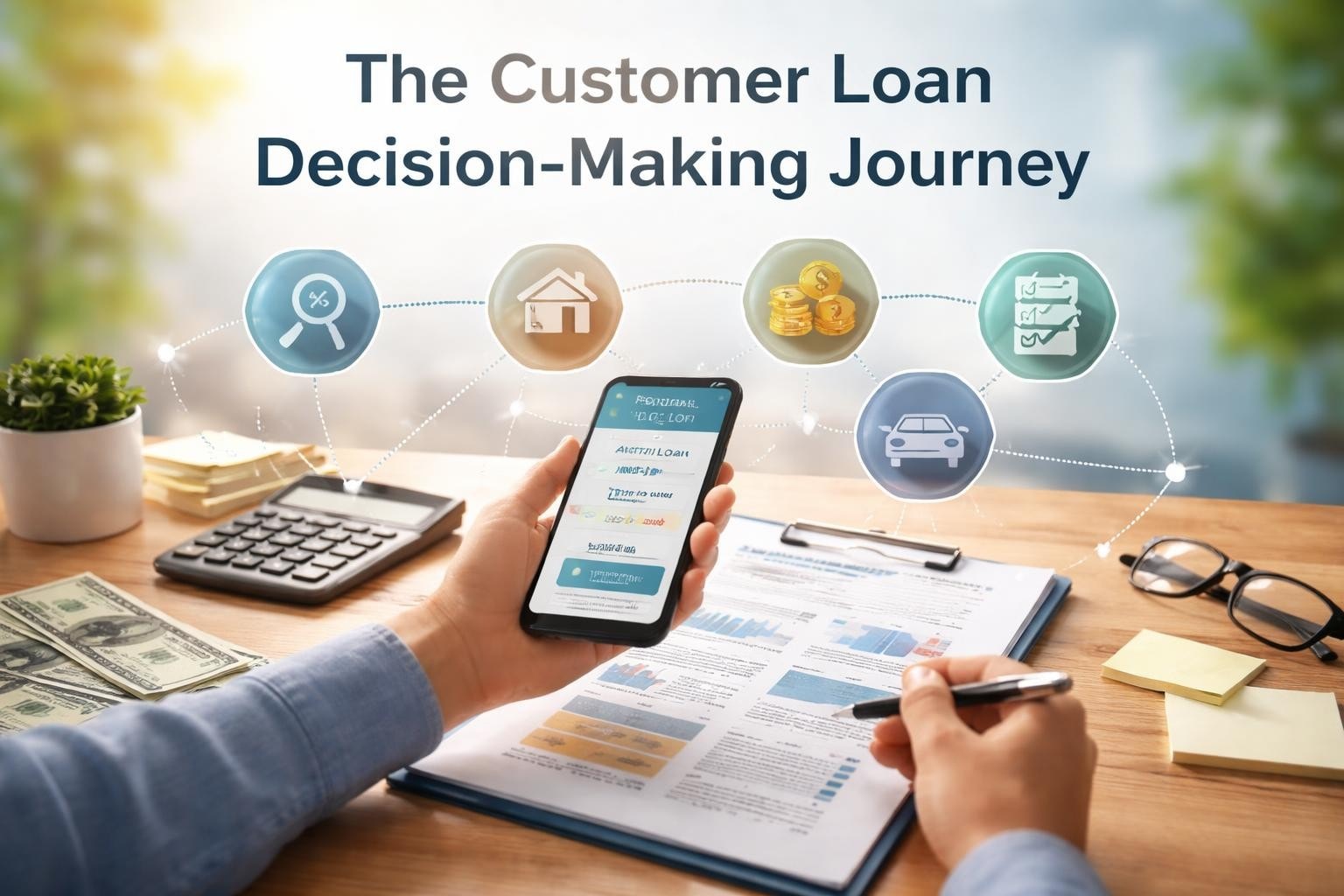
Understanding the variety of loan products available helps you select the right financing solution:
- Personal loans for general use, from debt consolidation to major purchases
- Medical loans specifically designed to cover healthcare expenses and procedures
- Education loans that fund tuition, books, and living expenses during schooling
- Home improvement loans for renovations, repairs, and property upgrades
- Auto loans for purchasing new or used vehicles
- Debt consolidation loans that combine multiple debts into a single payment
Each type of consumer financial loan serves distinct purposes and comes with specific terms, interest rates, and repayment schedules. The Federal Deposit Insurance Corporation provides comprehensive information on consumer lending that outlines regulatory frameworks governing these products.

Regulatory Framework Governing Consumer Financial Loans
The consumer lending industry operates under strict federal and state regulations designed to protect borrowers from predatory practices and ensure transparency in lending. These regulations have evolved significantly over the past decades, particularly following the 2008 financial crisis.
Key Federal Regulations
| Regulation | Purpose | Key Provisions |
|---|---|---|
| Truth in Lending Act (TILA) | Ensure transparency in credit terms | Requires clear disclosure of APR, finance charges, and payment schedules |
| Fair Credit Reporting Act | Protect consumer credit information | Governs how credit information is collected, shared, and used |
| Equal Credit Opportunity Act | Prevent lending discrimination | Prohibits discrimination based on race, religion, gender, or other protected classes |
| Fair Debt Collection Practices Act | Regulate debt collection | Limits collector contact methods and prohibits harassment |
The Consumer Financial Protection Bureau’s Regulation Z provides detailed guidelines on implementing the Truth in Lending Act, which fundamentally shapes how lenders must present consumer financial loans to potential borrowers.
Understanding these protections empowers consumers to recognize when lenders violate their rights and to seek appropriate remedies. The regulatory environment continues to evolve, with recent emphasis on digital lending platforms and ensuring fair access to credit for underserved communities.
Evaluating Your Need for Consumer Financial Loans
Before applying for any consumer financial loan, conducting a thorough assessment of your financial situation proves essential. Borrowing money represents a serious commitment that affects your financial health for months or years to come.
Determining Loan Necessity
Start by answering these fundamental questions:
- Is this expense truly necessary or discretionary? Emergency medical procedures differ from elective cosmetic treatments.
- Have I explored all alternatives to borrowing? Consider savings, payment plans, or assistance programs first.
- Can I realistically afford the monthly payments? Calculate your debt-to-income ratio to ensure sustainability.
- What is the total cost of borrowing? Look beyond monthly payments to understand total interest paid over the loan term.
- How will this loan affect my long-term financial goals? Consider retirement savings, home ownership plans, and emergency fund needs.
Many borrowers particularly benefit from consumer financial loans for home improvements that increase property value, medical procedures that prevent more expensive future treatments, or education that enhances earning potential. These investments in yourself or your property often justify the cost of borrowing when planned carefully.
The American Bankers Association offers resources on consumer lending that can help you understand industry standards and best practices when evaluating loan products.
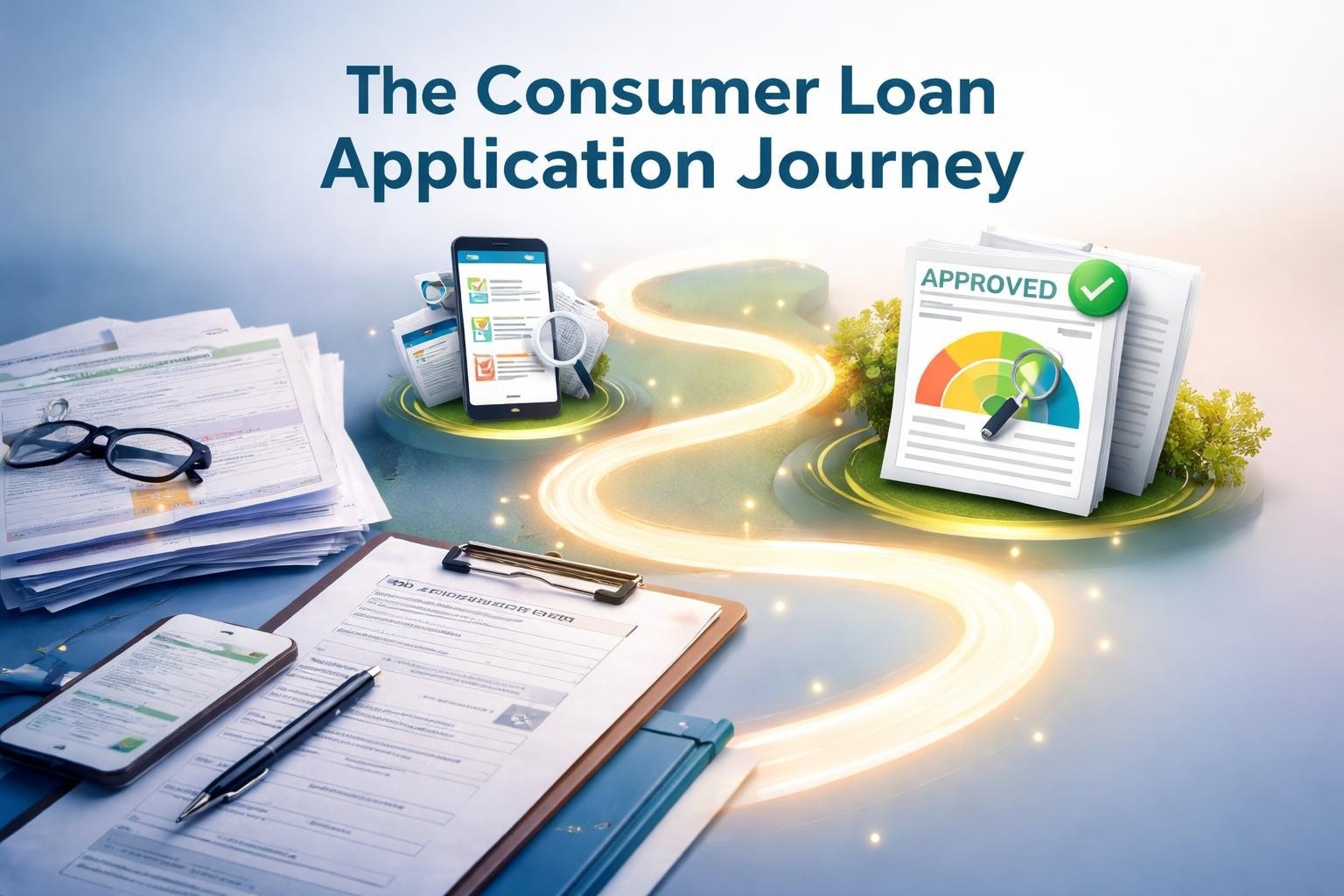
The Application Process for Consumer Financial Loans
Navigating the loan application process becomes significantly easier when you understand what lenders require and how they evaluate applications. Preparation increases your chances of approval and helps you secure more favorable terms.

Documentation Requirements
Most lenders require similar documentation regardless of the specific type of consumer financial loan you seek:
- Proof of identity: Government-issued photo identification
- Proof of income: Recent pay stubs, tax returns, or bank statements
- Employment verification: Contact information for current employer
- Residence verification: Utility bills or lease agreements
- Credit authorization: Permission to check credit history
- Specific purpose documentation: Estimates for home improvements, medical bills, or tuition statements
Gathering these documents before starting your application streamlines the process and demonstrates preparedness to potential lenders. Digital applications have simplified this process considerably, with many lenders accepting electronic document uploads.
Credit Considerations
Your credit profile significantly influences approval odds and the interest rate you'll receive. However, past credit challenges don't automatically disqualify you from obtaining consumer financial loans. Many lenders specialize in working with borrowers who have experienced financial difficulties.
Factors lenders evaluate include:
- Payment history on previous and current debts
- Total outstanding debt relative to income
- Length of credit history
- Recent credit inquiries
- Mix of credit types (installment loans, revolving credit)
- Public records such as bankruptcies or liens
Lenders across Louisiana, Mississippi, Tennessee, and Georgia recognize that life circumstances like medical emergencies, job losses, or family situations can temporarily impact credit scores. Many regional lenders emphasize current financial stability and repayment capacity over historical blemishes.
Interest Rates and Loan Terms Explained
Understanding how lenders price consumer financial loans helps you comparison shop effectively and recognize when you're receiving a competitive offer. Multiple factors influence the rate you'll pay and the terms you'll receive.
How Lenders Determine Rates
Interest rates on consumer financial loans reflect the lender's assessment of risk combined with current market conditions. The Federal Reserve's monetary policy influences baseline rates, but individual borrower rates vary considerably.
Rate determinants include:
- Credit score range: Higher scores typically qualify for lower rates
- Loan amount: Larger loans sometimes receive better rates due to economies of scale
- Loan term: Shorter terms often carry lower rates but higher monthly payments
- Secured vs. unsecured: Collateral reduces lender risk and typically lowers rates
- Debt-to-income ratio: Lower ratios suggest better repayment capacity
- Employment stability: Consistent income sources reduce perceived risk
Understanding these factors allows you to address potential weaknesses in your application before submitting it. For instance, choosing a shorter loan term or offering collateral might significantly reduce your interest rate.
Comparing Loan Offers
| Loan Feature | What to Compare | Why It Matters |
|---|---|---|
| APR (Annual Percentage Rate) | Total cost including interest and fees | Shows true cost of borrowing |
| Monthly Payment | Amount due each month | Affects monthly budget and cash flow |
| Total Interest Paid | Sum of all interest over loan life | Reveals long-term cost difference between offers |
| Origination Fees | Upfront charges to process loan | Reduces actual funds received |
| Prepayment Penalties | Fees for early payoff | Affects flexibility to refinance or pay off early |
| Payment Flexibility | Options for deferment or modification | Important if financial circumstances change |
Always request the APR rather than just the interest rate, as APR includes fees and provides a more accurate comparison tool. The Office of the Comptroller of the Currency provides guidance on consumer protection laws that require lenders to disclose these terms clearly.
Specialized Consumer Financial Loans for Common Needs
Different life circumstances call for different financing solutions. Understanding specialized loan products helps you access the most appropriate funding for your specific situation.

Medical Expense Financing
Healthcare costs represent one of the leading reasons Americans seek consumer financial loans. Medical financing helps cover procedures not fully covered by insurance, dental work, vision care, and other health-related expenses.
Advantages of medical loans include:
- Fixed payment amounts for budgeting predictability
- Quick approval processes for urgent medical needs
- No requirement to use specific healthcare providers
- Potential tax deductions for qualified medical expenses
Many medical providers partner with financing companies to offer promotional rates or deferred interest periods. However, understanding the terms after promotional periods end remains crucial to avoid payment shock.
Home Improvement Financing
Renovations and repairs increase property value while improving quality of life. Consumer financial loans for home improvements fund projects ranging from essential repairs to aesthetic upgrades.
Popular home improvement projects financed through consumer loans include:
- Roof replacements and structural repairs
- Kitchen and bathroom remodeling
- HVAC system installations or upgrades
- Accessibility modifications for aging in place
- Energy efficiency improvements
Unlike home equity loans that use your property as collateral, personal loans for home improvements offer faster approval without requiring home appraisals or extensive documentation. This speed proves particularly valuable for emergency repairs like storm damage or failed water heaters.
Education and Training Loans
Investing in education remains one of the most financially sound reasons to borrow. Consumer financial loans for education supplement federal student aid or fund continuing education, professional certifications, and vocational training.
Beyond traditional student loans, private education financing serves needs such as:
- Professional certification programs not eligible for federal aid
- Coding bootcamps and technical training
- Graduate school expenses exceeding federal loan limits
- Study abroad programs and educational travel
- Educational materials, technology, and living expenses
The Consumer Financial Protection Bureau’s consumer lending resources provide guidance on understanding loan terms and avoiding predatory lending practices in the education financing space.
Managing Consumer Financial Loans Responsibly
Securing a loan represents just the beginning of your borrowing journey. Managing that debt responsibly protects your credit, reduces total interest paid, and positions you for future financial success.
Payment Strategies for Success
Establish these practices to manage consumer financial loans effectively:
- Set up automatic payments to avoid late fees and protect your credit score
- Pay more than the minimum when possible to reduce principal faster
- Create a dedicated savings buffer for 2-3 months of loan payments
- Track your loan balance and remaining term to maintain motivation
- Contact your lender immediately if you anticipate payment difficulties
Most lenders prefer working with borrowers who communicate proactively rather than defaulting silently. Many offer hardship programs, temporary payment reductions, or loan modifications for borrowers experiencing legitimate financial challenges.
Refinancing Opportunities
As your credit improves or market rates decline, refinancing consumer financial loans can save substantial money. Refinancing involves replacing your existing loan with a new one, ideally at a lower interest rate or better terms.
Consider refinancing when:
- Your credit score has improved by 50+ points since origination
- Market interest rates have dropped significantly
- You want to lower monthly payments by extending the term
- You're consolidating multiple loans for simplified management
- You can eliminate prepayment penalties on your current loan
Calculate the break-even point by dividing refinancing costs by monthly savings. If you'll keep the loan long enough to surpass this point, refinancing makes financial sense.
Regional Considerations for Southern States
Borrowers in Louisiana, Mississippi, Tennessee, and Georgia face unique economic conditions that influence consumer financial loan availability and terms. Understanding these regional factors helps you make informed decisions.
Economic Landscape
The Southeast region features diverse economic conditions:
- Louisiana: Energy sector influence, recovery from natural disasters, tourism economy
- Mississippi: Agricultural economy, healthcare employment, education sector growth
- Tennessee: Manufacturing hubs, healthcare industry leadership, growing tech sector
- Georgia: Diverse economy including logistics, film industry, technology growth
These economic conditions affect employment stability, income levels, and ultimately, loan approval rates and terms offered by lenders.
State-Specific Regulations
While federal laws establish baseline protections, state regulations add additional consumer safeguards:
| State | Notable Regulations | Impact on Borrowers |
|---|---|---|
| Louisiana | Interest rate caps on certain loan types | Limits maximum rates charged |
| Mississippi | Licensing requirements for lenders | Ensures regulatory oversight |
| Tennessee | Specific disclosure requirements | Provides additional transparency |
| Georgia | Restrictions on certain fee structures | Reduces hidden costs |
Understanding state-specific protections empowers you to recognize when lenders violate regulations and to seek appropriate remedies through state banking departments or attorney general offices.
Building Credit Through Consumer Financial Loans
While borrowing serves immediate financial needs, responsible management of consumer financial loans simultaneously builds credit history that opens doors to future opportunities. Strategic use of credit products creates a positive credit profile over time.
How Loans Affect Credit Scores
Payment history accounts for approximately 35% of your credit score, making it the single most influential factor. Each on-time payment on consumer financial loans strengthens your credit profile, while missed payments cause significant damage.
Additional credit score impacts include:
- Credit mix improvement (installment loans diversify your credit portfolio)
- Average account age (longer-held accounts improve scores)
- Credit utilization (loans don't affect this ratio like credit cards do)
- Hard inquiries (temporary small decrease when applying)
Borrowers with limited credit history particularly benefit from installment loans, as they demonstrate ability to manage long-term debt obligations. This credit building proves especially valuable for younger borrowers or those recovering from past financial difficulties.
Long-Term Credit Strategy
View consumer financial loans as part of a comprehensive credit strategy rather than isolated transactions. Successful borrowers maintain diverse credit types, keep credit utilization low, and protect their payment history vigilantly.
Consider these long-term strategies:
- Maintain at least one installment loan even after paying off others
- Keep older accounts open to preserve credit history length
- Limit new credit applications to avoid excessive inquiries
- Monitor credit reports regularly for errors or fraud
- Build emergency savings to protect against payment disruptions
The CFPB’s educational resources offer valuable information about managing credit responsibly and understanding your rights as a consumer borrower.
Financial Inclusion and Access to Consumer Loans
The lending industry has made significant progress in expanding access to consumer financial loans for previously underserved populations. However, challenges remain in ensuring all Americans can access affordable credit when needed.
Addressing Past Credit Issues
Many potential borrowers worry that past financial difficulties permanently disqualify them from obtaining consumer financial loans. While challenged credit does affect terms, it doesn't eliminate options entirely.
Factors that help overcome past credit issues:
- Demonstrated income stability in recent months
- Willingness to accept higher initial interest rates with refinancing potential
- Ability to provide collateral or a co-signer
- Evidence of resolved issues (paid collections, completed bankruptcies)
- Current low debt-to-income ratio despite past problems
Lenders increasingly recognize that single financial events don't define a borrower's long-term reliability. Medical emergencies, divorces, job losses, and other life disruptions affect creditworthy individuals regularly.
Alternative Credit Data
Progressive lenders now consider alternative data sources beyond traditional credit reports. This expanded evaluation helps borrowers with thin credit files or past difficulties demonstrate current creditworthiness.
Alternative data sources include:
- Rental payment history
- Utility payment records
- Bank account transaction patterns
- Employment history and income stability
- Educational background and professional credentials
The OCC’s Financial Health Resource Directory provides resources on expanding financial access, particularly for unbanked or underbanked consumers who struggle with traditional lending requirements.
Avoiding Common Pitfalls with Consumer Financial Loans
Even well-intentioned borrowers make mistakes that increase costs or create financial stress. Understanding common pitfalls helps you avoid these expensive errors.
Borrowing More Than Needed
The temptation to borrow beyond your immediate need proves difficult to resist when lenders approve higher amounts. However, every additional dollar borrowed costs interest and extends your debt obligation.
Calculate your precise need:
- Add up actual expenses with documented estimates
- Include a small buffer (5-10%) for unexpected costs
- Resist borrowing extra for "wants" versus "needs"
- Consider partial funding from savings combined with smaller loans
Remember that consumer financial loans create obligations extending months or years into the future. Today's discretionary spending becomes tomorrow's mandatory payment.
Ignoring the Fine Print
Loan agreements contain crucial information about fees, penalties, and your rights as a borrower. Skipping this documentation leads to unpleasant surprises later.
Pay particular attention to:
- Prepayment penalty clauses that charge fees for early payoff
- Variable rate provisions that could increase payments unexpectedly
- Late payment fees and grace period specifics
- Lender rights to modify terms under certain circumstances
- Arbitration clauses that limit legal recourse options
If you don't understand specific terms, ask for clarification before signing. Legitimate lenders welcome questions and provide clear explanations.
Missing Payment Due Dates
Even single missed payments damage credit scores and trigger late fees. Chronic missed payments lead to default, collections, and potential legal action.
Protect your payment schedule through:
- Calendar reminders set for several days before due dates
- Automatic payment enrollment when available
- Coordination of due dates with your pay schedule
- Emergency fund maintenance for unexpected income disruptions
- Proactive communication with lenders when problems arise
Most consumer financial loans offer some flexibility in setting due dates during the application process. Choose dates that align with your income schedule to minimize payment risk.
Consumer financial loans provide essential financial flexibility for life's planned and unexpected expenses, but success requires careful evaluation, responsible management, and clear understanding of terms and obligations. Whether you're financing medical care, home improvements, education, or other personal needs, selecting the right loan product and lender makes a significant difference in your financial outcome. Standard Financial offers flexible financing solutions throughout Louisiana, Mississippi, Tennessee, and Georgia, including options for borrowers with past credit challenges, helping you access the funding you need with terms that fit your budget and goals.





No comment yet, add your voice below!