

Credit card debt affects millions of Americans, with high interest rates often making it difficult to pay down balances effectively. When minimum payments barely cover interest charges, the debt can feel overwhelming and never-ending. Credit card refinancing loans offer a strategic solution by consolidating multiple credit card balances into a single loan with more favorable terms. This financial tool has gained significant traction as consumers seek ways to break free from the cycle of revolving credit card debt and establish a clear path toward financial freedom.
Understanding Credit Card Refinancing Loans
Credit card refinancing loans serve as a powerful debt management strategy that allows borrowers to replace high-interest credit card balances with a new loan, typically at a lower interest rate. Unlike traditional credit cards that charge variable rates often exceeding 20% or even 25% APR, these specialized loans frequently offer fixed interest rates that can save thousands of dollars over the repayment period.
The fundamental principle behind credit card refinancing loans involves transferring existing debt from multiple sources into one consolidated payment. This consolidation simplifies monthly budgeting and creates a structured repayment timeline with a definite end date. Rather than juggling multiple due dates, interest rates, and minimum payments across several credit cards, borrowers make one monthly payment to a single lender.
How Credit Card Refinancing Works
The refinancing process begins with evaluating your current credit card debt situation. Calculate the total amount owed across all credit cards, noting each card's interest rate, monthly payment, and outstanding balance. This comprehensive assessment provides the foundation for determining whether refinancing makes financial sense.
Key steps in the refinancing process include:
- Reviewing your credit score and credit report for accuracy
- Researching lenders who offer credit card refinancing loans
- Comparing interest rates, loan terms, and fees
- Submitting applications to preferred lenders
- Reviewing loan offers and selecting the best option
- Using the loan proceeds to pay off credit card balances
- Making consistent monthly payments on the new loan
According to research from the FDIC, refinancing extends beyond mortgages and can provide significant relief for consumers struggling with credit card debt. The key lies in securing an interest rate lower than the weighted average of your current credit card rates.

Types of Credit Card Refinancing Options
Borrowers have several pathways available when pursuing credit card refinancing loans, each with distinct advantages and considerations. Understanding these options helps you select the approach that best aligns with your financial circumstances and goals.
Personal Loans for Debt Consolidation
Personal loans represent the most common form of credit card refinancing loans. These unsecured installment loans provide a lump sum that borrowers use to pay off credit card balances immediately. The loan then converts to fixed monthly payments over a predetermined term, typically ranging from two to seven years.
Benefits of personal loans include:
- Fixed interest rates that don't fluctuate with market conditions
- Predictable monthly payments that simplify budgeting
- Defined repayment timeline with a clear end date
- No collateral required for approval
Personal loans work particularly well for borrowers with good to excellent credit scores, as these individuals qualify for the most competitive interest rates. Even those with credit challenges may find favorable terms compared to credit card rates, especially when working with lenders who specialize in serving diverse credit profiles.
Home Equity-Based Solutions
Homeowners with substantial equity may consider using a home equity loan or home equity line of credit (HELOC) to refinance credit card debt. These secured loans typically offer lower interest rates than unsecured personal loans because the property serves as collateral. The Consumer Financial Protection Bureau found that borrowers who use cash-out refinancing to pay down credit card debt often see credit score improvements.
| Loan Type | Typical Interest Rate | Collateral Required | Approval Timeline | Best For |
|---|---|---|---|---|
| Personal Loan | 6% – 36% | No | 1-7 days | Most borrowers |
| Home Equity Loan | 5% – 12% | Yes (home) | 2-6 weeks | Homeowners with equity |
- Balance Transfer Credit Card | 0% – 5% (promotional) | No | 7-14 days | Excellent credit, short-term debt |
| HELOC | 5% – 15% | Yes (home) | 2-6 weeks | Homeowners needing flexibility |
However, homeowners should carefully weigh the risks. Converting unsecured credit card debt into secured debt means your home becomes at risk if you cannot maintain payments.
Balance Transfer Credit Cards
Balance transfer credit cards offer promotional periods with 0% or low interest rates, typically lasting 12 to 21 months. While technically not credit card refinancing loans in the traditional sense, they serve a similar purpose by consolidating debt at favorable rates. This option works best for borrowers who can pay off the transferred balance before the promotional period ends and standard interest rates apply.
Advantages of Credit Card Refinancing Loans
The decision to pursue credit card refinancing loans stems from several compelling financial benefits that can dramatically improve your fiscal health and reduce long-term costs associated with high-interest debt.
Lower Interest Rates and Reduced Total Cost
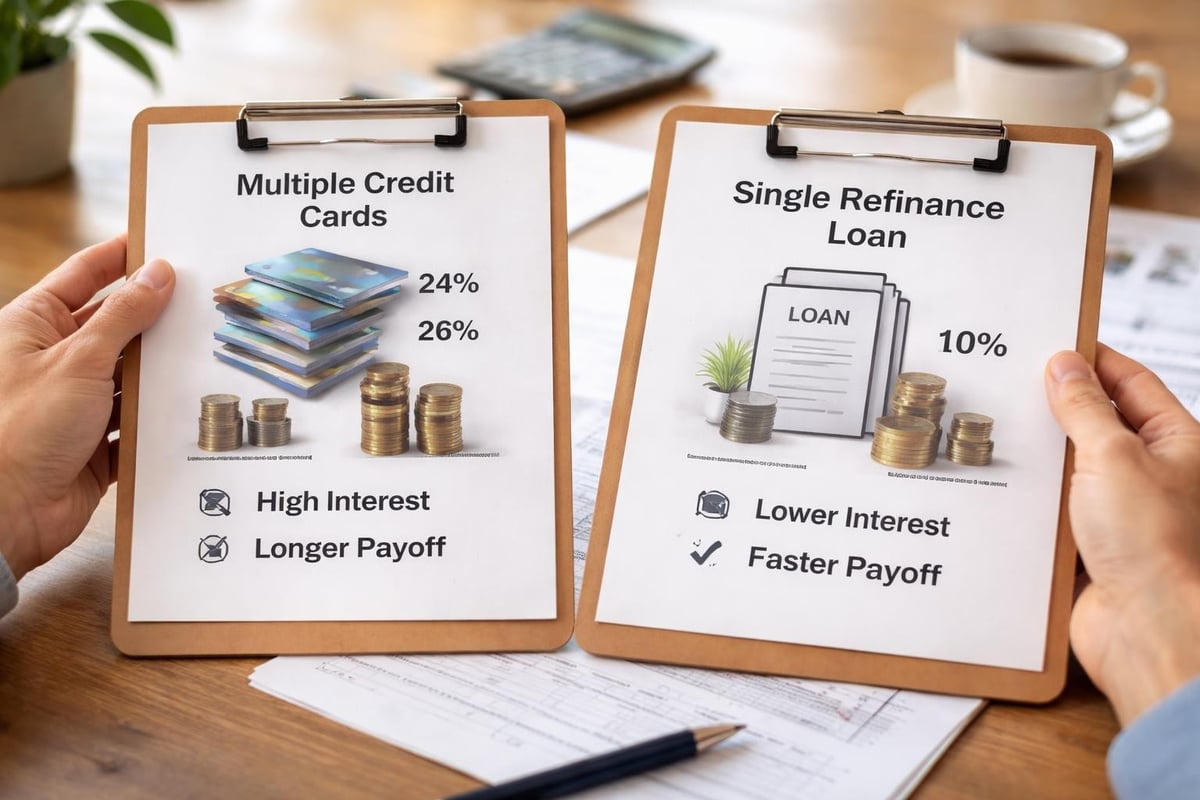
The primary advantage of credit card refinancing loans lies in interest rate reduction. Credit cards frequently charge APRs between 18% and 29%, while personal loans for debt consolidation may offer rates as low as 6% to 15% for qualified borrowers. This differential translates to substantial savings over the loan term.
Consider a borrower with $15,000 in credit card debt at 22% APR making minimum payments of $450 monthly. Without additional payments, it would take approximately 48 months to pay off the balance, with total interest exceeding $6,500. Refinancing this debt with a three-year personal loan at 10% APR with a monthly payment of $484 would save over $4,000 in interest charges.
Simplified Financial Management
Managing multiple credit cards creates complexity that can lead to missed payments and strategic errors. Each card has its own:
- Payment due date
- Minimum payment amount
- Interest rate and fee structure
- Customer service contact
- Online account portal
Credit card refinancing loans eliminate this complexity by consolidating everything into one payment. This simplification reduces the mental load of debt management and minimizes the risk of late payments that damage credit scores and trigger penalty fees.
Improved Credit Score Potential
When used strategically, credit card refinancing loans can positively impact credit scores through multiple mechanisms. Paying off credit card balances immediately reduces your credit utilization ratio, which accounts for approximately 30% of your FICO score. Credit utilization below 30% is considered healthy, while keeping it under 10% is ideal.
The Federal Reserve’s guidance on refinancing emphasizes understanding all terms before proceeding with any refinancing arrangement. This careful consideration ensures the refinancing genuinely improves your financial position rather than simply shifting debt around without meaningful benefit.
Qualifying for Credit Card Refinancing Loans
Lenders evaluate several factors when considering applications for credit card refinancing loans. Understanding these criteria helps borrowers prepare applications that demonstrate creditworthiness and increase approval odds.
Credit Score Requirements
Most lenders establish minimum credit score thresholds for credit card refinancing loans, though these requirements vary considerably across institutions. Generally, borrowers can expect the following ranges:
- Excellent credit (720+): Access to the lowest interest rates, often 6% to 12%, with the most favorable terms
- Good credit (680-719): Competitive rates typically between 10% and 18% with reasonable terms
- Fair credit (640-679): Higher rates ranging from 15% to 25%, though still potentially lower than credit cards
- Poor credit (below 640): Limited options, but some lenders specialize in serving this market with rates that may still beat credit cards
Regional lenders serving communities throughout the Southeast often provide more flexible underwriting than national institutions, considering factors beyond credit scores alone.
Income and Employment Verification
Stable income represents a critical qualification factor for credit card refinancing loans. Lenders want assurance that borrowers can comfortably afford the new monthly payment alongside other financial obligations. Documentation typically includes:
- Recent pay stubs (usually covering the most recent 30 days)
- W-2 forms or tax returns for self-employed applicants
- Bank statements showing regular deposits
- Verification of employment letter from your employer
The debt-to-income ratio (DTI) plays a significant role in approval decisions. This metric compares your total monthly debt payments to your gross monthly income. Most lenders prefer a DTI below 43%, though some accept ratios up to 50% for well-qualified borrowers.
Additional Eligibility Factors
Beyond credit scores and income, lenders evaluate other aspects of your financial profile when processing applications for credit card refinancing loans. Your banking history, residential stability, and existing relationship with financial institutions all contribute to the overall assessment.
Lenders may also consider:
- Length of employment at current job
- History with the specific lending institution
- Available collateral or co-signers
- Purpose and amount of the loan
- State of residence and local lending regulations
Understanding the Truth in Lending Act helps borrowers recognize their rights regarding disclosure of all loan terms, fees, and conditions before signing any refinancing agreement.
Potential Drawbacks and Considerations
While credit card refinancing loans offer numerous advantages, borrowers must also understand potential disadvantages and challenges that may arise during the refinancing process or repayment period.
Fees and Additional Costs
Many credit card refinancing loans include fees that can reduce the overall savings if not carefully evaluated. Common fees include origination fees (typically 1% to 8% of the loan amount), prepayment penalties if you pay off the loan early, and late payment fees for missed or delayed payments.
| Fee Type | Typical Range | Impact on Savings | Negotiability |
|---|---|---|---|
| Origination Fee | 1% – 8% | Can eliminate first year savings | Sometimes waived |
| Prepayment Penalty | $50 – 5% of balance | Limits early payoff benefit | Varies by lender |
| Late Payment Fee | $25 – $40 | Adds cost, damages credit | Standard industry practice |
| Annual Fee | $0 – $99 | Recurring annual cost | Often avoidable |
Calculate the total cost of these fees against potential interest savings to ensure refinancing delivers genuine financial benefit. Some lenders charge no origination fees, making them particularly attractive for cost-conscious borrowers.
Risk of Accumulating New Credit Card Debt
A significant danger associated with credit card refinancing loans involves the temptation to reuse newly available credit. After paying off credit card balances with a refinancing loan, those cards show zero balances and available credit limits. Without disciplined spending habits, borrowers may accumulate new credit card debt on top of the refinancing loan, worsening their financial situation.
Successful refinancing requires addressing the underlying spending behaviors that created the original debt. Consider closing some credit cards after refinancing, though keeping a few open with zero balances can benefit your credit utilization ratio.
Extended Repayment Periods
While credit card refinancing loans offer fixed repayment schedules, these terms sometimes extend longer than it would take to pay off credit cards with aggressive payment strategies. A five-year loan term means five years of monthly payments, during which life circumstances may change. Longer repayment periods also mean paying more total interest, even at lower rates, compared to shorter payoff timelines.
Strategic Use of Credit Card Refinancing Loans
Maximizing the benefits of credit card refinancing loans requires strategic planning and disciplined execution throughout the borrowing and repayment process. Following established best practices increases the likelihood of achieving your financial goals and avoiding common pitfalls.
Creating a Comprehensive Debt Elimination Plan
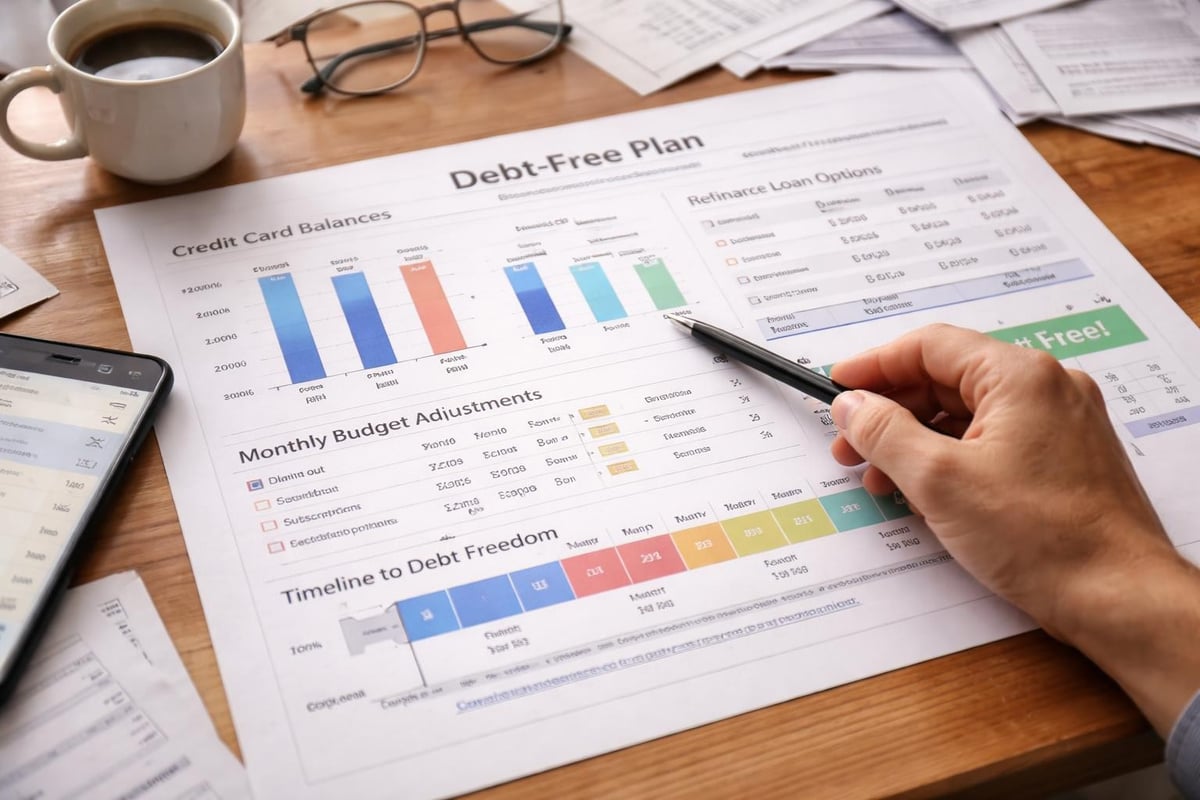
Before applying for credit card refinancing loans, develop a complete understanding of your debt landscape and financial objectives. List all debts with their balances, interest rates, minimum payments, and due dates. This inventory helps identify which debts to include in the refinancing and which might be better addressed through other strategies.
According to information on debt consolidation, the process works best when combined with budget adjustments and spending controls that prevent new debt accumulation. Set clear financial goals with specific timelines, such as becoming debt-free within three years or reducing monthly debt payments by a certain dollar amount.
Comparing Multiple Lenders and Offers
Never accept the first loan offer without shopping around for credit card refinancing loans. Different lenders serve different market segments, and their underwriting criteria, interest rates, and terms vary significantly. Request quotes from at least three to five lenders, including banks, credit unions, online lenders, and regional financial institutions.
When comparing offers, evaluate:
- Annual percentage rate (APR) including all fees
- Monthly payment amount and affordability
- Total repayment term length
- Total interest paid over the loan life
- Prepayment options and penalties
- Customer service quality and accessibility
- Lender reputation and reviews
Online comparison tools simplify this process, but also consider local lenders who may offer personalized service and flexible terms based on community relationships rather than purely algorithmic decisions.
Maintaining Financial Discipline Post-Refinancing
The success of credit card refinancing loans depends heavily on behavioral changes that prevent falling back into high-interest debt. Establish automated payments for your refinancing loan to ensure consistent, on-time payments that build positive credit history. Create a realistic budget that accounts for the new loan payment while allocating funds for savings and emergency expenses.
Develop an emergency fund of at least $1,000 initially, working toward three to six months of expenses over time. This financial cushion prevents the need to rely on credit cards when unexpected expenses arise, breaking the cycle of debt accumulation that likely contributed to the original need for refinancing.
Special Considerations for Different Borrower Profiles
Credit card refinancing loans serve diverse populations with varying financial circumstances, credit histories, and goals. Understanding how refinancing works for different borrower types helps set realistic expectations and identify the most suitable strategies.
Borrowers with Limited Credit History
Individuals with thin credit files or short credit histories face unique challenges when seeking credit card refinancing loans. Traditional lenders may view limited credit history as high risk, resulting in higher interest rates or application denials. However, several strategies can improve approval odds.
Consider applying with a creditworthy co-signer who agrees to take responsibility for the loan if you cannot make payments. This arrangement provides lenders with additional security and may unlock better rates. Alternatively, explore lenders who use alternative data such as rent payments, utility bills, and banking history when making lending decisions.
Borrowers with Past Credit Challenges
Previous financial difficulties, including late payments, collections, or even bankruptcy, don't necessarily disqualify borrowers from accessing credit card refinancing loans. Many lenders specialize in serving consumers who have experienced credit challenges and are working to rebuild their financial standing.
These lenders evaluate the complete financial picture, considering current income stability, recent payment history, and demonstrated efforts to improve credit management. While interest rates may be higher than those offered to prime borrowers, they often remain lower than typical credit card rates, making refinancing financially beneficial.
Regional lenders with branch offices across multiple states frequently provide more personalized underwriting that considers local economic conditions and individual circumstances beyond credit scores alone. This approach creates opportunities for borrowers who might face rejection from automated national lending systems.
Self-Employed and Variable Income Borrowers
Self-employed individuals and those with variable income streams encounter additional documentation requirements when applying for credit card refinancing loans. Lenders typically request two years of tax returns, profit and loss statements, and bank statements showing regular business deposits.
The underwriting process may take longer as lenders verify income and assess the stability of self-employment income. Demonstrating consistent revenue over multiple years, maintaining strong cash reserves, and showing business growth trends all strengthen applications from self-employed borrowers.
Timing Your Credit Card Refinancing Decision
Choosing the optimal moment to pursue credit card refinancing loans can significantly impact the terms you receive and the overall success of your debt consolidation strategy. Several factors influence ideal timing for refinancing applications.
Market Interest Rate Conditions
Economic conditions and Federal Reserve policies influence the interest rates lenders charge for credit card refinancing loans. When the broader interest rate environment trends downward, refinancing becomes more attractive as the gap between credit card rates and personal loan rates widens. Monitor financial news and rate trends to identify favorable windows for refinancing applications.
Even small differences in interest rates compound significantly over multi-year loan terms. A two-percentage-point reduction on a $20,000 loan over four years saves over $800 in interest charges, making timing considerations worthwhile.
Personal Credit Score Improvements
If your credit score has recently improved due to consistent payment history, reduced credit utilization, or the removal of negative items, you may qualify for better rates on credit card refinancing loans than you would have previously. Many credit monitoring services provide free access to credit scores and alert you to significant changes in your credit profile.
Strategic borrowers sometimes delay refinancing applications for several months while focusing on credit improvement activities such as paying down balances, disputing errors on credit reports, and avoiding new credit inquiries. This patience can result in interest rate reductions that save thousands of dollars over the loan term.
Alignment with Financial Goals
The best time to pursue credit card refinancing loans aligns with broader financial objectives and life circumstances. Refinancing makes particular sense when you have stable income, reasonable confidence in continued employment, and commitment to addressing underlying spending habits that created the original debt.
Avoid refinancing immediately before major life changes such as career transitions, relocations, or large planned purchases that might strain your ability to maintain consistent loan payments. The security of knowing you can comfortably afford the new payment throughout the loan term provides peace of mind and increases success probability.
Credit card refinancing loans provide a proven pathway to escape high-interest debt and regain financial control when used strategically and combined with disciplined money management. The consolidation of multiple credit card balances into a single, lower-rate loan simplifies budgeting while reducing total interest costs and creating a clear timeline to debt freedom. Whether you're managing medical expenses, planning home improvements, or addressing education costs alongside credit card debt, Standard Financial offers flexible refinancing solutions across Louisiana, Mississippi, Tennessee, and Georgia, with personalized service that considers your complete financial picture, even if past credit challenges have limited your options elsewhere.






No comment yet, add your voice below!