

Filing for bankruptcy provides a fresh start, but it also creates significant challenges for your financial future. The impact on your credit score can feel devastating, with Chapter 7 bankruptcy remaining on your credit report for up to ten years and Chapter 13 for seven years. However, understanding how to rebuild credit after bankruptcy transforms this setback into an opportunity for stronger financial health. The process requires patience, discipline, and strategic action, but thousands of Americans successfully restore their creditworthiness each year using proven methods that establish new positive payment patterns and demonstrate financial responsibility to future lenders.
Understanding Your Post-Bankruptcy Credit Situation
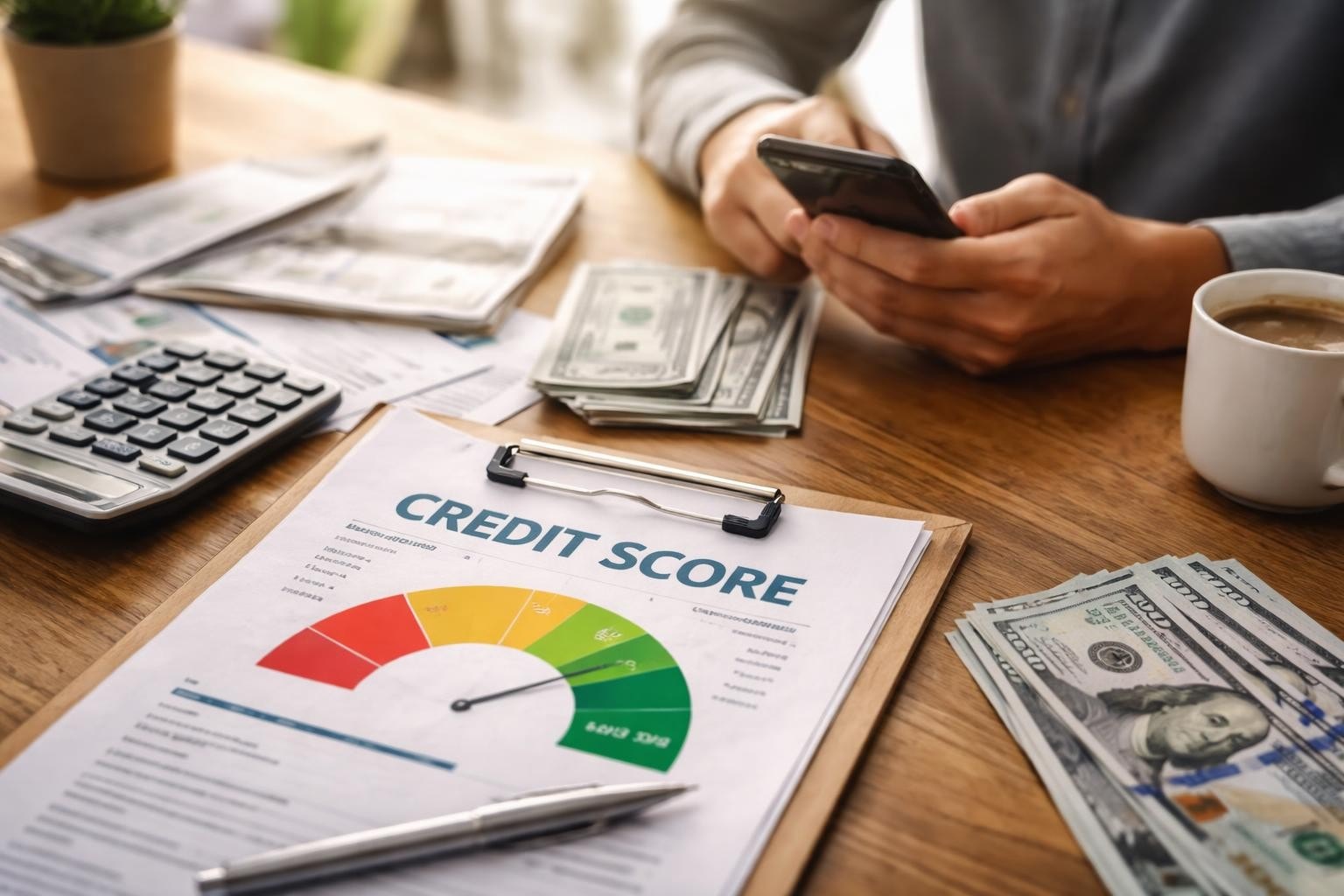
Your credit score immediately following bankruptcy discharge typically ranges from 500 to 550, depending on your credit history before filing. This places you in the "poor" credit category, limiting access to traditional financing options and resulting in higher interest rates on approved loans.
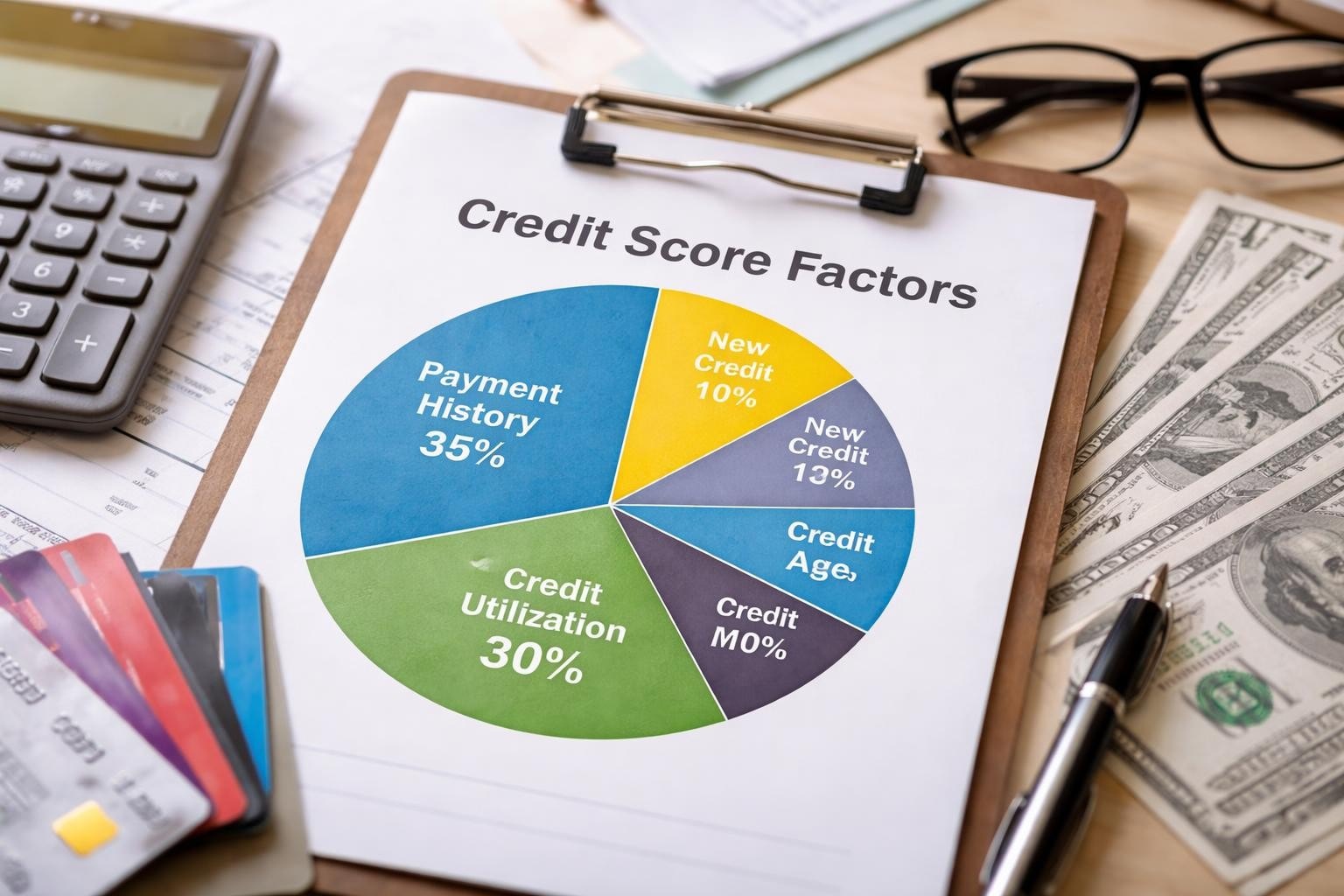
The bankruptcy notation creates the most significant damage, but its impact diminishes over time. Payment history comprises 35% of your FICO score, making consistent on-time payments your most powerful rebuilding tool. Each month of positive payment activity gradually outweighs the negative bankruptcy mark.
How Bankruptcy Affects Different Credit Types
| Credit Type | Immediate Impact | Recovery Timeline | Access Difficulty |
|---|---|---|---|
| Credit Cards | Accounts closed | 12-18 months | Moderate (secured cards available) |
| Auto Loans | High interest rates | 12-24 months | Low to Moderate |
| Personal Loans | Limited availability | 18-36 months | Moderate to High |
| Mortgages | Waiting periods apply | 24-48 months | High |
Understanding these timelines helps set realistic expectations. Rebuilding credit after bankruptcy is a gradual process that rewards consistency over quick fixes.
Secured Credit Cards as Your Foundation
Secured credit cards represent the cornerstone of how to rebuild credit after bankruptcy. These cards require a cash deposit that serves as your credit limit, minimizing lender risk while providing you with a genuine credit-building tool.
The deposit typically ranges from $200 to $500, creating a manageable credit line for rebuilding purposes. Unlike prepaid debit cards, secured cards report to all three major credit bureaus, ensuring your responsible usage appears on your credit report.
Key features to seek in secured cards:
- Monthly reporting to Experian, Equifax, and TransUnion
- No annual fee or minimal fees under $50
- Graduation path to unsecured status after 12-18 months
- Grace period to avoid interest charges
- Mobile app for easy payment management
Apply for your secured card within three to six months after bankruptcy discharge. Use it for small, planned purchases like gas or groceries, then pay the full balance before the due date. This strategy builds positive payment history without accumulating debt or paying interest charges.
Many secured card issuers review accounts quarterly and may increase your credit line or graduate you to an unsecured card after demonstrating responsibility. This progression shows future lenders your commitment to financial recovery.
Credit-Builder Loans That Work
Credit-builder loans offer another effective path when learning how to rebuild credit after bankruptcy. These specialized products work opposite to traditional loans: the lender holds your borrowed amount in a savings account while you make monthly payments.
After completing all payments, you receive the full amount plus any accrued interest. This structure eliminates default risk for lenders while establishing positive payment history for borrowers.
Credit-Builder Loan Process
- Apply with a credit union or community bank offering credit-builder programs
- Choose your loan amount, typically between $300 and $1,000
- Set your repayment term, usually 6 to 24 months
- Make monthly payments that the lender reports to credit bureaus
- Receive your saved funds after final payment
The monthly payment requirement creates accountability while building an emergency fund. Your consistent payments demonstrate creditworthiness to future lenders reviewing your credit report.
Credit unions in Louisiana, Mississippi, Tennessee, and Georgia frequently offer favorable terms on credit-builder loans, with interest rates between 6% and 12%. Some programs even allow you to access a portion of your funds early in emergency situations.
Strategic Use of Authorized User Status
Becoming an authorized user on a trusted family member's credit card can accelerate your credit rebuilding timeline. This strategy leverages someone else's positive payment history to benefit your credit profile.
The primary cardholder's account history, including age and payment record, typically appears on your credit report within 30 to 60 days. This immediate boost can add years of positive history to your file without requiring you to qualify for new credit independently.
Critical considerations for authorized user arrangements:
- Choose accounts with perfect payment history spanning multiple years
- Verify the card issuer reports authorized users to all three bureaus
- Confirm credit utilization stays below 30% of the total limit
- Establish clear boundaries about card usage and responsibilities
- Monitor your credit report to ensure proper reporting
Request to be added as an authorized user without receiving the physical card. This arrangement provides credit benefits while eliminating temptation or spending conflicts. The primary cardholder maintains complete control while helping your recovery.
Some credit scoring models discount authorized user accounts, but most still factor them into your overall credit profile. This strategy works best combined with your own secured card or credit-builder loan, creating multiple positive tradelines.
Payment History as Your Priority
Nothing impacts how to rebuild credit after bankruptcy more significantly than consistent, on-time payments. Payment history accounts for 35% of your credit score, making it the single most influential factor in your recovery.
Even one late payment during your rebuilding phase can severely damage your progress. A payment marked 30 days late might drop your score by 60 to 80 points, effectively erasing months of careful credit management.
Systems for ensuring perfect payment timing:
- Set up automatic payments for at least the minimum due
- Schedule payments one week before due dates as a buffer
- Use calendar reminders on multiple devices
- Keep payment confirmation emails in a dedicated folder
- Review accounts weekly rather than waiting for statements
Many successful rebuilders adopt a "two-week early" rule, submitting payments 14 days before the due date. This buffer protects against processing delays, weekend timing issues, or unexpected emergencies that might otherwise cause late payments.
| Payment Status | Credit Score Impact | Recovery Time |
|---|---|---|
| On-time payment | +2 to +5 points monthly | Immediate positive effect |
| 30 days late | -60 to -110 points | 12-18 months |
| 60 days late | -70 to -130 points | 24-36 months |
| 90+ days late | -90 to -150 points | 36-48 months |
The strategic use of secured credit cards combined with flawless payment timing creates the foundation for successful credit recovery. Track your progress monthly using free credit monitoring tools to see your score gradually increase.
Credit Utilization Management
Credit utilization measures the percentage of available credit you're actively using. This ratio contributes 30% to your FICO score calculation, making it the second most important factor in how to rebuild credit after bankruptcy.
Optimal utilization stays below 30% of your total credit limit, though scores improve most dramatically when usage drops below 10%. With a $500 secured card, this means keeping balances under $50 for maximum scoring benefit.
Calculate utilization by dividing your current balance by your credit limit, then multiplying by 100. A $150 balance on a $500 limit equals 30% utilization-right at the threshold. Reducing that balance to $75 drops utilization to 15%, likely triggering a modest score increase.
Utilization Optimization Strategies
Pay down balances before the statement closing date, not just the payment due date. Credit card issuers typically report your statement balance to credit bureaus, so carrying a $0 balance on statement day shows 0% utilization even if you use the card regularly.
Request credit limit increases after six months of perfect payments. A higher limit with the same spending level automatically reduces your utilization percentage. However, avoid the temptation to increase spending proportionally.
If you have multiple cards during rebuilding, distribute small purchases across them rather than maxing out one card. Three cards each showing 10% utilization scores better than one card at 30% and two at 0%.
Monitoring Your Credit Reports
Regular credit report review helps you track rebuilding progress while identifying errors that might hinder recovery. You're entitled to free weekly credit reports from all three bureaus through AnnualCreditReport.com, a federally authorized source.
Review reports from Experian, Equifax, and TransUnion every four months on a rotating schedule. This creates quarterly monitoring throughout the year while maximizing your free report allowance.
Essential elements to verify:
- Bankruptcy discharge date and proper notation
- All pre-bankruptcy debts showing $0 balances
- New accounts reporting accurately each month
- No unauthorized inquiries or accounts
- Personal information accuracy including addresses and employment
Dispute any inaccuracies immediately through the bureau's online portal or by certified mail. Credit reporting agencies must investigate within 30 days and correct verified errors. Monitoring your credit reports protects against identity theft and ensures your rebuilding efforts appear accurately.
Post-bankruptcy, your credit reports should gradually show increasing positive information. Each on-time payment adds to your payment history, and your available credit increases as you handle accounts responsibly. These positive marks slowly offset the bankruptcy's negative impact.
Diversifying Your Credit Mix
Credit scoring models reward borrowers who successfully manage different credit types. Your credit mix comprises 10% of your FICO score, making it a smaller but still meaningful component of how to rebuild credit after bankruptcy.
The main credit categories include revolving accounts like credit cards and installment loans such as auto loans, personal loans, or mortgages. Demonstrating competence with both types signals broader financial capability to potential lenders.
Start with a secured credit card as your revolving account, then add an installment loan like a credit-builder product after three to six months. This combination covers both major categories without overextending your obligations.
Avoid opening too many accounts quickly. Each application generates a hard inquiry that temporarily reduces your score by 3 to 5 points. More importantly, numerous new accounts suggest financial stress or instability to lenders reviewing your application.
Space new credit applications at least six months apart during your first two years post-bankruptcy. This measured approach builds diverse credit while maintaining the appearance of stability and careful financial planning.
Building Emergency Savings Simultaneously
Successful credit rebuilding requires protecting against new financial setbacks. Emergency savings prevent you from relying on credit cards during unexpected expenses, breaking the debt cycle that often precedes bankruptcy.
Financial experts recommend targeting three to six months of essential expenses in an accessible savings account. During early rebuilding, start smaller with a $500 to $1,000 emergency fund, then expand it as your income allows.
Parallel savings and credit-building strategies:
- Allocate 70% of extra income to minimum payments and credit rebuilding
- Direct 30% to emergency savings until reaching $1,000
- Adjust to 50/50 split between debt payoff and savings after initial fund establishment
- Maintain both priorities rather than focusing exclusively on either
Credit-builder loans naturally create savings while building credit. The forced monthly payment structure deposits funds into your account automatically, combining both financial priorities in one product.
Some employers offer emergency savings programs with automatic payroll deductions. These "set it and forget it" systems build reserves without requiring active monthly decisions, reducing the willpower burden during financial recovery.
Understanding Realistic Timeline Expectations
Recovery from bankruptcy follows a predictable but gradual timeline. Understanding these phases helps maintain motivation during the lengthy rebuilding process and prevents discouragement when progress seems slow.
| Timeline | Typical Credit Score Range | Available Credit Options |
|---|---|---|
| 0-6 months | 500-580 | Secured cards, credit-builder loans |
| 6-12 months | 580-620 | Unsecured cards with fees, higher-rate auto loans |
| 12-24 months | 620-660 | Better card terms, personal loans, FHA mortgages |
| 24-36 months | 660-700 | Conventional mortgages, prime auto rates |
| 36+ months | 700+ | Full credit access, competitive rates |
Individual results vary based on credit habits, income stability, and the number of positive tradelines established. Some borrowers reach fair credit (620+) within 18 months, while others require three full years to cross that threshold.
The bankruptcy notation gradually loses influence as time passes and positive information accumulates. After four years, many lenders weigh recent payment history more heavily than the bankruptcy itself, though the notation remains visible.
Understanding the bankruptcy impact on your credit timeline helps you set achievable goals at each stage. Celebrate small victories like graduating from a secured to unsecured card or qualifying for your first post-bankruptcy auto loan at reasonable rates.
Working with Specialized Lenders
Traditional banks often decline applications from recent bankruptcy filers, but specialized lenders understand that bankruptcy doesn't define creditworthiness permanently. These institutions focus on current income, employment stability, and post-bankruptcy payment patterns rather than credit scores alone.
Consumer lending companies serving the Southeast recognize that bankruptcy often results from medical emergencies, job loss, or other circumstances beyond individual control. They evaluate the complete financial picture rather than rejecting applications automatically based on credit history.
Advantages of specialized lending relationships:
- Income-based qualification rather than strict credit score cutoffs
- Willingness to review post-bankruptcy payment history
- Flexible terms accounting for rebuilding circumstances
- Potential for refinancing as credit improves
- Educational resources about credit management
Establishing a relationship with a specialized lender during rebuilding creates future refinancing opportunities. As your credit score increases, you can refinance higher-rate loans into more favorable terms, reducing interest costs while maintaining the positive payment history.
Branches in Louisiana, Mississippi, Tennessee, and Georgia offer face-to-face consultations that help you understand available options during each rebuilding phase. This personal approach contrasts with online-only lenders who rely exclusively on automated approval algorithms.
Avoiding Common Rebuilding Mistakes
Certain missteps can derail credit rebuilding progress or extend your recovery timeline significantly. Learning how to rebuild credit after bankruptcy includes understanding what not to do just as much as implementing positive strategies.
Frequent errors that hinder recovery:
- Co-signing loans for others, creating liability without control
- Applying for retail store cards with high interest rates and limited utility
- Closing old accounts, which reduces credit history length and available credit
- Ignoring collection accounts from pre-bankruptcy debts improperly discharged
- Falling for credit repair scams promising quick fixes
Credit repair companies charging upfront fees rarely deliver results you couldn't achieve independently through proper dispute procedures. The Federal Trade Commission warns that legitimate credit repair takes time and cannot remove accurate negative information from reports.
Debt settlement programs appearing after bankruptcy often create new problems. These services negotiate reduced payoffs for debts you may have already discharged, generating unnecessary fees while potentially damaging your rebuilding efforts.
Focus instead on the fundamental actions that genuinely improve creditworthiness: consistent payments, low utilization, diverse credit types, and time. Avoiding common pitfalls protects your progress and keeps your rebuilding timeline on track.
Rebuilding credit after bankruptcy requires consistent effort across multiple strategies, from secured cards and credit-builder loans to perfect payment timing and strategic credit monitoring. The journey typically spans two to four years before reaching good credit status, but each month of positive activity strengthens your financial foundation. Standard Financial understands that past credit challenges don't define your future, offering flexible financing options and personal loans designed for clients actively rebuilding their credit across Louisiana, Mississippi, Tennessee, and Georgia. Ready to take the next step in your financial recovery? Contact Standard Financial to explore lending solutions that support your credit rebuilding journey.





No comment yet, add your voice below!