

Your credit score serves as a financial report card that lenders, landlords, and even employers use to evaluate your reliability. Understanding what hurts your credit score the most empowers you to make informed decisions that protect your financial standing. Whether you're planning to apply for a personal loan, refinance existing debt, or secure financing for home improvements or medical expenses, knowing which behaviors damage your credit most severely can save you thousands of dollars in higher interest rates and help you maintain access to better financing options.
The Devastating Impact of Late and Missed Payments
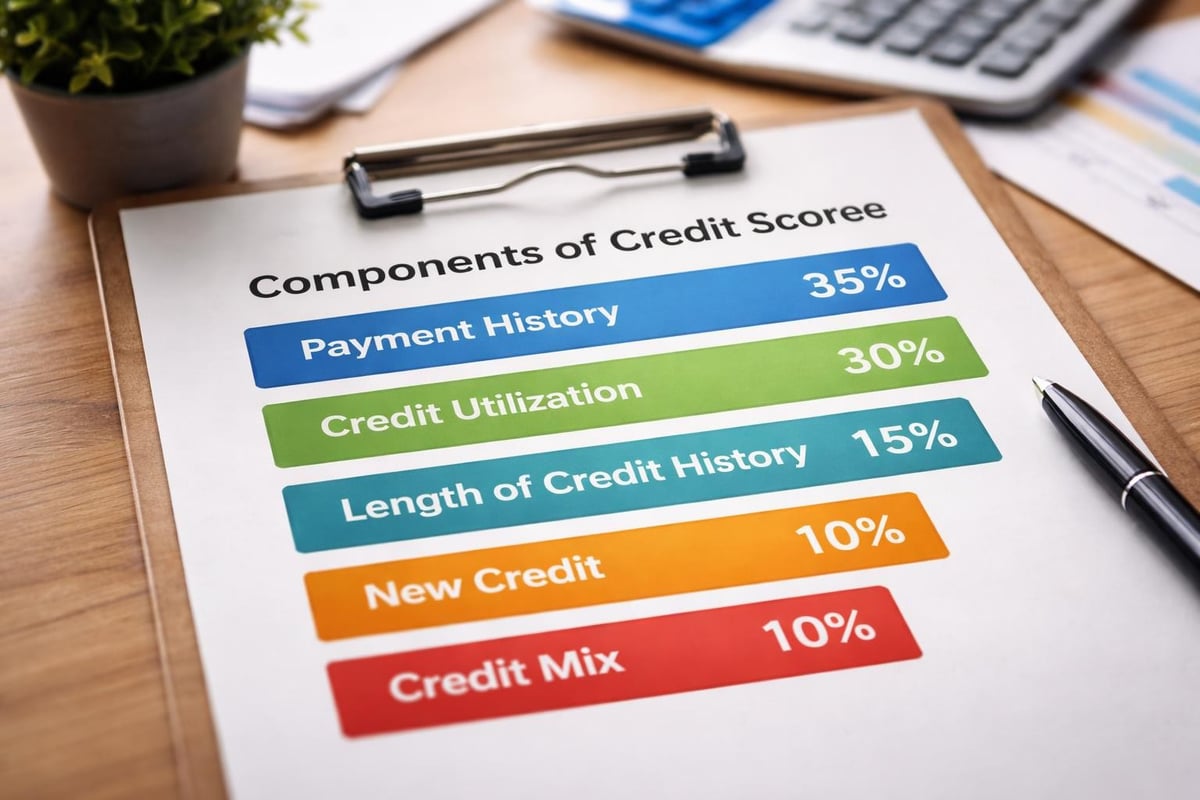
Payment history represents the single most influential factor in your credit score calculation, accounting for 35% of your FICO Score. When evaluating what hurts your credit score the most, late and missed payments consistently rank at the top of the list.
How Payment Timing Affects Your Score
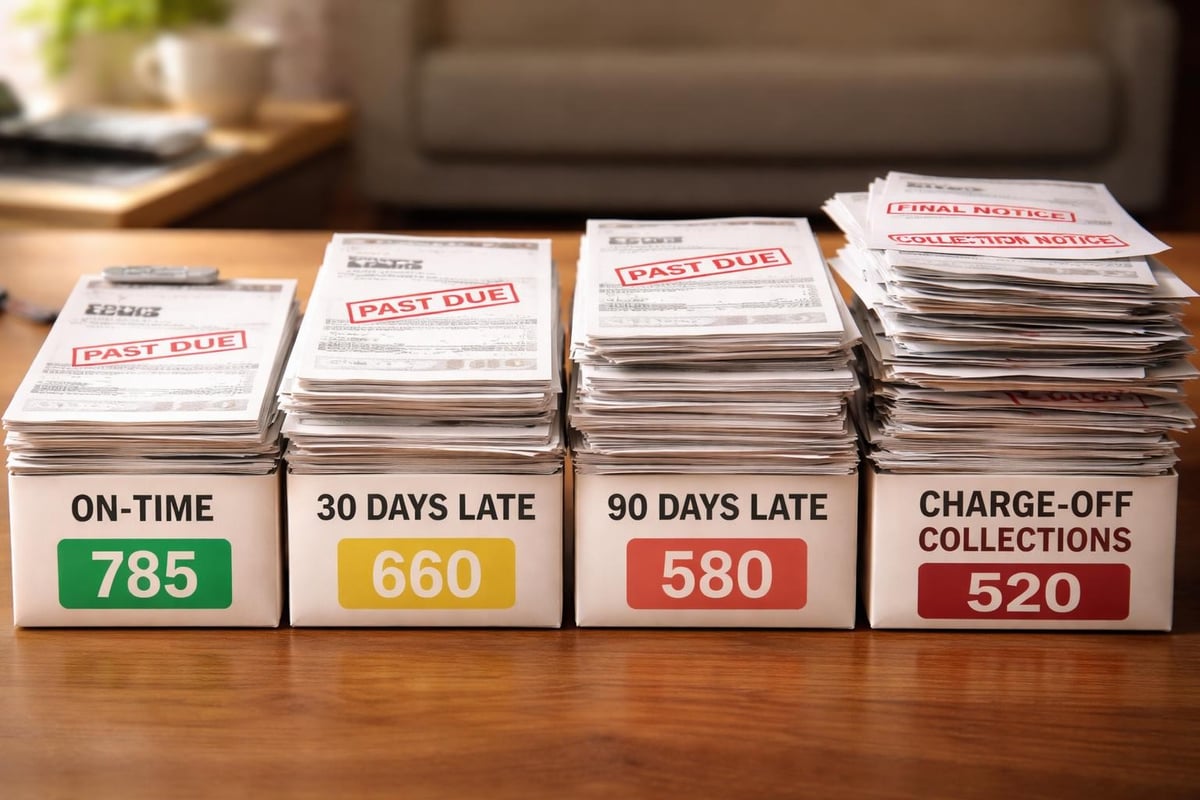
Missing a payment by even one day doesn't immediately damage your credit. However, once a payment becomes 30 days past due, creditors typically report it to the three major credit bureaus. This single late payment can decrease your score by 90 to 110 points if you previously had excellent credit.
The severity increases with time:
- 30 days late: Moderate damage, reported to bureaus
- 60 days late: More severe impact, deeper score reduction
- 90+ days late: Significant damage, potential collection activity
- Charge-offs: Catastrophic impact lasting seven years
The Compounding Effect of Multiple Missed Payments
One missed payment damages your credit, but a pattern of late payments creates a profile of unreliability that creditors view as high risk. Each additional missed payment compounds the damage, and recovery becomes increasingly difficult.
Credit Utilization: The Silent Score Killer
Credit utilization represents the second most damaging factor, comprising approximately 30% of your credit score. This metric measures how much of your available credit you're currently using across all accounts.
Understanding the Utilization Ratio
Your credit utilization ratio is calculated by dividing your total credit card balances by your total credit limits. For example, if you have $3,000 in balances across cards with $10,000 in combined limits, your utilization is 30%.
Optimal utilization ranges:
| Utilization Rate | Impact on Score | Risk Level |
|---|---|---|
| Below 10% | Excellent | Very Low |
| 10-30% | Good | Low |
| 30-50% | Moderate Damage | Medium |
| 50-70% | Significant Damage | High |
| Above 70% | Severe Damage | Very High |
When considering what hurts your credit score the most, maxing out credit cards stands as one of the fastest ways to tank your score. Even if you pay off the balance each month, high utilization at the time bureaus receive data can still damage your score.
Per-Card Versus Overall Utilization
Credit scoring models evaluate both your overall utilization across all cards and your per-card utilization. Having one maxed-out card among several can hurt more than having moderate balances across multiple cards, even if the total utilization percentage is similar.
The Long Shadow of Collections and Charge-Offs
Few credit events damage your score as severely and persistently as collections and charge-offs. These items signal to lenders that you abandoned a debt obligation entirely.
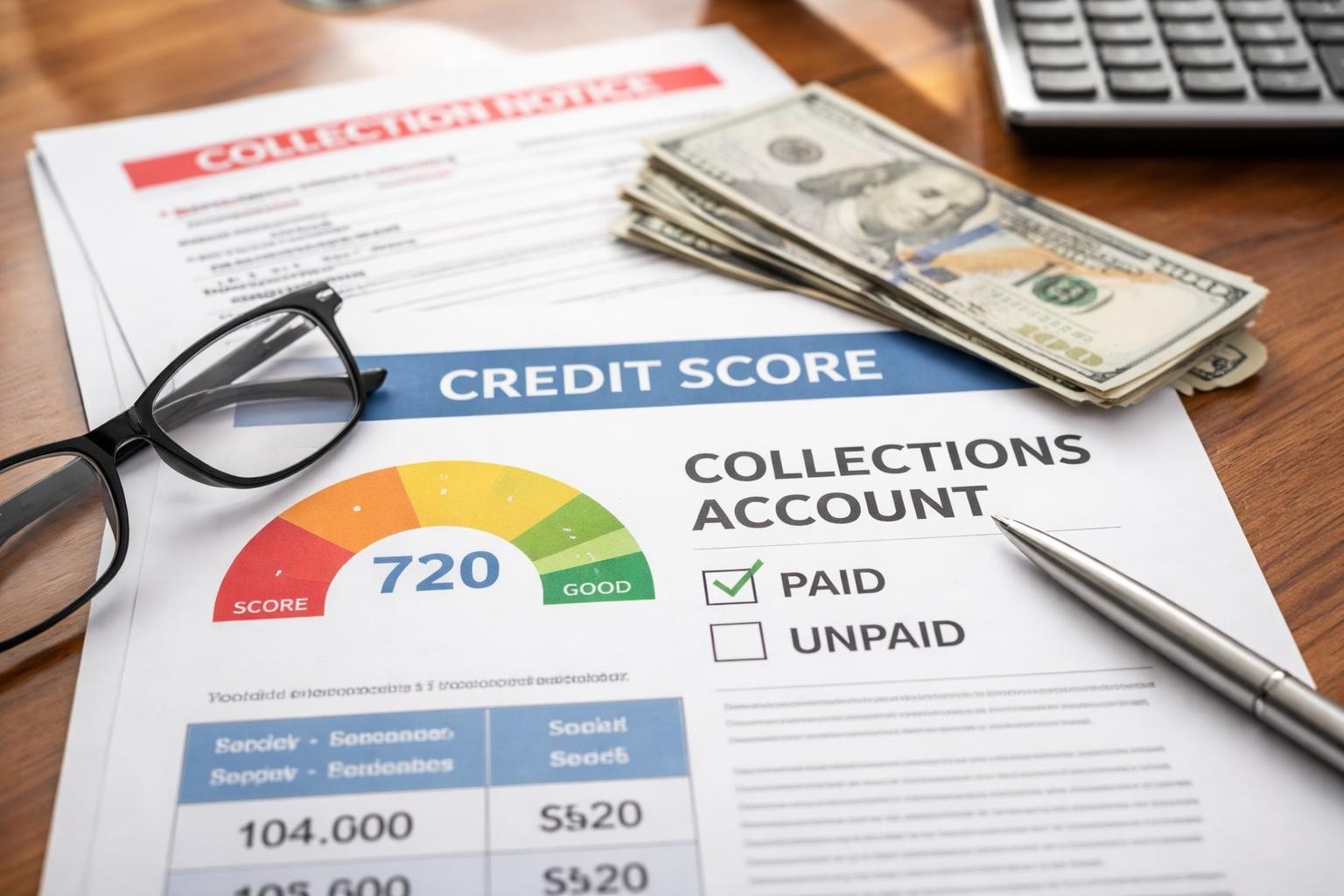
A charge-off occurs when a creditor writes off your debt as uncollectible, typically after 180 days of non-payment. The original creditor may then sell your debt to a collection agency. This creates a double negative impact: the charge-off from the original creditor and the collection account from the agency.
Recovery Timeline and Impact
Collections and charge-offs remain on your credit report for seven years from the date of first delinquency. During this period, they significantly reduce your credit score and make obtaining favorable loan terms extremely difficult. These negative marks can drop your score by 100 points or more, depending on your starting score.
Even after paying off a collection, it remains on your report, though newer scoring models give less weight to paid collections. The damage persists until the seven-year mark passes.
Bankruptcy: The Nuclear Option
While bankruptcy provides legal protection and a fresh start for those overwhelmed by debt, it represents what hurts your credit score the most in terms of single events. Chapter 7 bankruptcy remains on your credit report for 10 years, while Chapter 13 stays for seven years.
The immediate impact typically drops scores by 130 to 200 points. Beyond the numerical damage, bankruptcy creates a red flag that many lenders view as disqualifying, regardless of score improvements over time.
However, bankruptcy doesn't mean permanent financial exile. Many consumers rebuild their credit within two to three years through responsible credit management, and lenders like those specializing in helping clients with past credit issues understand that bankruptcy sometimes represents the most responsible path forward.
Hard Inquiries and New Credit Applications
While less damaging than payment issues or high utilization, excessive hard inquiries signal potential financial distress. Each hard inquiry from a credit application typically reduces your score by five to ten points.
The Difference Between Hard and Soft Inquiries
Understanding inquiry types helps you protect your score:
Hard inquiries occur when you apply for credit and authorize a lender to check your full credit report. These impact your score and remain visible for 24 months, though their effect diminishes after 12 months.
Soft inquiries happen when you check your own credit, when creditors pre-approve you for offers, or during employment background checks. These don't affect your score at all.
Rate Shopping Protection
Credit scoring models recognize that consumers comparison shop for certain loans. Multiple inquiries for auto loans, mortgages, or student loans within a 14 to 45-day window (depending on the scoring model) count as a single inquiry. This protection doesn't extend to credit cards, where each application generates a separate hard inquiry.
Closing Old Credit Accounts
Many consumers mistakenly believe that closing unused credit cards helps their credit score. In reality, closing accounts often damages your score through two mechanisms.
First, closing a card with available credit immediately increases your overall credit utilization ratio. If you have $5,000 in balances across cards with $20,000 in limits, your utilization is 25%. Close a card with a $5,000 limit, and your utilization jumps to 33% on the remaining $15,000 in available credit.
Second, closing your oldest credit card can reduce your average account age, which comprises 15% of your credit score. Length of credit history demonstrates stability and experience managing credit over time.
Better alternatives to closing accounts:
- Leave cards open with zero balances
- Make small recurring charges and set up autopay
- Request credit limit increases on cards you keep active
- Secure cards in a safe location if worried about fraud
The Credit Mix Factor
Having diverse types of credit accounts demonstrates your ability to manage different financial obligations. Credit mix accounts for approximately 10% of your score, making it a smaller but still meaningful factor.
Types of Credit Accounts
| Account Type | Examples | Impact on Mix |
|---|---|---|
| Revolving Credit | Credit cards, lines of credit | High value |
| Installment Loans | Auto loans, personal loans, mortgages | High value |
| Open Accounts | Utility bills, cell phone contracts | Moderate value |
| Retail Accounts | Store credit cards | Lower value |
Having only credit cards or only installment loans limits your credit profile. A balanced mix that includes both revolving and installment accounts typically produces higher scores. However, you should never take on debt solely to improve your mix, as the interest costs far outweigh any score benefits.
Co-Signing Loans and Authorized User Accounts
When you co-sign a loan or add someone as an authorized user to your credit card, you accept responsibility for that account's management. If the primary borrower or authorized user mishanages the account, your credit score suffers equally.
Co-signed loans appear on both parties' credit reports. Late payments, high balances, or defaults damage both credit scores. Many consumers don't realize that co-signing makes them fully liable for the debt, not just partially responsible.
Protecting Your Score When Helping Others
If you choose to co-sign or add authorized users, implement protective measures:
- Set up account alerts for all activity
- Establish clear payment expectations and deadlines
- Consider requiring the primary user to provide proof of payment
- Monitor your credit reports monthly for unexpected changes
- Understand that you cannot simply remove yourself from a co-signed loan without refinancing
Foreclosure and Repossession
Losing property to foreclosure or repossession creates severe, long-lasting credit damage. Foreclosures remain on credit reports for seven years and can reduce scores by 85 to 160 points, depending on your starting score.
Repossession of vehicles or other property follows similar patterns. Beyond the credit score impact, these events create public records that appear in background checks and can affect employment opportunities, housing applications, and insurance rates.
When facing potential foreclosure or repossession, proactive communication with lenders often produces better outcomes. Many lenders prefer loan modifications, short sales, or voluntary surrenders over forced seizure, and these alternatives may cause less severe credit damage.
Settling Debts for Less Than Owed
Debt settlement programs promise to negotiate your debts for less than you owe, which sounds appealing when facing overwhelming financial obligations. However, settled debts appear on your credit report as "settled for less than the full balance," which creditors view almost as negatively as charge-offs.
The debt settlement process typically requires you to stop making payments while funds accumulate in a settlement account. These missed payments devastate your credit score before any settlement occurs. The combined impact of months of missed payments plus the settled status can drop scores by 100 to 150 points.
When Settlement Makes Sense
Despite the credit damage, debt settlement sometimes represents the best available option when bankruptcy is the only alternative. Understanding what hurts your credit score the most helps you weigh settlement against other options like debt consolidation through personal loans, which maintain positive payment history while reducing overall debt burden.
Ignoring Credit Report Errors
Approximately one in five consumers has an error on at least one credit report. These errors range from accounts that don't belong to you to incorrect late payment notations or outdated negative information that should have been removed.
Failing to dispute credit report errors means accepting undeserved damage to your score. Common errors include:
- Accounts belonging to someone with a similar name
- Payments reported late that you made on time
- Duplicate accounts showing the same debt multiple times
- Negative items remaining beyond the legal reporting period
- Incorrect credit limits showing higher utilization than reality
You have the right to dispute errors with credit bureaus at no cost. The bureaus must investigate within 30 days and remove or correct inaccurate information. Monitoring your credit reports from all three bureaus (Equifax, Experian, and TransUnion) helps you catch and correct errors before they cause significant damage.
The Cumulative Effect of Multiple Small Mistakes
While understanding individual factors helps, recognizing how multiple issues compound provides a complete picture of what hurts your credit score the most. Someone with one 30-day late payment and 35% credit utilization faces more severe consequences than the sum of each individual issue.
Credit scoring algorithms identify patterns of behavior. Multiple late payments across different creditors signal systemic financial problems rather than a one-time mistake. High utilization combined with new credit applications suggests potential overextension.
Common problematic combinations:
- High utilization + new applications = desperation for credit
- Late payments + collections = inability to manage obligations
- Multiple hard inquiries + high utilization = financial distress
- Account closures + high utilization = shrinking financial options
Recovering From Credit Damage
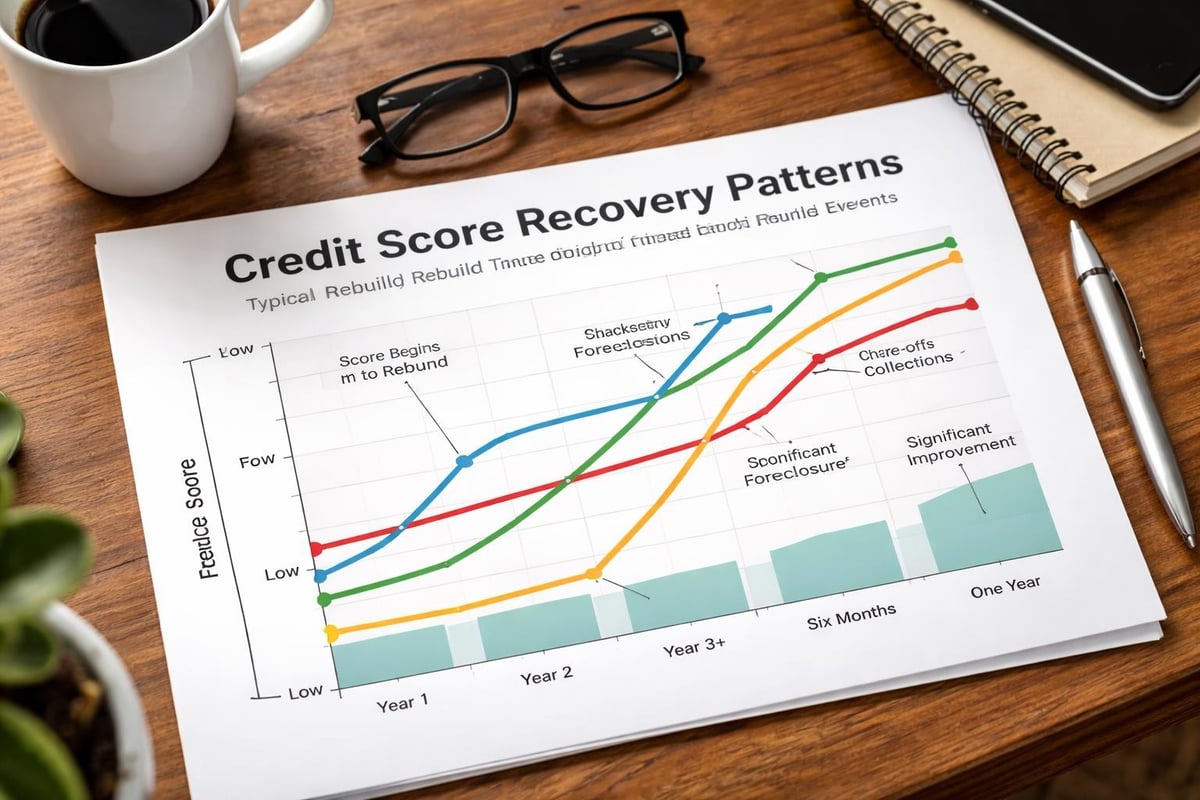
Understanding what hurts your credit score the most naturally leads to questions about recovery. While negative information remains on your report for years, its impact diminishes over time, especially when offset by positive new information.
Recovery strategies include:
- Establishing a perfect payment record going forward
- Reducing credit utilization below 30%, ideally below 10%
- Avoiding new credit applications during recovery
- Becoming an authorized user on accounts with perfect payment history
- Considering secured credit cards to rebuild positive history
- Disputing any inaccurate negative information immediately
Most consumers see noticeable improvement within six to twelve months of consistent positive behavior. Significant recovery typically occurs within two to three years, though major events like bankruptcy require longer timelines.
The key is consistency. One month of perfect credit management doesn't erase years of problems, but sustained responsible behavior gradually rebuilds creditor confidence and improves your score.
Special Considerations for Different Life Situations
What hurts your credit score the most can vary based on your current credit profile and financial goals. Someone with excellent credit faces larger point reductions from negative events compared to someone with already-damaged credit.
Medical Debt Considerations
Medical debt presents unique challenges. Unexpected medical expenses often arrive without warning and can quickly overwhelm budgets. Recent changes to credit reporting mean that paid medical collections no longer appear on credit reports, and unpaid medical collections don't appear until they're at least one year old.
If facing medical debt, communicate with healthcare providers about payment plans before accounts go to collections. Many medical providers offer interest-free payment arrangements that don't impact credit scores.
Student Loan Management
Federal student loans offer protections unavailable with other debt types, including income-driven repayment plans and forbearance options. Missing student loan payments damages your credit just like any other missed payment, but the available alternatives mean you should rarely find yourself in that situation.
Private student loans offer fewer protections but most lenders provide hardship programs. Contact your lender at the first sign of payment difficulty rather than waiting until you've already missed payments.
Understanding what hurts your credit score the most empowers you to make informed financial decisions and avoid costly mistakes that can take years to overcome. Whether you're currently building credit, recovering from past issues, or maintaining excellent credit, the principles remain consistent: pay on time, keep utilization low, and maintain a diverse mix of well-managed accounts. If you're facing credit challenges or need financing options that work with your current situation, Standard Financial offers flexible personal loans and refinancing solutions across Louisiana, Mississippi, Tennessee, and Georgia, helping clients achieve their financial goals even with past credit difficulties.





No comment yet, add your voice below!