

When your beloved pet faces a medical emergency, the last thing you want to worry about is how to pay for their care. Yet veterinary costs continue to rise, and many pet owners find themselves searching for a loan for vet bills to ensure their furry family members receive the treatment they need. Understanding your financing options before an emergency strikes can make all the difference in accessing timely care without overwhelming financial stress.
Understanding the Rising Cost of Veterinary Care
Veterinary medicine has advanced significantly in recent years, offering treatments that were once available only in human medicine. While these innovations save countless pet lives, they come with substantial price tags. According to Banfield Pet Hospital’s VET Report, routine veterinary care costs have steadily increased over the past decade, with emergency procedures often running into thousands of dollars.
The financial burden of pet care creates difficult decisions for many families. Emergency surgeries can range from $1,500 to $7,000 or more, depending on the complexity and required aftercare. Chronic condition management, cancer treatments, and specialized procedures often exceed these amounts substantially.
Why Pet Owners Need Financing Options
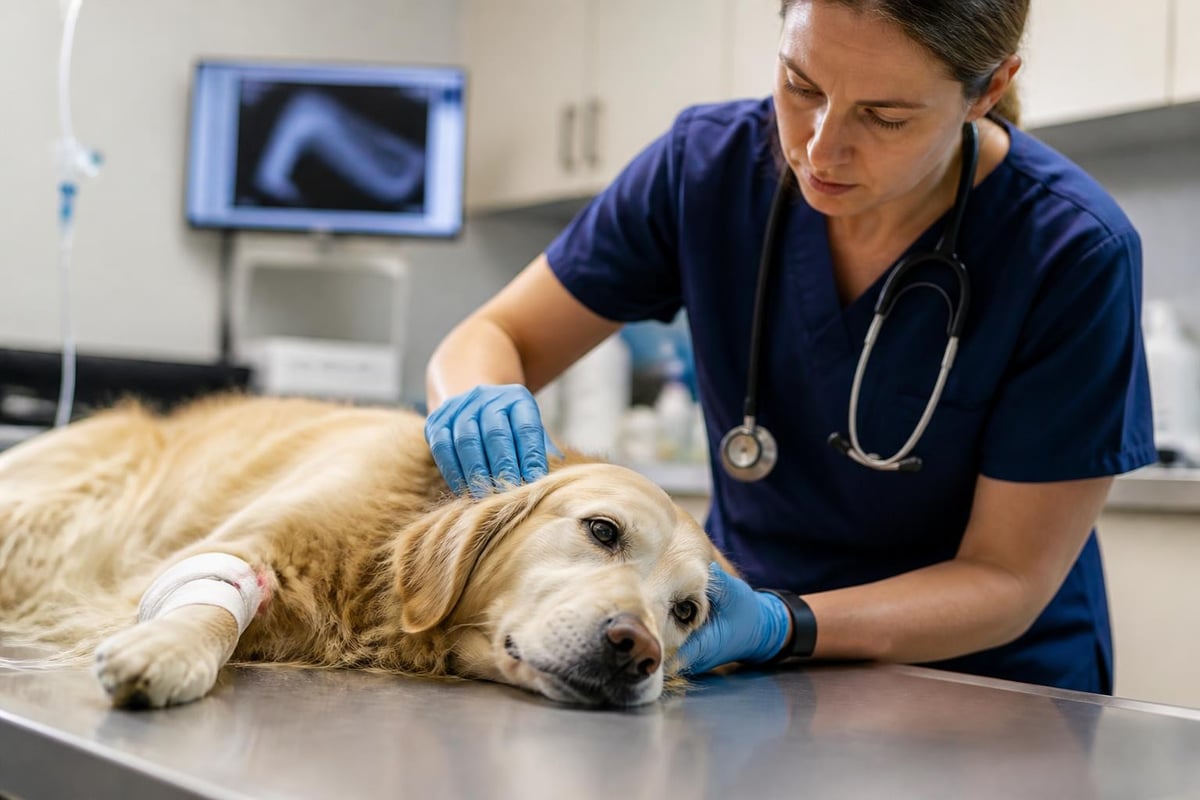
Most Americans don't have sufficient emergency savings to cover unexpected veterinary expenses. When faced with a pet's medical crisis, owners must make rapid decisions about treatment while simultaneously figuring out payment arrangements.
Common scenarios requiring veterinary financing include:
- Emergency surgeries for accidents or acute conditions
- Cancer diagnosis and treatment protocols
- Orthopedic procedures and joint replacements
- Complex diagnostic testing and imaging
- Intensive care unit stays
- Chronic disease management requiring ongoing treatment
Research published in PubMed Central highlights how cost barriers prevent some pet owners from accessing necessary veterinary care, creating ethical challenges for veterinarians who want to provide optimal treatment regardless of client financial circumstances.
Types of Loans for Vet Bills
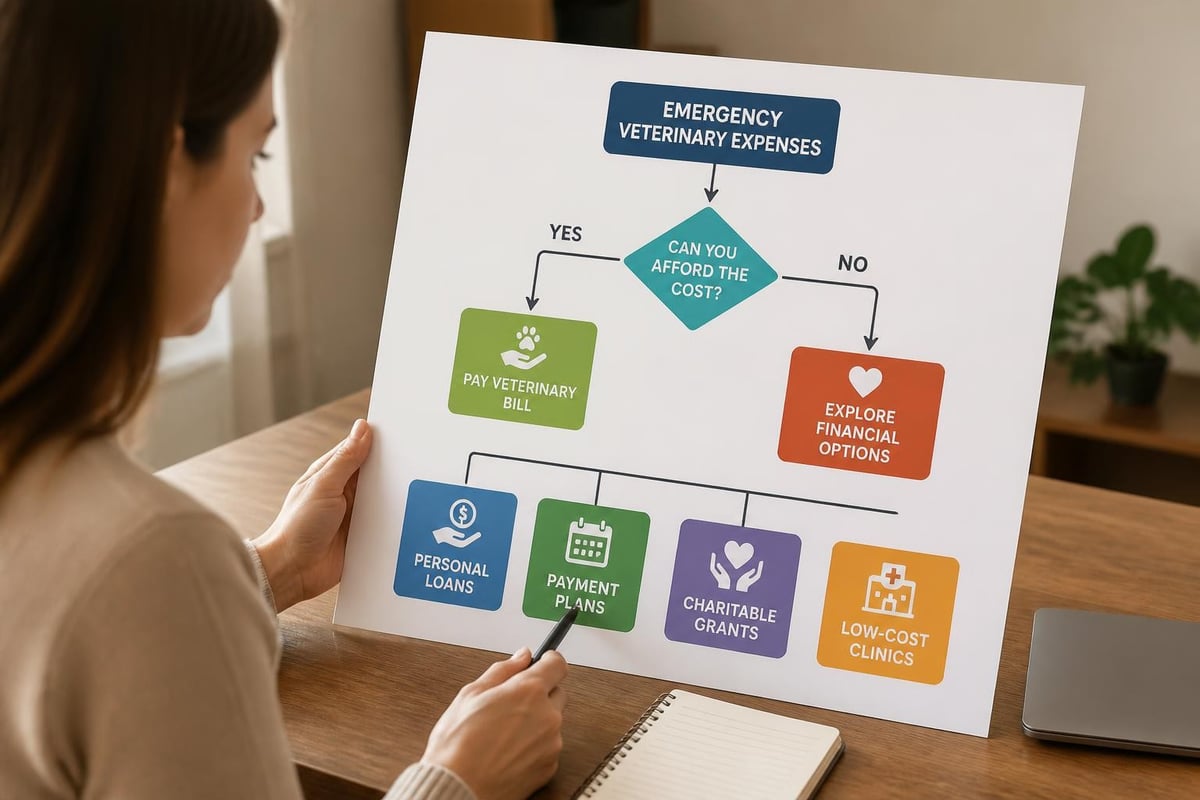
Several financing pathways exist for pet owners facing veterinary expenses. Each option carries different terms, qualification requirements, and repayment structures that should be carefully evaluated based on individual circumstances.
Personal Loans
A traditional personal loan offers one of the most flexible solutions for covering vet bills. These unsecured loans provide a lump sum that can be used for any veterinary expense, from emergency surgery to ongoing cancer treatment.
Personal loan advantages:
- Fixed interest rates and predictable monthly payments
- Loan amounts typically range from $1,000 to $50,000
- Flexible repayment terms from 12 to 84 months
- No restrictions on how funds are used
- Funds often available within 24-48 hours
Standard Financial specializes in personal loans that accommodate various credit profiles, including borrowers with past credit challenges. This accessibility proves crucial when pet owners need immediate funding for emergency veterinary care.
Medical Credit Cards
Veterinary-specific credit cards and medical credit lines offer another financing avenue. These products function like traditional credit cards but are designed specifically for healthcare expenses, including veterinary services.
| Feature | Medical Credit Cards | Personal Loans |
|---|---|---|
| Approval Speed | Often same-day | 24-48 hours typical |
| Interest Rates | 0% promotional, then 26-30% | 6-36% fixed |
| Credit Impact | Revolving debt | Installment loan |
| Flexibility | Reusable credit line | One-time lump sum |
| Repayment | Minimum payments | Fixed monthly payments |
The promotional zero-interest periods offered by some medical credit cards can be attractive, but pet owners must understand the terms carefully. If the balance isn't paid in full before the promotional period ends, deferred interest may apply to the original balance.
Veterinary Payment Plans
Many veterinary practices now offer in-house payment plans or work with third-party financing companies. These arrangements allow pet owners to spread treatment costs over several months, though terms vary significantly between providers.
The AVMA provides guidance for veterinary practices on discussing payment options with clients, emphasizing transparent communication about costs and available financing solutions.
Alternative Funding Sources for Veterinary Care
Beyond traditional loans for vet bills, several alternative resources may help reduce out-of-pocket expenses or provide supplemental funding for emergency pet care.
Charitable Assistance Programs
Multiple nonprofit organizations offer grants and financial assistance for pet owners facing veterinary emergencies. While these programs typically have specific eligibility requirements and limited funding, they can provide crucial support.
RedRover Relief operates an urgent care grant program that provides financial assistance for pet owners facing life-threatening veterinary emergencies. The application process requires documentation from the treating veterinarian and demonstrates financial need.
The American Veterinary Medical Foundation’s REACH Program takes a different approach by reimbursing veterinarians for care provided to clients experiencing financial hardship, creating a partnership between practitioners and pet owners.
Low-Cost Veterinary Resources
Exploring lower-cost treatment options doesn't mean compromising on care quality. Many communities offer veterinary clinics that provide services at reduced rates based on income eligibility.
The ASPCA provides resources and referrals for owners seeking help with veterinary bills, including information about community medicine programs and low-cost service providers. Additionally, PetHelpFinder maintains a searchable directory of financially accessible veterinary resources, assistance programs, and local aid organizations across the United States.
Pet Insurance Considerations
While pet insurance won't help with immediate emergency costs if you don't already have coverage, understanding these products can prevent future financial crises. The National Association of Insurance Commissioners offers consumer guidance on pet insurance policies, including coverage details and consumer protection tips.
Pet insurance typically covers:
- Accident and injury treatment
- Illness diagnosis and treatment
- Hospitalization and surgery
- Diagnostic testing
- Prescription medications
- Emergency care
Most policies require paying veterinary bills upfront and submitting claims for reimbursement, which means having access to immediate funding through savings or a loan for vet bills remains important even with insurance coverage.
Qualifying for a Loan for Vet Bills
Understanding qualification criteria helps pet owners prepare their applications and improve approval odds when seeking veterinary financing.
Credit Score Requirements
Lenders evaluate credit scores to assess risk and determine loan terms. While traditional banks may require good to excellent credit (scores above 670), consumer lending specialists like Standard Financial work with a broader range of credit profiles.
Typical credit tiers and what they mean:
- Excellent (750+): Best rates and terms available
- Good (670-749): Competitive rates with most lenders
- Fair (580-669): Higher rates but approval possible
- Poor (below 580): Limited options, may need specialized lenders
Pet owners with past credit issues shouldn't assume they can't qualify for financing. Many lenders consider factors beyond credit scores, including current income stability and debt-to-income ratios.
Income and Employment Verification
Lenders need assurance that borrowers can repay their loans. This requirement means providing documentation of stable income through recent pay stubs, tax returns, or bank statements.
Documentation typically required:
- Recent pay stubs (last 30-60 days)
- Bank statements showing regular deposits
- Tax returns for self-employed borrowers
- Proof of additional income sources
- Government-issued identification
- Proof of residence
Debt-to-Income Ratio
Your debt-to-income (DTI) ratio compares monthly debt payments to gross monthly income. Most lenders prefer DTI ratios below 43%, though some consumer lending specialists may approve higher ratios based on compensating factors.
| DTI Ratio | Lending Impact |
|---|---|
| Below 35% | Excellent; best terms available |
| 35-43% | Good; approval likely with decent credit |
| 43-50% | Challenging; may need specialized lender |
| Above 50% | Difficult; limited options |
Application Process for Veterinary Financing
Moving quickly during a pet emergency requires understanding the loan application process before crisis strikes. Preparation streamlines approval and ensures faster access to needed funds.
Gathering Required Documents
Compile essential documentation before beginning your application. Having these materials ready accelerates the approval timeline significantly.
Create a veterinary financing folder containing proof of income, identification, banking information, and employment details. Digital copies stored securely on your phone or cloud storage enable quick access during emergencies.
Choosing the Right Lender
Not all lenders offer the same terms or serve the same markets. Regional consumer lending specialists often provide more flexible qualification criteria and personalized service compared to large national banks.
Standard Financial maintains branch offices throughout Louisiana, Mississippi, Tennessee, and Georgia, offering in-person consultations alongside online applications. This combination provides the convenience of digital banking with the personal touch of local service.
Understanding Loan Terms
Before accepting any financing offer, thoroughly review all loan terms including interest rates, repayment periods, fees, and prepayment penalties.
Key terms to evaluate:
- Annual Percentage Rate (APR): Total yearly cost including interest and fees
- Loan term: Number of months for repayment
- Monthly payment amount: Fixed payment you'll make each month
- Origination fees: Upfront charges for processing the loan
- Prepayment penalties: Fees for paying off the loan early

Managing Veterinary Debt Responsibly
Securing a loan for vet bills represents just the first step. Managing this debt responsibly protects your financial health while ensuring your pet receives necessary care.
Creating a Repayment Budget
Integrate your monthly loan payment into your overall budget immediately after loan approval. This practice prevents missed payments that could damage your credit score and generate late fees.
Consider setting up automatic payments from your checking account on a date shortly after your regular payday. This automation ensures timely payments without requiring manual intervention each month.
Communication with Lenders
If financial circumstances change and making payments becomes difficult, contact your lender immediately. Many consumer lenders, including Standard Financial, work with borrowers experiencing temporary hardship to modify payment arrangements or adjust terms.
Proactive communication demonstrates good faith and often yields better outcomes than avoiding contact when payments become challenging.
Understanding Consumer Protections
Pet owners taking on debt for veterinary care benefit from various consumer protections. The Consumer Financial Protection Bureau provides guidance on medical debt collection practices and consumer rights when managing healthcare-related financial obligations.
Planning Ahead for Future Veterinary Expenses
While emergency funding options provide crucial support during crises, building financial resilience prevents future stress when pets need care.
Building a Pet Emergency Fund
Financial experts recommend maintaining three to six months of expenses in emergency savings. A more modest goal for pet-specific emergencies might start with $1,000 to $2,000 earmarked exclusively for veterinary care.
Strategies for building pet savings:
- Automatic monthly transfers to a dedicated savings account
- Redirecting one-time windfalls (tax refunds, bonuses) to pet emergency funds
- Setting aside a portion of money saved through budgeting improvements
- Using pet-sitting or dog-walking income for emergency savings
Even modest monthly contributions accumulate over time, providing a buffer that reduces reliance on financing during emergencies.
Regular Preventive Care
Investing in routine preventive care often prevents more expensive emergency treatments. Annual examinations, vaccinations, dental cleanings, and parasite prevention catch developing issues before they become crises.
Evaluating Pet Insurance Options
For younger pets or those without pre-existing conditions, pet insurance may provide financial protection against future medical expenses. Review multiple policies, compare coverage levels, and understand exclusions before purchasing.
Most policies exclude pre-existing conditions, so enrolling while pets are young and healthy maximizes coverage. However, even with insurance, maintaining emergency savings and understanding loan options for vet bills remains prudent since most policies require upfront payment with later reimbursement.
Making Treatment Decisions During Financial Stress
The intersection of pet health crises and financial constraints creates enormous emotional pressure. Pet owners facing these situations benefit from structured decision-making approaches.
Communicating with Your Veterinarian
Veterinary professionals understand financial constraints and can often present multiple treatment options at different price points. Honest conversations about budget limitations enable collaborative decision-making.
Ask your veterinarian about essential versus optional treatments, payment timing flexibility, and whether treatment can be staged over multiple appointments to spread costs.
Prioritizing Immediate Needs
When resources are limited, focus on immediately life-threatening conditions first. Veterinarians can help identify which treatments must happen immediately and which can be safely postponed while you arrange additional financing.
Seeking Second Opinions
For expensive non-emergency procedures, seeking a second opinion from another veterinary practice may reveal alternative treatment approaches or different cost structures. This additional perspective helps ensure you're making fully informed decisions.
Unexpected veterinary expenses shouldn't force impossible choices between your pet's health and your financial stability. Understanding financing options, from personal loans to assistance programs, empowers pet owners to access necessary care when emergencies strike. Whether you're facing an immediate crisis or planning ahead for future needs, Standard Financial offers flexible personal loan solutions designed to help families throughout Louisiana, Mississippi, Tennessee, and Georgia manage medical expenses, including veterinary care, even with past credit challenges.







No comment yet, add your voice below!