

Personal loans are becoming a vital tool for reaching financial milestones in 2026. As more people seek flexible ways to fund their goals, understanding the true cost of borrowing is more important than ever.
Interest rates can make a significant difference in how much you pay over the life of a personal loan interest loan. Even a small variation in rates can add up to hundreds or thousands of dollars.
This guide will demystify personal loan interest loan rates, reveal expert tips, and empower you to make confident decisions. Use this as your roadmap to secure the best possible terms for your needs.
Ahead, you will find clear explanations of interest types, current trends, qualification factors, comparison strategies, and proven ways to reduce borrowing costs.
Understanding Personal Loan Interest Rates
Navigating the world of personal loans can feel overwhelming, especially when it comes to understanding how much borrowing will really cost. The personal loan interest loan rate you receive is the single biggest factor influencing your total repayment. Knowing how these rates work is the first step toward making confident, informed decisions about your financial future.
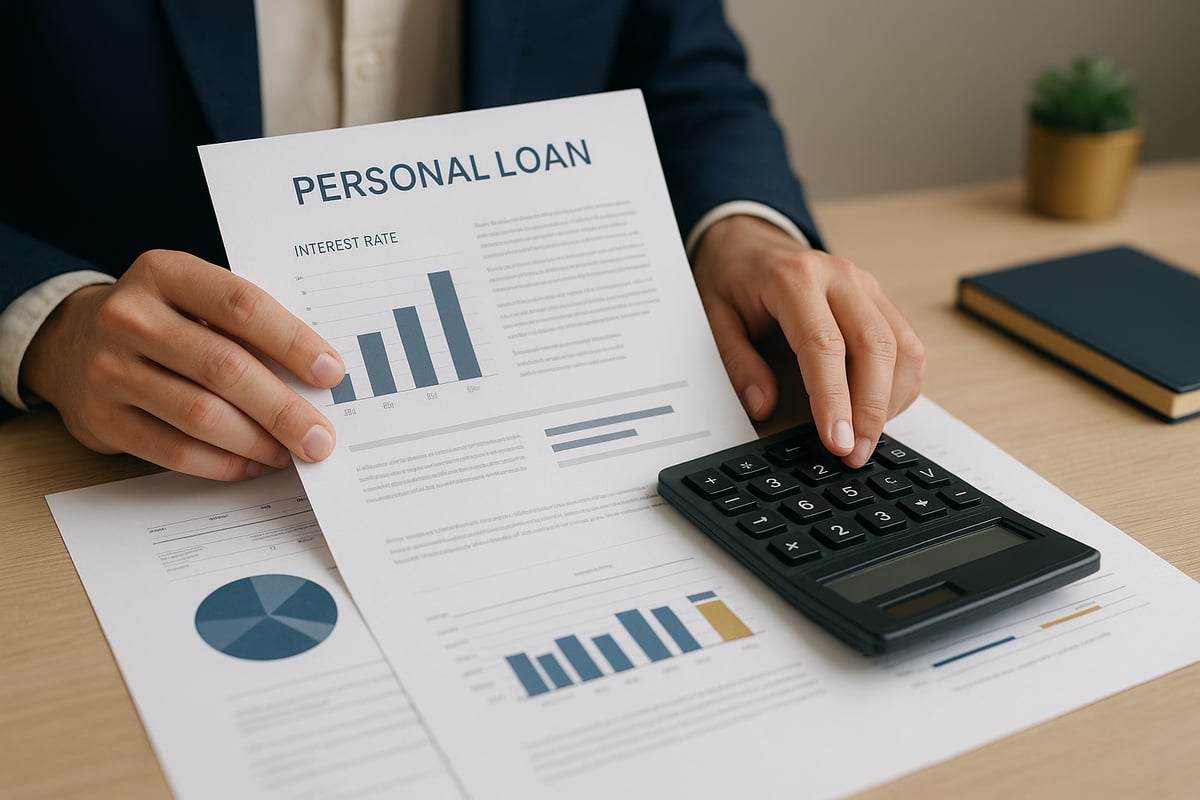
What Is a Personal Loan Interest Rate?
A personal loan interest loan rate represents the percentage of the loan amount you pay to borrow money, typically expressed annually. Unlike mortgage or auto loans, which may be secured by property, most personal loans are unsecured, so rates can be higher.
Interest may be calculated as simple or compound. Simple interest charges you only on the original amount borrowed, while compound interest charges on both the principal and accumulated interest. For installment loans, like most personal loans, you pay back a set amount each month, with a portion going to interest and the rest to principal.
For example, if you borrow $10,000 at an 8% APR for 5 years, your total interest paid would look like this:
Loan Amount: $10,000
APR: 8%
Term: 60 months
Monthly Payment: ~$202.76
Total Interest Paid: ~$2,165.74
Rates may be fixed, staying the same through the term, or variable, which can change over time. Understanding your personal loan interest loan rate is crucial, as even a small difference can mean hundreds or thousands in added costs. Key terms include APR (annual percentage rate), nominal rate (excluding fees), and effective rate (compounding considered). For a deeper dive into the mechanics, see Understanding Personal Loan Interest Rates.
Types of Personal Loan Interest Rates
When considering a personal loan interest loan, understanding the type of rate is just as important as the rate itself. The three main types are fixed, variable, and hybrid rates.
| Rate Type | Description | Pros | Cons | Best For |
|---|---|---|---|---|
| Fixed | Stays the same for the loan term | Predictable payments, stability | May be higher than variable initially | Long-term planners |
| Variable | Changes with market rates | Lower starting rates, possible savings | Payment uncertainty, risk of increase | Short-term loans, risk-tolerant |
| Hybrid | Fixed for a period, then variable | Initial stability, potential savings | Complexity, rate may jump later | Borrowers expecting to repay early |
Fixed-rate personal loan interest loan products are popular for their predictability. Variable-rate loans, however, can offer lower starting rates, but payments could rise if market rates climb. Hybrid loans, offered by select fintech lenders, combine both features with an initial fixed period before shifting to variable.
The type you choose affects your long-term repayment. For example, a fixed 5-year loan at 9% may ultimately cost less than a variable loan that starts at 7% but jumps to 12% after two years. Always consider your risk tolerance and financial goals before deciding.
How Lenders Set Interest Rates
Lenders use a range of factors to determine your personal loan interest loan rate. The most significant are your credit score, income, and debt-to-income ratio. High credit scores (usually 700 and above) can qualify for the lowest rates, while lower scores result in higher rates due to increased risk.
Market conditions also play a role. Federal Reserve interest rate changes, inflation, and the overall economic outlook can drive rates up or down. In 2024-2026, personal loan interest loan rates typically range from 6% for excellent credit to 36% for poor credit.
Here is how risk-based pricing works in practice:
- Borrower A: 780 credit score, stable income, low debt. Receives 7% APR.
- Borrower B: 620 credit score, higher debt, spotty employment. Receives 22% APR.
By understanding these factors, you can take steps to improve your profile before applying, increasing your chances of securing a favorable personal loan interest loan rate.
Current Trends and Predictions for 2026
The personal loan interest loan market is experiencing rapid change as we approach 2026. Understanding the trends shaping rates today can help you anticipate what to expect in the coming years. Let’s break down the movements, economic factors, technological innovations, and expert predictions that will impact your borrowing decisions.

Recent Interest Rate Movements
Over the past few years, the personal loan interest loan landscape has shifted significantly. From 2022 to 2025, average rates have fluctuated due to changing economic conditions.
A quick summary of recent movements:
| Year | Average APR (%) | Key Influences |
|---|---|---|
| 2022 | 9.5 | Inflation, rate hikes |
| 2023 | 11.2 | Fed tightening |
| 2024 | 10.8 | Slowing inflation |
| 2025 | 10.5 | Competitive lending |
Several factors have driven these changes:
- Central bank policies adjusting benchmark rates
- Rising inflation pressures
- Increased competition among lenders
For anyone seeking a personal loan interest loan, these shifts directly impact the cost of borrowing. Staying informed about recent trends helps you better time your application and compare offers.
Economic Factors Influencing 2026 Rates
Looking ahead, several economic factors are set to influence the personal loan interest loan market in 2026. The Federal Reserve’s actions remain a primary force. If the Fed decides to lower rates to stimulate growth, personal loan interest loan rates may decrease. Conversely, any tightening could push rates higher.
Inflation will also play a crucial role. If inflation remains moderate, lenders may offer more attractive rates. However, high inflation could prompt higher personal loan interest loan costs. Wage growth and unemployment rates are equally important, as strong job markets encourage lending and can help keep rates competitive.
Borrowers should monitor these indicators closely, as they can affect both loan availability and affordability.
Technology and Digital Lending Innovations
Technology is reshaping the personal loan interest loan process. Fintech companies and online lenders now use AI-powered underwriting to evaluate applications faster and more accurately. These innovations have made rate comparison more transparent and accessible.
Borrowers can now use digital platforms to:
- Instantly compare rates from multiple lenders
- Pre-qualify without impacting their credit score
- Access personalized offers based on their financial profile
The rise of these tools boosts competition, helping more consumers find a personal loan interest loan that fits their needs. As digital solutions evolve, expect even more user-friendly experiences and tailored borrowing options.
What Borrowers Should Expect in 2026
As 2026 approaches, experts predict that the personal loan interest loan market will remain dynamic. Some analysts suggest rates may stabilize if inflation stays in check, while others anticipate slight increases if economic uncertainty persists.
Regulatory changes could further impact how lenders disclose interest rates and fees, making it easier for borrowers to compare offers. Timing your personal loan interest loan application will be key, especially if rate trends shift quickly.
For an in-depth look at upcoming forecasts and actionable insights, refer to the Personal Loan Interest Rate Forecast for 2026, which offers data-driven projections to help you plan your borrowing strategy effectively.
Factors That Affect Your Personal Loan Interest Rate
Understanding what shapes your personal loan interest loan rate is essential for saving money and making smart borrowing decisions. Lenders analyze a range of factors to determine what rate you qualify for. By knowing what impacts your rate, you can take practical steps to secure better terms and minimize your total borrowing cost.

Credit Score and Credit History
Your credit score is one of the strongest influences on your personal loan interest loan rate. Lenders use it to assess your creditworthiness and predict your likelihood of repayment. Generally, borrowers with scores above 750 qualify for the lowest rates, while those below 620 see higher costs. Negative marks like late payments or high credit utilization can raise your rate. For a deep dive into these factors, review this Factors Affecting Personal Loan Interest Rates guide, which explains how lenders weigh your credit history when setting rates.
Income, Employment, and Debt-to-Income Ratio
Stable income and employment history are vital for qualifying for the best personal loan interest loan offers. Lenders evaluate your ability to repay by reviewing your income and how long you have held your current job. They also calculate your debt-to-income (DTI) ratio, which measures the percentage of your monthly income that goes toward debt payments. A DTI below 35 percent is often required for top rates. Improving your income or reducing existing debt can help you secure a more favorable personal loan interest loan rate.
Loan Amount, Term, and Purpose
The amount you borrow, the length of your loan, and its intended use all impact your personal loan interest loan rate. Larger loan amounts or longer repayment terms typically lead to higher rates because they increase risk for lenders. Conversely, shorter-term loans often come with lower rates but higher monthly payments. The purpose of your loan, such as debt consolidation, home improvement, or medical expenses, can also influence pricing, as some lenders offer specialized programs with competitive personal loan interest loan rates for certain uses.
Lender Type and Loan Product
Different types of lenders offer a wide range of personal loan interest loan rates and terms. Banks, credit unions, and online lenders each have their own criteria and pricing strategies. Credit unions may offer lower rates to members, while online lenders often provide faster approvals. Here’s a quick comparison:
| Lender Type | Typical APR Range | Approval Speed | Special Features |
|---|---|---|---|
| Banks | 7% – 24% | Moderate | Relationship discounts |
| Credit Unions | 6% – 18% | Moderate | Member perks |
| Online Lenders | 6% – 36% | Fast | Flexible credit options |
Choosing the right lender and loan product can make a meaningful difference in your personal loan interest loan costs.
Geographic Location and State Regulations
Where you live can affect your personal loan interest loan rate, too. State laws may cap maximum interest rates or regulate fees, leading to regional differences in average APRs. For example, some states have strict usury laws that limit how much lenders can charge, while others allow higher maximums. It pays to check your local regulations and compare offers from in-state and national lenders to find the best personal loan interest loan rate available to you.
Co-Signers and Collateral
Adding a co-signer with strong credit or offering collateral can help you qualify for a lower personal loan interest loan rate. A co-signer promises to repay the loan if you cannot, reducing lender risk. Secured personal loans, which require collateral like a vehicle or savings account, also tend to offer lower rates than unsecured options. However, both strategies come with risks, so be sure to weigh the pros and cons before proceeding with your personal loan interest loan application.
Standard Financial: Flexible Lending for All Credit Types
Standard Financial specializes in helping borrowers in Louisiana, Mississippi, Tennessee, and Georgia find the right personal loan interest loan solution. Their credit-friendly approach means they consider applicants with past credit challenges. Flexible financing, refinancing options, and personalized plans allow you to secure low payments and favorable terms. Whether you are rebuilding credit or seeking a competitive rate, Standard Financial offers expert support both online and at 14 local branches.
How to Compare Personal Loan Interest Rates Effectively
Comparing personal loan interest loan offers is crucial for finding the best deal in 2026. With so many lenders and loan products available, it is easy to feel overwhelmed. A step-by-step approach helps you cut through the complexity and focus on what truly matters. By mastering these strategies, you can confidently secure a personal loan interest loan that meets your needs and saves you money.

Gathering and Reviewing Loan Offers
Start by collecting personal loan interest loan offers from a range of sources, including banks, credit unions, online lenders, and lending marketplaces. Each lender may offer different rates and terms based on your financial profile, so cast a wide net.
Use pre-qualification tools when available. These tools let you check your potential rate without affecting your credit score. For example, you might receive three distinct offers: one from a traditional bank, another from a credit union, and a third from a digital lender. Comparing these side by side gives you a clear picture of your options.
Be methodical: track offers in a spreadsheet or table for easy reference. This process helps you identify the most competitive personal loan interest loan rates with minimal hassle.
Understanding APR and Total Loan Cost
The interest rate is just one piece of the puzzle. The Annual Percentage Rate (APR) includes both the interest rate and any fees, giving a fuller picture of the personal loan interest loan cost. Always prioritize APR when comparing offers.
Calculate the total interest paid over the life of the loan. For example, a $15,000 personal loan interest loan at 10% APR over five years results in approximately $4,122 in interest. Understanding this total cost helps you avoid surprises and lets you compare loans on equal terms.
Use a table like the one below to compare loan offers:
| Lender | APR | Loan Term | Total Interest Paid |
|---|---|---|---|
| Bank A | 10% | 60 months | $4,122 |
| Credit Union | 9.5% | 60 months | $3,852 |
| Online Lender | 11% | 60 months | $4,568 |
Reading the Fine Print
Hidden fees can impact the real cost of a personal loan interest loan. Look for origination fees, prepayment penalties, and late payment charges. These can significantly increase your overall expenses.
Always read the loan agreement carefully before signing. Key questions to ask each lender include:
- Are there any origination or application fees?
- Is there a penalty for early repayment?
- What happens if a payment is late?
Understanding these details ensures your personal loan interest loan remains affordable and transparent. Do not hesitate to seek clarification on any unclear terms.
Using Online Comparison Tools
Online comparison tools make it easy to view multiple personal loan interest loan offers in one place. These platforms allow you to filter by rate, term, lender reputation, and other features, saving you time and effort.
Review customer feedback and ratings to gauge lender reliability. Many reputable sites also offer educational resources. For further reading, explore Personal finance blog articles for tips and in-depth guides on comparing personal loan interest loan products.
Take advantage of side-by-side comparisons to identify the best combination of rates, fees, and service.
Timing Your Application
The timing of your personal loan interest loan application can affect your approval odds and the rate you receive. Multiple hard inquiries in a short period may lower your credit score, so group your applications within a few weeks.
Watch for seasonal promotions, as lenders sometimes offer discounted rates during certain times of the year. If market trends suggest rising rates, consider locking in your rate sooner rather than later.
Being aware of timing and market conditions helps you secure a personal loan interest loan with favorable terms.
Steps to Secure the Best Personal Loan Interest Rate in 2026
Securing the best personal loan interest loan rate in 2026 requires a strategic approach. By following a series of proven steps, you can optimize your chances of approval and minimize borrowing costs. Let us walk through the essential actions that will help you achieve the most favorable terms available.
Step 1: Check and Improve Your Credit Profile
Start by examining your credit report from all three bureaus. Look for inaccuracies or outdated information that could negatively impact your personal loan interest loan rate. Dispute any errors you find to ensure your profile is accurate.
Pay down outstanding credit card balances and resolve any delinquent accounts. Even a small boost in your credit score can lead to a lower personal loan interest loan offer. Settle late payments, keep credit utilization below 30 percent, and avoid opening new credit lines before applying.
A strong credit profile is the foundation for qualifying for the most competitive personal loan interest loan rates in 2026.
Step 2: Calculate Your Budget and Loan Needs
Define how much you need to borrow and determine a realistic repayment term. Use online loan calculators to estimate monthly payments at different rates. Understanding your financial limits ensures you only seek a personal loan interest loan that fits your budget.
| Loan Amount | APR | Term | Monthly Payment |
|---|---|---|---|
| $10,000 | 8% | 5 yr | $202 |
| $10,000 | 12% | 5 yr | $222 |
Adjust loan amounts and terms to see how even small changes in the personal loan interest loan rate affect your total cost. This clarity helps you avoid overborrowing.
Step 3: Shop Around and Pre-Qualify
Gather offers from multiple sources, including banks, credit unions, and reputable online lenders. Use pre-qualification tools to check your potential personal loan interest loan rates without affecting your credit score.
Compare at least three offers, focusing on APR, fees, and repayment flexibility. Take advantage of digital marketplaces for easy side-by-side comparisons. When ready, you can apply for a personal loan directly with your chosen lender for a seamless application process.
Leverage competing offers to negotiate for the best possible personal loan interest loan terms.
Step 4: Consider Co-Signers or Collateral
If your credit profile is less than ideal, consider adding a co-signer with stronger credit. This step can significantly reduce your personal loan interest loan rate and increase your approval odds.
Alternatively, offering collateral such as a vehicle or savings account may convert your unsecured personal loan interest loan into a secured one, often resulting in lower rates. Weigh the risks and requirements before committing to this strategy.
A co-signer or collateral can be a powerful tool in optimizing your personal loan interest loan offer.
Step 5: Negotiate and Finalize Your Loan
Do not hesitate to negotiate with lenders regarding rates or fees. Use current market data and trends to support your case. Staying informed about retail lending trends 2026 can give you an edge during negotiations.
Prepare all necessary documentation, such as proof of income and employment, to speed up the process. Before accepting any personal loan interest loan offer, review all terms, including the fine print on fees and prepayment penalties.
A careful review and negotiation can save you hundreds or even thousands over the life of your personal loan interest loan.
Step 6: Plan for Repayment and Avoid Pitfalls
Set up automatic payments to ensure you never miss a due date. Early repayment strategies, such as making extra payments or refinancing if rates drop, can reduce your personal loan interest loan costs.
Be mindful of common mistakes, including overborrowing or ignoring hidden fees. Track your progress and adjust your budget as needed to stay on top of your personal loan interest loan commitments.
A proactive approach to repayment sets you up for long-term financial health.
Expert Tips to Reduce Your Personal Loan Interest Costs
Managing your personal loan interest loan costs is vital for long-term financial health. By applying proven strategies, you can save hundreds or even thousands over the life of your loan. Let us explore expert-backed tips to help you minimize interest, lower payments, and achieve your financial goals faster.
Refinance When Rates Drop
Refinancing your personal loan interest loan when rates decrease can lead to significant savings. By replacing your current loan with a new one at a lower interest rate, you reduce both your monthly payment and total interest paid.
For example, refinancing a $20,000 personal loan interest loan from 12 percent APR to 8 percent APR can save you several thousand dollars over five years. Monitor the market regularly and review your eligibility for better rates, especially if your credit score has improved since your original loan.
Make Extra Payments
Paying more than your minimum payment each month is a simple and effective way to cut down the interest on your personal loan interest loan. Extra payments go directly toward the principal, which reduces the interest charged on future payments.
Consider setting up automatic transfers or making bi-weekly payments to accelerate repayment. Over time, even small additional payments can lead to substantial savings on your personal loan interest loan.
- Apply bonuses or tax refunds to your loan
- Round up monthly payments
- Use budgeting apps for reminders
Shorten Your Loan Term
Opting for a shorter repayment term on your personal loan interest loan can dramatically reduce the total interest cost. While this typically results in higher monthly payments, you pay less interest over the life of the loan.
Review your budget and see if you can afford a 3-year term instead of a 5-year term. Use online calculators to compare total costs for each scenario before choosing your personal loan interest loan structure.
| Loan Term | Monthly Payment | Total Interest Paid |
|---|---|---|
| 5 Years | $250 | $2,000 |
| 3 Years | $375 | $1,000 |
Avoid Unnecessary Fees
Many borrowers overlook fees that can increase the cost of a personal loan interest loan. Watch out for origination fees, prepayment penalties, and late payment charges. These extra costs can inflate your effective interest rate.
Ask lenders to clarify all fees before signing. Some lenders, such as those detailed on the About Standard Financial lending page, are transparent about their fee structures and may offer reduced or waived charges for responsible borrowers.
Maintain Good Credit Habits
A strong credit profile is your best tool for securing a low personal loan interest loan rate. Pay all bills on time, keep your credit utilization low, and review your credit report annually for errors.
Improving your score by even 20-30 points can make you eligible for better rates and terms. Responsible habits today will help you qualify for more favorable personal loan interest loan offers in the future.
Use Loan Funds Wisely
Only use your personal loan interest loan for essential expenses, such as debt consolidation, home repairs, or medical bills. Using loan funds for discretionary purchases can lead to financial strain and higher long-term costs.
Careful use of your personal loan interest loan helps ensure you stay on track with repayment and avoid unnecessary interest charges.
Stay Informed About Market Trends
Interest rates are influenced by broader economic forces. Stay updated on Federal Reserve policies, inflation, and lender competition, as these factors can affect your personal loan interest loan rate. For more insights, see the Federal Reserve’s Impact on Mortgage Rates to understand how central bank decisions shape the lending landscape.
Signing up for rate alerts or financial news can help you move quickly when favorable opportunities arise.
Real-World Success Stories
Many borrowers have reduced their personal loan interest loan costs by refinancing, making extra payments, or shortening their terms. For instance, one borrower refinanced a $15,000 loan from 11 percent APR to 7 percent APR, saving over $1,200 in interest.
Others have used bi-weekly payments to pay off loans months ahead of schedule, resulting in lower total costs. These strategies are accessible to anyone willing to take proactive steps with their personal loan interest loan.
As you look ahead to 2026 and consider how personal loans can help you achieve your financial goals, understanding interest rates is more crucial than ever. We’ve covered everything from how rates are set to expert tips for lowering your borrowing costs, so you can make confident, informed decisions. If you’re ready to take the next step toward a loan that fits your needs—whether for home improvements, medical expenses, or education—even if you’ve had credit challenges in the past, let Standard Financial guide you with flexible options and expert support. Apply For A Loan Today






2 Comments
[…] a deeper dive into how rates are calculated for different loan types, see Personal loan interest rates explained. Staying informed helps you secure the most favorable terms when exploring loans for […]
[…] For loan customers, the ability to secure funds quickly with minimal restrictions is crucial. Lenders have adapted by streamlining digital applications and offering instant decisions, making personal loans more accessible than ever. To better understand how interest rates impact your borrowing experience as a loan customer, explore Understanding personal loan interest. […]