

Imagine being able to access quick funds for daily needs or sudden expenses, without confusion or hassle. As personal finance evolves, the consumption loan is becoming increasingly important for individuals and communities. This guide breaks down what a consumption loan is, how it works, and why it matters in 2026. You will discover its legal framework, current trends, application steps, and best practices for smart borrowing and lending. Use this knowledge to make informed financial decisions, avoid common mistakes, and maximize the benefits of consumption loans in the coming years.
Understanding Consumption Loans: Definition, Types, and Key Features
Understanding the basics of a consumption loan is crucial for anyone considering this type of financial tool. Whether you are a borrower seeking quick access to funds or a lender aiming to diversify your offerings, knowing how these loans work helps you make informed decisions. Let us break down what makes consumption loans unique and explore their structure, benefits, and applications.
What Is a Consumption Loan?
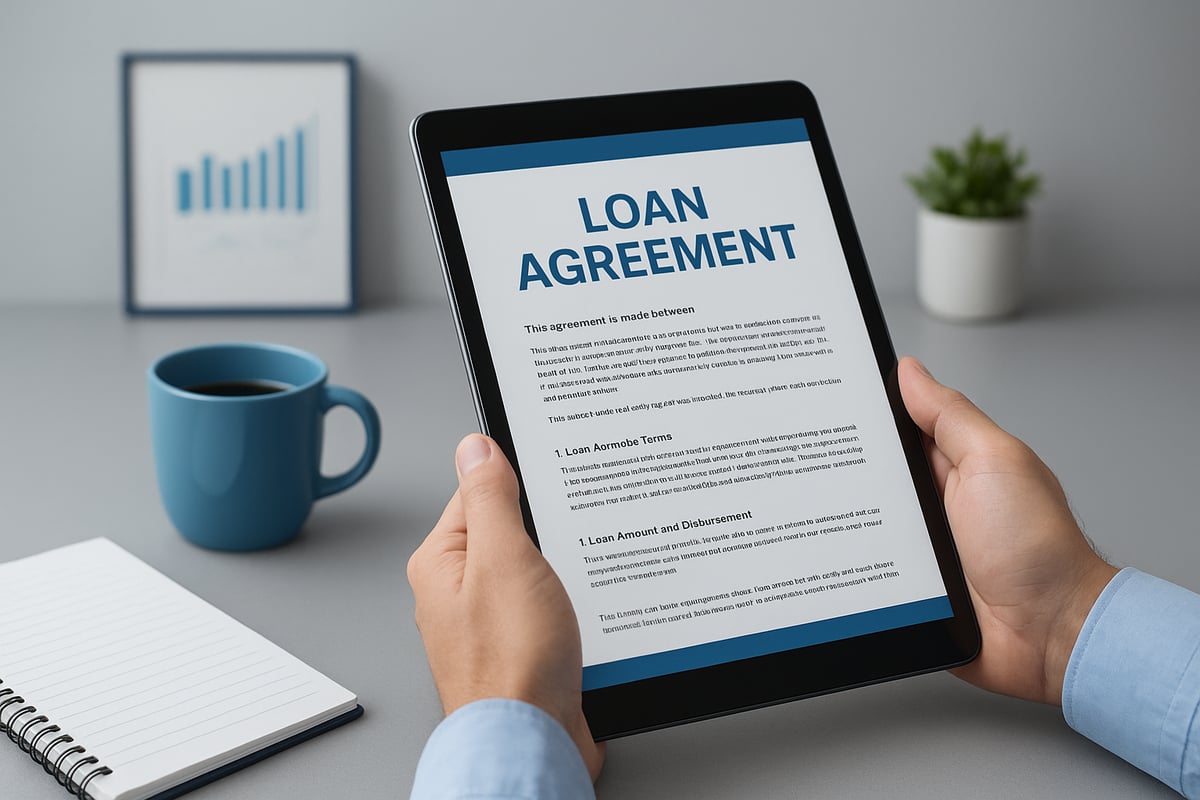
A consumption loan is a financial agreement where a lender provides fungible goods or cash to a borrower, who is then obligated to return an equivalent quantity and quality of the same goods or repay the money, usually with interest. This loan type stands apart from secured loans, which require collateral, and from unsecured loans, which may not always cover everyday needs. Common examples include borrowing funds for groceries, emergency repairs, or fuel. Fungible goods, such as grain or gasoline, are interchangeable, making them suitable for this loan structure. Both parties must clearly understand their contractual obligations, especially regarding the timely return or repayment of the loaned resources.
Types of Consumption Loans
There are several types of consumption loans tailored to different needs. Personal loans for consumable goods like food or fuel help individuals manage daily expenses. Short-term cash loans address urgent financial gaps. Borrowers can choose between credit lines, which allow repeated access to funds, and fixed-term consumption loans with set repayment schedules. Digital platforms and mobile apps now make it easier to apply for and manage these loans. In sectors such as agriculture, farmers may borrow feed or seeds, while in construction, builders might secure materials during shortages. For more insights into various lending solutions, readers can explore Loan Options and Types.
How Consumption Loans Work
The process for obtaining a consumption loan typically starts with an application, followed by approval based on eligibility and creditworthiness. Once approved, the lender disburses cash or goods, and the borrower agrees to a repayment schedule, which outlines interest rates and possible penalties for late payments. Unlike secured loans, a consumption loan usually does not require collateral. Loan amounts and durations are often modest and short term, such as borrowing 200 gallons of fuel with the obligation to return the same quality and quantity. This straightforward structure makes it accessible for immediate consumption needs.
Key Features and Benefits
A consumption loan offers significant flexibility, allowing funds or goods to be used for daily living or emergencies. The application process is often fast, with minimal documentation required, making it accessible to borrowers with varying credit histories. Since collateral is not usually needed, more people can qualify for these loans. Additionally, responsible use and timely repayment of a consumption loan can help individuals build or repair their credit profiles. These benefits make consumption loans an attractive choice for those seeking quick, adaptable financial solutions.
Common Use Cases and Real-World Examples
Consumption loans play a vital role in various scenarios. Communities may rely on them for emergency fuel supplies during natural disasters. In agriculture, farmers borrow commodities like oats or feed to bridge seasonal gaps. Construction companies use them to manage material shortages and keep projects on track. Individuals may also turn to a consumption loan to cover unexpected medical bills or educational expenses. Recent data shows a growing demand for flexible personal loans after 2025, highlighting the increasing relevance of this lending option in today’s economy.
Typical Borrower Profiles and Eligibility
The typical consumption loan borrower includes individuals with short-term financial needs, small business owners facing supply chain delays, and households with unpredictable income streams. Eligibility criteria generally require borrowers to meet minimum age and residency standards, demonstrate a regular income, and undergo a basic credit assessment. For instance, a restaurant might secure a consumption loan to purchase food supplies, with the obligation to return equivalent goods or repay the value. This broad eligibility ensures that a wide range of applicants can benefit from the accessibility and practicality of consumption loans.
The Legal Framework: Contracts, Obligations, and State-by-State Differences
Navigating the legal framework of a consumption loan requires a clear understanding of contract structure, the rights and responsibilities of each party, and the impact of state regulations. Both borrowers and lenders must pay close attention to the legal details to ensure a fair and enforceable agreement.

Essential Contract Elements
A legally binding consumption loan contract must be clear and comprehensive. The agreement should specify the quantity and quality of goods or funds lent, the repayment timeline, and the method of return or repayment. Both parties should explicitly agree on these terms in writing.
For example, a contract might state:
The borrower shall return 200 gallons of diesel fuel of equivalent grade within 60 days of disbursement.
Key elements include:
- Clear identification of borrower and lender
- Description of goods or funds involved
- Repayment or return schedule
- Penalties for non-compliance
A well-drafted consumption loan contract helps prevent future disputes and protects both parties.
Obligations and Rights of Each Party
In a consumption loan, the lender has a right to receive the equivalent value or quantity of the goods lent, not necessarily the exact same items. The borrower is obligated to return this equivalent within the agreed timeframe.
If a borrower fails to meet these terms, the lender may seek remedies such as late fees or legal action. Dispute resolution clauses, like arbitration or mediation, are often included in contracts to address potential conflicts.
For example, if a borrower does not return borrowed fuel on time, the contract should outline the steps for resolution and any penalties applied. Both parties must understand their roles and adhere to the agreement for a successful consumption loan transaction.
State-by-State Legal Variations
Legal requirements for a consumption loan can vary widely across the United States. Some states, like California, have robust consumer protection laws and mandate specific disclosures in loan agreements. Texas, on the other hand, may require detailed documentation on the return of goods and impose unique borrower protections.
It is crucial to review local statutes before entering into a consumption loan. Recent regulatory updates, such as those outlined in the Consumer Financial Protection Bureau’s Final Rule on Small Dollar Lending, have enhanced oversight and consumer protections for small-dollar and short-term loans. These changes can affect contract terms, interest rate limits, and lender obligations.
Consulting state-specific guidelines helps ensure compliance and reduces the risk of legal complications.
Comparison With Related Loan Types
A consumption loan differs from other loan types, such as loans for exchange or secured loans. In a consumption loan, the borrower is expected to return equivalent goods or funds, not the exact item borrowed.
| Loan Type | Collateral Required | Return Item | Risk Level |
|---|---|---|---|
| Consumption Loan | No | Equivalent | Moderate |
| Secured Loan | Yes | Exact | Lower |
| Loan for Exchange | Sometimes | Exact | Varies |
Understanding these distinctions helps both parties assess risk and choose the right loan structure. For instance, a consumption loan is typically unsecured, making it more flexible but potentially riskier for the lender.
Common Misunderstandings and Legal Pitfalls
Many borrowers mistakenly believe any personal loan can be classified as a consumption loan. In reality, only loans involving fungible goods or funds qualify. Another common error is assuming the borrower can keep the goods indefinitely. Contracts must specify when and how the equivalent must be returned.
Legal pitfalls include:
- Vague or incomplete contracts
- Lack of documentation
- Failure to specify quality or quantity of goods
To avoid disputes, use clear language, document every step, and ensure both parties fully understand the agreement before signing.
Documentation and Legal Resources
Proper documentation is vital for every consumption loan. Use standardized legal forms tailored to your state to ensure all requirements are met. Resources such as US Legal Forms and local legal aid organizations offer templates and guidance for drafting enforceable contracts.
Keep copies of all agreements, correspondence, and payment records. If legal questions arise, consult with a qualified attorney who understands consumption loan regulations in your area.
By following best practices and leveraging available resources, both borrowers and lenders can safeguard their interests and minimize legal risk.
The 2026 Consumption Loan Landscape: Trends, Data, and Innovations
The consumption loan market is evolving rapidly as we approach 2026. Borrowers and lenders alike are navigating a landscape shaped by digital innovation, regulatory changes, and shifting consumer needs. Understanding these trends is crucial for making informed decisions in the coming years.
Market Trends and Growth Drivers
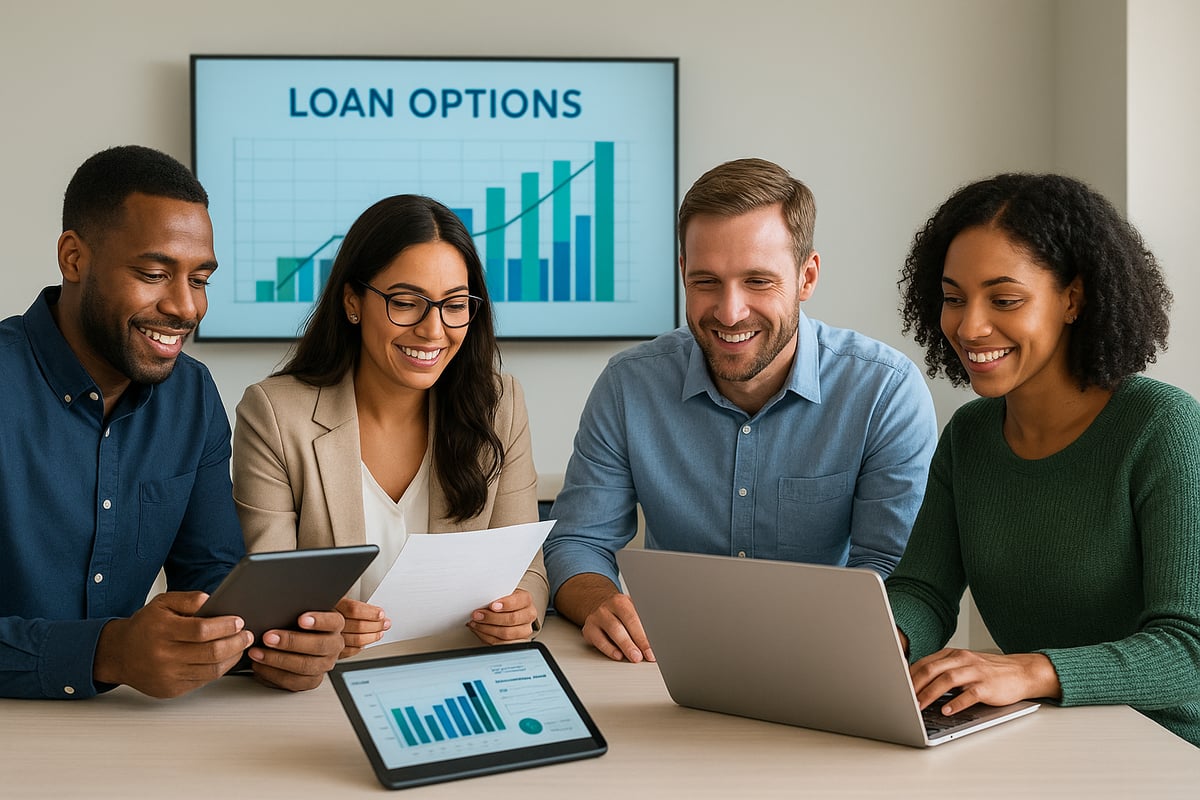
The consumption loan sector is experiencing significant growth driven by increased demand for flexible financing after the pandemic. Digital transformation is at the core, with more borrowers turning to app-based and online platforms for instant approval and transparent terms.
Borrower demographics are shifting, with younger adults and gig economy workers seeking tailored solutions. According to the TransUnion 2026 Consumer Credit Forecast, non-collateralized loans are on the rise, and delinquency rates are being closely monitored. These trends highlight the importance of adapting to evolving borrower expectations in the consumption loan market.
Regulatory Changes and Consumer Protections
Recent years have brought important regulatory updates for the consumption loan industry. Both state and federal authorities are strengthening oversight to ensure fair lending practices and to protect consumers from predatory terms.
Enhanced disclosure requirements, clearer contract language, and streamlined complaint processes are now standard. Lenders must adapt to these changes, while borrowers benefit from improved transparency and recourse options. As the consumption loan landscape matures, staying informed about new rules is essential for compliance and consumer confidence.
Technological Innovations in Lending
Technology is reshaping the consumption loan experience in 2026. Artificial intelligence enables deeper credit assessments by analyzing alternative data, making loans accessible to a broader audience. Blockchain technology is being used for contract automation and greater transparency, reducing disputes and administrative costs.
Mobile-first platforms are now the norm, allowing borrowers to apply, track, and manage their consumption loan directly from their devices. These innovations improve efficiency and security, helping both lenders and borrowers navigate the modern financial ecosystem with confidence.
Economic and Social Impacts
Consumption loan products play a vital role in promoting financial inclusion and supporting small businesses. For many underserved communities, access to short-term loans can mean the difference between business continuity and disruption during emergencies.
These loans also cushion households facing irregular income streams, especially for medical or educational needs. As more people turn to consumption loan options, the sector helps build economic resilience and supports growth in local economies, particularly in times of uncertainty and rapid change.
Risks and Challenges in 2026
Despite their benefits, consumption loan products come with risks. Rising interest rates and inflation may increase repayment burdens for borrowers. There is also a growing concern about over-borrowing, which can lead to cycles of debt and financial instability.
Digital lending platforms face heightened risks from fraud and cybersecurity threats, requiring robust safeguards. Lenders must also navigate complex regulatory requirements to avoid penalties. Staying vigilant and proactive is key to managing these challenges in the dynamic consumption loan market.
Future Outlook and Predictions
Looking ahead, the consumption loan industry is expected to focus on sustainable lending and green finance options. Technological advancements will continue, with smarter AI models and more automated processes improving both risk assessment and user experience.
Borrowers will seek greater personalization and transparency, while regulators may introduce new standards to keep pace with innovation. The market size for consumption loan products is projected to grow steadily, with increased competition and evolving consumer needs shaping the path forward into 2026.
Step-by-Step Guide: How to Apply for a Consumption Loan in 2026
Applying for a consumption loan in 2026 is a structured process designed for clarity and speed. Whether you need quick access to funds or goods, following each step carefully will help ensure a smooth borrowing experience. Let’s walk through the essential steps so you can secure the right consumption loan for your needs.
Step 1: Assess Your Needs and Loan Type
Start by identifying why you need a consumption loan. Are you covering emergency expenses, daily necessities, or a temporary cash shortfall? Pinpointing your exact purpose will help you choose between a fixed-term consumption loan and a revolving credit line.
Next, estimate how much you need to borrow and consider your ability to repay on time. For example, a small restaurant might need a commodity loan for food supplies, while a family may prefer a short-term cash loan for medical bills.
Here’s a quick comparison to guide your choice:
| Loan Type | Best For | Repayment Style |
|---|---|---|
| Fixed-term | One-time needs | Lump sum |
| Revolving credit | Ongoing expenses | Flexible |
Careful assessment at this stage sets the foundation for a successful consumption loan experience.
Step 2: Research Lenders and Loan Offers
Once you know your needs, compare a variety of lenders. Look at banks, credit unions, online lenders, and fintech platforms that offer consumption loan products.
Check for transparent interest rates, clear terms, and minimal fees. Use online comparison websites and read customer reviews to evaluate each lender’s reputation. It is wise to verify lender credentials and licensing for safety.
For example, you might find a digital lender offering instant approval or a credit union with lower rates. Researching thoroughly helps you avoid surprises and select the best consumption loan option.
Step 3: Prepare Documentation and Meet Eligibility Requirements
Every consumption loan application requires certain documents. Gather proof of identity, income, and residency. Some lenders might request additional paperwork, such as proof of need or a recent credit report.
Eligibility criteria often include:
- Minimum age (usually 18+)
- Proof of residency
- Minimum income threshold
- Satisfactory credit assessment
Prepare a checklist to organize your paperwork:
- Government-issued photo ID
- Recent pay stubs or bank statements
- Utility bill or lease agreement
Having these documents ready speeds up your consumption loan application process and reduces approval delays.
Step 4: Submit Your Application
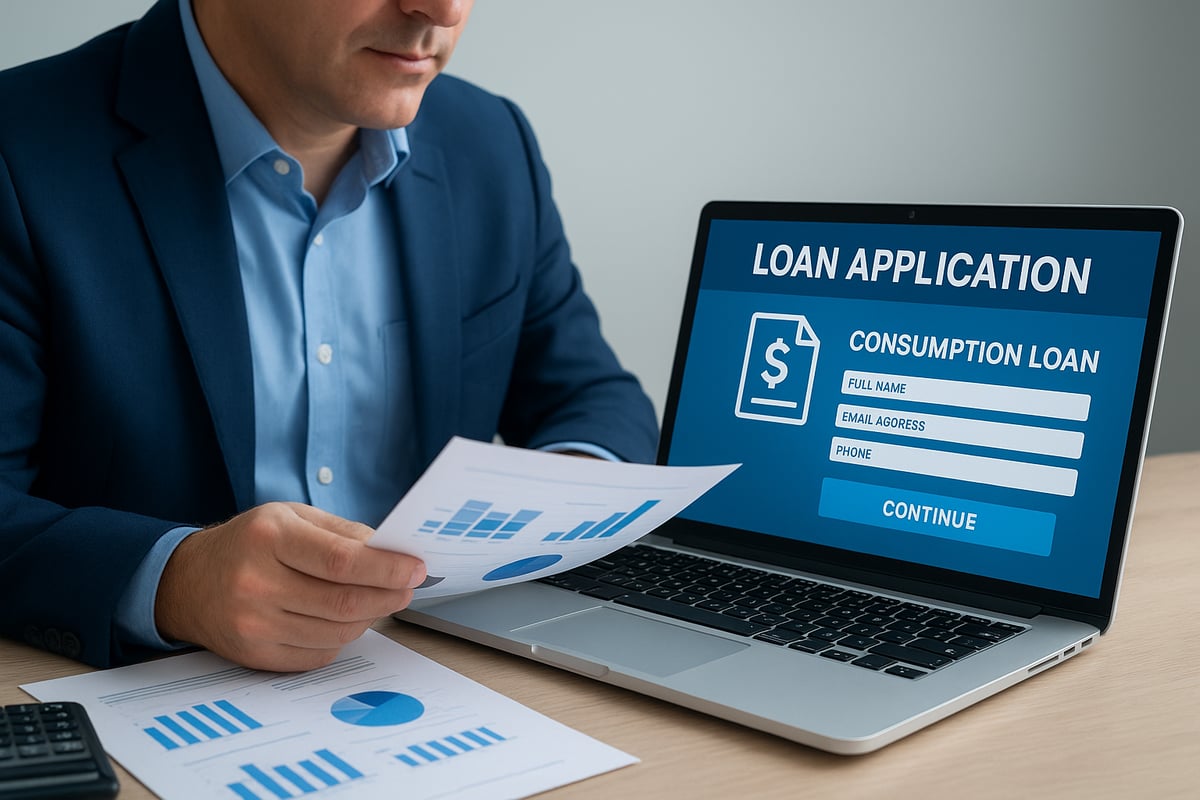
Submit your consumption loan application online, in-branch, or via a mobile app, depending on the lender’s platform. Input all information accurately to prevent processing delays.
Most lenders in 2026 offer fast approval, sometimes in minutes for digital applications. After submission, you may receive a confirmation email or app notification. For more detailed guidance, see How to Apply for a Loan, which offers a step-by-step overview tailored to modern loan products.
After applying, monitor your email or app for status updates and be ready to respond to any follow-up requests.
Step 5: Review and Sign the Loan Agreement
Carefully read the entire loan agreement before signing. Make sure you understand the repayment schedule, interest rate, fees, and any penalties for late payment.
Pay special attention to clauses about the return of goods or repayment of equivalent value, which are unique to consumption loans. Double-check the following contract sections:
- Total repayment amount
- Loan term and due dates
- Penalty and default clauses
Never sign a consumption loan contract if any terms are unclear. Ask questions to resolve doubts and keep a signed copy for your records.
Step 6: Receive Funds or Goods and Manage Repayment
After approval, you will receive the funds, goods, or commodities—often via digital transfer for cash, or direct delivery for goods. Set up reminders or automatic payments to ensure you meet all repayment deadlines for your consumption loan.
Responsible management includes:
- Tracking payment due dates
- Budgeting for repayments
- Using digital tools or apps for payment automation
For example, many platforms in 2026 offer budgeting features to help you stay on track. By managing your consumption loan responsibly, you protect your credit and financial health.
Key Considerations and Best Practices for Borrowers and Lenders
Navigating the world of consumption loan options requires both knowledge and vigilance. By understanding the following key considerations, borrowers and lenders can make confident, informed choices in 2026.
Evaluating the True Cost of a Consumption Loan
Understanding the full expense of a consumption loan is essential. Always calculate the total repayment amount, including interest rates, origination fees, and any potential penalties for late payment.
A simple cost breakdown for a $5,000 consumption loan might look like this:
| Item | Amount ($) |
|---|---|
| Principal | 5,000 |
| Interest (8%) | 400 |
| Origination Fee | 50 |
| Total Repayment | 5,450 |
Hidden charges sometimes appear in the fine print, so compare multiple offers and ask questions about any unclear fees. For more on current debt and credit trends that may impact your decision, see Experian’s 2026 Financial Trends Analysis.
Managing Repayment and Avoiding Default
Staying on top of repayment is crucial for any consumption loan. Set up automatic payments or calendar reminders so you never miss a deadline.
If your financial situation changes, communicate with your lender promptly. Many lenders offer grace periods or restructuring options for borrowers facing difficulty. Missing payments can lead to additional fees and negatively affect your credit score, so proactive management is vital.
Grace periods and flexible repayment plans can help prevent default. Always review these options before accepting a consumption loan.
Protecting Yourself: Legal and Financial Safeguards
A clear, written agreement safeguards both parties in a consumption loan. Keep thorough records of all transactions, communications, and receipts.
Familiarize yourself with your legal rights under both state and federal law. If you’re unsure about any terms, seek advice from a legal professional. Written documentation helps prevent misunderstandings and supports your case if disputes arise.
Knowing when to consult an attorney can make the difference between a smooth borrowing experience and costly legal trouble. Never sign a contract you do not fully understand when entering a consumption loan.
For Lenders: Mitigating Risk and Ensuring Compliance
Lenders must balance opportunity with risk when offering a consumption loan. Conduct thorough borrower assessments, including credit checks and verification of income.
Standardized contracts help ensure legal compliance. Staying updated on regulatory changes is crucial, especially as state and federal requirements evolve. Fraud prevention measures, such as identity verification, protect both the lender and the borrower.
To further understand how reputable lenders maintain compliance and transparency, review About Standard Financial for industry best practices.
Navigating State-Specific Rules and Regulations
Every state has unique laws affecting a consumption loan. Before signing, identify any regulations that may impact your agreement, such as maximum interest rates or required disclosures.
Adjust your contract to meet local requirements. Reliable resources include state government websites and legal aid organizations. Staying informed helps both borrowers and lenders avoid costly mistakes.
Borrower protections can vary widely, so always verify your rights and responsibilities in your state before proceeding with a consumption loan.
Common Mistakes to Avoid
Over-borrowing is a frequent pitfall with any consumption loan. Only borrow what you can confidently repay. Reading and understanding every contract term is non-negotiable.
Failing to document agreements can lead to disputes or legal consequences. Consider this case: a borrower accepts a vague contract, later faces unexpected fees, and struggles to prove their case in court.
Avoid these mistakes by practicing due diligence at every step of the consumption loan process.
You’ve seen how understanding consumption loans can empower you to make smarter borrowing decisions, especially as we head into 2026’s dynamic financial landscape. Whether you’re planning for a home upgrade, covering medical bills, or navigating unexpected expenses, having flexible loan options—even with past credit challenges—can make a real difference. At Standard Financial, we’re committed to helping you find financing that fits your unique needs, with straightforward guidance and support every step of the way. If you’re ready to take control of your financial future, Apply For A Loan Today.




No comment yet, add your voice below!