

Finding the right financing solution can transform a challenging financial situation into a manageable one. A consumer loans company specializes in providing personal loans to individuals for various purposes, from unexpected medical bills to planned home improvements. These financial institutions serve as vital resources for millions of Americans who need access to credit for everything from consolidating debt to funding education expenses. Understanding how these companies operate, what products they offer, and how regulatory changes affect borrowers can help you make informed decisions about your financial future.
What Defines a Consumer Loans Company
A consumer loans company is a financial institution that provides unsecured or secured personal loans to individuals rather than businesses. These organizations range from traditional banks and credit unions to specialized finance companies that focus exclusively on consumer lending.
The primary function of these companies is to assess borrower creditworthiness and provide financing based on individual needs and repayment capacity. Unlike mortgage lenders or auto finance companies that specialize in specific collateral types, a consumer loans company typically offers flexible financing options for multiple purposes.
Core Services and Product Offerings
Consumer lending institutions provide several distinct loan categories:
- Personal installment loans with fixed monthly payments over predetermined terms
- Home improvement financing for renovations, repairs, and upgrades
- Medical expense loans to cover healthcare costs not addressed by insurance
- Educational financing for tuition, books, and related academic expenses
- Debt consolidation loans combining multiple obligations into single payments
- Emergency expense loans for unexpected financial needs
Each product type comes with specific terms, interest rates, and repayment schedules tailored to the loan purpose and borrower profile. The flexibility in loan structuring distinguishes consumer lending from more rigid credit products.

The Consumer Loan Application Process
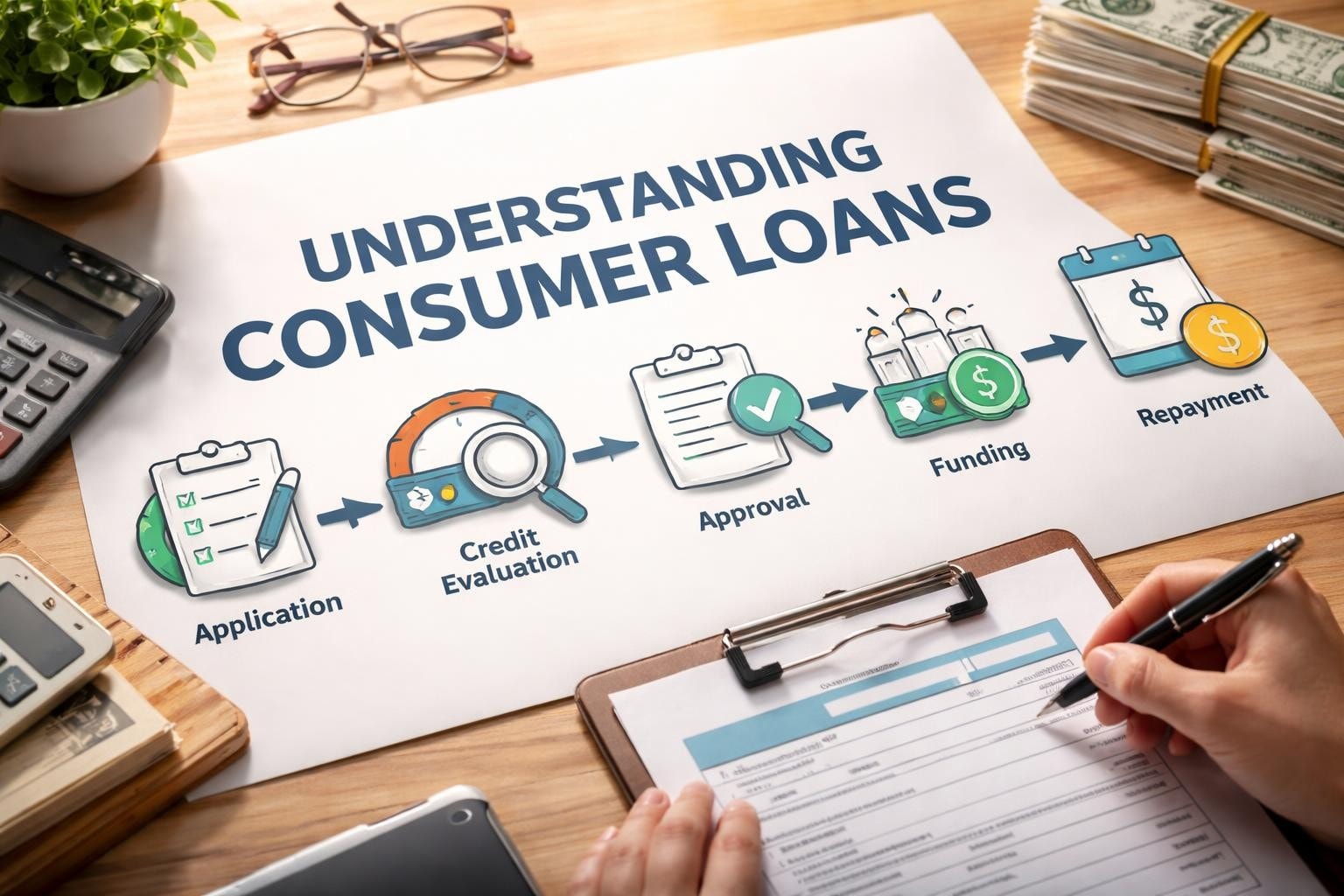
When working with a consumer loans company, borrowers follow a structured application process designed to evaluate creditworthiness while streamlining approval timelines. Modern lending has evolved significantly, with many institutions offering digital applications alongside traditional in-person services.
Documentation Requirements
Applicants typically need to provide several key documents:
- Government-issued identification proving identity and age
- Proof of income through pay stubs, tax returns, or bank statements
- Employment verification confirming job stability and tenure
- Residence information including current address and housing payment details
- Credit authorization allowing the lender to access credit reports
- Reference information for contact purposes during the loan term
The documentation intensity varies based on loan amount, applicant credit profile, and institutional requirements. Some lenders serving borrowers with past credit issues may place greater emphasis on current income stability rather than historical credit performance.
Approval Criteria and Timeline
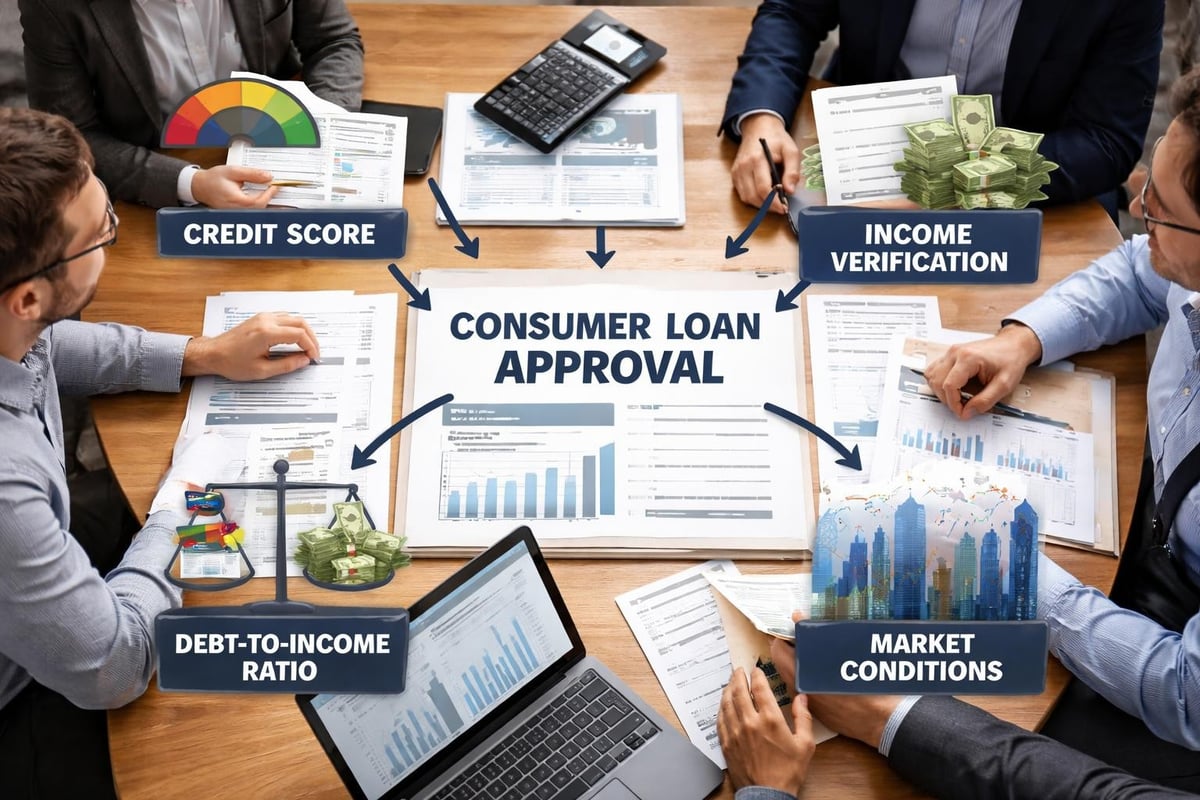
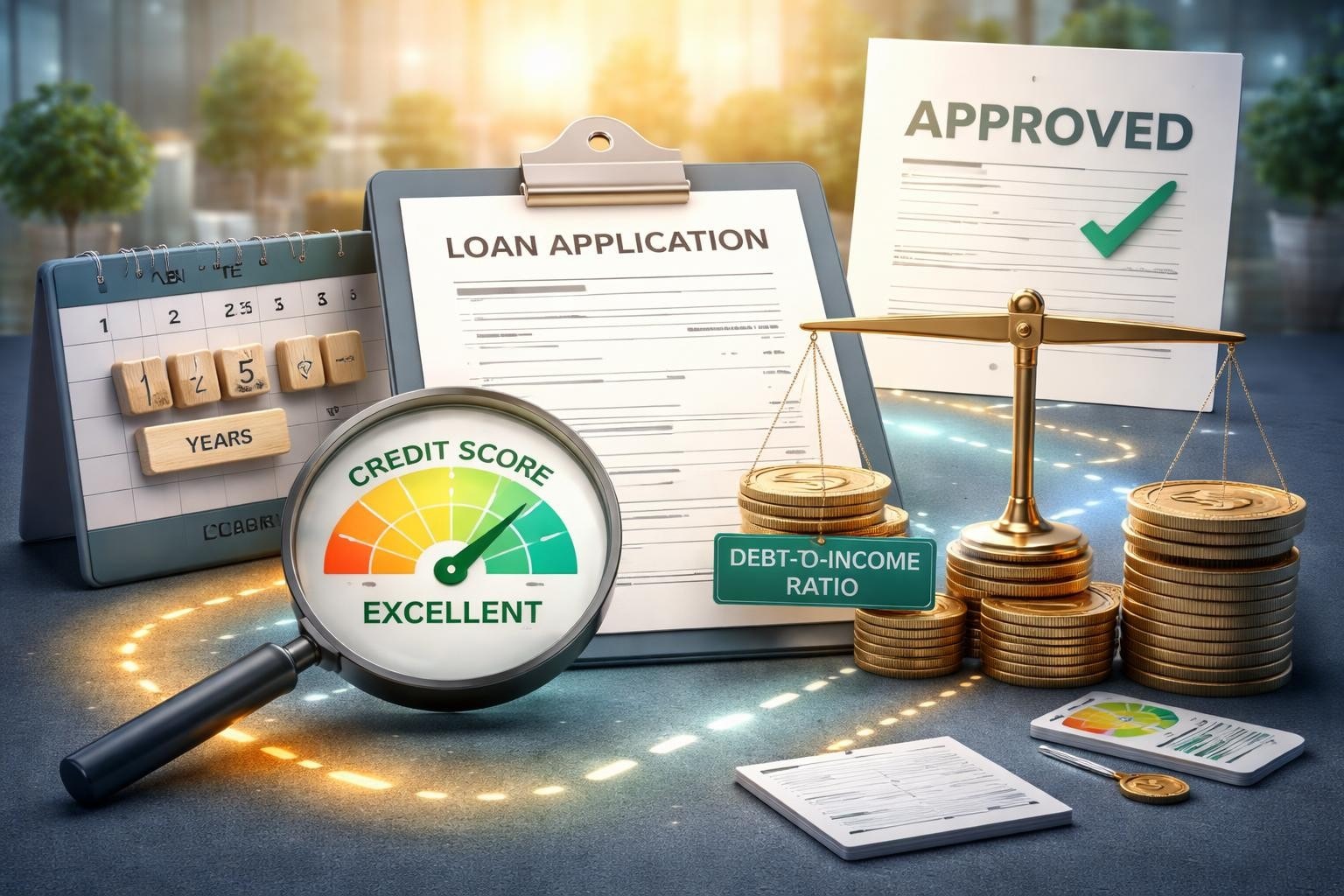
A consumer loans company evaluates multiple factors when making lending decisions. Credit scores remain important, but they represent just one component of the overall assessment. Income verification, debt-to-income ratios, employment history, and existing financial obligations all contribute to approval decisions.
Many institutions now offer same-day or next-day approval decisions, particularly for smaller loan amounts. Larger loans or applications requiring additional verification may take several business days. The regulatory environment governing consumer lending ensures that institutions maintain consistent standards while protecting borrower rights.
| Approval Factor | Weight in Decision | Typical Requirements |
|---|---|---|
| Credit History | High | Score varies by lender; some accept challenged credit |
| Income Verification | Very High | Stable employment, sufficient income for payments |
| Debt-to-Income Ratio | High | Generally below 43%, though varies by lender |
| Employment Stability | Medium | Minimum employment period requirements |
| Loan Purpose | Medium | Clear use case, documentation for specific needs |
Regulatory Framework Affecting Consumer Lending
The consumer lending industry operates within a comprehensive regulatory structure designed to protect borrowers and ensure fair lending practices. Recent developments have significantly shaped how a consumer loans company conducts business in 2026.
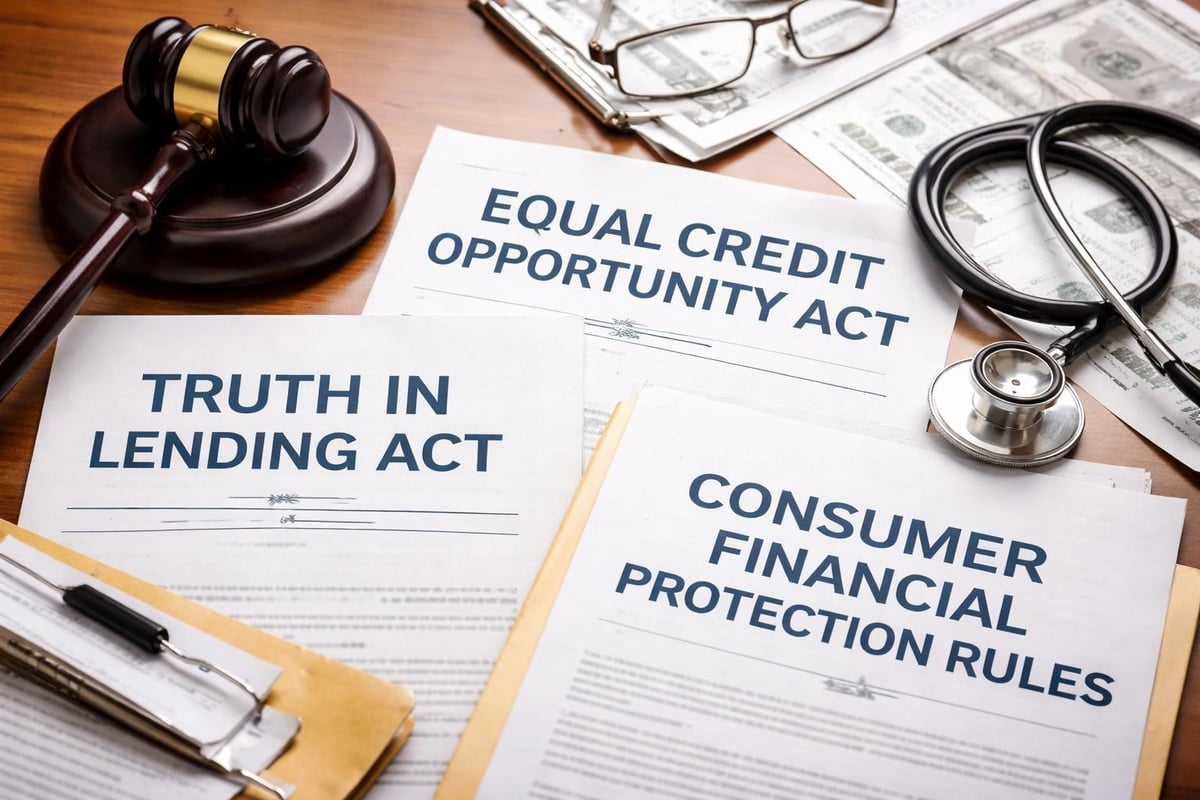
Truth in Lending Act Compliance
Federal regulations require transparent disclosure of loan terms, interest rates, and total costs. The 2026 dollar thresholds for consumer credit transactions establish specific requirements for lenders, ensuring borrowers receive clear information about their financial obligations.
These regulations mandate that lenders provide:
- Annual Percentage Rate (APR) calculations including all fees and charges
- Total finance charges over the life of the loan
- Payment schedules showing exactly when payments are due
- Prepayment terms explaining any penalties or benefits for early repayment
- Late payment consequences detailing fees and potential credit impacts
Equal Credit Opportunity Act Protections
The Equal Credit Opportunity Act prohibits discrimination in lending based on race, color, religion, national origin, sex, marital status, age, or receipt of public assistance. A consumer loans company must evaluate applications based solely on financial factors, ensuring fair access to credit across all demographic groups.
This legislation has proven particularly important for borrowers who may have faced historical barriers to credit access. Lenders must demonstrate that denial reasons relate exclusively to creditworthiness factors rather than protected characteristics.
Recent Industry Developments and Trends
The consumer lending landscape continues evolving rapidly, with technological advancements and regulatory changes reshaping how institutions serve borrowers. Understanding these trends helps consumers navigate their financing options more effectively.
Medical Debt and Credit Scoring Changes
A significant development affecting borrowers came when the CFPB prohibited lenders from using unpaid medical bills in credit evaluations. This rule change removes a major barrier for consumers whose credit scores suffered due to healthcare expenses, potentially opening lending opportunities for thousands of Americans who previously faced denials based on medical debt.
For a consumer loans company, this regulatory shift means reevaluating how medical expenses factor into creditworthiness assessments. Borrowers seeking loans for medical procedures or to consolidate healthcare debt may find improved access to financing.
Digital Lending Platform Adoption
Consumer lending statistics reveal that digital channels have become the preferred application method for most borrowers. Mobile applications, online portals, and automated decision systems have streamlined processes that once required multiple in-person visits.
The benefits of digital lending include:
- Faster application processing with automated data verification
- 24/7 accessibility allowing applications outside traditional business hours
- Reduced paperwork through electronic document submission
- Real-time status updates keeping borrowers informed throughout the process
- Comparison tools helping borrowers evaluate different loan options
Despite digital growth, many consumers still value the personal relationship and guidance available through branch offices, particularly when navigating complex financial situations or addressing past credit challenges.
Buy Now, Pay Later Integration
The consumer lending industry has watched the rapid growth of Buy Now, Pay Later (BNPL) services. Recent CFPB rules requiring BNPL companies to follow traditional credit card protections bring these products under similar regulatory oversight as established loan products.
Additionally, FICO’s incorporation of BNPL loans into credit scoring means these payment plans now affect consumer credit profiles. This integration creates new considerations for borrowers managing multiple credit products.
Interest Rate Environment and Lending Standards
The broader economic environment significantly influences how a consumer loans company structures loan products and evaluates applications. Interest rate fluctuations, inflation concerns, and banking sector health all impact consumer lending accessibility.
Current Lending Climate
Recent reports indicate that U.S. banks have begun easing lending standards, potentially improving access to credit for consumers. This shift follows a period of tightened requirements during economic uncertainty, suggesting opportunities for borrowers who may have previously faced challenges securing financing.
However, key trends affecting consumer lending include continued vigilance around default risks and careful balance between access and responsible lending practices. A consumer loans company must maintain sustainable underwriting standards while serving diverse borrower needs.
Rate Structure Considerations
Interest rates on consumer loans vary significantly based on multiple factors:
| Rate Factor | Impact Level | Typical Range Effect |
|---|---|---|
| Credit Score | Very High | 5-15 percentage point spread |
| Loan Term Length | Medium | Longer terms may carry higher rates |
| Secured vs. Unsecured | High | Secured loans typically 2-5 points lower |
| Loan Amount | Low-Medium | Larger loans may qualify for better rates |
| Market Conditions | High | Federal rate changes directly impact pricing |
Understanding these factors helps borrowers identify strategies to secure the most favorable terms possible. Working with a consumer loans company that offers rate transparency and personalized guidance proves valuable when navigating these variables.
Special Considerations for Borrowers with Credit Challenges
Not all consumers have pristine credit histories. Job losses, medical emergencies, divorces, and other life events can create credit challenges that persist for years. A consumer loans company specializing in flexible lending recognizes that past credit issues don't always reflect current financial responsibility.
Alternative Underwriting Approaches
Progressive lenders evaluate factors beyond traditional credit scores:
- Current employment stability demonstrating reliable income
- Recent payment history on existing obligations
- Banking relationship patterns showing responsible account management
- Down payments or collateral reducing lender risk
- Co-signers or guarantors providing additional assurance
These alternative approaches create pathways to credit for borrowers rebuilding their financial standing. The key lies in demonstrating current financial capacity and commitment to meeting loan obligations.
Credit Rebuilding Through Installment Loans
Successfully managing a consumer installment loan can positively impact credit scores over time. Regular, on-time payments demonstrate creditworthiness to future lenders while reducing overall debt burden when used for consolidation purposes.
Borrowers should consider:
- Setting up automatic payments to ensure consistent on-time payment history
- Choosing realistic loan amounts that fit comfortably within monthly budgets
- Avoiding additional credit obligations during the initial loan period
- Monitoring credit reports to verify accurate payment reporting
- Communicating with lenders if financial difficulties arise
A consumer loans company invested in client success often provides resources and guidance to help borrowers maximize the credit-building benefits of their loans.
Choosing the Right Consumer Lending Partner
Selecting a consumer loans company requires careful evaluation of several factors beyond just interest rates. The right lending partner provides transparent terms, responsive service, and genuine commitment to borrower success.
Key Evaluation Criteria
Reputation and Stability: Established lenders with strong community presence often provide more consistent service and clearer communication than newer, less proven entities. Regional institutions with multiple branch locations typically demonstrate commitment to their service areas.
Product Flexibility: The best lenders offer multiple loan products tailored to different needs rather than one-size-fits-all solutions. This flexibility ensures borrowers can find financing structures that truly match their circumstances.
Customer Service Quality: Responsive communication, knowledgeable staff, and willingness to explain terms thoroughly distinguish superior lenders. The ability to speak with actual people rather than navigating endless automated systems matters significantly when questions or issues arise.
Transparent Fee Structure: Hidden fees and unclear terms create financial surprises. Quality lenders provide upfront disclosure of all costs, including origination fees, prepayment penalties, and late payment charges.
Questions to Ask Potential Lenders
Before committing to a loan, borrowers should obtain clear answers to essential questions:
- What is the total cost of the loan including all fees and interest?
- Are there prepayment penalties if I pay off the loan early?
- What happens if I miss a payment or need to modify my payment schedule?
- How long does the approval process typically take?
- What credit score range do you typically work with?
- Do you report payments to all three major credit bureaus?
- What documents will I need to provide during application?
- Are there any balloon payments or variable rate components?
The willingness of a consumer loans company to answer these questions thoroughly and patiently indicates their commitment to transparent lending practices.
Geographic Considerations in Consumer Lending
Consumer lending regulations and market dynamics vary somewhat by state, affecting product availability and terms. A consumer loans company operating across multiple states must navigate varying regulatory requirements while maintaining consistent service quality.
Regional Market Characteristics
States like Louisiana, Mississippi, Tennessee, and Georgia each maintain specific consumer protection laws that may affect lending terms, maximum interest rates, and disclosure requirements. Understanding these regional nuances helps borrowers appreciate why loan terms might vary based on their location.
Regional economic conditions also influence lending availability. Areas with strong employment growth and economic stability may see more competitive lending rates, while regions facing economic challenges might experience tighter lending standards.
Branch Network Advantages
Multi-location lenders with physical branch presence offer distinct advantages:
- Face-to-face consultations for borrowers preferring personal interaction
- Local market knowledge understanding regional economic conditions
- Relationship continuity allowing ongoing borrower-lender relationships
- Community investment demonstrating commitment to regional prosperity
- Accessibility for borrowers without reliable internet access or those preferring traditional banking
The combination of digital convenience and physical accessibility creates optimal flexibility for diverse borrower preferences and needs.
Loan Purpose Planning and Documentation
Different loan purposes require varying approaches to application preparation and documentation. A consumer loans company typically requests purpose-specific information to ensure appropriate loan structuring.
Home Improvement Loans
Renovation and repair financing may require:
- Contractor estimates or bids for planned work
- Property ownership documentation
- Home value assessments
- Detailed project descriptions
- Timeline expectations for completion
These loans often qualify for favorable terms since they typically increase property value and represent tangible asset improvements.
Medical Expense Financing
Healthcare-related loans might need:
- Itemized treatment cost estimates
- Insurance coverage explanations
- Provider payment plan information
- Documentation of medical necessity
- Expected treatment timelines
With recent changes to how medical debt affects credit, a consumer loans company may offer more flexible terms for healthcare financing than previously available.
Educational Loan Considerations
Education-related consumer loans differ from federal student loans and may require:
- School enrollment verification
- Course or program cost breakdown
- Expected graduation or completion dates
- Career outcome projections
- Explanation of why federal options are insufficient
These loans fill gaps when federal student aid doesn't cover full educational costs or when borrowers pursue non-traditional educational programs.
| Loan Purpose | Typical Documentation | Average Term Length | Special Considerations |
|---|---|---|---|
| Home Improvement | Contractor estimates, property docs | 3-7 years | May increase home value |
| Medical Expenses | Treatment estimates, insurance info | 2-5 years | Recent regulatory changes beneficial |
| Education | Enrollment proof, cost breakdown | 3-10 years | Different from federal student loans |
| Debt Consolidation | Current debt statements | 3-7 years | Should reduce overall interest costs |
| Emergency Needs | Varies by situation | 1-5 years | Faster approval often available |
Navigating the consumer lending landscape requires understanding product options, regulatory protections, and current market conditions that affect loan availability and terms. Whether you're facing unexpected medical expenses, planning home improvements, or consolidating existing debt, finding the right financing partner makes all the difference in achieving your financial goals. Standard Financial offers flexible personal loan solutions across Louisiana, Mississippi, Tennessee, and Georgia, with experienced teams ready to help even if you've faced past credit challenges. Visit a branch location or apply online today to explore how personalized lending solutions can meet your specific needs.





No comment yet, add your voice below!