

Making informed decisions about borrowing requires more than just selecting the first option that appears. A thorough financial product comparison empowers consumers to evaluate multiple lending solutions, understand the true cost of credit, and choose products that align with their unique circumstances. Whether you're considering a personal loan for home improvements, medical expenses, or educational costs, understanding how to compare financial products systematically can save thousands of dollars over the life of a loan and prevent financial stress down the road.
Understanding the Fundamentals of Financial Product Comparison
Financial product comparison involves systematically evaluating multiple lending options across standardized criteria to identify the most suitable solution. This process goes far beyond simply looking at interest rates. Consumers must examine the complete picture of each product, including fees, repayment terms, flexibility options, and the lender's reputation.
Key Components to Evaluate
When conducting a financial product comparison, several critical elements deserve close attention. Interest rates represent the primary cost of borrowing, but they tell only part of the story. The Annual Percentage Rate (APR) provides a more comprehensive view by including both interest and mandatory fees, making it the most reliable metric for comparison purposes.
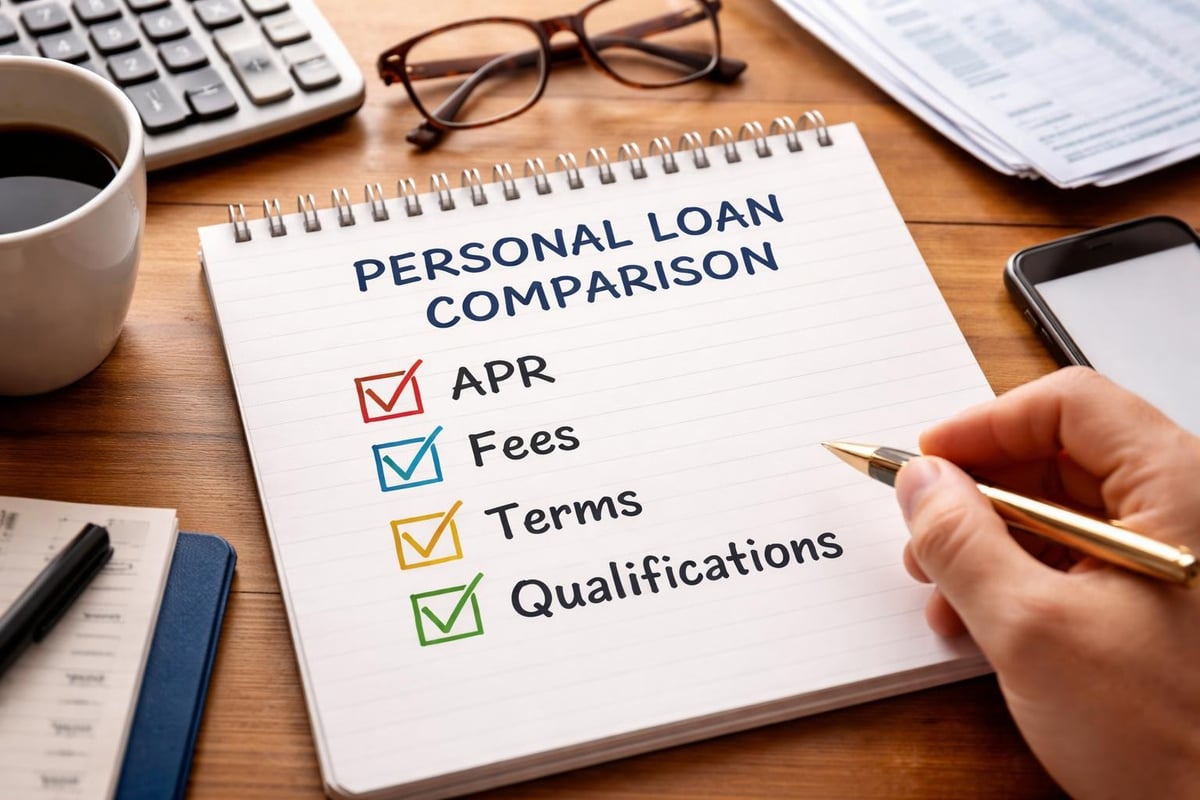
Essential comparison factors include:
- Annual Percentage Rate (APR) and how it's calculated
- Loan term length and its impact on total cost
- Monthly payment amounts and budget compatibility
- Origination fees, application fees, and prepayment penalties
- Qualification requirements and approval likelihood
- Funding speed and disbursement methods
- Customer service quality and accessibility
- Flexibility for refinancing or payment modifications
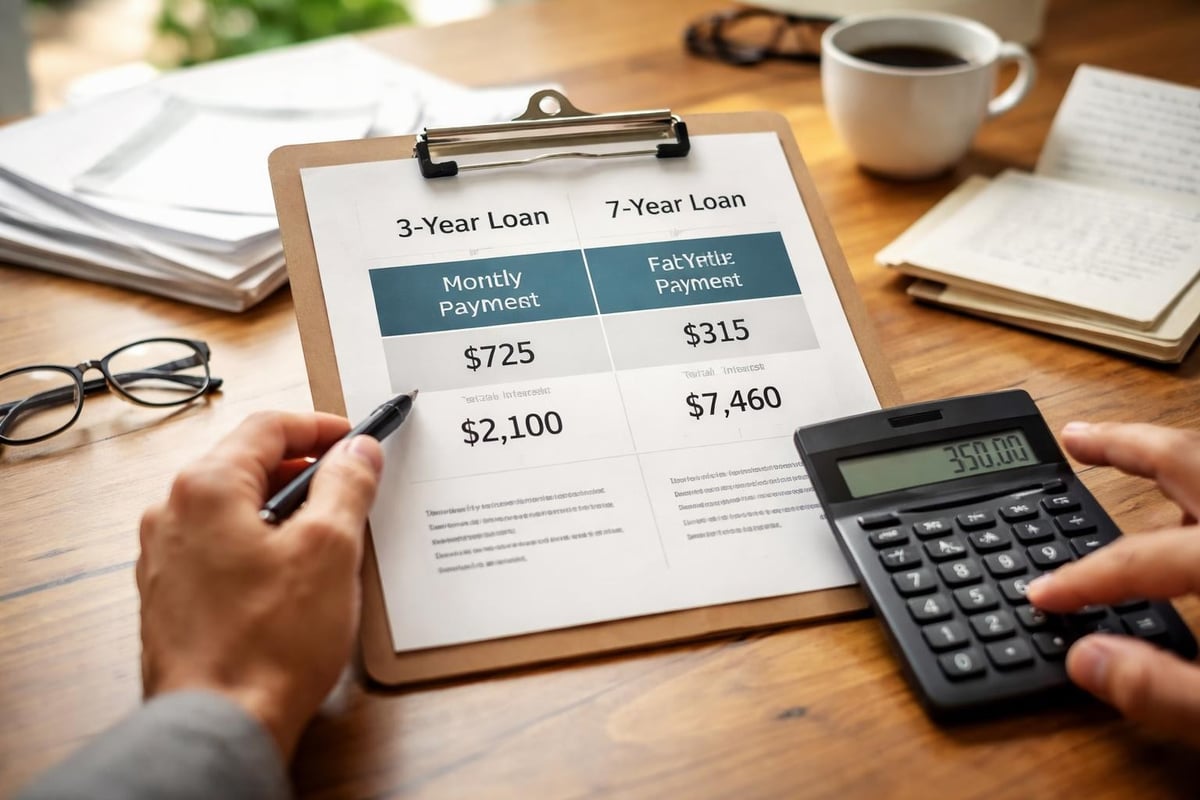
The loan term significantly affects both monthly payments and total interest paid. A longer term reduces monthly obligations but increases the overall cost of borrowing. Conversely, shorter terms mean higher monthly payments but less interest paid over time. Understanding this relationship helps borrowers balance immediate affordability with long-term financial efficiency.
Types of Financial Products Available for Comparison
The consumer lending landscape offers various product types, each designed for specific purposes and circumstances. Understanding these categories helps narrow your financial product comparison to relevant options.
Personal Loan Categories
Personal loans typically fall into several distinct categories based on their purpose and structure. Unsecured personal loans don't require collateral and rely on creditworthiness for approval. These loans offer flexibility for various uses, from consolidating debt to covering unexpected expenses.
Secured personal loans require assets as collateral, which reduces lender risk and often results in lower interest rates. Home improvement loans specifically target property upgrades and may offer favorable terms since they potentially increase home value.
Medical financing products address healthcare costs, offering payment plans for procedures, treatments, or emergencies. Education loans cover tuition, books, and related expenses, though they differ from federal student loans in structure and repayment options.
| Loan Type | Typical APR Range | Common Terms | Collateral Required |
|---|---|---|---|
| Unsecured Personal | 6.99% – 35.99% | 1-7 years | No |
| Secured Personal | 4.99% – 18.99% | 1-10 years | Yes |
| Home Improvement | 5.99% – 25.99% | 2-12 years | Sometimes |
| Medical Financing | 0% – 29.99% | 6 months – 7 years | No |
| Education Loans | 4.99% – 14.99% | 5-15 years | No |
Refinancing Options
Refinancing allows borrowers to replace existing loans with new ones offering better terms. This strategy makes sense when interest rates drop, credit scores improve, or financial circumstances change. Financial comparison sites are here to stay as more consumers recognize the value of evaluating refinancing opportunities alongside new loan products.
When comparing refinancing products, calculate the break-even point where savings exceed any fees charged for the new loan. Consider remaining loan balances, current interest rates, and how long you plan to maintain the debt.
Conducting an Effective Financial Product Comparison
A structured approach to financial product comparison ensures you don't overlook critical details or make decisions based on incomplete information. Following a systematic process reduces confusion and builds confidence in your final choice.
Step-by-Step Comparison Process
- Define your borrowing needs clearly – Determine the exact amount required, preferred repayment timeline, and maximum monthly payment your budget can accommodate
- Research multiple lenders – Gather information from at least five to seven lenders representing different categories (traditional banks, credit unions, online lenders, specialized finance companies)
- Request pre-qualification quotes – Obtain rate estimates without hard credit inquiries that impact your credit score
- Create a comparison spreadsheet – Document all relevant details for each product in a standardized format
- Calculate total costs – Multiply monthly payments by the number of months to determine total repayment amounts
- Evaluate non-financial factors – Consider customer reviews, service quality, and lender reputation
- Verify eligibility requirements – Confirm you meet qualification criteria before submitting formal applications
- Review fine print thoroughly – Examine loan agreements for hidden fees, penalties, or restrictive clauses
Timing matters when conducting a financial product comparison. Rates fluctuate based on economic conditions, and promotional offers expire. Complete your comparison within a concentrated timeframe, ideally two to three weeks, to ensure rate quotes remain valid and relevant.
Common Comparison Mistakes to Avoid
Many borrowers make predictable errors during the financial product comparison process that lead to suboptimal decisions. Focusing exclusively on interest rates while ignoring fees creates an incomplete picture. A loan advertising a low rate may carry substantial origination fees that increase the true cost significantly.
Failing to consider your credit profile realistically wastes time on products where approval is unlikely. Understanding where your credit stands and targeting appropriate lenders increases efficiency and success rates.
Additional pitfalls include:
- Overlooking prepayment penalties that limit future flexibility
- Ignoring the impact of loan terms on total interest paid
- Accepting the first approval without completing comparisons
- Not reading customer reviews about service quality
- Assuming all comparison websites provide unbiased information
- Neglecting to verify lender credentials and licensing
Using Technology and Resources for Comparison
Digital tools have transformed how consumers conduct financial product comparison, making it easier to evaluate multiple options simultaneously. However, understanding the strengths and limitations of these resources ensures effective use.
Online Comparison Platforms
Consumer comparison websites play an increasingly important role in helping borrowers understand their options, though users should recognize potential biases. Many platforms earn commissions from featured lenders, which may influence product placement and recommendations.
Financial services websites should offer product comparisons directly to support customers and build trust, according to industry research. This trend benefits consumers by providing transparent information at the source.
When using financial comparison websites, verify information directly with lenders before making decisions. Rates and terms displayed on third-party sites may not reflect current offerings or your specific qualification circumstances.
Evaluating Information Sources
Not all financial information carries equal credibility. Understanding the differences between scholarly, authoritative, and popular sources helps assess the reliability of comparison data and advice.
Prioritize information from regulated financial institutions, government agencies, and established consumer advocacy organizations. Be cautious with content that seems promotional rather than educational, lacks transparency about sponsorships, or makes unrealistic promises about approval or rates.
Special Considerations for Different Borrower Profiles
Financial product comparison strategies should adapt to individual circumstances, as different borrower profiles face unique challenges and opportunities in the lending marketplace.
Borrowers with Past Credit Issues
Consumers with previous credit challenges often assume limited options exist, but specialized lenders serve this market segment. When conducting a financial product comparison with imperfect credit, focus on lenders experienced with credit rebuilding rather than traditional institutions with strict requirements.
These products typically carry higher interest rates reflecting increased lender risk. However, significant variation exists even within this category, making comparison especially valuable. Some lenders offer rate reductions after establishing positive payment history, providing a path to better terms over time.
Key factors for credit-challenged borrowers:
- Approval likelihood based on specific credit issues
- Opportunities for rate reduction with on-time payments
- Credit reporting practices that support rebuilding
- Flexibility during financial hardships
- Educational resources for credit improvement
First-Time Borrowers
Those new to consumer lending benefit from educational support during the financial product comparison process. Understanding lending terminology, repayment mechanics, and long-term implications prevents costly mistakes.
First-time borrowers should prioritize lenders offering clear explanations, responsive customer service, and straightforward product structures. Complexity often hides unfavorable terms that become apparent only after commitment.
| Borrower Type | Primary Comparison Focus | Secondary Considerations |
|---|---|---|
| Excellent Credit | Lowest APR, best terms | Lender reputation, service quality |
| Good Credit | Competitive rates, flexible terms | Prepayment options, refinancing policies |
| Fair Credit | Reasonable rates, approval likelihood | Credit reporting, improvement opportunities |
| Poor Credit | Approval accessibility, fair pricing | Payment flexibility, educational support |
| First-Time | Clear terms, education | Customer service, simple structure |
Regional and Local Lending Considerations
Geographic location influences financial product comparison due to varying state regulations, regional economic conditions, and local lender availability. Borrowers in Louisiana, Mississippi, Tennessee, and Georgia encounter specific market characteristics affecting their options.
State Regulatory Differences
Each state establishes regulations governing consumer lending, including maximum interest rates, allowable fees, and required disclosures. These rules protect consumers but also affect product availability and pricing. Understanding your state's regulatory environment helps set realistic expectations during financial product comparison.
Some states cap interest rates at levels that exclude certain lenders from operating, potentially limiting options but ensuring consumer protection. Others maintain minimal restrictions, increasing product variety but requiring greater consumer diligence in evaluation.
Benefits of Local Lenders
Regional and community-based lenders often provide advantages overlooked during financial product comparison focused solely on rates. Local institutions understand regional economic conditions, may consider employment with area employers favorably, and offer in-person service through branch networks.
The ability to discuss situations face-to-face, establish ongoing relationships, and access personalized service creates value beyond numerical comparisons. Local lenders may also demonstrate greater flexibility in underwriting, considering circumstances that automated systems at national online lenders might reject.

Making Your Final Decision
After completing a thorough financial product comparison, synthesizing information into a confident decision requires balancing objective data with subjective preferences and circumstances.
Weighing Financial and Non-Financial Factors
Create a decision matrix assigning weights to different comparison criteria based on personal priorities. Financial factors like APR and total cost typically deserve the heaviest weighting, but service quality, flexibility, and convenience hold legitimate value.
Consider scenarios where you might need assistance: payment modifications during hardship, questions about your account, or refinancing opportunities. Lenders offering superior support in these areas provide intangible benefits that numerical comparisons don't capture.
Trusting Your Analysis
After investing time in financial product comparison, trust your systematic evaluation rather than second-guessing based on anxiety or last-minute information. Review your comparison spreadsheet, confirm your top choice aligns with your stated priorities, and proceed confidently.
Document your decision-making process and reasoning. This record proves valuable if you later question your choice or when conducting future financial product comparisons, as you'll understand what factors mattered most to you.
Next Steps After Selection
Once you've selected a product through financial product comparison, gather required documentation before applying formally. Typical requirements include proof of identity, income verification, bank statements, and residence confirmation.
Submit your application during business hours when customer service representatives can assist with questions. Review all documents carefully before signing, ensuring terms match what you compared. Don't hesitate to ask for clarification on any aspect that seems unclear or different from expectations.
Ongoing Product Evaluation
Financial product comparison shouldn't end once you've selected and obtained a loan. Market conditions change, your credit profile improves, and better opportunities emerge. Periodically reassessing your current loan against available alternatives ensures you maintain optimal terms.
Set calendar reminders every six to twelve months to review current market rates and your credit score. If either shows significant favorable movement, conduct a fresh financial product comparison focused on refinancing opportunities. Even small rate reductions can generate substantial savings over remaining loan terms.
Monitor your lender's performance regarding service quality, payment processing, and communication. If problems arise repeatedly, refinancing with a different lender might make sense even without rate improvements, particularly if poor service creates stress or account management difficulties.
Stay informed about financial comparison tools and platforms that continue evolving with new features, better data, and improved user experiences. Technology enhancements make periodic financial product comparison easier and more accurate than when you last borrowed.
Conducting a thorough financial product comparison empowers you to make informed borrowing decisions that support your financial goals while minimizing costs. By evaluating multiple options across comprehensive criteria, you ensure the loan you select truly fits your needs and circumstances. Standard Financial understands that every borrower's situation is unique, which is why we offer flexible financing plans, refinancing options, and various personal loan products across our Louisiana, Mississippi, Tennessee, and Georgia locations, even for clients with past credit challenges. Contact us today to discuss your specific needs and discover how our personalized approach to lending can help you achieve your financial objectives.







No comment yet, add your voice below!