

In 2026, digital consumer lending is revolutionizing how people access credit, making borrowing faster, safer, and more convenient than ever before. This essential guide unpacks the changing landscape, offering clear strategies for borrowers and lenders to excel in a digital-first world. You will discover how digital consumer lending is evolving, which innovations are shaping the market, and what regulatory changes to expect. From streamlining the user experience to managing risk and predicting future trends, this guide provides practical insights to help you harness the full potential of digital consumer lending in the years ahead.
The Evolution of Consumer Lending: From Branches to Digital Platforms
For decades, consumer lending meant visiting a physical bank branch, filling out extensive paperwork, and waiting days or even weeks for approval. Traditional processes relied heavily on manual documentation, face-to-face verification, and in-person signatures. While this approach provided a sense of security, it often resulted in slow approvals, limited accessibility, and increased chances of human error. Many consumers felt frustrated by the lack of transparency and the time-consuming nature of borrowing.
The rise of digital consumer lending marked a turning point for both borrowers and lenders. Technology began reshaping the landscape, introducing online and mobile applications that allowed consumers to initiate loan requests from anywhere at any time. This shift was driven by changing consumer expectations for speed, convenience, and transparency. Lenders, in turn, embraced automation, reducing manual workloads and improving efficiency.
Several factors accelerated the adoption of digital consumer lending. The global pandemic forced banks and credit unions to rethink their service models as remote work surged and physical branches closed or limited access. Consumers required digital solutions that could deliver safe, reliable, and fast lending without in-person interaction. Financial institutions responded by investing in robust online platforms and mobile apps, making digital borrowing the new standard.
The results have been remarkable. U.S. consumer loans reached record highs in 2021, propelled by digital-first lending options. According to a recent Consumer Lending Market Growth report, the global consumer lending market is projected to reach over USD 2 trillion by 2035, underlining the growing preference for digital solutions. However, not all lenders transitioned at the same pace. In 2020, only 66 percent of financial institutions allowed consumers to complete loans fully online, and just 46 percent offered end-to-end digital experiences on mobile devices. This gap highlighted the need for further digital transformation.
Borrowers now expect seamless and fast digital consumer lending experiences. They seek clear communication, real-time updates, and instant decisions. To illustrate the difference, consider the comparison below:
| Step | Manual Loan Process | Digital, Automated Loan Process |
|---|---|---|
| Application | Paper forms in-branch | Online/mobile forms, anytime access |
| Document Verification | Physical copies, manual checks | Automated uploads, instant validation |
| Approval Time | Days to weeks | Minutes to hours |
| Communication | Phone calls, in-person visits | In-app messaging, email notifications |
| Closing | In-branch signing | eSignatures, remote notarization |
This evolution in digital consumer lending has not only improved speed and convenience but also broadened access to credit. Borrowers with non-traditional incomes or limited mobility benefit from inclusive digital solutions. As technology continues to advance, the industry is poised for even greater innovation, ensuring that both lenders and consumers can thrive in a digital-first world.
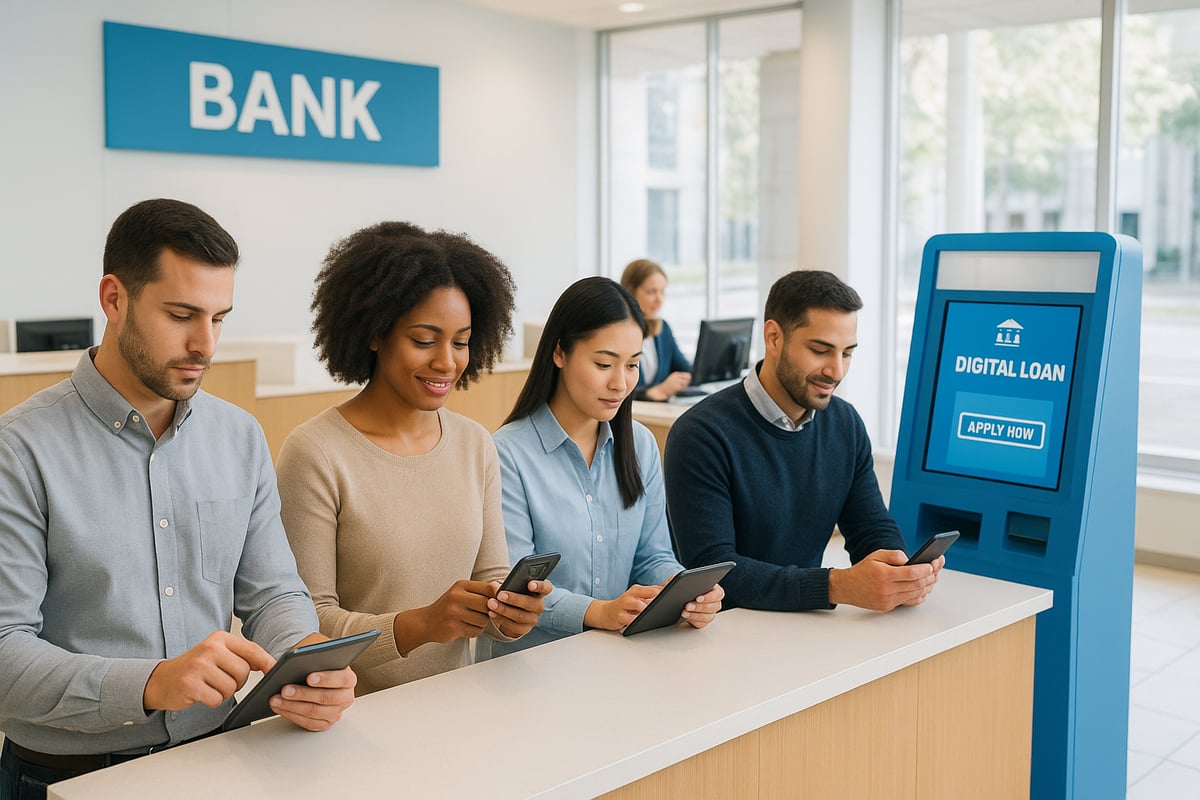
Key Innovations in Digital Consumer Lending for 2026
Digital consumer lending is advancing rapidly in 2026, transforming how borrowers and lenders interact. This evolution is driven by a series of innovations that streamline processes, enhance security, and improve user experiences. Let us explore the key breakthroughs shaping the future of digital consumer lending.

Online Loan Applications and Automation
The foundation of digital consumer lending in 2026 is the complete digitalization of loan origination. Borrowers can now complete the entire process online, from filling out an application to receiving approval, without visiting a branch. Required fields and intelligent data validation minimize manual errors, ensuring that applications are accurate and complete before submission.
Encryption and secure data handling are standard, protecting sensitive information every step of the way. Accessibility is a top priority, allowing applicants to use any device, anywhere, to begin or finish their loan process. Automated eligibility checks and instant pre-approvals have become the norm, drastically reducing wait times.
For those interested in experiencing a fully digital loan journey, the online loan application process demonstrates how technology is making borrowing easier than ever. With digital consumer lending, efficiency and convenience are always within reach.
In-App Messaging and Real-Time Support
Instant communication is now a core expectation in digital consumer lending. Lenders have integrated chatbots and live in-app messaging to provide real-time support throughout the loan process. This reduces delays and ensures that borrowers receive answers as soon as questions arise.
Personalized guidance through digital channels helps applicants clarify documentation requirements or navigate complex steps. The ability to resolve issues immediately improves turnaround times and reduces frustration. Digital consumer lending platforms that offer real-time support are setting new standards for customer service.
eSignatures and Online Notarization
eSignatures and online notarization are pivotal in accelerating digital consumer lending. With eSignature technology, borrowers sign agreements electronically, eliminating paperwork and in-person meetings. Online notarization platforms bring legal compliance to remote document signing, further reducing the need for branch visits.
Security features, such as digital signature tracking and audit trails, ensure each step is verifiable and compliant with regulations. This enables lenders to close loans faster and with more confidence. Digital consumer lending now offers a seamless, paperless process from application to closing.
AI-Powered Underwriting and Decisioning
Artificial intelligence is redefining digital consumer lending by powering underwriting and loan decisioning. Machine learning models assess risk more accurately, using both traditional and alternative data sources for a holistic view of applicants. This results in more personalized loan offers and higher approval rates for qualified borrowers.
Automated document verification and advanced fraud detection improve both speed and security. AI-driven approval processes reduce human bias and streamline every stage of lending. As digital consumer lending matures, AI will continue to be a critical driver of innovation and trust.
Embedded Finance and Third-Party Integrations
Embedded finance is revolutionizing digital consumer lending by placing lending options within non-bank digital platforms, such as e-commerce sites and fintech apps. Partnerships with identity verification, payment, and compliance providers create seamless experiences for users.
API integrations allow borrowers to access loan products directly at the point of need, such as during online shopping or within financial management tools. This approach simplifies user journeys and expands access to credit. Digital consumer lending is now more flexible and integrated than ever before, meeting consumers where they are.
Enhancing the Digital Lending Experience for Consumers
Delivering an exceptional customer journey is now at the heart of digital consumer lending. Modern borrowers expect swift service, transparent terms, and tailored support throughout the lending process. Financial institutions that excel in these areas set themselves apart in a competitive market. Let us explore how the digital consumer lending experience is being transformed for 2026.
Streamlining the Application and Approval Process
The evolution of digital consumer lending has eliminated many traditional bottlenecks. Today’s digital platforms offer simplified interfaces that guide applicants step by step. Many systems now feature pre-filled forms leveraging existing customer data, reducing manual entry and errors.
Instant eligibility checks and transparent requirements allow borrowers to know where they stand in real time. For example, mobile-first applications update users on approval status at each stage, increasing trust and reducing uncertainty.
This streamlined process means digital consumer lending is now more efficient and accessible than ever before.
Personalization and Flexible Financing Options
Borrowers no longer face a one-size-fits-all approach. Digital consumer lending platforms use advanced analytics to tailor loan products to each individual's needs and behaviors. Flexible repayment terms and refinancing options are now standard features for many providers.
By analyzing customer data, lenders can recommend relevant offers, such as loans for home improvements or education. This approach ensures that digital consumer lending aligns with what borrowers truly need.
Personalization is rapidly redefining borrower satisfaction and loyalty in this space.
Security, Privacy, and Trust in Digital Lending
Security and privacy are top priorities for anyone engaging in digital consumer lending. Platforms now employ multi-factor authentication and biometric verification to safeguard applicant data. Compliance with regulations like GDPR and CCPA is a given, and clear disclosure of terms builds trust.
Borrowers benefit from digital identity verification, which significantly reduces fraud risk. Transparent communication about rates, fees, and requirements helps consumers make informed decisions.
Trust is the cornerstone of digital consumer lending, and robust security practices are non-negotiable.
Accessibility and Inclusion: Serving Diverse Borrower Needs
Modern digital consumer lending platforms are designed to serve a broader spectrum of borrowers. Innovative solutions now accommodate individuals with limited or challenged credit histories, offering opportunities previously unavailable.
Multilingual interfaces and ADA-compliant websites make digital consumer lending more inclusive. Lenders are also expanding outreach to underserved communities, including gig workers and those with non-traditional income.
These advancements ensure that digital consumer lending is accessible to all, regardless of background or financial history.
Standard Financial: Personalized Digital Lending for All
Standard Financial exemplifies the commitment to accessible digital consumer lending across Louisiana, Mississippi, Tennessee, and Georgia. The company specializes in supporting borrowers with past credit challenges and offers a wide range of loan types, including refinancing.
Clients benefit from digital consumer lending tools such as online applications, payment portals, and personalized financial assessments. While digital convenience is prioritized, in-person service remains available through 14 regional offices.
For example, Standard Financial assists clients with medical, educational, or home improvement loans, even after financial setbacks.
Regulatory, Compliance, and Security Considerations in 2026
The digital consumer lending landscape in 2026 is shaped by rapid regulatory evolution, advanced security protocols, and a focus on transparency. Both lenders and borrowers must stay ahead of shifting rules and heightened expectations for safety. This section explores the vital considerations that define responsible digital consumer lending today.

Evolving Regulatory Landscape
In the era of digital consumer lending, regulations are continually adapting. Authorities are updating data protection requirements, mandating clear disclosures, and enforcing fair lending practices. Lenders must also navigate cross-border lending, ensuring compliance with global standards.
A prominent trend is the adoption of digital KYC (Know Your Customer) mandates, which streamline identity checks while protecting privacy. The rise of AI-driven compliance tools is transforming how institutions monitor and report, as highlighted in AI’s Role in Lending. These advances make digital consumer lending more efficient while maintaining regulatory rigor.
Identity Verification and Fraud Prevention
As digital consumer lending grows, so does the sophistication of identity verification and fraud prevention. Lenders are deploying advanced tools, such as biometric authentication and digital credentials, to verify applicants' identities.
Layered intelligence models outperform traditional passive methods, offering up to 13 times better fraud detection rates. Continuous monitoring for suspicious activity is now a best practice. For example, synthetic identity fraud is reduced by combining real-time analytics with persistent digital identity solutions, making digital consumer lending safer for all.
Digital Documentation and E-Signature Compliance
Legal standards for digital signatures and remote notarization are now integral to digital consumer lending. Lenders must ensure that e-signed documents meet enforceability criteria and are securely stored.
Comprehensive recordkeeping and audit trails are essential for regulatory scrutiny. Digital platforms track each step of the agreement process, providing transparency and accountability. For instance, securely storing e-signed loan documents ensures that digital consumer lending agreements hold up under legal review and regulatory checks.
Consumer Protection and Transparency
Transparency is at the heart of digital consumer lending. Borrowers expect clear communication about loan terms, fees, and their rights. Lenders are introducing automated disclosure tools within apps, enabling customers to review critical information at every stage.
Dispute resolution features and robust customer support channels are now standard. Ongoing monitoring helps detect and prevent predatory lending practices. In-app notifications and disclosures ensure that digital consumer lending remains fair and trustworthy for all participants.
Data Security and Privacy Best Practices
Protecting sensitive information is a top priority in digital consumer lending. Lenders employ encryption, tokenization, and secure cloud storage to safeguard data. Regular security audits and vulnerability assessments are now industry norms.
Compliance with privacy laws, such as GDPR and CCPA, is essential. Lenders also prepare for data breach response with detailed protocols. By prioritizing these practices, digital consumer lending platforms build trust and resilience in a complex digital environment.
Risk Management, Fraud, and Trust in Digital Lending
Digital consumer lending faces a rapidly evolving risk landscape. As access to credit becomes more digital, fraudsters adapt with new tactics. Identity theft, synthetic identities, and phishing attacks are increasingly common, targeting both borrowers and lenders. These threats not only jeopardize financial assets but also erode trust in digital consumer lending platforms.
New Fraud Risks in Digital Consumer Lending
The migration from in-branch to digital consumer lending introduces unique fraud risks. Attackers use stolen or fabricated data to create synthetic identities, often bypassing traditional verification methods. Phishing schemes can trick users into revealing sensitive information, while malware targets online loan portals. This shift demands an adaptive, multi-pronged risk management approach.
Multi-layered Detection and AI Defense
Modern digital consumer lending platforms now deploy multi-layered fraud detection. These include passive signals, active monitoring, and network intelligence, which, when combined, outperform traditional methods by a significant margin. For example, platforms using multi-signal models report up to 13 times better fraud detection rates. The adoption of artificial intelligence and machine learning has become essential, powering real-time risk scoring and anomaly detection. According to Generative AI Adoption in Lending, 83 percent of financial institutions plan to increase their AI budgets in 2026 to strengthen digital consumer lending security.
Digital Identity and Verification Partnerships
Persistent and reusable digital identities are critical in digital consumer lending. These secure digital credentials help verify borrowers across multiple transactions, reducing the risk of repeated fraud attempts. Lenders increasingly collaborate with third-party verification and compliance partners to bolster their defenses. By integrating biometric authentication, digital credentials, and layered verification, institutions can build a resilient trust framework.
Balancing Privacy and Security
Balancing privacy and security is a top priority for digital consumer lending providers. Many now employ zero-knowledge proofs and verifiable credentials, which confirm identity and eligibility without exposing sensitive data. This technology enables borrowers to maintain privacy while satisfying regulatory requirements. For example, a lender might issue a verifiable credential that proves a borrower's income level without revealing the actual number, enhancing both privacy and trust.
Building Trust and Enhancing the Customer Experience
Effective risk management in digital consumer lending goes beyond fraud prevention. It directly impacts the customer experience and the lender's reputation. Institutions must ensure transparency, fast resolution of concerns, and continuous communication throughout the loan lifecycle. Strategies include proactive alerts, clear disclosures, and personalized support to reassure borrowers. As highlighted in AI Reshaping Lending Experience, AI-driven tools not only detect fraud but also streamline the lending process, creating a more secure and user-friendly environment. Ultimately, trust is cultivated through consistent, secure, and transparent digital interactions.
The Future of Digital Consumer Lending: Trends and Predictions for 2026 and Beyond
The landscape of digital consumer lending is rapidly evolving as we look toward 2026 and beyond. Innovations in technology, data, and regulation are shaping a future where lending is more accessible, secure, and tailored to individual needs.
Embedded Finance and Non-Bank Platforms
A defining trend in digital consumer lending is the growth of embedded finance. Non-bank platforms, such as e-commerce sites and fintech apps, are now offering lending products directly at the point of need. Consumers can apply for loans while shopping online or using a ride-sharing app, streamlining the borrowing experience.
This integration is making digital consumer lending more convenient and accessible than ever. As more industries adopt embedded finance, financial products are moving closer to consumers’ daily lives, reducing friction and opening new opportunities for partnership.
Decentralized Identities, Blockchain, and Digital Trust
Security and trust are paramount in digital consumer lending. The adoption of decentralized identities (DIDs) and verifiable credentials is transforming how individuals prove their identity online. Blockchain technology is also enabling transparent, tamper-resistant records for loan agreements and transactions.
These innovations strengthen digital trust architecture, giving both lenders and borrowers greater confidence in the process. By leveraging decentralized technologies, digital consumer lending platforms can reduce fraud and streamline compliance, paving the way for more secure lending ecosystems.
Alternative Data, Open Banking, and Personalization
The use of alternative data and open banking is unlocking new possibilities for digital consumer lending. Lenders can now assess creditworthiness using a broader range of data, such as utility payments, transaction histories, and even spending behaviors. This shift enables more accurate risk assessments and expands access to credit for individuals with limited traditional credit histories.
AI-driven personalization is further enhancing the lending experience. Real-time loan offers, tailored to individual financial health and goals, are becoming the norm. For a closer look at how these trends are shaping the industry, visit About our lending services.
Regulatory Harmonization and Market Expansion
As digital consumer lending expands, regulatory frameworks are adapting to keep pace. Global harmonization of rules and standards is fostering cross-border lending and greater market competition. Regulators are focusing on data privacy, fair lending, and consumer protection, ensuring that digital lending remains safe and equitable.
These changes are enabling digital consumer lending platforms to reach underserved demographics and emerging markets. The result is a more inclusive financial landscape, where technology bridges gaps and empowers a broader range of borrowers.
As you’ve seen, digital consumer lending in 2026 is all about making borrowing faster, easier, and more accessible—no matter your financial background. At Standard Financial, we’re dedicated to guiding you through every step, whether you’re seeking funds for home improvements, education, or unexpected expenses. You get the flexibility of personalized loan options, the confidence of secure digital tools, and the support of a team that understands your unique needs. Ready to take advantage of these innovations and move forward with your financial goals? Apply For A Loan Today and let’s build your brighter future together.






2 Comments
[…] The consumer credit loan market is projected to reach $1 trillion in outstanding balances in 2026, according to recent Federal Reserve data. Younger borrowers and gig economy workers are driving demand, with more people seeking flexible borrowing solutions. Digital lending platforms have become increasingly popular, making it easier to apply and get approved online. In fact, online loan applications have surged by 30% since 2024, reflecting this shift. For more insights into the rise of digital lending, explore Digital consumer lending trends. […]
[…] digital lending trends can also empower you to make smarter choices, so explore articles such as Digital consumer lending trends for insights into the latest innovations. Use these resources to maximize your borrowing experience […]