

Unlock your financial future in 2026 by understanding personal bank loan interest. Whether you are planning a big purchase or consolidating debt, knowing how personal bank loan interest works is your map to smarter borrowing and bigger savings.
This guide will demystify personal bank loan interest so you can make informed borrowing decisions. With the right knowledge, you can maximize your financial success in 2026 and beyond.
We will break down how interest rates are calculated, what factors influence the rates you receive, and the best strategies to secure deals that fit your goals. You will also find actionable steps for managing your loan, giving you the power to save money and stay in control.
Are you ready to take charge of your financial journey? Let’s dive in and start building your roadmap to smarter borrowing.
Understanding Personal Bank Loan Interest Rates in 2026
Unlocking the secrets of personal bank loan interest can help you borrow smarter in 2026. To get the best deal, you need to understand how interest rates work, what affects them, and why every percentage point counts. Let’s break down the essentials so you can make the most informed decision possible.
What is Personal Bank Loan Interest?
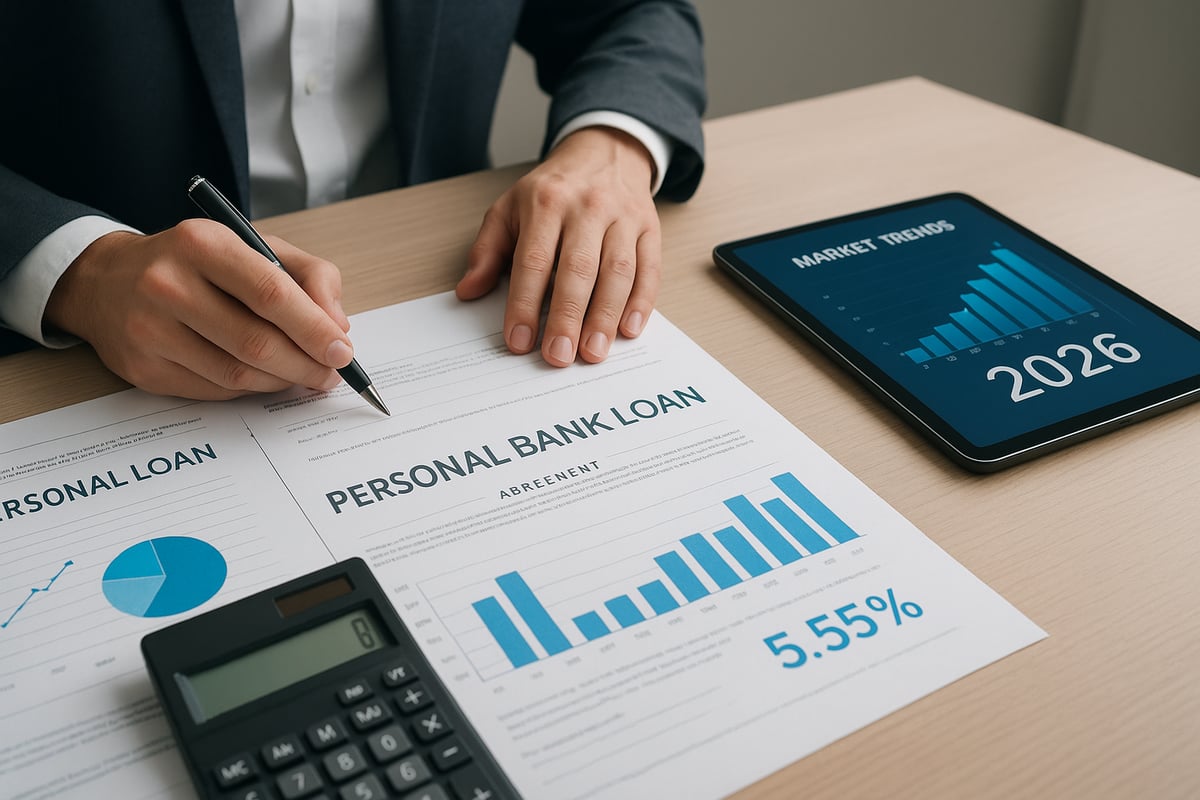
Personal bank loan interest is the cost you pay to borrow money from a bank. When you take out a loan, you agree to repay both the principal (the original amount borrowed) and the interest (the bank’s charge for lending you the money).
Repayments are typically split into principal and interest components. In the early stages, a larger portion goes toward interest, gradually shifting as the loan is paid down. There are two main ways banks calculate interest: simple interest, which charges only on the principal, and compound interest, which charges on both the principal and accumulated interest. Most personal loans use simple interest, but understanding both methods is crucial for evaluating your options.
Types of Interest Rates: Fixed vs. Variable
When considering personal bank loan interest, you will encounter fixed and variable rates. Fixed rates remain the same throughout the loan term, offering predictable payments. Variable rates, on the other hand, can change based on market conditions, which may cause your payments to fluctuate.
Here’s a quick comparison:
| Rate Type | Pros | Cons | Best For |
|---|---|---|---|
| Fixed | Predictable, stable payments | May be higher initially | Long-term planners |
| Variable | Potential for lower rates | Payments can rise | Short-term flexibility |
For example, a fixed-rate loan might suit someone who values certainty, while a variable-rate loan could benefit a borrower expecting interest rates to drop.
How Interest is Calculated
Personal bank loan interest is often expressed as an annual percentage rate (APR), which includes both the interest rate and any lender fees. Banks typically use methods like reducing balance (interest charged on the remaining principal) or flat rate (interest charged on the original principal for the full term).
Consider this example using reducing balance:
Loan amount: $10,000
Term: 36 months
APR: 12%
Monthly payment: $332.14
Total interest paid: $1,956.95
Understanding how your personal bank loan interest is calculated helps you compare offers and avoid surprises.
2026 Market Trends and Benchmarks
In 2026, personal bank loan interest rates in the U.S. are expected to average between 10% and 15% APR, based on recent data. Economic forecasts suggest rates may fluctuate due to inflation and Federal Reserve policy. According to the Personal Loan Interest Rate Forecast for 2026, potential rate cuts could make borrowing more affordable, but market volatility remains a factor.
Staying informed about these trends lets you time your loan application for optimal savings.
Why Interest Rates Matter for Borrowers
Personal bank loan interest directly impacts your total repayment cost. Even a small difference in rates can translate into significant savings or extra expenses over the life of your loan.
For instance, borrowing $15,000 over 48 months at 11% APR versus 14% APR could mean paying hundreds more in interest. By comparing rates and understanding how they affect your bottom line, you gain the power to make smarter borrowing choices and protect your financial future.
Key Factors That Influence Your Personal Loan Interest Rate
Understanding what shapes your personal bank loan interest can help you unlock better rates and more favorable terms. By learning how different criteria affect your loan offer, you are better equipped to make smart borrowing decisions and maximize your savings. Many of these factors are universal, while others may shift due to changing regulations or lender policies. For a deeper dive into these elements, you can also review Factors Affecting Personal Loan Interest Rates.
Credit Score and Credit History
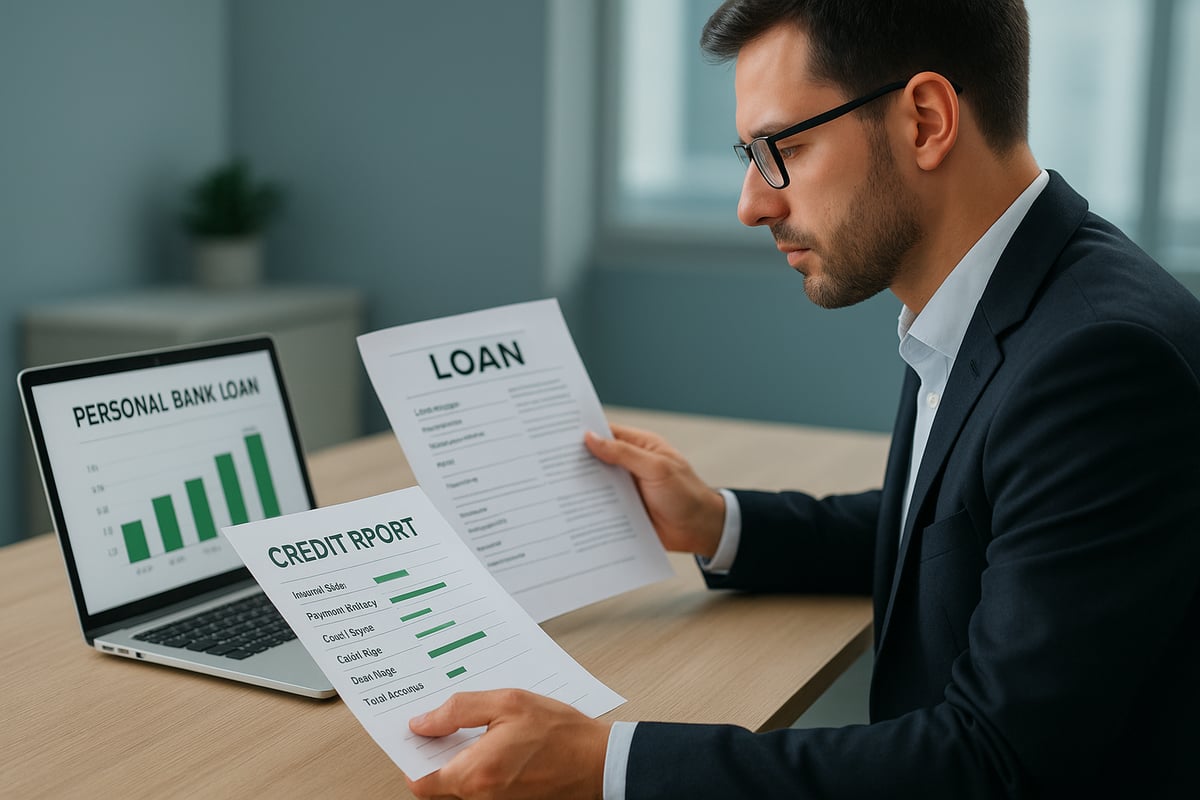
Your credit score is a primary driver of personal bank loan interest rates. Lenders use your score to predict your likelihood of repaying the loan on time. Higher scores typically secure lower rates, while lower scores may lead to higher interest charges.
Here is a quick comparison:
| Credit Score | Typical APR Range |
|---|---|
| 750+ | 7% – 10% |
| 700–749 | 10% – 13% |
| 620–699 | 13% – 18% |
| Below 620 | 18%+ |
For example, a borrower with a 750 score may qualify for a 7% rate, while someone at 620 could face rates over 15%. Maintaining strong credit can make a significant difference in the personal bank loan interest you pay.
Income, Employment, and Debt-to-Income Ratio
Stable income and employment history are vital for lenders. They want assurance that you can manage loan payments without financial strain. Lenders also evaluate your debt-to-income (DTI) ratio, which measures your monthly debt payments against your gross monthly income.
To calculate your DTI:DTI = (Total Monthly Debt Payments / Gross Monthly Income) x 100
A DTI below 36% is often ideal for securing favorable personal bank loan interest rates. A lower DTI signals financial stability and may qualify you for better terms.
Loan Amount and Repayment Term
The size of your loan and the length of your repayment schedule can impact your personal bank loan interest rate. Generally, larger loan amounts or longer terms may come with higher rates because they increase the lender’s risk.
For example, a $10,000 loan over 3 years might carry a lower rate than the same loan over 5 years. Shorter terms often mean less total interest paid, even if monthly payments are higher. Always compare offers to see how amount and term affect your overall cost.
Relationship with the Bank
Having an existing relationship with your bank can work in your favor. Many lenders offer loyalty discounts or special rates to current customers, especially if you use direct deposit or have other accounts with them.
Some banks may also extend pre-approval offers or reduce fees for loyal clients. These perks can lower your personal bank loan interest and make the borrowing process more seamless.
Loan Purpose and Collateral
The reason for your loan and whether it is secured or unsecured also influence your personal bank loan interest. Loans for debt consolidation or home improvements may receive better rates than those for discretionary spending.
Secured loans, backed by collateral such as a vehicle or savings account, often feature lower rates compared to unsecured loans. Using collateral can reduce lender risk and result in a more attractive offer.
Regional and Lender-Specific Factors
Where you live and whom you borrow from can also affect your personal bank loan interest. Regional economic conditions cause average rates to vary from one state or city to another. Additionally, credit unions and online lenders sometimes offer lower rates than traditional banks.
Comparing multiple lenders—including national, regional, and online options—ensures you find the most competitive rate for your situation.
Economic Environment and Regulatory Changes
The broader economy and lending regulations are critical influencers of personal bank loan interest. Economic cycles, inflation, and central bank policies can all cause rates to fluctuate year by year.
In 2026, any new consumer protection laws or shifts in monetary policy could directly impact the rates you are offered. Staying informed about regulatory changes helps you anticipate market shifts and plan your borrowing strategy accordingly.
Step-by-Step Guide: Securing the Best Personal Bank Loan Interest Rate in 2026
Navigating the world of personal bank loan interest in 2026 can feel overwhelming, but a clear, step-by-step approach can turn a daunting process into a manageable one. By following these seven essential steps, you will be empowered to secure the most favorable rates and terms for your financial needs.
Step 1: Assess Your Financial Health
Before seeking the best personal bank loan interest, start by evaluating your overall financial situation. Obtain a copy of your credit report and scan for any inaccuracies or outdated information. Correcting errors can instantly improve your credit profile.
Calculate your debt-to-income (DTI) ratio by dividing your total monthly debt payments by your gross monthly income. A lower DTI demonstrates financial stability and can help you qualify for better rates. Set realistic borrowing goals that align with your monthly budget, ensuring you do not overextend yourself financially.
Step 2: Research and Compare Lenders
To secure the most competitive personal bank loan interest, research is key. Request quotes from a variety of sources, including traditional banks, credit unions, and reputable online lenders. Comparing offers side by side allows you to spot the most attractive annual percentage rates (APRs), fees, and repayment flexibility.
Use online tools and calculators to simulate different loan scenarios. For a deeper understanding of what influences rates and how different factors play a role, review resources like Key Factors Determining Personal Loan Interest Rates.
Step 3: Improve Your Borrower Profile
Boosting your eligibility for the lowest personal bank loan interest begins with strengthening your borrower profile. One of the most effective strategies is to improve your credit score by paying bills on time, reducing outstanding debts, and avoiding new credit inquiries before applying.
Document your stable income and length of employment, as lenders favor applicants with reliable financial backgrounds. These proactive steps can make a significant difference in the rate you are offered.
Step 4: Choose the Right Loan Type and Terms
Selecting a loan structure that fits your goals is crucial for optimizing your personal bank loan interest. Consider whether a fixed or variable rate is better suited to your risk tolerance and financial outlook. Fixed rates offer predictability, while variable rates may start lower but can fluctuate over time.
Determine the loan amount and repayment term that balance affordable monthly payments and total interest cost. Assess if a secured loan, backed by collateral, might help you access a lower rate compared to an unsecured option.
Step 5: Negotiate and Apply
Once you have identified your preferred lender and loan product, use negotiation strategies to secure the best personal bank loan interest. Leverage pre-approval offers, and ask lenders to match or beat competitor rates when possible.
Prepare all necessary documentation, such as proof of income, employment verification, and identification, to ensure a smooth application process. Being organized and proactive can sometimes result in better terms or faster approval.
Step 6: Review the Fine Print
Do not overlook the details when finalizing your personal bank loan interest agreement. Scrutinize all fees, including origination, prepayment, and late payment penalties. Understand the lender’s policies on rate adjustments, early payoff, and any potential hidden costs.
Reading the fine print carefully can protect you from unexpected expenses down the road and help you maximize your long-term savings.
Step 7: Finalize and Manage Your Loan
After securing your personal bank loan interest, confirm the disbursement timeline and set up a clear payment schedule. Consider enrolling in autopay to avoid missed payments and late fees, which can negatively impact your credit.
Regularly monitor your loan balance and credit score. Staying proactive about your repayment can help you maintain financial health and set yourself up for future borrowing success.
How to Lower Your Personal Loan Interest Rate: Proven Strategies for 2026
Lowering your personal bank loan interest in 2026 is not only possible, it is essential for long-term financial health. By using proven methods, you can unlock significant savings and create more room in your budget. Let us explore the most effective strategies to help you secure the lowest rates available.

Refinancing and Consolidation Options
Refinancing your personal loan can be a powerful way to reduce your personal bank loan interest, especially if rates have dropped since you first borrowed. By replacing your existing loan with a new one at a lower rate, you can save money on interest over time.
Debt consolidation is another option. This strategy involves combining multiple high-interest debts into a single loan with a lower rate. It simplifies repayment and may reduce your total interest paid.
| Strategy | Benefit | Drawback |
|---|---|---|
| Refinancing | Lower rate, potential savings | Possible fees, new application |
| Consolidation | One payment, lower interest | Longer term may increase cost |
For example, refinancing a $10,000 loan from 13 percent to 9 percent APR could save you hundreds in interest. However, always consider fees and ensure the new terms suit your needs.
Improving Credit Over Time
Your credit score plays a critical role in determining your personal bank loan interest. Improving your score before applying can make a significant difference in the rate you receive.
Some effective habits for boosting your credit include:
- Paying all bills on time, every time
- Reducing outstanding credit card balances
- Limiting new credit inquiries
- Monitoring your credit report for errors
A borrower who raises their score from 640 to 720 could see their personal bank loan interest drop from 15 percent to 10 percent, translating into substantial savings over the life of the loan.
Utilizing Co-Signers and Collateral
If your credit is less than perfect, adding a co-signer with strong credit can help you qualify for a lower personal bank loan interest rate. The co-signer agrees to share responsibility for repayment, giving lenders more confidence.
Securing your loan with collateral, such as a savings account or vehicle, can also reduce your rate. However, this involves risk, since the lender could claim the asset if you default.
Both strategies can open doors to better terms, but be sure to weigh the responsibilities and risks before proceeding.
Taking Advantage of Promotions and Discounts
Lenders frequently offer temporary promotions or ongoing discounts that can lower your personal bank loan interest. These may include special rates for new customers, seasonal offers, or reductions for setting up automatic payments.
Look for:
- 0.5 percent APR off for direct deposit customers
- Loyalty discounts for existing account holders
- Limited-time rate reductions during holidays
Before accepting any offer, read the fine print to make sure you are getting a genuine deal without hidden costs.
Avoiding Common Pitfalls
While searching for lower personal bank loan interest, watch out for offers that seem too good to be true. Predatory lenders may advertise low rates but include hidden fees or unfavorable terms.
Stay alert for:
- High origination, prepayment, or late fees
- Variable rates that may spike unexpectedly
- Pressure to accept offers without full disclosure
Always compare multiple lenders and read all terms carefully to protect yourself from costly mistakes.
Using Local and Regional Lenders
Exploring community banks and credit unions can be a smart way to secure a lower personal bank loan interest rate. These lenders often offer more personalized service and competitive rates compared to national institutions.
Regional lenders may also have a better understanding of your local economic conditions. For example, Regional loan options in Louisiana highlight how local banks may provide more attractive rates than larger competitors.
Comparing offers from both national and regional lenders can help you find the best deal for your unique situation.
Case Studies: Real Borrowers Navigating Personal Loan Interest in 2026
Navigating personal bank loan interest can be vastly different depending on your financial background, credit score, and choice of lender. By examining real-world scenarios, you can see how various factors influence the rates, terms, and outcomes for borrowers in 2026. Let us look at four distinct case studies and uncover key lessons for smarter borrowing.
Borrower A: Excellent Credit, Short-Term Loan
Borrower A holds an excellent credit score, steady employment, and a strong financial track record. Seeking an $8,000 loan, they secure a 7% APR over 24 months. Thanks to their profile, the personal bank loan interest remains low throughout the term.
The short repayment period means minimal total interest paid. A high credit score and reliable income enable them to pay off the loan quickly, keeping costs down and boosting financial confidence.
Borrower B: Fair Credit, Debt Consolidation
Borrower B faces higher personal bank loan interest due to a moderate credit score and a higher debt-to-income ratio. They consolidate $15,000 in debts into a new loan with a 13% APR for 48 months.
While the monthly payment becomes more manageable, the extended term and higher rate increase the overall interest cost. This case highlights how consolidating debt can improve cash flow, but the interest paid over time can add up if the rate is not optimal.
Borrower C: Limited Credit History, Regional Lender
A younger borrower with limited credit history turns to a regional credit union for a $5,000 loan at 11% APR over 36 months. This regional lender, similar to those offering personal loans in Pointe Coupee, provides more flexible criteria for applicants.
By building a relationship with a local lender, the borrower accesses competitive personal bank loan interest. This case shows how community-based institutions may offer favorable terms to those with less established credit, helping them build credit while keeping payments affordable.
Borrower D: Credit Challenges, Flexible Lender
Borrower D has recently experienced credit difficulties. They approach a lender specializing in helping credit-challenged clients and receive a $4,000 loan at 16% APR for 36 months.
Although the personal bank loan interest is higher, this option provides access to essential funds and a chance to rebuild credit. Responsible repayment can gradually improve their score, opening doors to better rates in the future.
Lessons Learned and Key Takeaways
These case studies demonstrate how personal bank loan interest varies based on credit score, loan amount, term, and lender type. Borrowers with higher scores and stable income secure lower rates, while those with limited or poor credit may pay more.
Choosing local lenders or credit unions can benefit those with unique circumstances. Additionally, staying informed about market trends, such as Federal Reserve rate changes expected in 2026, can help you time your borrowing for the best possible rates.
By understanding these examples, you can tailor your borrowing strategy to your needs and achieve better financial outcomes.
The Future of Personal Loan Interest: What to Expect Beyond 2026
As we look ahead, the landscape of personal bank loan interest is poised for rapid transformation. Borrowers will encounter new technologies, regulatory shifts, and innovative lending models that could reshape how rates are set and managed. Understanding these trends will be essential for anyone seeking to optimize their borrowing experience beyond 2026.
Digital Transformation in Lending
The future of personal bank loan interest will be shaped by digital transformation. Artificial intelligence and machine learning are already enabling banks to analyze more data, resulting in highly personalized rate offers. Fintech platforms allow borrowers to complete the entire loan process online, from application to approval, often in minutes.
Instant rate quotes via mobile apps are becoming standard, giving consumers unprecedented transparency and speed. As these technologies mature, expect lenders to use advanced algorithms to tailor personal bank loan interest rates to individual financial profiles. This digital shift will streamline borrowing and potentially drive down costs for well-qualified applicants.
Regulatory and Economic Shifts
Regulatory changes will play a significant role in the evolution of personal bank loan interest. Policymakers are considering new consumer protections, such as stricter caps on maximum APRs and clearer disclosures for borrowers. These efforts aim to prevent predatory lending and promote fairness.
Economic conditions, including inflation and changes in the federal funds rate, will continue to impact interest rates. For example, if regulators introduce new rules that cap APRs, borrowers could see more predictable loan costs. Staying informed about these shifts will help you anticipate changes in personal bank loan interest and adjust your borrowing strategy accordingly.
Evolving Borrower Profiles and Credit Assessment
Lenders are moving beyond traditional credit scores to determine personal bank loan interest rates. The use of alternative data, like rent and utility payments, is expanding access to credit for non-traditional borrowers. AI-driven risk assessment tools allow banks to evaluate a broader range of financial behaviors.
This shift means that even borrowers with limited credit history may qualify for competitive rates if they demonstrate responsible financial habits. As technology evolves, expect more lenders to adopt these inclusive methods, making personal bank loan interest more accessible and equitable.
Tips for Staying Ahead
To navigate the changing landscape of personal bank loan interest, proactive strategies are essential. Regularly monitor your credit report, stay updated on new lending tools, and build financial literacy to make informed decisions. Leveraging online comparison platforms can help you secure the best rates.
Prepare for future borrowing by maintaining a healthy credit profile and understanding emerging trends. By staying ahead, you'll be ready to adapt as lenders introduce new products and assessment methods, ensuring that personal bank loan interest remains manageable and transparent.
Innovations to Watch in Personal Lending
Expect to see a wave of new products and flexible repayment models in personal bank loan interest. Peer-to-peer lending and decentralized platforms are gaining traction, offering alternatives to traditional banks. Blockchain-based lending systems could further enhance transparency and security.
Regional lenders may introduce tailored solutions, such as adjustable repayment terms similar to those described in shed loan repayment terms, to meet evolving borrower needs. These innovations will provide more choices and customization, helping borrowers find the ideal fit for their financial goals.
Now that you’ve explored how personal loan interest rates work and discovered practical strategies for 2026, you’re ready to take the next step toward your financial goals. At Standard Financial, we understand that every borrower’s journey is unique—whether you’re looking to fund home improvements, cover unexpected expenses, or simply get a fresh start, our flexible options and supportive team are here to help. If you’re ready to put your knowledge into action and secure a loan tailored to your needs—even with past credit challenges—you can Apply For A Loan Today.





No comment yet, add your voice below!