

When you need to borrow money for a major expense, understanding your financing options can make the difference between a smart financial decision and a costly mistake. Secured loans represent one of the most powerful borrowing tools available to consumers, offering advantages that unsecured alternatives simply cannot match. By pledging an asset as collateral, borrowers can access larger loan amounts, lower interest rates, and more favorable repayment terms. Whether you're planning a home renovation, consolidating debt, or covering medical expenses, knowing how these financial products work will help you make informed decisions that align with your long-term financial goals.
Understanding the Fundamentals of Collateral-Backed Borrowing
A secured loan requires borrowers to pledge a valuable asset as collateral against the borrowed funds. This collateral serves as protection for the lender, reducing their risk and enabling them to offer more competitive terms. The FDIC provides comprehensive information about different loan types, including detailed explanations of how secured financing works.
The collateral you pledge must have sufficient value to cover the loan amount. Common assets used include real estate, vehicles, savings accounts, investment portfolios, and other valuable property. If you fail to repay the loan according to the agreed terms, the lender has the legal right to seize and sell the collateral to recover their losses.
Key Characteristics That Define This Lending Type
Several distinctive features set these products apart from traditional unsecured borrowing options:
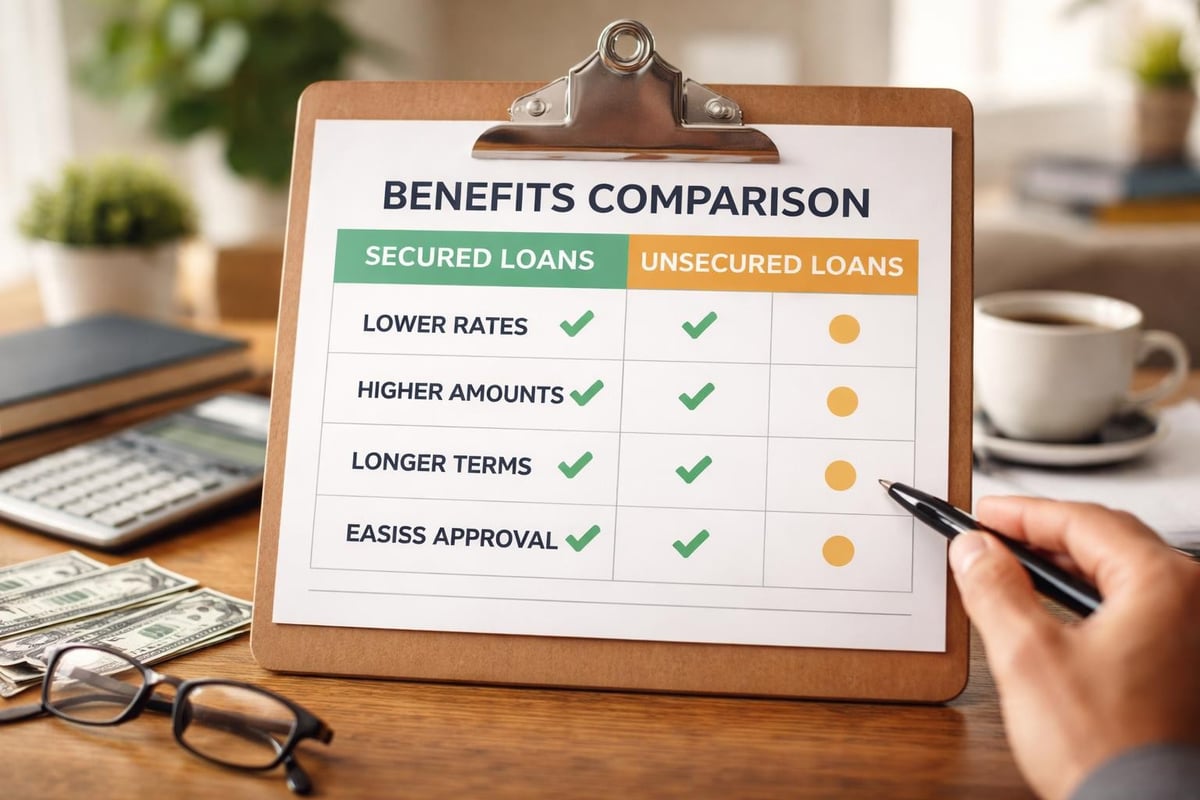
- Lower interest rates compared to credit cards and personal loans
- Higher borrowing limits based on collateral value
- Longer repayment periods that reduce monthly payment amounts
- Easier qualification for borrowers with imperfect credit histories
- Potential tax benefits for certain types of collateral-backed financing
The relationship between collateral value and loan terms creates a win-win situation. Lenders feel confident extending credit because they have recourse if payments stop, while borrowers benefit from terms that make large purchases or projects affordable.

Common Types of Collateral-Secured Financing Products
Different secured loans serve different purposes, each designed around specific assets and borrowing needs. Understanding these variations helps you select the right product for your situation.
Home Equity-Based Options
Your home represents one of the most valuable assets you own, making it excellent collateral for substantial borrowing needs. Home equity loans provide lump-sum financing based on your property's current value minus outstanding mortgage debt. These products typically offer fixed interest rates and predictable monthly payments over terms ranging from five to thirty years.
Home equity lines of credit (HELOCs) function differently, providing revolving credit you can draw from as needed during a specified period. This flexibility makes them ideal for ongoing projects or expenses with variable timing and costs.
Vehicle-Secured Lending
Auto title loans use your vehicle as collateral, allowing you to borrow against its current market value. These products typically provide quick access to funds without requiring perfect credit. However, borrowers should carefully review terms and ensure they can meet payment obligations to avoid losing their transportation.
Vehicle equity loans represent another option for car owners who have paid down their auto loans. These products leverage the equity you've built to provide additional financing at competitive rates.
Savings and Investment-Backed Products
Financial institutions often offer loans secured by savings accounts, certificates of deposit, or investment portfolios. These products provide excellent rates because the collateral is highly liquid and easy for lenders to access if needed.
Share-secured loans and passbook loans fall into this category, making them attractive options for borrowers who want to maintain their savings while accessing funds for immediate needs.
Advantages That Make Collateral-Backed Borrowing Attractive
The benefits of securing your loan with collateral extend beyond simple interest rate savings. Understanding these advantages helps you recognize when this borrowing approach makes the most financial sense.
Access to Better Terms and Conditions
| Feature | Secured Loans | Unsecured Loans |
|---|---|---|
| Interest Rate Range | 3% – 12% | 10% – 36% |
| Maximum Loan Amount | $500,000+ | $50,000 |
| Typical Loan Term | 5 – 30 years | 2 – 7 years |
| Credit Score Impact | Less significant | More critical |
| Approval Speed | Moderate | Fast |
Lenders view secured borrowing as lower risk, translating directly into financial benefits for qualified applicants. The Consumer Financial Protection Bureau offers educational resources that explain how collateral impacts loan terms and conditions.
Opportunities for Credit Rebuilding
Borrowers with past credit challenges often struggle to qualify for traditional financing. Secured loans provide a pathway to rebuilding credit because the collateral reduces lender risk, making approval more likely even with lower credit scores.
Making consistent, on-time payments on a secured loan demonstrates financial responsibility. This positive payment history reports to credit bureaus, gradually improving your credit profile and opening doors to better financial products in the future.
Important Considerations Before Using Assets as Collateral
While secured loans offer numerous advantages, borrowers must understand the responsibilities and risks involved. Making informed decisions requires careful evaluation of your financial situation and the terms being offered.
The Risk of Asset Loss
The most significant consideration is the possibility of losing your collateral. If you cannot maintain payments according to the loan agreement, lenders have legal recourse to seize and sell the pledged asset. This risk is particularly serious when using essential assets like your home or primary vehicle as collateral.
Before committing to any secured borrowing arrangement, honestly assess your ability to make payments throughout the entire loan term. Consider potential life changes, income fluctuations, and emergency scenarios that might impact your payment capability.
Loan-to-Value Ratios and Their Impact
Lenders typically limit secured loans to a percentage of the collateral's value, known as the loan-to-value (LTV) ratio. Understanding this calculation is essential for realistic borrowing expectations:
- Obtain a professional appraisal of your collateral's current market value
- Determine the lender's maximum LTV ratio (commonly 80-90% for homes, 75-85% for vehicles)
- Multiply the asset value by the LTV percentage to find your maximum borrowing capacity
- Subtract any existing liens or loans against the asset
For example, a home valued at $200,000 with a 80% LTV ratio and an existing $100,000 mortgage would provide access to approximately $60,000 in new borrowing ($200,000 × 0.80 = $160,000 – $100,000 = $60,000).
Fees, Closing Costs, and Hidden Expenses
Secured loans often involve additional costs beyond interest charges. Appraisal fees, title searches, origination fees, and closing costs can add hundreds or thousands of dollars to your total borrowing expense. Request a complete breakdown of all fees before committing to any loan agreement.
Some lenders also charge prepayment penalties if you pay off the loan early. While paying off debt ahead of schedule typically saves interest, these penalties can negate those savings. Review all loan documents carefully to understand these provisions.
Strategic Applications for Collateral-Backed Financing
Knowing when to use secured loans helps maximize their benefits while minimizing potential downsides. Certain financial situations naturally align with the strengths of collateral-backed borrowing.
Home Improvement and Renovation Projects
Home equity products excel at financing renovation projects because they offer substantial borrowing capacity with reasonable repayment terms. Since improvements often increase property value, you're essentially borrowing against future equity growth while making your home more enjoyable and functional today.
Major renovations like kitchen remodels, bathroom updates, room additions, and structural repairs typically cost tens of thousands of dollars. Secured loans provide access to these amounts with monthly payments that fit most household budgets.
Medical Expense Management
Healthcare costs continue rising, and even insured patients face significant out-of-pocket expenses for major procedures or chronic condition management. Secured loans offer a way to cover these necessary expenses without depleting emergency savings or maxing out high-interest credit cards.
The lower interest rates and longer repayment periods make large medical bills manageable, allowing you to prioritize health without creating unsustainable financial strain.
Educational Investment and Career Development
While federal student loans represent the primary education financing source, they don't always cover the full cost of advanced degrees or professional certification programs. Secured loans can bridge funding gaps, particularly for non-traditional students or specialized training programs.
Career-focused education typically generates increased earning potential, making the investment financially sound when managed responsibly. The ability to spread payments over several years aligns with the long-term benefits of enhanced skills and credentials.
Debt Consolidation Strategies
High-interest credit card debt creates a cycle of minimum payments that barely reduce principal balances. According to resources from ConsumerAffairs, using secured loans to consolidate multiple debts can significantly reduce total interest costs while simplifying monthly obligations.
By replacing several high-rate accounts with a single lower-rate secured loan, borrowers often reduce their monthly debt payments while accelerating their path to becoming debt-free.
The Application and Approval Process Explained
Understanding what lenders require helps you prepare for a smooth application experience. While specific requirements vary by lender and loan type, certain steps remain consistent across most secured lending products.
Documentation and Information Requirements
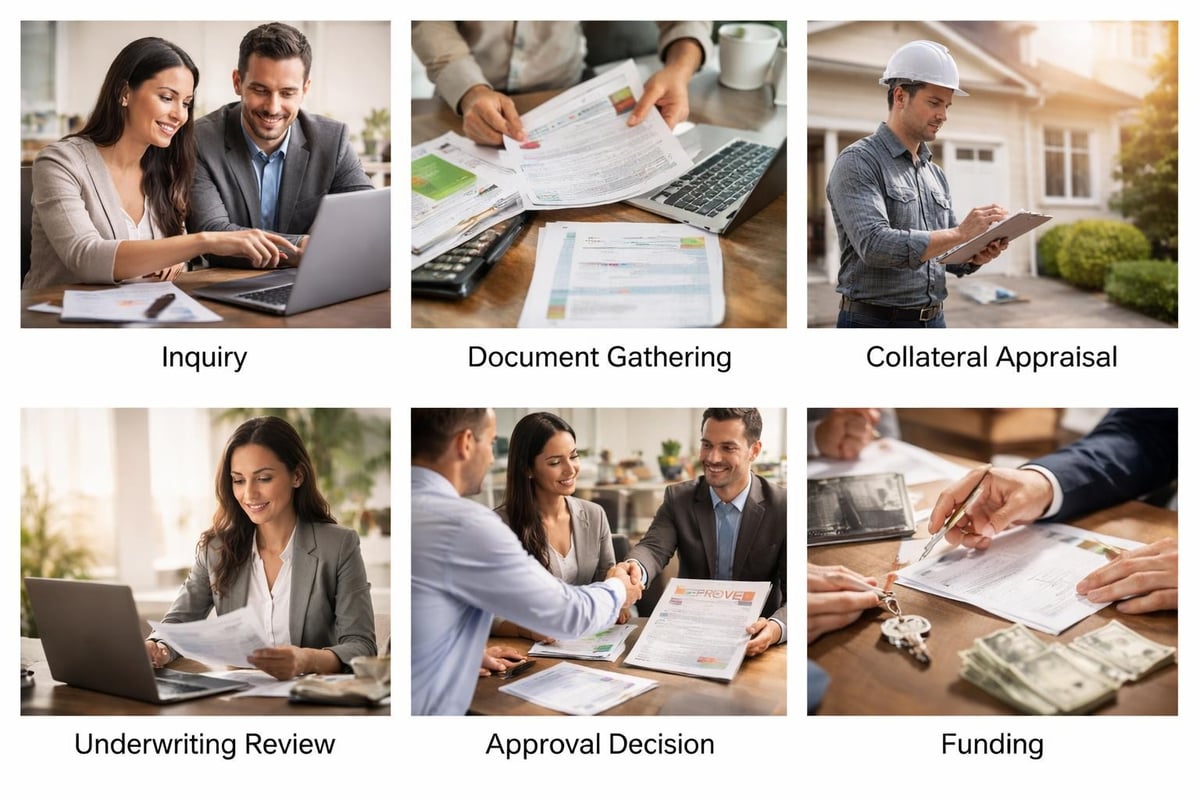
Lenders need to verify your identity, income, and collateral value before approving any secured loan. Typical documentation includes:
- Government-issued identification (driver's license, passport)
- Proof of income (pay stubs, tax returns, bank statements)
- Property documentation (deed, title, recent appraisal)
- Insurance information for the collateral asset
- Employment verification and contact information
Gathering these materials before starting your application speeds the process and demonstrates your seriousness to potential lenders.
Appraisal and Valuation Steps
Professional appraisals determine collateral value and establish the maximum loan amount. For real estate, certified appraisers conduct physical inspections and compare your property to recent sales of similar homes in your area. Vehicle values come from recognized pricing guides like Kelley Blue Book or NADA.
Appraisal costs typically range from $300 to $500 for homes and $75 to $150 for vehicles. Some lenders cover these fees, while others require borrowers to pay upfront or roll costs into the loan amount.
Timeline Expectations for Funding
Secured loan approval and funding takes longer than unsecured options due to collateral verification requirements. Typical timelines include:
| Loan Type | Application to Approval | Approval to Funding | Total Timeline |
|---|---|---|---|
| Home Equity Loan | 1 – 3 weeks | 3 – 7 days | 2 – 4 weeks |
| Auto Title Loan | 1 – 3 days | Same day | 1 – 3 days |
| Share-Secured Loan | Same day | 1 – 2 days | 1 – 3 days |
Planning ahead and submitting complete applications helps avoid unnecessary delays in accessing your funds.
Selecting the Right Lender for Your Needs
Not all lenders offer the same products, rates, or service quality. Choosing wisely ensures you get competitive terms and positive borrowing experience from application through final payment.
Regional Banks and Credit Unions
Local financial institutions often provide personalized service and competitive rates for secured borrowing. Credit unions, in particular, operate as member-owned cooperatives that return profits to members through lower rates and fees.
Regional banks understand local real estate markets and economic conditions, potentially making them more flexible with qualification requirements than national institutions applying standardized criteria.
Comparing Rates and Terms Effectively
Rate shopping makes good financial sense, potentially saving thousands of dollars over your loan's lifetime. Request quotes from at least three lenders, ensuring you compare:
- Annual percentage rate (APR), which includes interest and fees
- Total loan term and monthly payment amount
- Prepayment penalties or early payoff restrictions
- Required insurance or additional product purchases
- Customer service reputation and borrower reviews
NerdWallet provides reviews of secured personal loan lenders, offering insights that can guide your selection process.
Understanding Regulatory Protections
Consumer protection laws govern lending practices, providing safeguards against unfair or deceptive practices. The Truth in Lending Act requires lenders to disclose all loan terms clearly, allowing borrowers to compare offers accurately.
Your collateral rights receive protection through specific legal provisions. Understanding these protections helps you recognize if a lender operates ethically and follows required procedures.
Smart Borrowing Practices That Protect Your Financial Future
Success with secured loans requires more than just qualifying and receiving funds. Implementing responsible borrowing habits protects your assets and builds long-term financial strength.
Borrow Only What You Need
The availability of large loan amounts can tempt borrowers to take more than necessary. Resist this temptation by calculating your actual need and borrowing accordingly. Every dollar borrowed increases your monthly payment obligation and total interest cost.
Create a detailed budget showing exactly how you'll use loan proceeds. This exercise often reveals opportunities to reduce borrowing amounts through alternative solutions or scaled-back plans.
Maintain Emergency Reserves
Never drain your emergency fund to avoid borrowing. Unexpected expenses will occur, and having accessible savings prevents missed loan payments when life throws financial curveballs.
Financial advisors typically recommend maintaining three to six months of living expenses in liquid savings. Keep this safety net intact even while managing secured loan payments.
Monitor Your Collateral's Condition and Value
Your pledged asset's condition affects both its value and your borrowing relationship. Maintain required insurance coverage, perform regular maintenance, and address issues promptly. Lenders may inspect collateral periodically, particularly for high-value items like real estate.
Significant value declines can trigger additional requirements from lenders, including demands for additional collateral or partial loan repayment. Proactive asset management helps avoid these complications.
Plan Your Repayment Strategy
Beyond making minimum payments, develop a strategy for debt elimination. Even small additional principal payments reduce total interest costs and shorten your loan term. Some effective approaches include:
- Biweekly payment schedules that result in one extra payment annually
- Lump sum payments from bonuses, tax refunds, or windfalls
- Payment increases when you receive raises or eliminate other debts
- Refinancing opportunities when rates drop or your credit improves
Track your progress regularly, celebrating milestones as your balance decreases and you move closer to owning your collateral free and clear.
Alternative Options Worth Considering
Secured loans aren't always the best solution for every financial need. Understanding alternatives ensures you select the most appropriate product for your specific circumstances.
Unsecured Personal Loans
Borrowers with strong credit profiles might qualify for competitive unsecured loans without risking asset loss. While rates typically run higher than secured options, the absence of collateral requirements provides peace of mind for risk-averse borrowers.
Unsecured products also involve simpler applications and faster funding since appraisals aren't necessary. For smaller borrowing needs under $25,000, this streamlined process may outweigh rate differences.
Balance Transfer Credit Cards
For debt consolidation purposes, promotional balance transfer cards offering 0% introductory APR periods can provide interest-free debt repayment opportunities. Transferring high-rate balances and paying them off during the promotional period saves substantial interest costs.
This strategy requires discipline to avoid new charges and ensure complete payoff before regular rates apply. Balance transfer fees of 3-5% should factor into your cost comparison.
Retirement Account Loans
Many 401(k) plans allow participants to borrow against their vested balance. These loans don't involve credit checks or require collateral beyond your retirement account itself. Interest payments go back into your account rather than to a lender.
However, retirement loans carry significant risks if you leave your employer before repaying the balance. The outstanding amount becomes taxable income, potentially triggering penalties if you're under age 59½.
Secured loans provide powerful financing solutions when used strategically and managed responsibly, offering access to substantial funds at competitive rates while building financial stability through consistent repayment. Whether you need funding for home improvements, medical expenses, education, or debt consolidation, understanding how collateral-backed borrowing works empowers you to make confident decisions. Standard Financial specializes in helping borrowers across Louisiana, Mississippi, Tennessee, and Georgia access flexible financing options tailored to their unique situations, even for clients working to rebuild their credit. Our experienced team can guide you through the secured loan process, helping you find solutions that protect your financial future while meeting your immediate needs.







No comment yet, add your voice below!