

Understanding your credit score is essential for financial success, and one of the most influential factors in that score is often misunderstood by consumers. Credit utilization plays a significant role in determining your creditworthiness, affecting everything from loan approvals to interest rates. For residents across Louisiana, Mississippi, Tennessee, and Georgia seeking personal loans or refinancing options, mastering this concept can open doors to better financial opportunities. This metric represents how much of your available credit you're actually using, and keeping it optimized can dramatically improve your financial standing.
What Credit Utilization Really Means
Credit utilization represents the ratio between your current credit card balances and your total available credit limits. This percentage is calculated by dividing what you owe by what you could borrow, then multiplying by 100.
For example, if you have three credit cards with a combined credit limit of $10,000 and you're carrying balances totaling $3,000, your credit utilization ratio is 30%. This calculation applies to revolving credit accounts, primarily credit cards and lines of credit.
The ratio exists at two levels:
- Per-card utilization: The balance versus limit on each individual card
- Overall utilization: Your total balances across all cards versus your total available credit
Both metrics matter to lenders and credit scoring models. According to Experian’s analysis of credit utilization across accounts, credit bureaus examine both your aggregate utilization and individual card utilization when calculating your credit score.
Why This Ratio Matters to Lenders
Lenders view credit utilization as a proxy for financial responsibility and risk. Someone consistently maxing out their credit cards appears to be living beyond their means or struggling financially, regardless of whether they make minimum payments on time.
Credit utilization typically accounts for approximately 30% of your FICO credit score, making it the second most important factor after payment history. This substantial weight means that improving your utilization ratio can yield quick, meaningful improvements to your overall creditworthiness.
The Ideal Credit Utilization Ratio
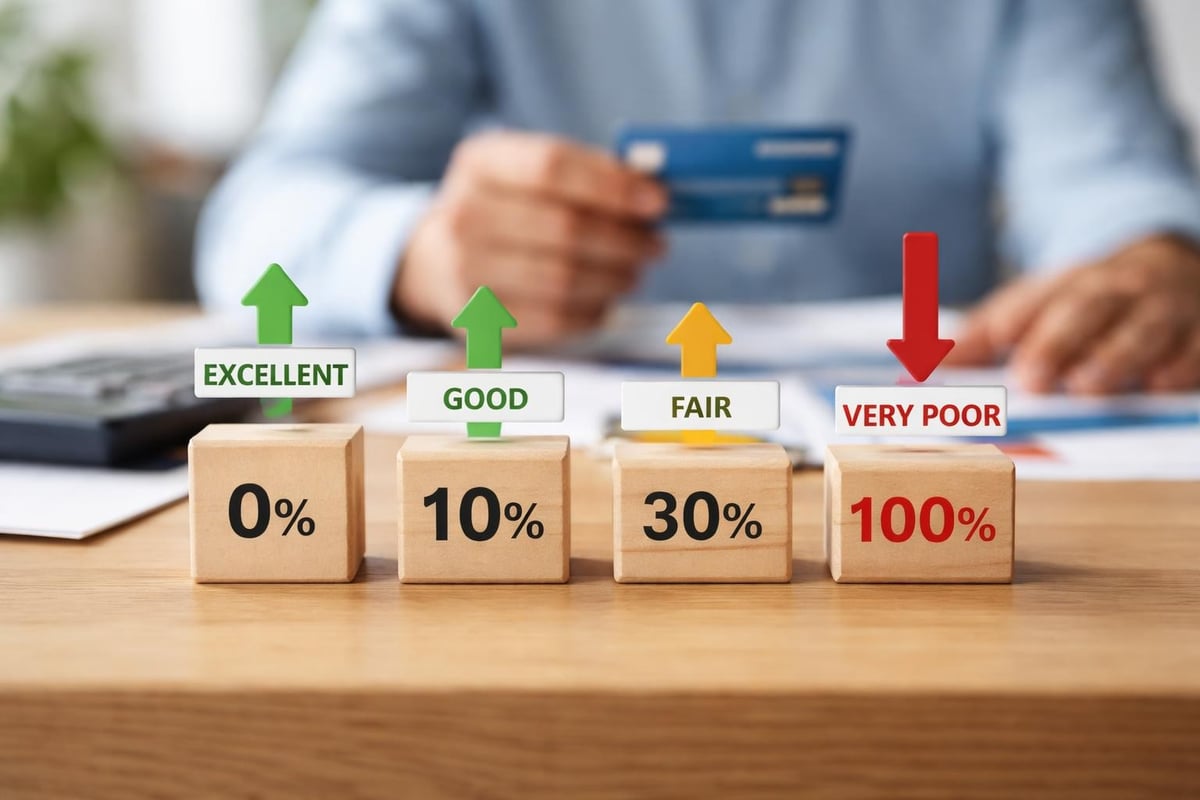
Financial experts consistently recommend keeping your credit utilization below specific thresholds to maintain optimal credit health. Bankrate’s research on good credit utilization ratios suggests that the best practice is maintaining utilization below 30% across all your accounts.
However, top credit performers typically aim even lower. Data shows that individuals with exceptional credit scores often keep their utilization below 10%, and some credit experts recommend staying under 7% for maximum benefit.
| Utilization Level | Credit Impact | Recommended For |
|---|---|---|
| 0-9% | Excellent | Optimal credit scores |
| 10-29% | Good | Healthy credit maintenance |
| 30-49% | Fair | Needs improvement |
| 50-74% | Poor | Urgent attention required |
| 75-100% | Very Poor | Critical situation |
These benchmarks aren't arbitrary. Research on ideal credit utilization percentiles demonstrates that credit scores respond progressively as utilization decreases, with the most dramatic improvements occurring when you drop below the 30% threshold.
Zero Utilization Isn't Always Best
Interestingly, having 0% utilization isn't necessarily optimal either. Credit scoring models want to see that you're actively using credit responsibly, not just that you have access to it. Keeping a small balance that you pay off regularly demonstrates active credit management.
The sweet spot involves using your cards regularly but paying balances down to under 10% before your statement closing date. This strategy shows lenders you're an active, responsible borrower without appearing overleveraged.
How Credit Utilization Is Calculated and Reported
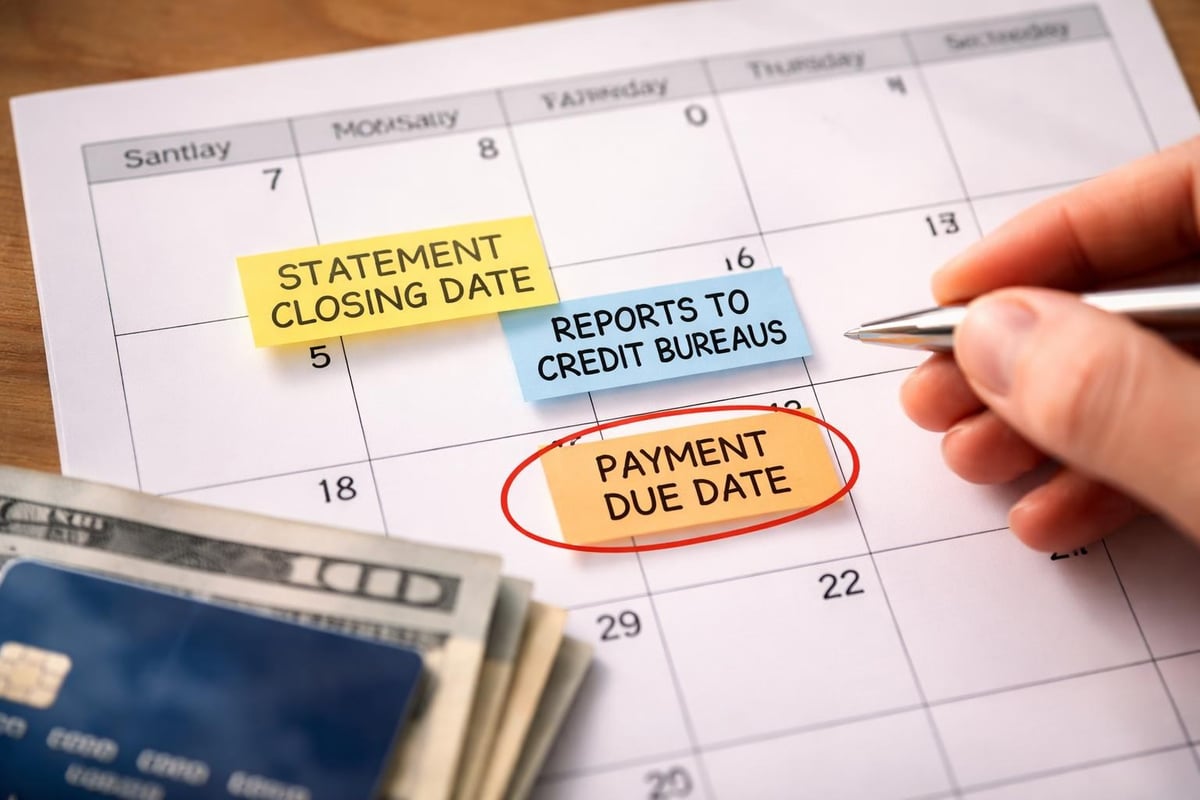
Understanding when and how your utilization is calculated helps you strategically manage this important metric. Credit card issuers typically report your balance to credit bureaus once monthly, usually on your statement closing date.
This timing creates an important opportunity. The balance reported isn't necessarily what you owe at month's end, but rather what you owed on your statement date. Making payments before that date, even if your payment isn't technically due yet, can significantly lower your reported utilization.
Which Accounts Factor Into Your Ratio
According to myFICO’s explanation of accounts affecting credit utilization, only revolving credit accounts impact this metric. These include:
- Traditional credit cards
- Retail store cards
- Home equity lines of credit (HELOCs)
- Personal lines of credit
Installment loans don't count. Your auto loan, mortgage, student loans, or personal installment loans from lenders don't factor into credit utilization calculations. These loans are evaluated differently because they have fixed payment schedules and declining balances.
This distinction matters when considering your overall debt management strategy. A $5,000 personal loan for home improvements affects your credit differently than $5,000 charged to credit cards.
Common Credit Utilization Mistakes to Avoid
Many consumers inadvertently damage their credit scores through misunderstandings about how utilization works. Recognizing these pitfalls helps you navigate credit management more effectively.
Closing Old Credit Cards
When you close a credit card account, you eliminate that card's credit limit from your total available credit. This instantly increases your utilization ratio on remaining cards, potentially dropping your credit score by several points.
Example scenario: You have $8,000 in total credit limits and $2,000 in balances (25% utilization). Closing a card with a $3,000 limit leaves you with $5,000 in available credit and the same $2,000 in balances, jumping your utilization to 40%.
Even if you don't use a card regularly, keeping it open (assuming no annual fee) helps maintain a lower utilization ratio.
Timing Payment Incorrectly
Many people pay their credit card bills on the due date, believing this is optimal timing. However, if your statement has already closed and been reported to credit bureaus, that higher balance is what affects your score for the month.
Strategic payment timing involves:
- Identifying your statement closing date for each card
- Making payments before that date to reduce reported balances
- Leaving a small balance to show active usage
- Paying remaining balances by the due date to avoid interest
This approach ensures credit bureaus see your lowest possible balances while you still avoid interest charges.
Concentrating Balances on One Card
Some consumers pay off all cards except one, concentrating their entire balance on a single account. While your overall utilization might be acceptable, having one card at 80% utilization while others sit at 0% can still harm your score.
Credit scoring models examine both overall and per-card utilization. Understanding how credit utilization works across multiple accounts reveals that balanced distribution across cards typically produces better results than concentration on one account.
Strategies to Improve Your Credit Utilization
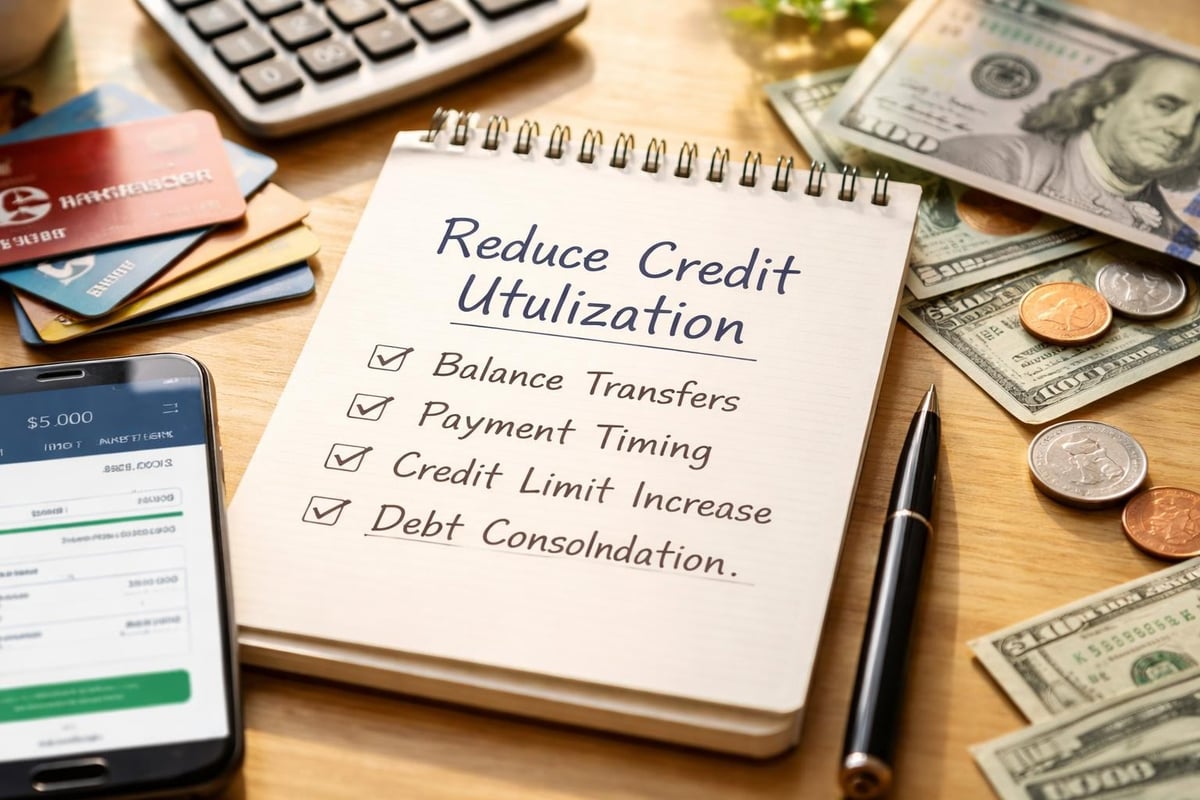
Improving your credit utilization ratio doesn't always require paying down debt, although that's certainly effective. Multiple approaches can help optimize this critical metric.
Request Credit Limit Increases
Contacting your credit card issuers to request higher credit limits directly improves your utilization ratio without requiring debt repayment. If approved for a $2,000 increase while maintaining the same balance, your utilization percentage drops immediately.
Before requesting increases:
- Ensure at least six months have passed since opening the account
- Verify your payment history is solid
- Be prepared to explain any income increases
- Understand that issuers may perform hard credit inquiries
Most issuers review these requests favorably for customers with good payment histories, and some offer periodic automatic increases.
Make Multiple Payments Monthly
Rather than making one monthly payment, consider making payments every week or two. This strategy keeps balances consistently lower throughout the month, reducing the likelihood of high utilization being reported.
For those living paycheck to paycheck, this approach also helps with cash flow management by aligning credit card payments with income receipt.
Become an Authorized User
Adding yourself as an authorized user on someone else's credit card with low utilization and high limits can improve your ratio. The account appears on your credit report, including its credit limit and balance.
Important considerations:
- Choose someone with excellent credit habits
- Verify the card issuer reports authorized users to all three bureaus
- Understand you're not legally responsible for the debt
- Recognize this won't work if the primary cardholder has high utilization
This strategy particularly benefits young adults building credit or individuals recovering from credit challenges.
Credit Utilization and Major Financial Decisions
Your credit utilization ratio significantly impacts your ability to secure favorable loan terms for major purchases. For residents across Louisiana, Mississippi, Tennessee, and Georgia preparing for significant expenses, understanding this connection is crucial.
Impact on Personal Loan Approvals
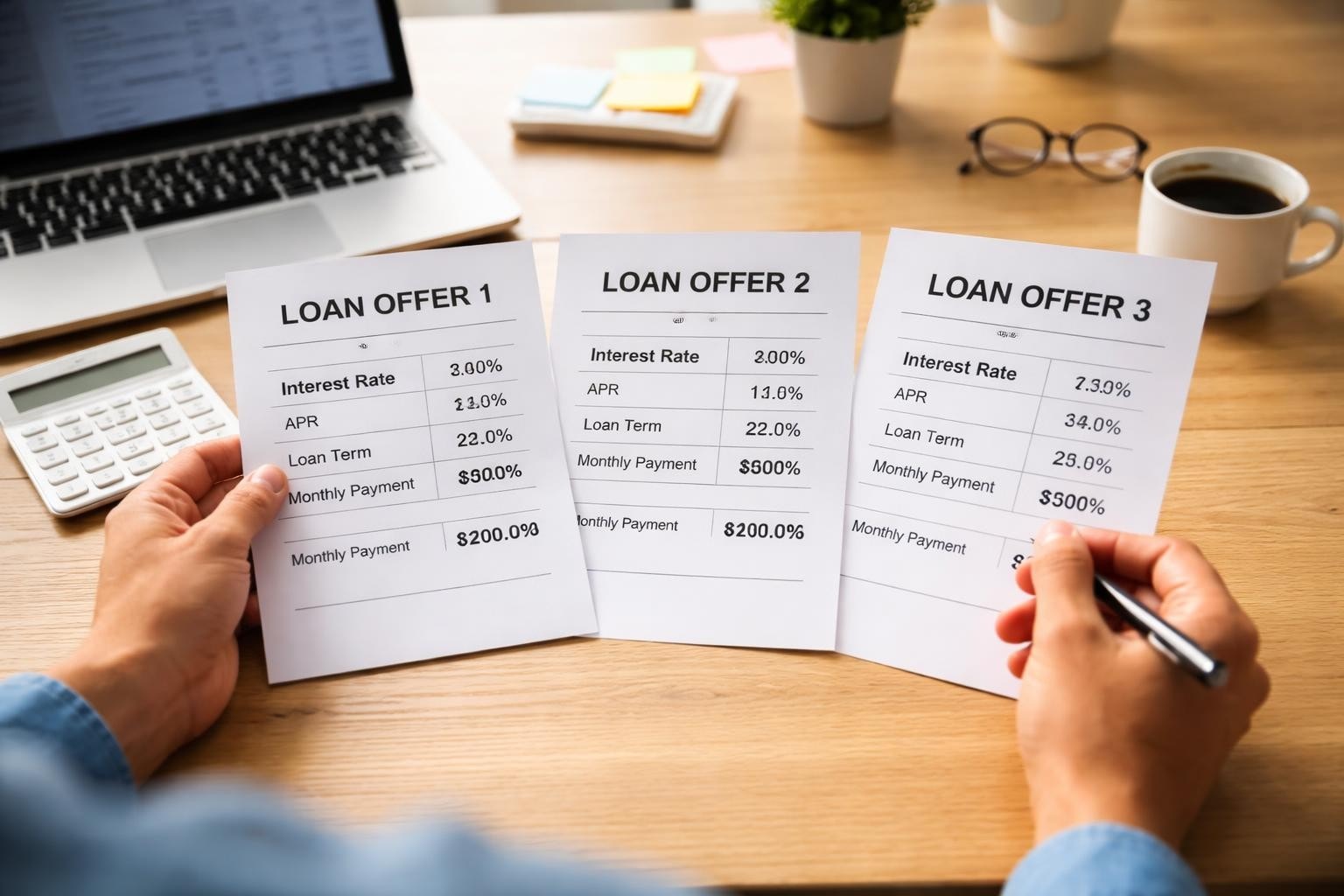
Lenders evaluating personal loan applications examine credit utilization as a key risk indicator. High utilization suggests you may be overextended financially, increasing the perceived risk of default. Research on cutting credit utilization indicates that reducing utilization before applying for loans can substantially improve approval odds and interest rates offered.
| Credit Utilization | Typical Impact on Loan Terms |
|---|---|
| Under 10% | Best rates and terms available |
| 10-30% | Competitive rates, standard terms |
| 30-50% | Higher rates, stricter requirements |
| Over 50% | Difficult approval, premium rates |
When planning to apply for financing for home improvements, medical expenses, or education costs, spending three to six months optimizing your credit utilization can save thousands in interest over the loan's lifetime.
Preparing for Refinancing Opportunities
Refinancing existing loans becomes more attractive when you've improved your credit profile. Lower credit utilization often translates to higher credit scores, which unlock better refinancing terms.
Strategic preparation includes:
- Reducing credit card balances below 30% utilization
- Avoiding new credit applications for 3-6 months before refinancing
- Addressing any per-card utilization above 50%
- Documenting income increases or debt decreases
Many consumers successfully refinance high-interest loans after improving their credit utilization, reducing monthly payments significantly.
Monitoring and Maintaining Healthy Utilization
Sustainable credit health requires ongoing attention to your credit utilization ratio. Establishing monitoring systems helps you stay informed and responsive to changes.
Regular Credit Report Reviews
Checking your credit reports from all three major bureaus (Equifax, Experian, and TransUnion) at least quarterly helps identify reporting errors that might inflate your utilization ratio. Mistakes do occur, and disputing inaccuracies can quickly improve your metrics.
Experian’s guidance on credit card utilization importance emphasizes that even small reporting errors can significantly impact credit scores, making regular monitoring essential.
Setting Up Utilization Alerts
Many credit card issuers and credit monitoring services offer alerts when your utilization exceeds specific thresholds. Configuring notifications at 20% and 30% utilization provides early warning to adjust spending or make additional payments.
These automated alerts work particularly well for people managing multiple cards or those with variable monthly expenses.
Building Emergency Savings
High credit utilization often results from relying on credit cards for unexpected expenses. Building even a modest emergency fund of $500-$1,000 can prevent utilization spikes when car repairs, medical bills, or other surprises arise.
This fund serves as a buffer, allowing you to avoid charging emergency expenses that would push utilization into problematic ranges.
Special Considerations for Credit Recovery
Individuals rebuilding credit after past challenges face unique utilization considerations. The path to credit recovery involves strategic management of available credit while demonstrating responsible behavior.
Starting with Low Credit Limits
Secured credit cards and credit-builder programs typically offer modest initial credit limits, sometimes as low as $200-$500. With such limited credit, maintaining low utilization requires careful attention.
Recovery strategies include:
- Charging only small recurring bills (streaming services, subscriptions)
- Paying balances in full before statement closing dates
- Requesting limit increases after six months of perfect payments
- Adding a second card after 12 months to increase total available credit
These approaches help establish positive payment history while keeping utilization manageable despite low limits.
Balancing Utilization with Payment History
While optimizing credit utilization is important, payment history carries even more weight in credit scoring. Never sacrifice on-time payments to reduce utilization. Missing a payment to pay down balances faster will harm your score more than high utilization helps it.
The most effective credit recovery strategy addresses both factors simultaneously: making all payments on time while gradually reducing credit card balances to achieve better utilization ratios.
Understanding Utilization in Context
Credit utilization represents just one component of your overall credit profile, albeit an important one. MyFICO’s analysis of ideal credit utilization levels confirms that while this metric significantly influences scores, it works in concert with payment history, credit age, credit mix, and recent inquiries.
The Dynamic Nature of Utilization
Unlike some credit factors that change slowly over time, credit utilization is highly dynamic. Your ratio can improve dramatically within a single billing cycle through strategic payments, making it one of the fastest ways to boost your credit score when needed.
This responsiveness creates opportunities for rapid credit improvement when facing time-sensitive financial goals, such as qualifying for important loans or refinancing high-interest debt.
Long-Term Credit Health Perspective
Sustainable financial wellness extends beyond simply maintaining low credit utilization. Building wealth involves minimizing reliance on revolving credit altogether, using credit cards strategically for rewards and convenience rather than financing necessary expenses.
The healthiest long-term approach balances strategic credit usage with building savings, investing for the future, and reducing overall debt obligations. Low credit utilization becomes a natural outcome of sound financial practices rather than an isolated goal requiring constant attention.
Managing your credit utilization effectively represents one of the most powerful tools for improving your financial position and accessing better lending opportunities. Whether you're working to build credit, recover from past challenges, or optimize your profile for an upcoming major purchase, understanding and controlling this ratio opens doors to better interest rates and loan terms. Standard Financial specializes in helping clients across Louisiana, Mississippi, Tennessee, and Georgia access flexible financing solutions for home improvements, medical expenses, education, and more, even if past credit issues have made traditional lending difficult. Contact us to explore how our personalized approach to consumer lending can help you achieve your financial goals.






No comment yet, add your voice below!