

Identity theft remains one of the fastest-growing crimes in America, with millions of consumers falling victim each year to criminals who exploit personal information for financial gain. For borrowers and consumers seeking loans or managing existing credit, protecting your identity has become as essential as maintaining good financial health. Identity monitoring serves as a critical defense mechanism, providing continuous surveillance of your personal information and alerting you to potential threats before they escalate into major financial disasters.
Understanding Identity Monitoring Systems
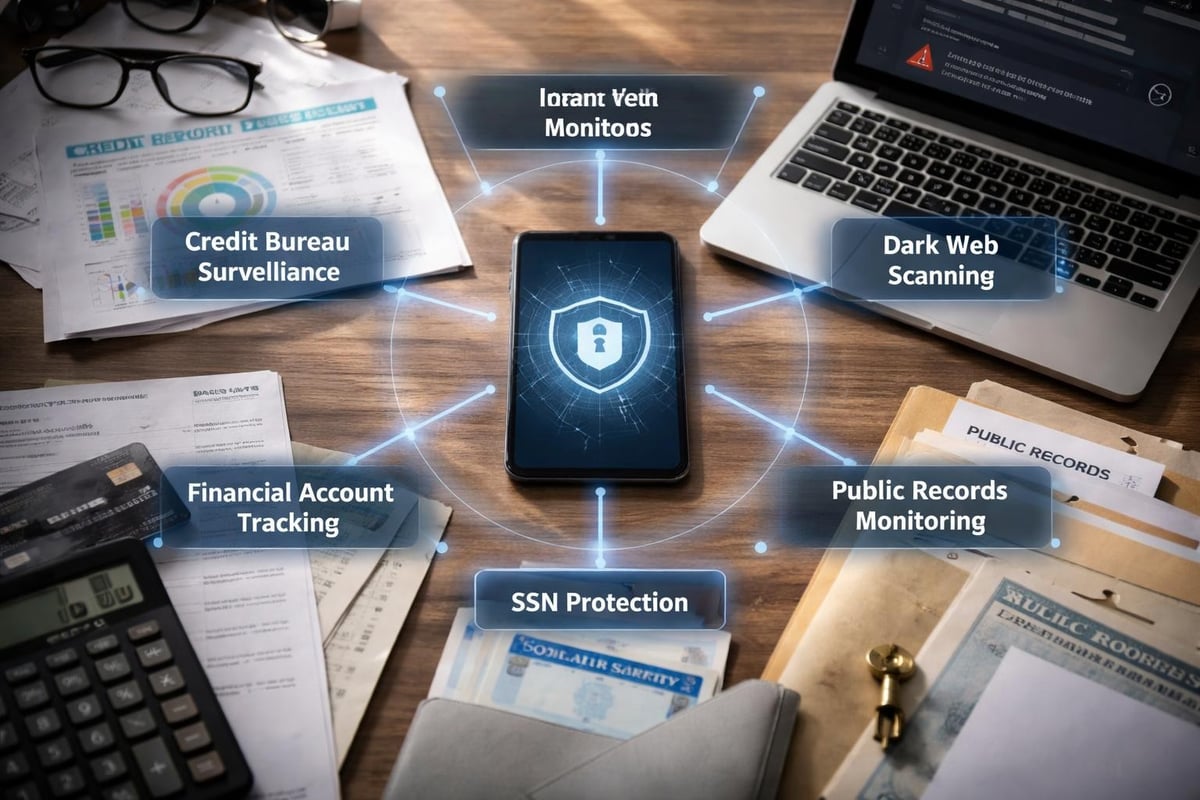
Identity monitoring encompasses a comprehensive set of services designed to track your personal information across various platforms and alert you when suspicious activity occurs. These systems continuously scan financial accounts, credit reports, public records, and even the dark web for signs that someone may be using your identity without authorization.
The foundation of effective identity monitoring lies in its ability to detect anomalies quickly. When you apply for a loan or refinance existing debt, lenders access your credit history and verify your identity. Criminals attempt to exploit this same process by opening unauthorized accounts, applying for credit in your name, or manipulating existing financial relationships.
Key Components of Monitoring Services
Modern identity monitoring platforms incorporate multiple layers of protection:
- Credit monitoring tracks changes to your credit reports across all three major bureaus
- Dark web surveillance searches illegal marketplaces where stolen credentials are bought and sold
- Financial account monitoring watches for unauthorized transactions or account changes
- Public records monitoring alerts you to legal or government filings using your name
- Social Security number tracking detects misuse of your SSN across various systems
These components work together to create a comprehensive shield around your personal information. For consumers in Louisiana, Mississippi, Tennessee, and Georgia navigating the lending landscape, this protection becomes particularly valuable when managing multiple financial relationships or recovering from past credit challenges.
How Identity Monitoring Protects Borrowers
For individuals seeking personal loans for home improvements, medical expenses, or education, identity monitoring provides peace of mind during the application process and beyond. When your credit profile remains clean and accurate, you maintain better access to favorable loan terms and refinancing options.
Real-Time Alert Systems
The most valuable aspect of identity monitoring involves immediate notifications when suspicious activity occurs. Rather than discovering fraudulent accounts months later through a denied loan application, you receive alerts within hours or days of suspicious activity.
| Alert Type | Response Time | Impact Level |
|---|---|---|
| New credit inquiry | 24-48 hours | Medium |
| Account opened | 24-72 hours | High |
| Address change | 12-24 hours | Critical |
| Large transaction | Real-time | High |
| Dark web exposure | 24-48 hours | Critical |
These rapid notifications enable you to take immediate action. Implementing best practices for identity and access management ensures your monitoring systems remain effective and your responses stay coordinated.
Prevention Through Detection
Identity monitoring serves both defensive and offensive purposes. Defensively, it alerts you to breaches and unauthorized access. Offensively, it helps you maintain clean credit reports by catching errors before they damage your borrowing capacity.
When you spot an error on your credit report through monitoring services, you can dispute it immediately rather than discovering the problem when you need financing most urgently. This proactive approach proves especially important for borrowers working to rebuild credit or those with past financial challenges.
Choosing the Right Monitoring Service
The identity monitoring marketplace offers dozens of services with varying features, pricing, and effectiveness. Understanding what you need based on your financial situation helps you select the appropriate level of protection.
Service Tiers and Features
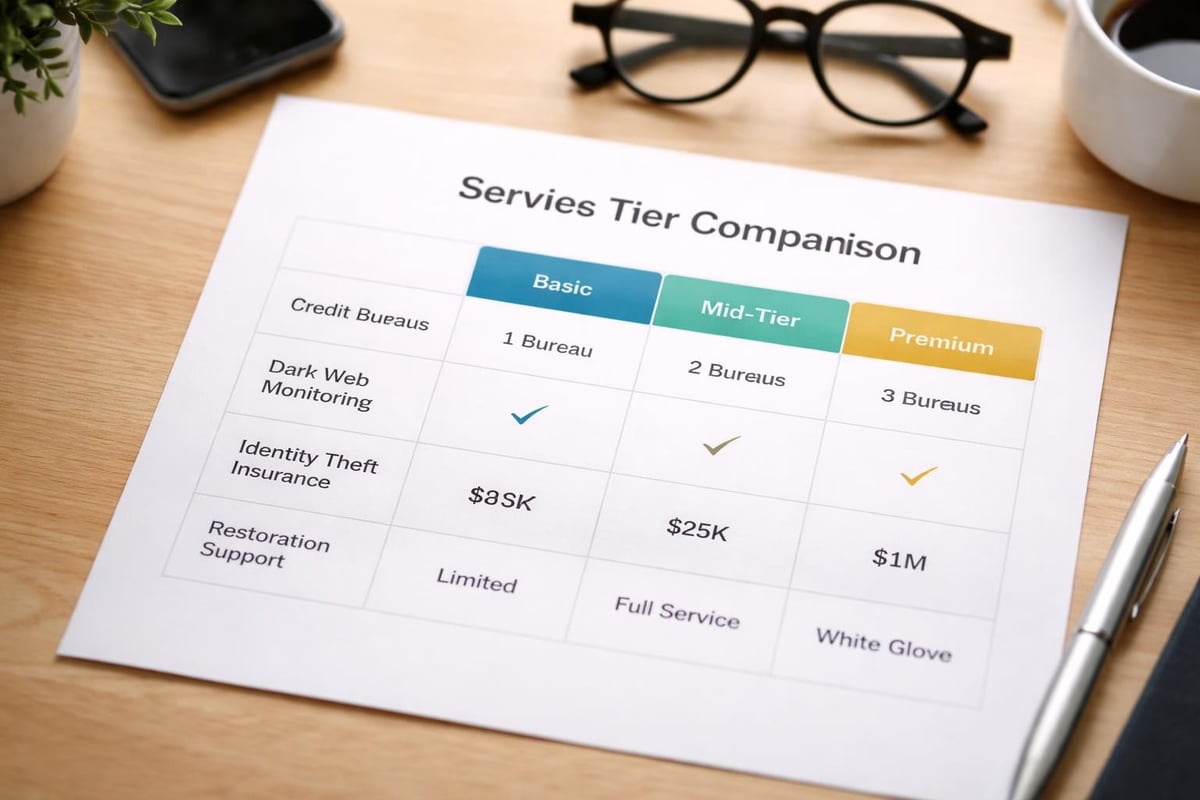
Basic monitoring services typically cover credit report surveillance from one or two bureaus. Mid-tier services expand coverage to all three bureaus and add dark web monitoring. Premium services include comprehensive protection with insurance coverage, full-service restoration assistance, and monitoring of financial accounts beyond credit reports.
Evaluation criteria for monitoring services:
- Number of credit bureaus monitored (one, two, or all three)
- Frequency of credit report updates (monthly, weekly, daily)
- Dark web surveillance capabilities and scope
- Identity theft insurance coverage amounts
- Restoration services and dedicated support specialists
- Mobile app functionality and alert customization
- Family plan options for household coverage
Reviews of identity theft protection services provide detailed comparisons of features, pricing, and user experiences across major providers. For families managing multiple loans or co-signed obligations, comprehensive coverage protecting all household members may justify premium pricing.
Cost Versus Value Analysis
Monthly fees for identity monitoring range from less than ten dollars for basic services to over thirty dollars for premium family plans. When evaluating cost, consider the potential expense of identity theft recovery, which often involves hundreds of hours and thousands of dollars in losses.
For borrowers actively managing loans or planning major financial moves like refinancing or home improvement projects, the peace of mind and early detection capabilities justify monitoring expenses. The service essentially functions as insurance against a costly, time-consuming crisis.
Identity Monitoring in Action
Understanding how monitoring works in practice helps consumers appreciate its value. Consider a scenario where someone obtains your personal information through a data breach at a retailer, medical provider, or other organization you trust.
The Fraud Timeline
Without monitoring, criminals may open credit cards, apply for loans, or make unauthorized purchases for weeks or months before you discover the problem. The identity score systems used by financial institutions help detect anomalies, but they rely on patterns that may take time to trigger alerts.
With active identity monitoring, you receive notification within 24 to 48 hours when someone attempts to use your information. This rapid detection enables you to freeze your credit, contact creditors, and file reports before significant damage occurs.
Typical fraud prevention sequence:
- Monitoring service detects suspicious credit inquiry
- Alert sent to your phone and email
- You verify inquiry as unauthorized
- Immediate credit freeze initiated
- Fraud report filed with affected institutions
- Law enforcement notification completed
- Ongoing monitoring for related activity
This proactive approach contrasts sharply with reactive discovery, where victims often learn about identity theft only when denied credit or contacted by collection agencies about debts they never incurred.
Advanced Monitoring Technologies
The identity monitoring industry continues evolving with emerging technologies that enhance detection capabilities and reduce false positives. Modern systems leverage artificial intelligence and machine learning to identify subtle patterns indicating fraudulent activity.
Authentication Anomaly Detection
Cybersecurity monitoring best practices emphasize detecting authentication anomalies such as login attempts from unusual locations, devices, or times. When someone tries accessing your financial accounts from a new device in a different state, advanced monitoring systems flag this behavior for immediate review.
These sophisticated detection methods prove particularly valuable as criminals develop more elaborate schemes. Simple alerts for new accounts no longer suffice when fraudsters employ techniques like synthetic identity theft, combining real and fabricated information to create new identities.
Managing Alert Volume
One challenge facing identity monitoring involves the sheer volume of alerts generated by comprehensive systems. Research shows that cyber teams struggle to keep up with security alerts, and individual consumers face similar challenges distinguishing genuine threats from false alarms.
Effective monitoring services address this problem through intelligent filtering, prioritization algorithms, and customizable notification settings. You can configure alerts based on severity, allowing critical warnings to reach you immediately while batching less urgent notifications for periodic review.
Best Practices for Maximizing Protection
Subscribing to an identity monitoring service represents just the first step. Maximizing protection requires active engagement and good security hygiene across all aspects of your financial life.
Complementary Security Measures
| Security Practice | Frequency | Difficulty | Impact |
|---|---|---|---|
| Password updates | Quarterly | Low | High |
| Credit report review | Monthly | Low | High |
| Account statement checks | Weekly | Low | Medium |
| Security software updates | As released | Low | High |
| Phishing awareness training | Ongoing | Medium | High |
Implementing bulletproof IAM strategy best practices creates multiple defensive layers that work together with your monitoring service. Strong, unique passwords for each financial account prevent credential stuffing attacks where criminals test stolen username-password combinations across multiple sites.
Responding to Alerts Effectively
When you receive an identity monitoring alert, your response determines how well you contain potential damage. Never ignore alerts, even if they seem minor or potentially false positives. Each notification deserves investigation and verification.
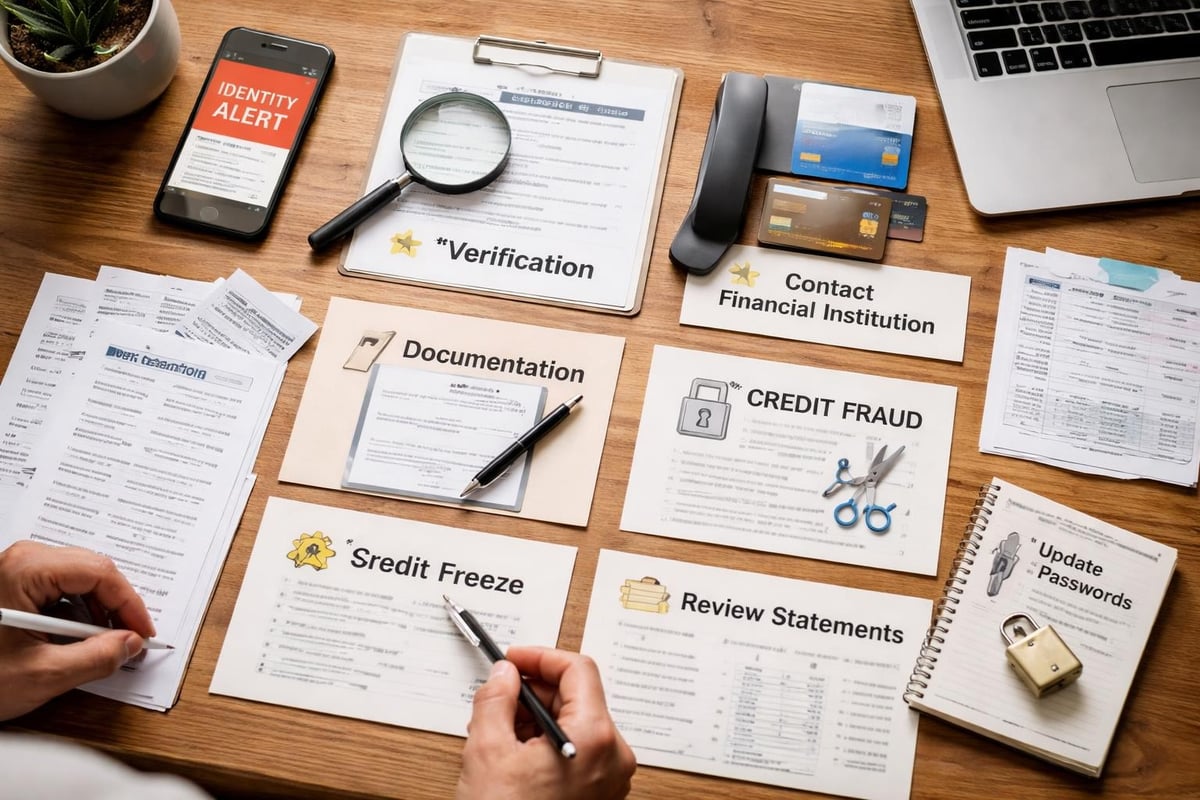
Immediate response checklist:
- Verify the activity through official channels, never via links in alert emails
- Document everything with screenshots, reference numbers, and timestamps
- Contact financial institutions directly using known phone numbers
- File fraud reports with appropriate agencies and law enforcement
- Consider credit freezes if unauthorized activity is confirmed
- Update passwords and security questions for affected accounts
- Review recent statements for additional unauthorized activity
Quick action dramatically reduces the time criminals have to exploit your identity. Even a few hours' delay can mean the difference between stopping one fraudulent application and dealing with multiple compromised accounts.
Identity Monitoring for Different Life Stages
Your identity monitoring needs evolve as your financial situation changes. Borrowers at different life stages face distinct risks and require tailored protection strategies.
Young Adults Building Credit
Consumers establishing credit for the first time benefit from monitoring that helps them understand how financial decisions impact their credit profiles. Early detection of errors or fraud prevents long-term damage to nascent credit histories.
For those seeking first-time personal loans or financing for education, clean credit reports open doors to better terms and larger borrowing capacity. Monitoring services that include educational resources help young borrowers develop strong financial habits alongside protection.
Established Borrowers Managing Multiple Obligations
Consumers juggling mortgages, auto loans, personal loans, and credit cards need comprehensive monitoring across all accounts. The complexity of multiple financial relationships creates more opportunities for fraud and more severe consequences when identity theft occurs.
Refinancing options and new borrowing opportunities depend on maintaining accurate, positive credit profiles. Following identity management best practices ensures your monitoring systems provide adequate coverage for complex financial situations.
Rebuilding After Financial Challenges
Individuals recovering from past credit issues face unique vulnerabilities. Their credit files may contain more entries requiring monitoring, and they have less margin for error when additional negative items could derail recovery efforts.
Identity monitoring becomes especially critical during credit rebuilding because fraudulent activity can undermine months or years of careful financial management. New unauthorized accounts or inquiries damage already-compromised credit scores more severely than they affect consumers with strong credit histories.
Integration with Financial Planning
Identity monitoring should integrate seamlessly with broader financial planning and loan management strategies. Rather than treating it as a standalone service, view it as part of your overall financial health maintenance.
Coordinating with Loan Applications
When planning to apply for personal loans, home improvement financing, or refinancing existing obligations, check your monitoring reports first. Verify that your credit profile accurately reflects your financial situation and contains no errors or fraudulent entries.
This proactive review prevents application delays and improves your chances of securing favorable terms. Lenders appreciate borrowers who demonstrate financial responsibility and awareness of their credit standing.
Long-Term Financial Security
Identity monitoring contributes to long-term financial security by protecting assets you've worked hard to build. For consumers in Louisiana, Mississippi, Tennessee, and Georgia managing various personal loans and credit relationships, consistent monitoring prevents setbacks that could derail financial goals.
The small monthly investment in monitoring services pales compared to the potential costs of identity theft recovery, including lost time, damaged credit, legal fees, and emotional stress. Consider monitoring an essential component of financial planning, similar to insurance or emergency savings.
Regulatory Environment and Consumer Rights
Understanding your rights under federal and state laws strengthens your ability to leverage identity monitoring effectively. Various regulations govern credit reporting, data breaches, and identity theft response.
The Fair Credit Reporting Act entitles you to free annual credit reports from each major bureau, allowing you to verify monitoring service accuracy. Many states have enacted additional consumer protection laws requiring breach notifications and providing identity theft victims with specific rights and remedies.
When identity monitoring detects unauthorized activity, knowing your legal protections helps you respond effectively. You have the right to dispute fraudulent information on credit reports, place security freezes, and receive assistance from creditors and credit bureaus in removing unauthorized accounts.
Protecting your identity through comprehensive monitoring safeguards not only your personal information but also your financial opportunities and stability. Whether you're applying for new financing, managing existing loans, or working to improve your credit standing, identity monitoring provides essential protection against fraud and errors that could compromise your financial future. At Standard Financial, we understand the importance of financial security for our borrowers across Louisiana, Mississippi, Tennessee, and Georgia, offering flexible lending solutions even as you take steps to protect and strengthen your financial identity.





No comment yet, add your voice below!